Learning Center for Tax and Financial Insights

Stay updated with clear, actionable articles on tax rules, deadlines, deductions, and financial decisions that impact individuals and businesses.

No items found.

Don't Leave Money on the Table: Essential Tax Credits You Might Be Missing

Article HighlightsRefundable vs. Non-RefundableCredit CarryoversEarned Income Tax Credit (EITC)Child Tax Credit (CTC)American Opportunity Tax Credit (AOTC)Lifetime Learning Credit (LLC)Saver’s CreditChild and Dependent Care CreditAdoption CreditResidential Clean Energy CreditPremium Tax Credit (PTC)New Clean Vehicle (Electric Vehicle (EV)) CreditPreviously Owned Clean Vehicle (EV) CreditCredit for the Elderly or DisabledForeign Tax CreditGeneral Business CreditTax preparers often encounter clients who are confused about the various tax credits available to them. Understanding these credits can significantly impact your tax liability and, in some cases, result in a refund. This article aims to demystify individual tax credits, explain the difference between refundable and non-refundable credits, and discuss credit carryovers. By the end, you should have a clearer understanding of how to leverage these credits to your advantage.What Are Tax Credits? Tax credits are amounts that reduce the tax you owe on a dollar-for-dollar basis. Unlike deductions, which lower your taxable income, tax credits directly reduce the amount of tax you owe. There are two main types of tax credits: refundable and non-refundable.Refundable vs. Non-Refundable Tax CreditsRefundable Tax Credits: These credits can reduce your tax liability to zero and result in a refund if the credit amount exceeds your tax liability. In other words, if your tax liability is $400 and you have a refundable credit of $1,000, you will receive a $600 refund. This is where many individuals who are not required to file a tax return miss out on substantial refundable tax credits intended for those with low incomes.Non-Refundable Tax Credits: These credits can reduce your tax liability to zero but cannot result in a refund. If your tax liability is $400 and you have a non-refundable credit of $1,000, your tax liability will be reduced to zero, but you will not receive a refund for the remaining $600.Credit Carryovers - Some non-refundable credits come with carryover provisions, allowing you to apply any unused portion of the credit to future tax years. This can be particularly beneficial if you have a low tax liability in the current year but expect higher liabilities in future years.Common Individual Tax Credits - Let's delve into some of the most common individual tax credits, indicating whether they are refundable or non-refundable and if they include carryover provisions.Earned Income Tax Credit (EITC) - The Earned Income Tax Credit (EITC) is designed to benefit low to moderate-income working individuals and families. The credit amount varies based on your income and the number of qualifying children you have. For the 2024 tax year, the maximum credit is $7,830.Type: RefundableChild Tax Credit (CTC) - The Child Tax Credit (CTC) provides up to $2,000 per qualifying child under the age of 17. Up to $1,400 of this credit is refundable, meaning you can receive a refund even if you do not owe any tax. The refundable portion is known as the Additional Child Tax Credit (ACTC).Type: Partially RefundableAmerican Opportunity Tax Credit (AOTC) - The American Opportunity Tax Credit (AOTC) is available for the first four years of post-secondary education. The maximum credit is $2,500 per eligible student, with 40% of the credit (up to $1,000) being refundable. The credit covers tuition, fees, and course materials.Type: Partially RefundableLifetime Learning Credit (LLC) - The Lifetime Learning Credit (LLC) provides up to $2,000 per tax return for qualified higher-education expenses. Unlike the AOTC, the LLC is non-refundable, meaning it can reduce your tax liability to zero but will not result in a refund. There is no limit on the number of years you can claim this credit.Type: Non-RefundableSaver’s Credit - The Saver’s Credit is designed to encourage low to moderate-income individuals to save for retirement. The credit is worth up to $1,000 ($2,000 for married couples filing jointly) and is non-refundable. It can be claimed for contributions to retirement accounts such as IRAs and 401(k)s.Type: Non-RefundableChild and Dependent Care Credit - The Child and Dependent Care Credit helps offset the cost of childcare or care for a dependent while you work or look for work. The credit is worth up to 35% of qualifying expenses, with a maximum of $3,000 for one qualifying individual or $6,000 for two or more. This credit is non-refundable.Type: Non-RefundableAdoption Credit - The Adoption Credit provides financial assistance for qualified adoption expenses. For the 2024 tax year, the maximum credit is $16,810 per child. This credit is non-refundable but can be carried forward for up to five years if the credit exceeds your tax liability.Type: Non-Refundable with CarryoverResidential Clean Energy Credit - The Residential Clean Energy Credit is available for the installation of qualified energy-efficient improvements, such as solar panels and solar water heaters. The credit is worth 30% of the cost of the improvements and is non-refundable. Unused portions of the credit can be carried forward to future tax years.Type: Non-Refundable with CarryoverPremium Tax Credit (PTC) - The PTC helps eligible individuals and families cover the cost of premiums for health insurance purchased through a government Health Insurance Marketplace. The credit amount is based on your family income and the cost of the premiums. This credit is refundable, meaning you can receive a refund if the credit exceeds your tax liability.Type: RefundableNew Clean Vehicle Credit - Commonly referred to as the Electric Vehicle (EV) Credit, the New Clean Vehicle Credit is available for the purchase of qualifying all electric,plug-in hybrid, and fuel cell vehicles. Limits apply based your income and the manufacturer’s suggested retail price of the vehicle. The credit amount varies based on the vehicle's battery capacity but can be up to $7,500. In lieu of claiming the credit on your tax return, you may be able to transfer the credit to the dealer at the time of purchase, which could reduce the vehicle’s cost or your down payment.Type: Non-Refundable with no carryoverPreviously Owned Clean Vehicle (EV) Credit - The Previously Owned Clean Vehicle Credit is designed to incentivize the purchase of used electric vehicles. The credit is up to $4,000 or 30% of the vehicle's price, whichever is less. As with the New Clean Vehicle credit, there are caps on the income of the purchaser and the cost of the vehicle, but the amounts are different. This credit is non-refundable with no carryover.Type: Non-Refundable with no carryoverCredit for the Elderly or Disabled - The Credit for the Elderly or Disabled is available to low income individuals who are 65 or older or who are retired on permanent and total disability. The maximum credit is $7,500, but it is non-refundable, meaning it can only reduce your tax liability to zero.Type: Non-RefundableForeign Tax Credit - The Foreign Tax Credit is available to individuals who pay taxes to a foreign government on income that is also subject to U.S. tax. This credit is non-refundable but can be carried back one year and forward up to ten years if it exceeds your tax liability.Type: Non-Refundable with Carryover General Business Credit - The General Business Credit is a collection of various credits available to businesses, including sole proprietorships, that are passed through to the individual. These credits are non-refundable but can be carried back one year and forward up to twenty years.Type: Non-Refundable with Carryover

Explore More
No items found.

UK’s Non-Dom Tax Shake-Up: Could Wealthy Americans Flee?

Per the BBC, the UK government is reconsidering the Labour Party’s proposed changes to the non-domicile ("non-dom") tax status amid concerns that the reforms may not generate as much revenue as initially anticipated. Originally designed to raise an additional £1 billion to fund public services like the NHS and school breakfast programs, the changes are now being reviewed over fears that they could prompt wealthy non-doms to leave the UK, taking their tax revenue with them.Entrepreneur Bassim Haidar – a Nigerian by birth – told The Guardian earlier this year that he has decided to relocate to Monaco and Dubai, lured by their tax-free status. He, among others, anticipated substantial financial repercussions if he and his family remained in London, estimating millions in additional taxes annually. Haidar spearheaded a group of 29 individuals planning to exit the UK, despite loving the London lifestyle. Haidar told Guardian reporters, “We love London, we love the lifestyle. We love everything about it, and we’re gutted that we have to go, but we have to think of our future, and the future of our children. With such a punitive tax system [now in the UK], for the protection of their future wealth it makes a lot of sense for them to leave and for us to leave.”As government officials revisit non-dom rules, it could potentially prompt Haidar and others – including some wealthy Americans – to remain in the United Kingdom.What is the Non-Dom Tax Status?The non-dom tax status allows individuals who live in the UK but consider their permanent home to be outside the country to pay tax only on UK-sourced income and gains, or foreign income and gains if they are brought into the UK. This means that, under the current rules, individuals can live in the UK and still avoid paying tax on much of their global wealth, as long as it stays outside the country.For Americans living in the UK, this has provided a crucial way to minimize their tax burden, especially considering the complicated tax obligations they already face from the IRS under U.S. citizenship-based taxation.What Changes Have Been Proposed?Labour's plan, which was set in motion by the previous Conservative government, calls for the complete phasing out of non-dom tax status. The original goal was to collect additional tax revenue that could be used to support public services, including funding for hospitals and schools. However, Treasury officials now worry that scrapping the regime could backfire.As previously noted, wealthy individuals may simply choose to relocate to more tax-friendly jurisdictions, such as Switzerland or the aforementioned Monaco and Dubai. This mass exodus could offset any projected tax revenue gains, leaving the government short of its £1 billion target. In a September 27 report, Reuters shared that the Office for Budget Responsibility, the nation's fiscal watchdog, is expected to certify the costings of all measures during an October 30 budget announcement."We are committed to addressing unfairness in the tax system so we can raise the revenue to rebuild our public services. That is why we are removing the outdated non-dom tax regime and replacing it with a new internationally competitive residence-based regime focused on attracting the best talent and investment to the UK," a spokesperson told the outlet.Potential Impact on Americans Living in the UKFor the many Americans who reside in the UK, the potential changes to the non-dom regime are highly significant. There are several ways in which U.S. citizens could be directly affected:Increased Tax Exposure: Americans living in the UK who currently claim non-dom status could face notably higher taxes if the rules are changed. The existing benefits of keeping foreign income and gains out of UK tax jurisdiction would disappear, leaving them exposed to UK taxes on their global income. Since U.S. citizens are taxed on worldwide income by the IRS, they could face double taxation, with far fewer options to mitigate it.Emigration Concerns:The fear of double taxation may lead many wealthy Americans to consider leaving the UK. Former UK chancellor Nadhim Zahawi mentioned that in July alone, 5,000 British citizens applied for residency in tax havens like Monaco. American non-doms could follow suit, seeking out more favorable tax jurisdictions. However, for U.S. citizens, relocating to a tax haven wouldn’t relieve them of their IRS obligations, adding another layer to their decision.Tax Planning Disruptions:Many Americans in the UK who have structured their investments, trusts, and estates around the non-dom system could face significant financial disruption. The elimination of non-dom status would require Americans to rethink their long-term financial planning and seek advice on how to restructure their assets in a way that minimizes their UK tax liability without running afoul of existing U.S. tax laws and IRS regulations.

Explore More
No items found.

Video Tips: 2025 COLA Adjustments and Impact on Social Security Beneficiaries

The Social Security Administration (SSA) has announced a 2.5 percent cost-of-living adjustment (COLA) for Social Security benefits and Supplemental Security Income (SSI) payments going into 2025. Learn how this will affect Social Security beneficiaries and the financial impact on taxpayers as a whole.

Explore More
No items found.

November 2024 Individual Due Dates

November 12 - Report Tips to EmployerIf you are an employee who works for tips and received more than $20 in tips during October 2024, you are required to report them to your employer on IRS Form 4070 no later than November 12. Your employer is required to withhold FICA taxes and income tax withholding for these tips from your regular wages. If your regular wages are insufficient to cover the FICA and tax withholding, the employer will report the amount of the uncollected withholding in box 12 of your W-2 for the year. You will be required to pay the uncollected withholding when your return for the year is filed.Weekends & Holidays:If a due date falls on a Saturday, Sunday or legal holiday, the due date is automatically extended until the next business day that is not itself a legal holiday.

Explore More
No items found.

November 2024 Business Due Dates

November 12 - Social Security, Medicare and Withheld Income TaxFile Form 941 for the third quarter of 2024. This due date applies only if you deposited the tax for the quarter in full and on time.November 15 - Social Security, Medicare and Withheld Income TaxIf the monthly deposit rule applies, deposit the tax for payments in October.November 15 - Nonpayroll WithholdingIf the monthly deposit rule applies, deposit the tax for payments in October.Weekends & Holidays:If a due date falls on a Saturday, Sunday or legal holiday, the due date is automatically extended until the next business day that is not itself a legal holiday.

Explore More
No items found.

IRS Provides Tax Relief for Victims of Hurricane Milton

Article Highlights:Hurricane Milton Affected Florida Counties.Who Qualifies for Relief.Filing and Payment ReliefRelief Period Ending Date.IRS Address of RecordAddress Outside the Disaster AreaAdditional Tax ReliefQualified Disaster Relief PaymentsThe Internal Revenue Service has announced tax relief for individuals and businesses in parts of Florida that were affected by Hurricane Milton that began on Oct. 5, 2024. These taxpayers now have until May 1, 2025, to file various federal individual and business tax returns and make tax payments.Following the disaster declaration issued by the Federal Emergency Management Agency (FEMA), individuals and households that reside or have a business in Alachua, Baker, Bradford, Brevard, Broward, Charlotte, Citrus, Clay, Collier, Columbia, DeSoto, Dixie, Duval, Flagler, Gilchrist, Glades, Hamilton, Hardee, Hendry, Hernando, Highlands, Hillsborough, Indian River, Lafayette, Lake, Lee, Levy, Madison, Manatee, Marion, Martin, Miami-Dade, Monroe, Nassau, Okeechobee, Orange, Osceola, Palm Beach, Pasco, Pinellas, Polk, Putman, Sarasota, Seminole, St. Johns, St. Lucie, Sumter, Suwannee, Taylor, Union, and Volusia counties qualify for tax relief.Combined with earlier tax relief provided for taxpayers in counties affected by Hurricane Debby and Hurricane Helene, affected taxpayers in all of Florida now have until May 1, 2025, to file various federal individual and business tax returns and make tax payments, including 2024 individual and business returns normally due during March and April 2025 and 2023 individual and corporate returns with valid extensions and quarterly estimated tax payments.The declaration permits the IRS to postpone certain tax-filing and tax-payment deadlines for taxpayers who reside or have a business in the disaster area. For instance, certain deadlines falling on or after Oct. 5, 2024, and before May 1, 2025, are granted additional time to file through May 1, 2025. As a result, affected individuals and businesses will have until May 1, 2025, to file returns and pay any taxes that were originally due during this period.The May 1, 2025, filing deadline applies to:Any individual or business that has a 2024 return normally due during March or April 2025.Any individual, C corporation or tax-exempt organization that has a valid extension to file their calendar-year 2023 federal return. The IRS noted, however, that payments on these returns are not eligible for the extra time because they were due last spring before the hurricane occurred.2024 quarterly estimated tax payments normally due on Jan. 15, 2025, and 2025 estimated tax payments normally due on April 15, 2025.Quarterly payroll and excise tax returns normally due on Oct. 31, 2024, Jan. 31, 2025, and April 30, 2025.In addition, penalties on payroll and excise tax deposits due on or after Oct. 5, 2024, and before Oct. 21, 2024, will be abated if the tax deposits were made by Oct. 21, 2024. Localities eligible for this relief are: Alachua, Baker, Bradford, Brevard, Broward, Charlotte, Citrus, Clay, Collier, Columbia, DeSoto, Dixie, Duval, Flagler, Gilchrist, Glades, Hamilton, Hardee, Hendry, Hernando, Highlands, Hillsborough, Indian River, Lafayette, Lake, Lee, Levy, Madison, Manatee, Marion, Martin, Miami-Dade, Monroe, Nassau, Okeechobee, Orange, Osceola, Palm Beach, Pasco, Pinellas, Polk, Putman, Sarasota, Seminole, St. Johns, St. Lucie, Sumter, Suwannee, Taylor, Union and Volusia counties.Deposit penalty relief and other relief was previously provided to taxpayers affected by Debby and Helene. For details, see the Florida page on IRS.gov. The Disaster assistance and emergency relief for individuals and businesses page also has details, as well as information on other returns, payments and tax-related actions qualifying for relief during the postponement period

Explore More
No results found.
Thank you! Your submission has been received!
Oops! Something went wrong while submitting the form.

Want tax & accounting tips & insights?Sign up for our newsletter.

Thank you! Your submission has been received!
Oops! Something went wrong while submitting the form.

Why Work With Us?

We combine deep tax expertise, financial strategy, and practical business insight to help you manage complexity, stay compliant, and make confident financial decisions.
A dollar sign, representing financial advice or discussion at NR CPAs & Business Advisors.

Experienced CPA and Enrolled Agent Leadership

Guidance led by licensed professionals with deep expertise in tax strategy, compliance, and complex financial matters.
White bar chart with an upward arrow on green circular background representing growth or progress at NR CPAs &. Business Advisors

Support for Growing Businesses and Startups

We understand the financial challenges of growth stage businesses and provide structured guidance to support expansion.
A white hand holding a dollar symbol and ascending bar chart on a green circular background representing financial growth or investment at NR CPAs & Business Advisors..

Strategic Financial Advisory

Our team helps you evaluate financial decisions with greater clarity, supported by practical insights and long term planning.

Fractional CFO Support

Access experienced financial leadership without the commitment and cost of hiring a full time Chief Financial Officer.

Proactive Tax Planning Approach

We focus on identifying tax opportunities throughout the year rather than reacting only during filing season.

Clear and Reliable Financial Reporting

Accurate financial statements and reporting that help you better understand performance and make informed decisions.
White IRS building icon with pillars and a dollar sign above on a green circular background.

Professional IRS Representation

Experienced support in resolving IRS notices, disputes, and compliance matters while protecting your financial interests.

Personalized Client Focus

Every client receives thoughtful attention and tailored financial solutions based on their specific needs and business goals.
Financial matters often involve important decisions. Working with experienced advisors can help you approach them with greater clarity and confidence in your choices.

Need Help With Your Tax or Financial Decisions?

Discuss your situation with our advisors to get clear guidance on tax planning, IRS matters, and the financial decisions ahead.
Business consulting at NR CPAs & Business Advisors.

Request Your Consultation

Fill out the form to discuss your tax concerns, financial questions, or advisory needs with our team. We will review your details and respond shortly.

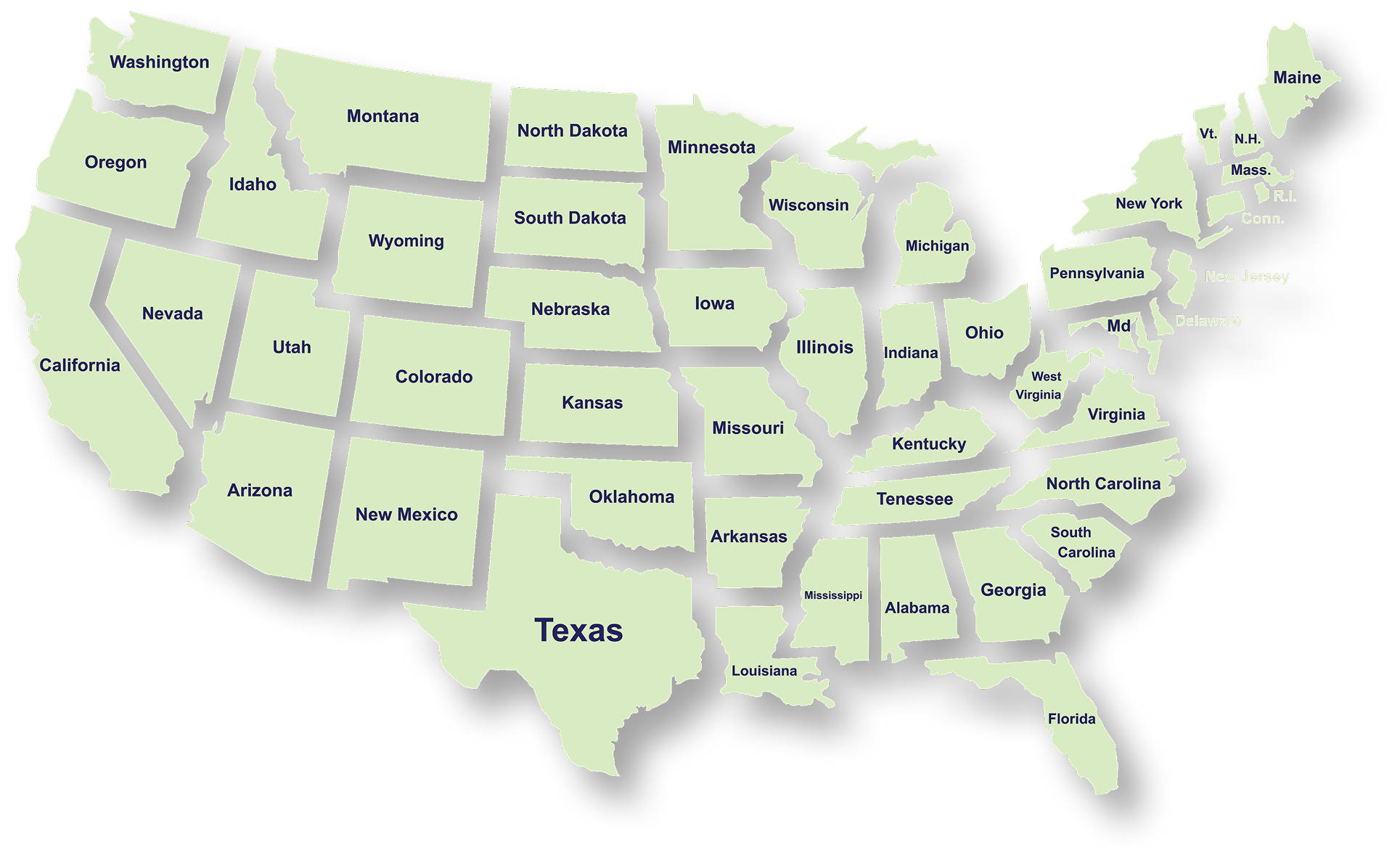
Serving Businesses & Individuals Across USA

We handle accounting, tax filing, and planning with defined timelines and accurate reporting for businesses and individuals across all states.

Frequently Asked Questions

What services does NR CPAs & Business Advisors provide?
What is tax planning and why is it important for businesses?
How can a Virtual CFO help my business?
When should a business consider IRS tax resolution services?
What financial statements does a business typically need?
How can startup advisory services help new businesses?
What is strategic business planning?
What is a Virtual Family Office and who can benefit from it?