Learning Center for Tax and Financial Insights

Stay updated with clear, actionable articles on tax rules, deadlines, deductions, and financial decisions that impact individuals and businesses.

No items found.

How Qualified Small Business Stock Can Maximize Your Investment Returns

Article Highlights:Gain Exclusion Benefits of Sec 1202 QSBSQualifications for Sec 1202 QSBSLimitations of Sec 1202 QSBSHolding Period RequirementsDetermining the 5-Year Holding PeriodInvestor Exclusion LimitsRollover PossibilitiesActive Business RequirementAMT RamificationsApplication to Pass-Through EntitiesMaking the ElectionExample of Sec 1202 QSBS BenefitsThe Internal Revenue Code (IRC) Section 1202, often referred to as the Qualified Small Business Stock (QSBS) provision, offers a significant tax incentive for investors in small businesses. Enacted in 1993, this provision aims to stimulate investment in small businesses by allowing non-corporate taxpayers to exclude a portion of the gain realized on the sale of QSBS. This article delves into the myriad aspects of Sec 1202, including its benefits, qualifications, limitations, holding periods, investor exclusion limits, rollover possibilities, active business requirements, Alternative Minimum Tax (AMT) ramifications, and application to pass-through entities, and the intricacies of Form 8949 reporting.Gain Exclusion Benefits of Sec 1202 QSBS - The primary benefit of Sec 1202 is the potential to exclude up to 100% of the gain from the sale of QSBS, depending on when the stock was issued. This exclusion can significantly reduce the tax burden on investors, making it an attractive option for those looking to invest in small businesses. The exclusion percentages are as follows:o 50% Exclusion: For stock issued after August 10, 1993, and before February 18, 2009.o 75% Exclusion: For stock issued after February 17, 2009, and before September 28, 2010.o 100% Exclusion: For stock issued after September 27, 2010.Qualifications for Sec 1202 QSBS - To qualify for Sec 1202 benefits, the stock must meet several stringent requirements:o Eligible Shareholder: The stock must be held by a non-corporate shareholder, such as an individual, trust, or estate. Partnerships and S corporations can also qualify, but additional requirements apply for non-corporate owners of these entities.o Original Issuance: The stock must be acquired at its original issuance directly from the company, not from another shareholder. This includes stock received as compensation for services or in exchange for non-cash property.o Qualified Small Business: The issuing corporation must be a C corporation with aggregate gross assets not exceeding $50 million at the time of stock issuance.o Active Business Requirement: The corporation must use at least 80% of its assets in the active conduct of a qualified trade or business.Limitations of Sec 1202 QSBS - Despite its benefits, Sec 1202 has several limitations:o Investor Exclusion Limits: The exclusion cannot exceed the greater of $10 million or 10 times the taxpayer's adjusted basis in the QSBS.o State Limitations: Some states do not conform to the federal QSBS exclusion, potentially subjecting the gain to state taxeso Excess Buybacks: Excessive buybacks of shares by the issuing corporation can disqualify the stock from QSBS treatment.Holding Period Requirements - To benefit from the Sec 1202 exclusion, the stock must be held for an uninterrupted period of more than five years before it is disposed of. The holding period generally begins on the date the stock was issued. However, if the stock was issued in exchange for non-cash property, the holding period starts on the exchange date. For stock issued from the conversion of debt or the exercise of stock options or warrants, the holding period begins at the conversion or exercise date.For example, if you acquired QSBS on June 1, 2019, you will need to hold the stock until at least June 2, 2024, to meet the five-year holding requirement. The holding period begins on the date the stock was issued, and any interruptions or breaks in ownership could disqualify the stock from meeting this requirement.“Tack on” to the Holding Period - In certain situations, a shareholder can "tack on" previous holding periods to meet the five-year requirement. This applies if the stock was inherited, received as a gift, or acquired in a distribution from a partnership. For example, if a shareholder inherits QSBS from a decedent who held the stock for three years, the heir only needs to hold the stock for an additional two years to meet the five-year requirement.Investor Exclusion Limits - The exclusion limits under Sec 1202 are designed to prevent excessive tax benefits. The exclusion is capped at the greater of $10 million or 10 times the taxpayer's adjusted basis in the QSBS. This means that investors with a large basis in the stock may be able to exclude more than $10 million of gain. Additionally, spreading sales over multiple years can allow investors to utilize the exclusion in each year.Rollover Possibilities - Sec 1202 allows for the deferral of gain through a rollover to another QSBS within 60 days. This provision enables investors to reinvest in another qualified small business without immediately recognizing the gain, thereby deferring taxes and potentially benefiting from future exclusions.Active Business Requirement - To qualify for Sec 1202, the issuing corporation must meet the active business requirement, which mandates that at least 80% of the corporation's assets be used in the active conduct of a qualified trade or business. Certain businesses, such as those involved in personal services, financial services, and hospitality, are excluded from being considered qualified trades or businesses.AMT Ramifications - The Alternative Minimum Tax (AMT) implications of Sec 1202 depend on the QSBS exclusion percentage:o 50% and 75% Exclusions: 7% of the excluded gain is treated as a preference item for AMT purposes.o 100% Exclusion: No AMT preference applies.Application to Pass-Through Entities - Sec 1202 benefits can extend to pass-through entities like partnerships and S corporations, but specific conditions must be met:o The stock must be QSBS in the hands of the partnership or S corporation.o The partner or shareholder must have been a partner or shareholder from the date the entity acquired the stock through the date of distribution.o The partner’s or shareholder's share of the distributed stock cannot exceed their interest in the entity at the time the stock was acquired.Claiming the Exclusion – An individual elects to exclude gain from the sale of QSBS by reporting the sale on IRS Form 8949, Sales and Other Dispositions of Capital Assets, when filing their tax return for the sale year. If not all of the gain qualifies for the exclusion, the remaining gain is not eligible for the regular advantageous long-term capital gains rate. Instead, the excess gain is taxed at a maximum rate of 28%. Should the QSBS exclusion not apply because the stock is sold after being held more than one year but before meeting the required five-year holding period, the entire gain qualifies to be taxed at the regular capital gains rate.Example of Sec 1202 QSBS Benefits

Explore More
No items found.

The Tax Trap Behind Shohei Ohtani’s 50/50 Ball Auction – Uncle Sam Could Be the Real Winner

Imagine you’re the lucky fan holding onto the ball that Shohei Ohtani crushed to become the first player in baseball history to hit 50 home runs and steal 50 bases in a single season. It’s not just any ball – it’s a piece of MLB history. And now that historic baseball is up for auction. The bids are expected to skyrocket, with collectors clamoring to own even the smallest part of Ohtani’s legendary career with the Los Angeles Dodgers. But if you think this is a golden opportunity for the seller, hold your horses – or, rather, your baseballs – because Uncle Sam is waiting in the dugout.Before you start imagining what you’d do with your wild payday – bidding for the ball was up to $1.2 million as of September 28 – you might want to check the calendar and brush up on your tax rules. If a person sells any piece of memorabilia too soon, a massive slice of the financial windfall could be headed straight to the U.S. Treasury.Short-Term Capital Gains: A Tax Curveball You Don’t WantHere’s where things get tricky: If you sell any valuable item within a year and a day (yes, the IRS is that specific) of snagging it, the IRS doesn’t care how historic or valuable it is – they care how long you’ve owned it. If you offload it too quickly, the IRS considers it ordinary income, meaning it gets taxed just like your salary or any other earnings. For those in higher income brackets, that could be as much as 37% in taxes!To put that into perspective, let’s say the final net auction price is only $500,000 (though it will be much higher in actuality). If the sale goes through before the seller has owned the ball for a year and a day, he will be taxed at ordinary income rates. Assuming you’re in the top tax bracket (and, if you’re making half a million or more from a baseball, you might be), you could owe a whopping $185,000 in federal taxes! That means instead of walking away with half a million bucks, you’re looking at around $315,000 after taxes.And, all of this is without considering any state income tax that may apply.Long-Term Capital Gains: The Real Home RunIf you can play the waiting game and hold onto an item for at least a year and a day before selling it, you’ll be rewarded with a much more favorable tax situation. The profit from selling the ball will be taxed at long-term capital gains rates, which are significantly lower than ordinary income tax rates. Depending on your income bracket, that tax rate could be as low as 15% or as high as 20%.Using the same example of a $500,000 sale, the seller would only owe between $75,000 and $100,000 in federal taxes. That leaves behind a much nicer net profit, ranging from $400,000 to $425,000.How Does This Work?Why the big difference? The IRS distinguishes between short-term and long-term capital gains based on how long you hold onto an asset before selling it. For most items – like stocks, real estate, and even historic baseballs – you need to hold onto the item for more than a year (technically, a year and a day) for the profit to be considered a long-term capital gain. Anything sold within a year is classified as a short-term capital gain and is taxed like ordinary income.This means the IRS treats you differently if you’re a quick-flip kind of person versus someone who holds onto assets for the long haul. While this might not make a huge difference when selling smaller items, when we’re talking about hundreds of thousands – or even millions – of dollars, the difference in taxes can be enormous.The Numbers: 2024 Capital Gains RatesFor 2024, here’s where the capital gains tax rates kick in for long-term assets:Single Filers: 15% rate applies to taxable income over $47,026, and the 20% rate applies to income over $518,900.Married Filing Jointly: 15% rate starts at $94,051, and 20% kicks in above $583,750.Head of Household: 15% rate starts at $63,001, and 20% applies once income exceeds $551,350.

Explore More
No items found.

Navigating the Tax Complexities of Hiring Household Employees

Article Highlights:Who is a Household Employee?Examples of Household EmployeesIndependent ContractorsPayroll and Withholding RequirementsNanny SEPsDeductibility of Household Employee PaymentsPenalties for Non-ComplianceOther Tax IssuesHousehold employees play a crucial role in many homes, providing essential services such as childcare, eldercare, housekeeping, and gardening. However, employing household help comes with a set of responsibilities, particularly in terms of payroll, withholding, and tax reporting. This article delves into the intricacies of household employment, including the classification of workers, payroll requirements, tax implications, and the penalties for non-compliance.Who is a Household Employee? - A household employee is someone who performs domestic services in a private home. This includes nannies, caregivers, housekeepers, gardeners, and other similar roles. The key factor that distinguishes a household employee from an independent contractor is the degree of control the employer has over the work performed. If the employer dictates what work is to be done and how it is to be done, the worker is typically considered an employee.A worker who performs childcare services in their home generally is not an employee of the parents whose children are cared for. If an agency provides the worker and controls what work is done and how it is done, then the worker is not considered a household employee.Examples of Household Employees:Nannies and babysittersCaregivers for elderly or disabled individualsHousekeepers and maidsGardeners and landscapers (if they work under the homeowner's direction)Independent Contractors: Independent contractors, on the other hand, operate their own businesses and provide services to the public. They typically supply their own tools, set their own hours, and determine how the work will be completed. They are not treated as household employees and there are no reporting requirements when they work for you in your private home. Examples include:PlumbersGardeners and landscapers (if they don’t work under the homeowner's direction)ElectriciansPool maintenance workersFreelance landscapersPayroll and Withholding Requirements - When you hire a household employee, you become an employer and must adhere to specific payroll and withholding requirements. Here are the key steps involved:Obtain Employer Identification Numbers (EINs): You need to obtain a federal EIN from the IRS and, in some cases, a state EIN.Form I-9: Both the employer and the employee must complete Form I-9 to verify the employee's eligibility to work in the U.S.Schedule H: Household Employment Taxes - Employers report household employment taxes on Schedule H, which is filed with their federal income tax return (Form 1040). Schedule H covers Social Security and Medicare taxes, FUTA, and any withheld federal income tax.o Social Security and Medicare Taxes: You must withhold Social Security and Medicare taxes from your employee's wages and pay the employer's share of these taxes. For 2024, the Social Security tax rate is 6.2% for both the employer and the employee, and the Medicare tax rate is 1.45% each.o Federal Unemployment Tax (FUTA): You may also need to pay FUTA tax if you pay your household employee $1,000 or more in any calendar quarter. The FUTA tax rate is 6.0% on the first $7,000 of wages paid to each employee.o Income Tax Withholding: Federal income tax withholding is not required for household employees unless both the employer and the employee agree to it. However, it is advisable to withhold federal income tax to help the employee avoid a large tax bill at the end of the year.State Employment Taxes: State requirements vary, but you may need to pay state unemployment insurance and disability insurance taxes. Contact this office for state reporting requirements.W-2 and W-3 Forms: At the end of the year, you must provide your household employee with a Form W-2, Wage and Tax Statement, and file a copy with the Social Security Administration along with Form W-3, Transmittal of Wage and Tax Statements. These forms are generally due by January 31 following the year you paid the employee.“Nanny” SEPs - A recent tax law change allows employers of domestic employees to establish a Simplified Employee Pension (SEP) plan to provide retirement benefits for their domestic employees, such as nannies. These plans have come to be termed “Nanny” SEPs, but can be made available to other types of domestic employees.

Explore More
No items found.

IRS Penalties: What Triggers Them and How to Avoid or Reduce Them

Tax season can be stressful, especially if you're worried about penalties. Whether you're an individual or a small business owner, IRS penalties can add up quickly, turning a simple oversight into a costly mistake. Understanding what triggers these penalties—and how to avoid or reduce them—can save you time, money, and frustration.In this article, we'll break down the most common IRS penalties, explain what triggers them, and provide tips on how to contest or mitigate them if necessary.Common IRS PenaltiesThe IRS imposes a variety of penalties for different types of tax-related mistakes or missed obligations. Some of the most common include:1. Late Filing PenaltyThe late filing penalty is one of the most frequent issues taxpayers encounter. If you fail to file your tax return by the due date (or extended due date), the IRS typically imposes a penalty of 5% of the unpaid taxes for each month your return is late, up to a maximum of 25%. If more than 60 days pass without filing, the minimum penalty is either $435 or 100% of the unpaid tax—whichever is less.2. Late Payment PenaltyIf you file your taxes on time but fail to pay the taxes you owe, the IRS charges a late payment penalty. This penalty is 0.5% of the unpaid taxes for each month or part of a month that the tax remains unpaid, up to a maximum of 25%.Even if you can’t pay the full amount, filing your return on time can help reduce additional penalties. You may also qualify for a payment plan, which can prevent the situation from escalating further.3. Estimated Tax PenaltySmall business owners and self-employed individuals are required to make quarterly estimated tax payments. If you fail to pay enough taxes throughout the year, the IRS may assess an underpayment penalty. This applies to those who don’t have sufficient withholding or don’t pay enough in quarterly estimated taxes.4. Accuracy-Related PenaltyThe IRS imposes an accuracy-related penalty when taxpayers understate their income by a significant amount or claim deductions or credits they’re not entitled to. This penalty is typically 20% of the underpaid tax. In some cases, the IRS may charge this penalty if they determine that the taxpayer was negligent or didn’t have a reasonable basis for their tax position.5. Failure to Deposit Employment TaxesFor businesses that withhold payroll taxes from employees, failure to deposit those taxes with the IRS can result in significant penalties. The IRS charges a penalty based on how late the deposit is, ranging from 2% to 15% of the unpaid amount.What Triggers These Penalties?IRS penalties are typically triggered by mistakes, missed deadlines, or lack of compliance. Some common reasons penalties are imposed include:Missing filing deadlines for individual, corporate, or payroll tax returns.Failure to pay the taxes owed by the due date, even if the tax return is filed.Inaccurate reporting of income or expenses on tax returns.Underpaying taxes throughout the year (especially for self-employed individuals).Neglecting payroll tax obligations is a serious concern for small businesses.

Explore More
No items found.

Video Tips: A Second Chance at the Voluntary Disclosure Program for ERC Claims

A few months back we cautioned employers to be wary of third parties advising them to claim the employee retention credit when they may not qualify. Now the IRS has begun denying the credits and penalizing employers that were not qualified for the credit. However, the IRS has offered an olive branch to employers that voluntarily withdraw their claims.

Explore More
No items found.

IRS Provides Relief for Hurricane Helene Victims

Article Highlights:Hurricane Helene Affected States.Who Qualifies for Relief.Filing and Payment ReliefRelief Start Dates.Relief Period Ending Date.IRS Address of RecordAddress Outside the Disaster AreaAdditional Tax ReliefQualified Disaster Relief PaymentsThe Internal Revenue Service has announced disaster tax relief for all individuals and businesses affected by Hurricane Helene, including the entire states of Alabama, Georgia, North Carolina and South Carolina and parts of Florida, Tennessee and Virginia.Taxpayers in these areas now have until May 1, 2025, to file various federal individual and business tax returns and make tax payments. Among other things, this includes 2024 individual and business returns normally due during March and April 2025, 2023, individual and corporate returns with valid extensions and quarterly estimated tax payments.The IRS is offering relief to any area designated by the Federal Emergency Management Agency (FEMA). Besides all of Alabama, Georgia, North Carolina and South Carolina, this currently includes 41 counties in Florida, eight counties in Tennessee and six counties and one city in Virginia.Individuals and households that reside or have a business in any one of these localities qualify for tax relief. The same relief will be available to other states and localities that receive FEMA disaster declarations related to Hurricane Helene. The current list of eligible localities is always available on the Tax relief in disaster situations page on IRS.gov.Filing and Payment Relief - The tax relief postpones various tax filing and payment deadlines that occurred beginning on:Sept. 22, 2024, in Alabama,Sept. 23 in Florida,Sept. 24 in Georgia,Sept. 25 in North Carolina, South Carolina and Virginia, andSept. 26 in Tennessee.In all these states, the relief period ends on May 1, 2025 (postponement period). As a result, affected individuals and businesses will have until May 1, 2025, to file returns and pay any taxes that were originally due during this period.This means, for example, that the May 1, 2025, deadline will now apply to:Any individual or business that has a 2024 return normally due during March or April 2025.Any individual, business or tax-exempt organization that has a valid extension to file their 2023 federal return. The IRS noted, however, that payments on these returns are not eligible for the extra time because they were due last spring before the hurricane occurred.2024 quarterly estimated income tax payments normally due on Jan. 15, 2025, and 2025 estimated tax payments normally due on April 15, 2025.Quarterly payroll and excise tax returns normally due on Oct. 31, 2024, and Jan. 31 and April 30, 2025.In addition, the IRS is also providing penalty relief to businesses that make payroll and excise tax deposits. Relief periods vary by state. Visit the Around the Nation page for details.The Disaster assistance and emergency relief for individuals and businesses page has details on other returns, payments and tax-related actions qualifying for relief during the postponement period. Among other things, this means that any of these areas that previously received relief following Tropical Storm Debby will now have those deadlines further postponed to May 1, 2025.IRS Address of Record - The IRS automatically provides filing and penalty relief to any taxpayer with an IRS address of record located in the disaster area. These taxpayers do not need to contact the agency to get this relief.

Explore More
No results found.
Thank you! Your submission has been received!
Oops! Something went wrong while submitting the form.

Want tax & accounting tips & insights?Sign up for our newsletter.

Thank you! Your submission has been received!
Oops! Something went wrong while submitting the form.

Why Work With Us?

We combine deep tax expertise, financial strategy, and practical business insight to help you manage complexity, stay compliant, and make confident financial decisions.
A dollar sign, representing financial advice or discussion at NR CPAs & Business Advisors.

Experienced CPA and Enrolled Agent Leadership

Guidance led by licensed professionals with deep expertise in tax strategy, compliance, and complex financial matters.
White bar chart with an upward arrow on green circular background representing growth or progress at NR CPAs &. Business Advisors

Support for Growing Businesses and Startups

We understand the financial challenges of growth stage businesses and provide structured guidance to support expansion.
A white hand holding a dollar symbol and ascending bar chart on a green circular background representing financial growth or investment at NR CPAs & Business Advisors..

Strategic Financial Advisory

Our team helps you evaluate financial decisions with greater clarity, supported by practical insights and long term planning.

Fractional CFO Support

Access experienced financial leadership without the commitment and cost of hiring a full time Chief Financial Officer.

Proactive Tax Planning Approach

We focus on identifying tax opportunities throughout the year rather than reacting only during filing season.

Clear and Reliable Financial Reporting

Accurate financial statements and reporting that help you better understand performance and make informed decisions.
White IRS building icon with pillars and a dollar sign above on a green circular background.

Professional IRS Representation

Experienced support in resolving IRS notices, disputes, and compliance matters while protecting your financial interests.

Personalized Client Focus

Every client receives thoughtful attention and tailored financial solutions based on their specific needs and business goals.
Financial matters often involve important decisions. Working with experienced advisors can help you approach them with greater clarity and confidence in your choices.

Need Help With Your Tax or Financial Decisions?

Discuss your situation with our advisors to get clear guidance on tax planning, IRS matters, and the financial decisions ahead.
Business consulting at NR CPAs & Business Advisors.

Request Your Consultation

Fill out the form to discuss your tax concerns, financial questions, or advisory needs with our team. We will review your details and respond shortly.

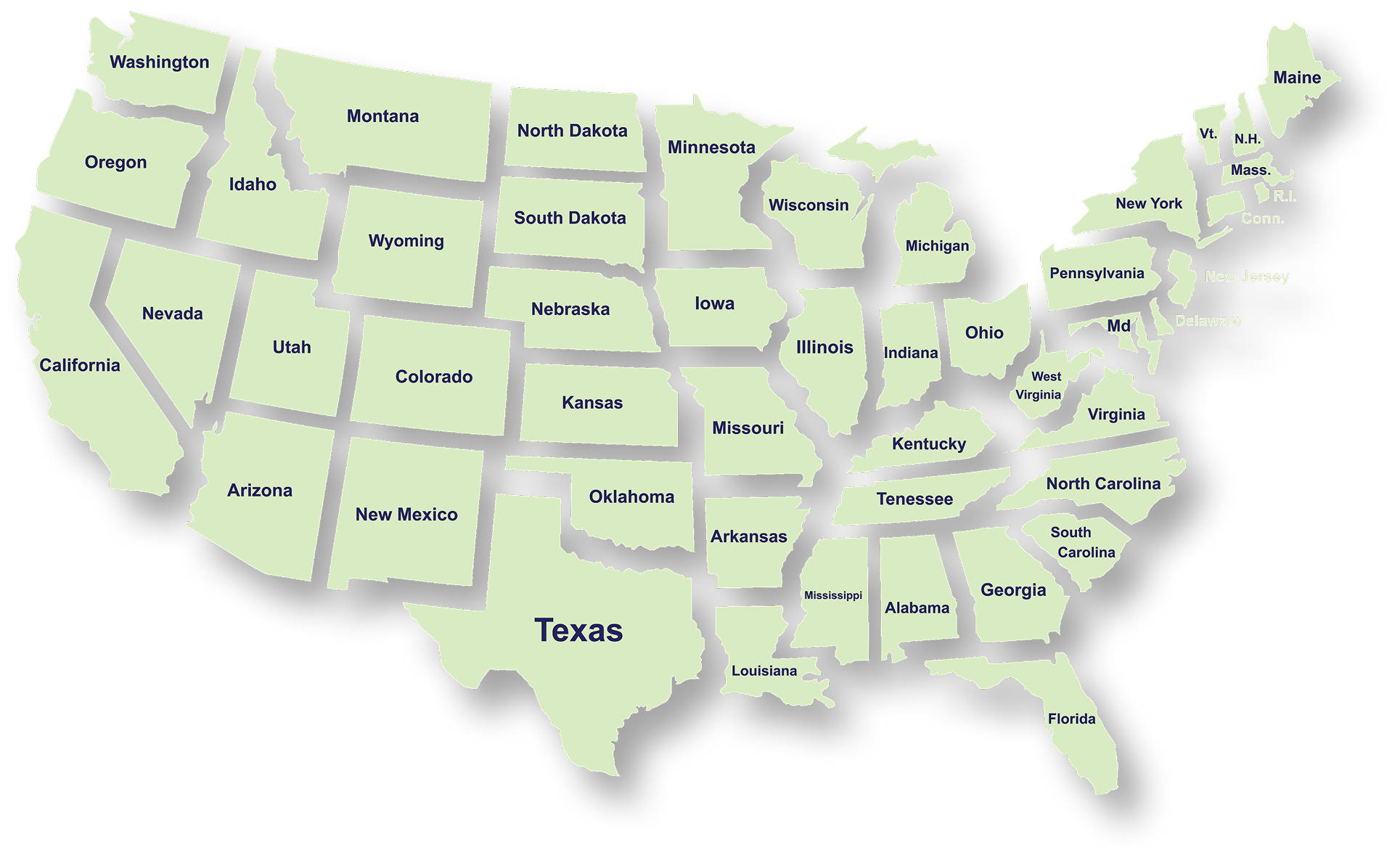
Serving Businesses & Individuals Across USA

We handle accounting, tax filing, and planning with defined timelines and accurate reporting for businesses and individuals across all states.

Frequently Asked Questions

What services does NR CPAs & Business Advisors provide?
What is tax planning and why is it important for businesses?
How can a Virtual CFO help my business?
When should a business consider IRS tax resolution services?
What financial statements does a business typically need?
How can startup advisory services help new businesses?
What is strategic business planning?
What is a Virtual Family Office and who can benefit from it?