Learning Center for Tax and Financial Insights

Stay updated with clear, actionable articles on tax rules, deadlines, deductions, and financial decisions that impact individuals and businesses.

No items found.

October 2024 Business Due Dates

October 15 - CorporationsFile a 2023 calendar year income tax return (Form 1120) and pay any tax, interest, and penalties due. This due date applies only if you timely requested an automatic 6-month extension by April 18.October 15 - Last Day to Establish a Keogh Account for 2023If you received an automatic 6-month extension of time to file your 2023 tax return and are self-employed, October 15, 2024, is the last day to establish a Keogh Retirement Account if you plan to make a contribution for 2023.October 15 - Social Security, Medicare and withheld income taxIf the monthly deposit rule applies, deposit the tax for payments in September.October 15 - Nonpayroll WithholdingIf the monthly deposit rule applies, deposit the tax for payments in September.October 31 - Social Security, Medicare and Withheld Income Tax File Form 941 for the third quarter of 2024. Deposit or pay any undeposited tax under the accuracy of deposit rules. If your tax liability is less than $2,500, you can pay it in full with a timely filed return. If you deposited the tax for the quarter in full and on time, you have until November 12 to file the return.October 31 - Certain Small EmployersDeposit any undeposited tax if your tax liability is $2,500 or more for 2024 but less than $2,500 for the third quarter.October 31 - Federal Unemployment TaxDeposit the tax owed through September if more than $500.Weekends & Holidays:

Explore More
No items found.

Video Tips: The October 15 Due Date Is Coming

The October 15 tax deadline is fast approaching, marking the final opportunity for those who filed for an extension to submit their 2023 tax returns. Don't risk penalties and interest by missing this crucial date. Contact our office today to make an appointment and ensure your taxes are filed accurately and on time.

Explore More
No items found.

Discover How Offers in Compromise Can Transform Your Financial Future

Article Highlights:About Offers in CompromiseApplication of Up-Front PaymentsApplication FeeLow-Income TaxpayersOIC ConceptsDoubt as to LiabilityDoubt as to CollectabilityPromotion of Effective Tax AdministrationOIC QualificationsPre-Qualifier TestSubmission ProceduresForms 433-A and 433-BBarriers to Offer ProcessabilityOffers Withdrawn or Determined Non-ProcessableRejected OffersAccepted OffersGuidelines for IRS Financial Analysis of a Taxpayer’s OfferAn Offer in Compromise (OIC) is a program offered by the Internal Revenue Service (IRS) that allows taxpayers to settle their tax debts for less than the full amount owed. This program is particularly beneficial for financially distressed taxpayers who are unable to pay their tax liabilities in full. However, the IRS will not accept an offer if the taxpayer can pay their tax debt in full over time through an installment agreement. The OIC program has undergone several changes over the years, most notably as the result of the IRS's former "Fresh Start" initiative, which made the terms more flexible and accessible. This article delves into the various aspects of the OIC program, including application fees, up-front payments, low-income taxpayer offers, lump-sum offers, periodic payment offers, and the different concepts and qualifications involved.Application of Up-Front Payments - When submitting an OIC, taxpayers are required to make a non-refundable, up-front payment. This payment is necessary while the IRS considers the merits of the offer. However, the initial payment and monthly payments are not required for individuals meeting Low Income Certification guidelines. According to the instructions in the OIC booklet, Form 656-B (April 2024), the payment options are:Lump-Sum Offers: A lump-sum offer requires the taxpayer to pay 20% of the offer amount upfront, with the remaining balance to be paid in five or fewer installments within five months of the offer's acceptance. This type of offer is suitable for taxpayers who can gather a significant portion of the settlement amount quickly.Periodic Payment Offers: Periodic payment offers allow taxpayers to spread out their payments over a longer period, ranging from 6 to 24 months. The first payment must be made with the offer, and subsequent payments must follow the proposed terms. This option is ideal for taxpayers who cannot afford a lump-sum payment but can manage smaller, periodic payments.These up-front payments are considered payments of tax and are not refundable. If the offer is rejected, the up-front payments will be applied to the taxpayer’s liability.Application Fee - Submitting an OIC requires a $205 application fee. However, there is an exception:Low-Income Taxpayers: If the applicant is an individual or is operating as a sole proprietorship and their household gross income meets the low-income guidelines, the application fee is waived. For the most recent year, a low-income taxpayer was an individual with an Adjusted Gross Income (AGI) that doesn’t exceed 250% of the applicable poverty level. This provision is built into the Low-Income Certification chart in Form 656.OIC Concepts – An offer is predicated on one of three concepts:Doubt as to Liability - This concept applies when there is a genuine dispute about the existence or amount of the tax debt. Taxpayers who believe they do not owe the tax or that the amount is incorrect can submit an OIC based on doubt as to liability. Form 656-L is used for this purpose, and it must include a detailed description of why the taxpayer believes the liability is incorrect.Doubt as to Collectability - This concept applies when the taxpayer’s assets and income are insufficient to pay the full tax liability. The IRS evaluates the taxpayer’s reasonable collection potential, considering their income, assets, and allowable living expenses. If the IRS determines that the taxpayer cannot pay the full amount, they may accept an offer based on doubt as to collectability.Promotion of Effective Tax Administration - This concept applies when collecting the full tax liability would create economic hardship or would be unfair and inequitable. Even if the taxpayer can pay the full amount, the IRS may accept an offer if it promotes effective tax administration. This category is less common and requires a compelling reason for acceptance.

Explore More
No items found.

Revealing Financial Rewards: The Ultimate Guide to Tax Benefits for Childcare Providers

Article Highlights: Understanding Business Deductions o Meal Deductions o Simplified Meal Deduction Method o Deducting the Business Use of Home o Deducting Toys, Supplies, and Other Expenses Additional Considerations o Retirement Plans o Local Business Tax o State Licensing o Liability Insurance Childcare providers play a crucial role in supporting families and the economy by offering essential services that allow parents to work or pursue education. However, operating a childcare business, whether in a commercial facility or out of one's home, involves navigating a complex landscape of tax rules and regulations. This article delves into the intricacies of tax deductions and issues related to meals, home use, toys, supplies, licensing, retirement, liability and other relevant topics for childcare providers. Understanding Business Deductions - For childcare providers, understanding what expenses can be deducted when figuring their taxes is vital for financial sustainability and compliance. The IRS allows several deductions that can significantly reduce taxable income for childcare operators. These deductions include expenses directly related to the care and education of children, as well as indirect costs associated with running the business. Meal Deductions: One of the unique aspects of running a childcare business is the need to provide meals and snacks to the children being cared for. The IRS recognizes this necessity and allows childcare providers to deduct the cost of meals served to the children. Providers have two options for claiming this deduction: Using the actual cost of the meals, or Opting for a simplified method based on standard rates determined annually by the IRS. Simplified Meal Deduction Method: The simplified method does not require detailed records of food purchases but instead uses a standard meal and snack rate to calculate the deduction. This rate varies by location, acknowledging the higher cost of living in places like Alaska and Hawaii. It's important to note that while this method simplifies record-keeping, providers who choose it cannot deduct the actual cost of meals if it exceeds the standard rate. Additionally, meals for the provider's own family are not deductible. One cannot switch between the actual and simplified methods during a year but can from one year to another. The standard meal and snack rates include beverages but not utensils, paper products or storage containers (the cost of which can be separately deducted) may be used for a maximum of one breakfast, one lunch, one dinner, and three snacks per eligible child per day. SIMPLIFIED MEAL DEDUCTION RATES Year State/Territories Breakfast Lunch Dinner Snack 2023 Contiguous States Alaska Hawaii** $1.66 $2.59 $1.91 $3.04 $4.87 $3.55 $3.04 $4.87 $3.55 $.0.97 $1.52 $1.12 2024 Contiguous States Alaska Hawaii** $1.65 $2.63 $2.12 $3.12 $5.05 $4.05 $3.12 $5.05 $4.05 $.093 $1.50 $1.20 *Applicable rates are the Child and Adult Care Food Program reimbursement rates in effect on December 31 of the prior year. **Includes Guam, Puerto Rico, & Virgin Islands Deducting Actual Meal Costs: Childcare providers who don’t use the simplified rates will need to keep scrupulous records of the costs associated with providing the meals. For example, retaining grocery store receipts for at least three years and identifying purchases that aren’t 100% for the children under care. In fact, it would be prudent to not commingle personal food purchases with those for the childcare activity. Deducting the Business Use of Home: Many childcare providers operate out of their homes, creating a unique situation for tax deductions. The IRS allows providers to deduct expenses for the business use of their home, but specific criteria must be met. The space used for childcare must be used regularly for the business, and it must be the principal place of the business. The deduction is limited to the net income of the business. The general rules for deducting home expenses requires that the home be used regularly and exclusively for the business activity. An exception to the exclusive-use requirement applies for a childcare provider only if the taxpayer has applied for, has been granted, or is exempt from having a license, certification, registration, or approval as a daycare center under applicable state law and has not had such an application rejected or license revoked. Calculating the deduction involves determining the percentage of the home used and the number of hours for childcare and applying that percentage to various home expenses, such as mortgage interest, property taxes, insurance, utilities, and repairs. Added to these expenses is a deduction for depreciation of the business-use portion of the home. The IRS also offers a simplified option for this deduction: a standard rate of $5 per square foot of the space used for the business with an annual maximum of $1,500, which is generally not appropriate for childcare providers.

Explore More
No items found.

Video Tips: Are Hobby Losses Tax Deductible?

The distinction between a hobby and a business can significantly impact your tax obligations. The IRS has hobby loss rules to determine whether an activity is a hobby or a business. If classified as a hobby, the income generated is taxable, but the expenses incurred are not deductible.

Explore More
No items found.

Snails in Skyscrapers and Toy Pandas: The Strangest Tax Avoidance Schemes in History

Tax avoidance is a tale as old as, well, taxes themselves, with individuals and companies constantly seeking creative (and often strange) ways to reduce their liabilities. While most of us rely on accountants to help find wholly legal deductions, some schemes venture into truly bizarre territory, exploiting obscure loopholes in tax laws. From snail farms being stored in skyscrapers to toy pandas “occupying” empty office spaces, these tax avoidance schemes have pushed the boundaries of legality and ingenuity. Let’s dive into some of the weirdest tax avoidance schemes in history, each more surprising than the last.1. The Snail Farm "Agriculture" ExemptionThe 2024 case of a snail farm in a Liverpool office building is one of the more outlandish recent attempts to claim a business rates exemption. The idea behind this scheme is that agricultural use of land or buildings can make the property exempt from local taxes. In this particular situation, 15 crates of snails — with as few as two snails each — were housed in an office, with the operators claiming this qualified as agricultural use. The High Court previously ruled a similar operation as a “sham” when the same landlord attempted to claim the exemption through a supposed snail farm. 2. "Potato Price Support" Scheme In the 1970s, the New York Times reported that some American farmers found a legal tax loophole by participating in government programs that paid them not to grow certain crops, such as potatoes. By agreeing to restrict production, farmers could still receive compensation from the government, which could be classified as income eligible for certain tax benefits. This strange crossroads of agricultural policy and tax law allowed some farmers to gain financial benefits simply by not growing food, an incredibly creative avoidance tactic.3. The "Toy Panda" SchemeIn the UK, some businesses have tried to avoid business rates by filling empty properties with toy pandas. The rationale? These properties were no longer empty and thus wouldn’t be subject to the vacant property tax. In a strange twist, landlords would "lease" space to companies that filled the buildings with toys — pandas or otherwise — and claim these were legitimate operations. In some cases, the courts ruled against these schemes, labeling them as blatant tax avoidance, but it didn’t stop certain business owners from trying.4. "Offshore Livestock"In the late 20th century, this tax scheme involved registering herds of cattle offshore in tax havens like the Isle of Man or the Channel Islands. By registering livestock offshore, investors could avoid capital gains tax and inheritance tax in the UK. The livestock was technically owned by an offshore company, not the individual, allowing significant tax savings in some situations. This method was eventually targeted by His Majesty’s Revenue & Customs (HMRC) and closed it down, but for a time, the loophole allowed taxpayers to hide wealth in the form of living assets.

Explore More
No results found.
Thank you! Your submission has been received!
Oops! Something went wrong while submitting the form.

Want tax & accounting tips & insights?Sign up for our newsletter.

Thank you! Your submission has been received!
Oops! Something went wrong while submitting the form.

Why Work With Us?

We combine deep tax expertise, financial strategy, and practical business insight to help you manage complexity, stay compliant, and make confident financial decisions.
A dollar sign, representing financial advice or discussion at NR CPAs & Business Advisors.

Experienced CPA and Enrolled Agent Leadership

Guidance led by licensed professionals with deep expertise in tax strategy, compliance, and complex financial matters.
White bar chart with an upward arrow on green circular background representing growth or progress at NR CPAs &. Business Advisors

Support for Growing Businesses and Startups

We understand the financial challenges of growth stage businesses and provide structured guidance to support expansion.
A white hand holding a dollar symbol and ascending bar chart on a green circular background representing financial growth or investment at NR CPAs & Business Advisors..

Strategic Financial Advisory

Our team helps you evaluate financial decisions with greater clarity, supported by practical insights and long term planning.

Fractional CFO Support

Access experienced financial leadership without the commitment and cost of hiring a full time Chief Financial Officer.

Proactive Tax Planning Approach

We focus on identifying tax opportunities throughout the year rather than reacting only during filing season.

Clear and Reliable Financial Reporting

Accurate financial statements and reporting that help you better understand performance and make informed decisions.
White IRS building icon with pillars and a dollar sign above on a green circular background.

Professional IRS Representation

Experienced support in resolving IRS notices, disputes, and compliance matters while protecting your financial interests.

Personalized Client Focus

Every client receives thoughtful attention and tailored financial solutions based on their specific needs and business goals.
Financial matters often involve important decisions. Working with experienced advisors can help you approach them with greater clarity and confidence in your choices.

Need Help With Your Tax or Financial Decisions?

Discuss your situation with our advisors to get clear guidance on tax planning, IRS matters, and the financial decisions ahead.
Business consulting at NR CPAs & Business Advisors.

Request Your Consultation

Fill out the form to discuss your tax concerns, financial questions, or advisory needs with our team. We will review your details and respond shortly.

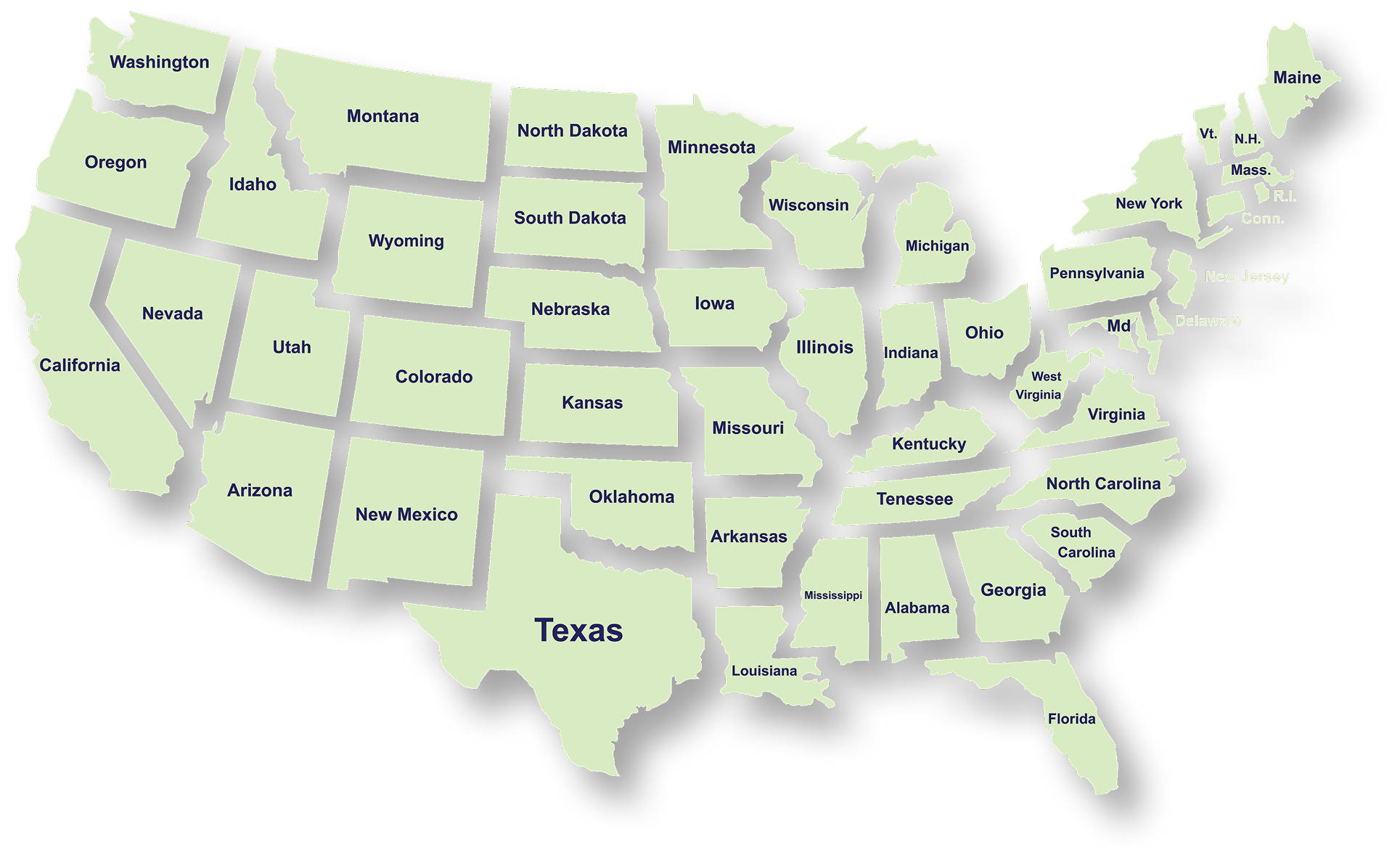
Serving Businesses & Individuals Across USA

We handle accounting, tax filing, and planning with defined timelines and accurate reporting for businesses and individuals across all states.

Frequently Asked Questions

What services does NR CPAs & Business Advisors provide?
What is tax planning and why is it important for businesses?
How can a Virtual CFO help my business?
When should a business consider IRS tax resolution services?
What financial statements does a business typically need?
How can startup advisory services help new businesses?
What is strategic business planning?
What is a Virtual Family Office and who can benefit from it?