Learning Center for Tax and Financial Insights

Stay updated with clear, actionable articles on tax rules, deadlines, deductions, and financial decisions that impact individuals and businesses.

No items found.

Succession Planning for Baby Boomer Business Owners: Ensuring a Smooth Transition

As Baby Boomer business owners approach retirement, planning for the future of their businesses becomes crucial. Succession planning is not just about finding a successor; it's about ensuring the continuity and success of the business you’ve built. Here’s how you can prepare for a seamless transition.Start Succession Planning EarlyInitiating the succession planning process early is vital. It allows you to make informed decisions and prepare your business for a smooth transition. According to a Forrester study, younger generations now make up 64% of small business buyers globally, indicating a strong interest in acquiring established businesses.Explore Your Succession OptionsFamily Succession: Consider passing the business to a family member. This option requires careful planning to ensure the successor is ready to lead and manage the business effectively.Selling the Business: Selling to an external party can provide financial security for retirement. This option allows new leadership to bring fresh ideas and drive growth.Employee Buyouts: Allowing employees to buy the business can foster continuity and loyalty. Structuring a buyout plan that aligns with employees' financial capabilities is essential.Evaluate and Prepare Your Business

Explore More
No items found.

Navigating the Corporate Transparency Act: Essential Insights and Compliance Reminder for SMBs

As the deadline for compliance with the Corporate Transparency Act (CTA) approaches, small and medium-sized businesses (SMBs) must remain vigilant. This legislative milestone, aimed at enhancing corporate transparency, requires businesses to disclose beneficial ownership information to combat illicit activities like money laundering and tax evasion. With the latest insights and reminders, it's crucial for SMBs to understand their obligations and prepare accordingly.The Corporate Transparency Act: A Quick RecapThe CTA mandates that certain businesses report beneficial ownership information to the Financial Crimes Enforcement Network (FinCEN). This requirement is designed to increase transparency and accountability by identifying individuals who own or control companies.Who Needs to Comply?The CTA applies to a broad spectrum of entities, including corporations, limited liability companies, and other similar entities formed or registered to do business in the United States. While some entities, such as publicly traded companies, banks, and nonprofits, are exempt, many SMBs fall under the CTA's purview and must ensure compliance.A reporting company created or registered to do business before January 1, 2024, will have until January 1, 2025, to file its initial beneficial ownership information report. For companies created or registered on or after January 1, 2024: The deadline to file the initial BOI report is 90 calendar days after the company receives notice of its creation or registration.Key Reporting Requirements and Latest InsightsBeneficial Ownership Disclosure: Businesses must report the identities of all beneficial owners—those who own or control at least 25% of the company or exercise substantial control. This includes providing names, addresses, dates of birth, and identification numbers.Company Applicant Information: The CTA also requires disclosure of the "company applicant," the person who files the formation documents for the business. This ensures transparency from the company's inception.Timely Reporting: New businesses must report beneficial ownership information at formation while existing businesses have a set deadline to comply. Recent insights emphasize the importance of adhering to these timelines to avoid penalties.

Explore More
No items found.

October 15, 2024, Extension: What You Need to Know Now

Article Highlights:The October 15, 2024, Extension DeadlineNo Additional ExtensionsGiving this Office Time to Finish the ReturnLate Filing PenaltiesLate Payment PenaltiesInterest on Unpaid TaxesWhat Happens if the Return Is Not Filed by October 15?Steps to Take if You Cannot File by October 15As the October 15, 2024, tax extension deadline for filing 2023 returns approaches, millions of taxpayers who sought additional time to file their returns are now facing the final countdown. This article aims to provide a comprehensive guide on what this deadline means, the implications of missing it, and the penalties associated with late filing and late payment of unpaid tax. Understanding these aspects can help you avoid unnecessary financial strain and ensure compliance with IRS regulations.The October 15, 2024, Extension Deadline - The IRS allows taxpayers to request an automatic six-month extension to file their tax returns, moving the deadline from April 15 to October 15. This extension is granted by filing IRS Form 4868 by the original April deadline. While this extension provides additional time to complete and submit your tax return, it does not extend the time to pay any taxes owed.No Additional Extensions - It is crucial to understand that the October 15 deadline is final. The IRS does not offer any further extensions beyond this date. If you have not filed your 2023 return by October 15, you will be subject to penalties and interest on any unpaid taxes. Therefore, it is imperative to use this time wisely to gather all necessary documents and complete your return.Giving This Office Time to Finish the Return - If you have enlisted the help of this office to prepare your return, the extension period is an excellent opportunity to ensure that your return is accurate and complete. This office faces a high volume of clients as the deadline approaches. By providing all necessary documents and information as early as possible, you can help avoid the last-minute rush and potential errors.Late Filing Penalties - Failing to file your tax return by the October 15 deadline can result in significant penalties. The IRS imposes a late filing penalty of 5% of the unpaid taxes for each month or part of a month that the return is late, up to a maximum of 25%. For example, if you owe $1,000 in taxes and file your return two months late, you will incur a penalty of $100 (5% of $1,000 for each month).Late Payment Penalties - In addition to the late filing penalty, the IRS also imposes a late payment penalty. This penalty is 0.5% of the unpaid taxes for each month or part of a month that the taxes remain unpaid, up to a maximum of 25%. The late payment penalty starts accruing from the original April 15 deadline, not the October 15 extension deadline. Therefore, even if you file your return by October 15, you will still incur a late payment penalty if you did not pay your taxes by April 15.Interest on Unpaid Taxes - The IRS charges interest on any unpaid taxes from the original due date (April 15) until the date the taxes are paid in full. The interest rate is determined quarterly and is the federal short-term rate plus 3%. For example, for the quarter ending Sept. 30, 2024, the rate is 8%. Interest compounds daily, which means the longer you wait to pay your taxes, the more interest you will accrue.

Explore More
No items found.

The QuickBooks Desktop Phase Out: How QuickBooks Online Will Future-Proof Your Business

As business owners barrel toward the quarter-century mark of the 21st century, so, too, do the tools we use to manage our finances. Recently, Intuit® announced significant changes to its QuickBooks® Desktop offerings, signaling a shift toward more innovative, cloud-based solutions. According to the brand, “After May 31, 2025, your QuickBooks Desktop 2022 software will be discontinued. This includes all 2022 versions of QuickBooks Desktop Pro, QuickBooks Desktop Premier, QuickBooks Desktop for Mac, and QuickBooks Enterprise Solutions v22.”With the impending phase-out of new subscriptions for certain QuickBooks Desktop products, businesses must adapt to avoid interruptions to their day-to-day accounting processes.Transitioning to QuickBooks Online (QBO) is the simplest way to address these changes while simultaneously streamlining some of your workload. With an ever-growing emphasis on flexibility, collaboration, and accessibility in the workplace, QBO is a solution designed for modern business needs. Here’s why making the switch to QuickBooks Online could be the best decision for your business:User-Friendliness QuickBooks Online features a user-friendly interface designed for everyone – even if you’re not tech-savvy, you will quickly catch on to the things you need to do in this accounting software system. In short, its intuitive layout reduces the learning curve, especially for those who are already familiar with QuickBooks Desktop programs. Flexible User Access Unlike QuickBooks Desktop, QBO allows multiple users to access the platform simultaneously without requiring additional licenses. This flexibility allows for seamless collaboration among team members and accountants, whether they are working from an office or remotely, keeping everyone connected and informed.Accessibility from Anywhere One of the main benefits of QuickBooks Online is the ability to access your company’s financial data from any device—whether you’re on a desktop, laptop, tablet, or smartphone, you can see the numbers you need. This means you can manage your business finances anytime, anywhere, whether you’re on a buying trip for your clothing boutique or at the airport on the way to wine-and-dine a key investor for your startup venture.No Software Management Required Transitioning to QBO means you won’t have to deal with local data management, software installations, or compatibility concerns. Intuit handles all updates and maintenance, allowing you to focus your energy on growing your business instead of managing software issues. It’s also easy to train your staff remotely, since everyone can access QBO in the cloud from the comfort of home.Advanced Reporting Features QuickBooks Online offers enhanced reporting capabilities that are not available in Desktop versions of the software. Getting deeper insights into your business’s financial health can help you make critical decisions, like whether or not you should open a second location of your booming restaurant. With customizable reports and dashboards, you can easily track key performance indicators, helping you make more informed strategic decisions and identify growth opportunities.Automation Features QBO’s advanced automation features can significantly streamline your accounting processes. Tasks like invoicing and expense tracking can be automated, reducing the risk of errors and freeing up valuable time for you to focus on more important tasks.What About QuickBooks Desktop Enterprise?It’s worth noting that the latest version of QuickBooks Desktop Enterprise is unaffected by the recent changes. New customers can still purchase QuickBooks Enterprise 24.0 subscriptions after September 30, 2024, and existing customers can renew their subscriptions without issue. For businesses that prefer a desktop solution, QuickBooks Enterprise continues to be a good option, though it remains unknown if Intuit will ever cease to support this software package.

Explore More
No items found.

Emirates' Tax-Free Salary Offer: Too Good to Be True, or the Ultimate Career Perk?

Have you ever dreamed of seeing the world on your employer’s dime? If so, Emirates’ latest hiring spree could be the answer you’ve been looking for.Emirates, the world-renowned airline based in Dubai, is making waves with its latest hiring campaign, particularly targeting Australian candidates. The airline is offering an attractive package for new cabin crew members, including a tax-free salary, free accommodation, and an average starting pay of over $4,000 USD per month.Why the Emirates Offer Stands OutEmirates is currently on what Yahoo! termed a “hiring blitz”, aiming to fill 5,000 flight attendant positions globally. The offer includes a monthly salary of 10,170 Emirati Dirham (AED), roughly equivalent to $4,110. This figure includes both a base salary and additional flying pay. Beyond the salary, the benefits are substantial: free accommodation in Dubai, coverage of household bills like water and electricity, and 30 days of annual leave. Cabin crew members also receive one free return ticket to their home city each year, along with free transport to and from work, life insurance, and comprehensive medical and dental coverage.For many, the opportunity to save a significant portion of their salary while enjoying a vibrant lifestyle in one of the world’s most dynamic cities is a major draw. Alexandra Cosoff, a former Australian makeup artist now working with Emirates, shares her positive experience in a 2023 article that received significant exposure: “The chance to travel the world and live rent-free in Dubai has been a dream come true.”Understanding the Tax BenefitsOne of the standout features of Emirates' offer is the tax-free salary. The United Arab Emirates (UAE) is known for its absence of personal income tax, which means that the full salary earned is take-home pay, providing massive financial benefits for employees.Implications Under U.S. Tax CodeFor U.S. citizens considering employment opportunities with Emirates (or any other Dubai-based company), it is absolutely essential to understand how this arrangement would be treated under the U.S. tax code. The IRS requires U.S. citizens and resident aliens to report their worldwide income, regardless of where they are employed. However, there are provisions that can mitigate the impact of foreign income:Foreign Earned Income Exclusion (FEIE): Under the FEIE, U.S. taxpayers can exclude up to $126,500 (as of 2024) of their foreign-earned income from U.S. taxation if they meet specific requirements. To qualify, the taxpayer must either be a bona fide resident of a foreign country or meet the physical presence test, which requires living in a foreign country for at least 330 days within a 12-month period.Housing Exclusion: In addition to the FEIE, U.S. taxpayers may also qualify for the foreign housing exclusion, which allows them to exclude certain housing costs from their taxable income.To maximize these benefits, U.S. cabin crew members working for Emirates would need to ensure they meet the residency or physical presence requirements to benefit from the FEIE. Keeping detailed records of travel and living arrangements is essential for compliance and tax optimization, as is working with a tax professional who specializes in helping expatriates.

Explore More
No items found.

October 2024 Individual Due Dates

October 10 - Report Tips to EmployerIf you are an employee who works for tips and received more than $20 in tips during September, you are required to report them to your employer on IRS Form 4070 no later than October 10. Your employer is required to withhold FICA taxes and income tax withholding for these tips from your regular wages. If your regular wages are insufficient to cover the FICA and tax withholding, the employer will report the amount of the uncollected withholding in box 8 of your W-2 for the year. You will be required to pay the uncollected withholding when your return for the year is filed.October 15 - Taxpayers with Foreign Financial InterestsIf you received an automatic 6-month extension of time to report your 2023 foreign financial accounts to the Department of the Treasury, this is the due date for Form FinCEN 114. October 15 - IndividualsIf you requested an automatic 6-month extension to file your income tax return for 2023, file Form 1040 and pay any tax, interest, and penalties due.October 15 - SEP IRA & Keogh ContributionsLast day to contribute to a SEP or Keogh retirement plan for calendar year 2023 if tax return is on extension through October 15.Weekends & Holidays:

Explore More
No results found.
Thank you! Your submission has been received!
Oops! Something went wrong while submitting the form.

Want tax & accounting tips & insights?Sign up for our newsletter.

Thank you! Your submission has been received!
Oops! Something went wrong while submitting the form.

Why Work With Us?

We combine deep tax expertise, financial strategy, and practical business insight to help you manage complexity, stay compliant, and make confident financial decisions.
A dollar sign, representing financial advice or discussion at NR CPAs & Business Advisors.

Experienced CPA and Enrolled Agent Leadership

Guidance led by licensed professionals with deep expertise in tax strategy, compliance, and complex financial matters.
White bar chart with an upward arrow on green circular background representing growth or progress at NR CPAs &. Business Advisors

Support for Growing Businesses and Startups

We understand the financial challenges of growth stage businesses and provide structured guidance to support expansion.
A white hand holding a dollar symbol and ascending bar chart on a green circular background representing financial growth or investment at NR CPAs & Business Advisors..

Strategic Financial Advisory

Our team helps you evaluate financial decisions with greater clarity, supported by practical insights and long term planning.

Fractional CFO Support

Access experienced financial leadership without the commitment and cost of hiring a full time Chief Financial Officer.

Proactive Tax Planning Approach

We focus on identifying tax opportunities throughout the year rather than reacting only during filing season.

Clear and Reliable Financial Reporting

Accurate financial statements and reporting that help you better understand performance and make informed decisions.
White IRS building icon with pillars and a dollar sign above on a green circular background.

Professional IRS Representation

Experienced support in resolving IRS notices, disputes, and compliance matters while protecting your financial interests.

Personalized Client Focus

Every client receives thoughtful attention and tailored financial solutions based on their specific needs and business goals.
Financial matters often involve important decisions. Working with experienced advisors can help you approach them with greater clarity and confidence in your choices.

Need Help With Your Tax or Financial Decisions?

Discuss your situation with our advisors to get clear guidance on tax planning, IRS matters, and the financial decisions ahead.
Business consulting at NR CPAs & Business Advisors.

Request Your Consultation

Fill out the form to discuss your tax concerns, financial questions, or advisory needs with our team. We will review your details and respond shortly.

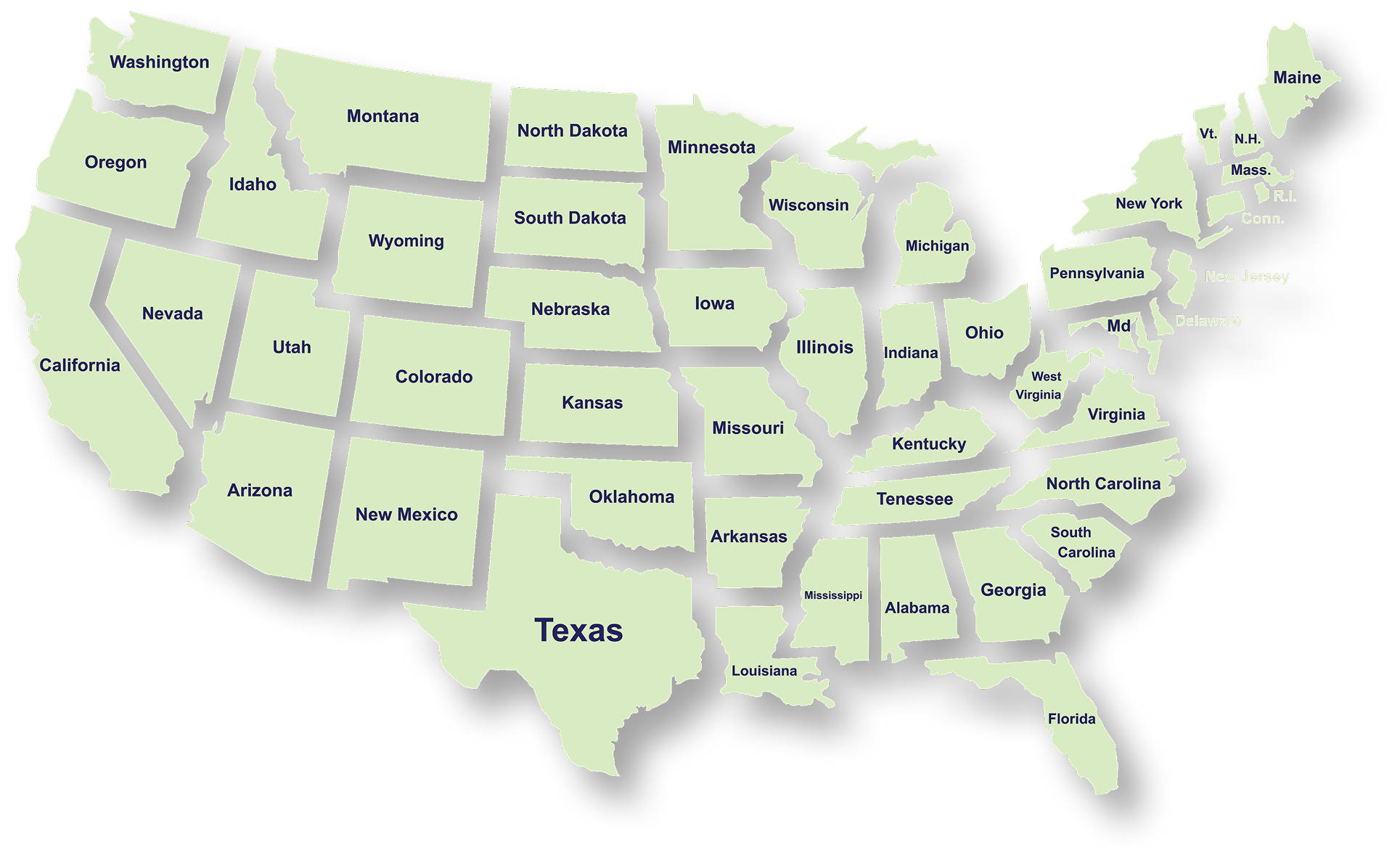
Serving Businesses & Individuals Across USA

We handle accounting, tax filing, and planning with defined timelines and accurate reporting for businesses and individuals across all states.

Frequently Asked Questions

What services does NR CPAs & Business Advisors provide?
What is tax planning and why is it important for businesses?
How can a Virtual CFO help my business?
When should a business consider IRS tax resolution services?
What financial statements does a business typically need?
How can startup advisory services help new businesses?
What is strategic business planning?
What is a Virtual Family Office and who can benefit from it?