Learning Center for Tax and Financial Insights

Stay updated with clear, actionable articles on tax rules, deadlines, deductions, and financial decisions that impact individuals and businesses.

No items found.

Employee or Freelancer Navigating the Complex Landscape of Worker Classification

Article Highlights:The Fundamental DifferencesThe Perils of MisclassificationSection 530 ReliefThe Role of Form SS-8States Impact on ClassificationNavigating MisclassificationIn the evolving landscape of the modern workforce, the distinction between independent contractors and employees has become increasingly significant. This differentiation not only affects the way workers are managed and compensated but also has profound implications for tax obligations and legal rights. Misclassification of employees as independent contractors can lead to serious legal and financial consequences for businesses. Understanding these distinctions, the potential for misclassification, the implications of Section 530 relief, and the role of Form SS-8 is crucial for both employers and workers.The Fundamental Differences - At the core, the distinction between an independent contractor and an employee revolves around the degree of control and independence in the work relationship. Employees typically work under the direction and control of their employers, who dictate how, when, and where their work is to be done. Employers are responsible for providing the necessary tools and training, setting work hours, and directly supervising the activities. Financially, employees are paid a salary or hourly wage, and employers withhold income and other payroll taxes that they transfer to the government, contribute to Social Security and Medicare taxes, and often provide benefits like health insurance, paid leave, and retirement plans.Independent contractors, on the other hand, operate more autonomously. They are business owners or contractors who provide services to others under a contract or agreement. They have the freedom to set their own hours, choose their work methods, and often provide their own tools and equipment. Unlike employees, independent contractors are not subject to tax withholding by the businesses they work for. Instead, they are responsible for paying their own income and self-employment taxes directly to the IRS, as well as arranging and paying for their own health insurance coverage and retirement plans.The Perils of Misclassification - Misclassifying employees as independent contractors can have significant ramifications. For the worker, misclassification can mean the loss of important benefits and protections, such as minimum wage, overtime compensation, unemployment insurance, and workers' compensation. For employers, the consequences can include back taxes, penalties for failing to pay employment taxes and for failing to file required tax forms, and liability for any missing benefits, including interest and penalties.Section 530 Relief - Recognizing the complexity of worker classification and the potential for honest mistakes, the IRS provides a form of relief known as Section 530 relief. This relief, originating from the Revenue Act of 1978, allows businesses to avoid employment tax liabilities for misclassification if they meet certain criteria. To qualify, an employer must have a reasonable basis for treating workers as independent contractors and must have consistently treated similar workers as independent contractors. Additionally, the employer must have filed all federal tax returns consistent with the independent contractor classification. Section 530 relief is not automatic and must be affirmatively claimed by the employer.The Role of Form SS-8 - When there is uncertainty about the correct classification of a worker with respect to federal tax matters, either the business or the worker can file Form SS-8, "Determination of Worker Status for Purposes of Federal Employment Taxes and Income Tax Withholding," with the IRS. This form asks for detailed information about the nature of the work relationship, and the IRS will issue a determination on the worker's status. While this process can provide clarity, it can also be time-consuming, and the IRS's decision is binding, potentially opening the door to back taxes and penalties for the employer if the worker is determined to be an employee. However, the IRS does not issue a determination letter for, among other issues, proposed transactions, hypothetical situations, or cases involving current worker classification litigation.

Explore More
No items found.

Financial and Tax Preparedness for Natural Disasters: A Strategic Guide for SMBs and Individuals

Natural disasters can strike with little warning, leaving a lasting impact on both personal and business finances. Whether it's a hurricane, wildfire, or flood, the financial toll can be substantial. However, by taking a proactive approach, small and medium-sized businesses (SMBs) and individuals can minimize disruptions and recover more efficiently.This guide explores crucial steps to safeguard your financial health, protect your assets, and ensure compliance with tax obligations before and after a disaster. With the right preparation, you can focus on rebuilding while avoiding financial pitfalls.Pre-Disaster Financial and Tax Preparedness1. Comprehensive Insurance CoverageInsurance is your first line of defense when disaster strikes. However, many people don’t realize the gaps in their coverage until it’s too late.Review Your Policies Regularly: Ensure your insurance covers natural disasters specific to your region, such as hurricanes, earthquakes, or floods. Many policies exclude specific disaster types, and supplemental coverage may be necessary.Understand Coverage Limits: Knowing the full scope of your policy—its exclusions, limits, and deductibles—is essential. If your current policy falls short, consider purchasing riders to address potential shortfalls.2. Safeguarding Critical DocumentsVital financial and legal documents must be secure and accessible during emergencies.Secure Physical Storage: Keep tax returns, insurance policies, and key financial records in a waterproof, fireproof safe. This ensures they are intact when needed most.Digital Backups: Create encrypted digital copies of important documents. Store these backups securely in cloud services or external hard drives, ensuring you can retrieve them remotely even if physical records are lost.3. Data and Business Continuity PlanningFor SMBs, data is the backbone of daily operations. Losing this information can severely impact your ability to recover post-disaster.Automated Data Backups: Implement automated, real-time data backups to cloud services. This ensures minimal downtime and protects against data loss.Business Continuity Plan (BCP): Develop a comprehensive BCP to ensure operations can continue during a crisis. Identify essential personnel, critical functions, and outline alternative processes to maintain service delivery during disaster recovery.Post-Disaster Financial and Tax Considerations1. Leveraging Government AssistanceOnce a disaster has been officially declared, federal and state assistance becomes available to those affected.FEMA and SBA Programs: The Federal Emergency Management Agency (FEMA) and Small Business Administration (SBA) provide essential aid, including grants and low-interest disaster recovery loans. These programs offer crucial financial relief to both businesses and individuals.Tax Relief Opportunities: The IRS provides tax filing extensions, casualty loss deductions, and other relief for affected areas. Properly documenting losses and applying for available deductions can significantly reduce your financial burden.

Explore More
No items found.

IRS Highlights New Warning Signs for Businesses Regarding the Employee Retention Credit

In the wake of the COVID-19 pandemic, the Employee Retention Credit (ERC) emerged as a vital financial lifeline for businesses. However, as the IRS intensifies its scrutiny of ERC claims, it has unveiled five new warning signs that businesses must heed to avoid costly mistakes. Understanding these red flags is crucial for maintaining compliance and safeguarding your business from audits, penalties, and interest.The Rise of Incorrect ERC ClaimsThe ERC was designed to support businesses that continued paying employees during pandemic-related shutdowns or significant declines in gross receipts. Unfortunately, aggressive promoters have misled many businesses into claiming this credit without meeting the eligibility criteria. The IRS's recent warning aims to protect businesses from such pitfalls by highlighting common errors.Five New Warning SignsEssential Businesses Claiming ERC: Many essential businesses, that operated fully during the pandemic, were convinced to claim the ERC. However, eligibility often requires a full or partial suspension of operations due to a qualifying government order. Businesses must reassess their claims to ensure compliance.Insufficient Proof of Suspension: Businesses must provide adequate documentation to demonstrate how a government order fully or partially suspended their operations. Without this proof, claims may be deemed ineligible.Family Members’ Wages: Claims involving wages paid to related individuals are often incorrect. Business owners should verify that their claims exclude such wages to avoid inaccuracies.Overlap with PPP Loan Forgiveness: The ERC cannot be claimed on wages already used for Paycheck Protection Program (PPP) loan forgiveness. Businesses should review their filings to prevent this common error.Large Employers’ Service Wages: Large employers can only claim the ERC for wages paid to employees who are not providing services. Claims including wages for active employees are likely incorrect.

Explore More
No items found.

Bronx Restaurant’s Victory Could Reshape Business Tax Rights

A recent New York state appeals court ruling could have significant implications for how businesses across the country handle their tax disputes. The court decided that Dumpling Cove LLC, a restaurant in the Bronx, has the right to challenge how the New York Department of Taxation and Finance allocated its payments for a hefty tax bill. This decision sets a critical legal precedent in tax dispute resolution and might inspire similar challenges and legislative changes in other states.The Case: Dumpling Cove vs. New York Tax AuthoritiesIn the case of Dumpling Cove LLC v. New York Commissioner of Taxation and Finance, the restaurant contested a $506,000 tax bill, which included sales and use tax and interest. The business had previously agreed to the amount owed but disputed how the state agency allocated their payments towards the bill. The New York appeals court ruled that the business had the right to challenge the allocation method, which was posted publicly online by the tax department.Justice L. Michael Mackey’s ruling states that a tax deficiency notice, as posted on the Department of Taxation and Finance’s website, can be contested under state law. This decision not only affects Dumpling Cove but also sets a precedent for how tax disputes can be handled, potentially offering other businesses a new avenue for addressing grievances related to tax bill allocations.Potential Implications for Other StatesThe Dumpling Cove case in New York State could influence how tax disputes are managed across the country. By establishing that businesses have the right to challenge how their payments are allocated by state tax authorities, this landmark decision indicates a shift towards greater transparency and fairness in tax administration, potentially leading other states to reconsider and refine their own tax dispute mechanisms. This case, which is further detailed by Bloomberg Law, might inspire legislative changes and legal reforms, prompting a broader examination of how tax payments are tracked and contested. Over time, the Dumpling Cove case could empower businesses to have a more equitable path for resolving tax-related issues.Increased Scrutiny of Tax Allocation Practices: Business owners nationwide might gain a clearer right to challenge how their tax payments are allocated. This could lead to fairer processes in how tax liabilities are assessed and resolved.Potential Legislative Changes: States outside of New York may consider adopting similar provisions that allow businesses to dispute tax allocation methods. This could prompt legislative reviews and reforms aimed at protecting business owners’ best interests, which would be an especially big win for small to medium-sized businesses.Impact on Taxpayer Rights: This ruling could positively alter taxpayer rights nationwide, leading to more robust protections and dispute resolution mechanisms. This might result in increased legal challenges from businesses seeking to ensure their tax payments are properly allocated.

Explore More
No items found.

Mastering Cash Flow: Strategies for Navigating Seasonal Slowdowns

As the vibrant colors of fall give way to the chill of winter, many businesses brace for the inevitable seasonal slowdown. Whether it's the changing weather or the uncertainty of election cycles, these periods can pose significant challenges to maintaining a healthy cash flow. However, with strategic planning and proactive measures, businesses can navigate these slowdowns with confidence and stability.Understanding Seasonal Cash Flow ChallengesSeasonal slowdowns are a common occurrence for many industries. Retailers may experience a lull after a holiday rush, while service-based businesses might see a dip in demand as customers tighten their belts. Additionally, election cycles can introduce economic uncertainty, impacting consumer spending and business investments. To weather these fluctuations, effective cash flow management is essential.Strategies for Managing Cash FlowForecast and Plan Ahead: Begin by analyzing your cash flow patterns from previous years. Identify peak and slow periods, and use this data to create a realistic cash flow forecast. Planning ahead allows you to allocate resources efficiently and prepare for potential shortfalls.Diversify Revenue Streams: Consider diversifying your offerings to mitigate the impact of seasonal slowdowns. Introducing new products or services that cater to different customer needs can help maintain steady revenue throughout the year.Optimize Inventory Management: Excess inventory ties up valuable cash. Regularly review your inventory levels and adjust orders based on demand forecasts. This approach not only frees up cash but also reduces storage costs.Negotiate Flexible Payment Terms: Work with suppliers to negotiate more favorable payment terms. Extending payment deadlines or securing discounts for early payments can improve your cash flow position.Accelerate Receivables: Encourage prompt payment from customers by offering incentives for early payments or implementing stricter credit terms. Consider using electronic invoicing and payment systems to streamline the process.Control Expenses: Conduct a thorough review of your expenses and identify areas where you can cut costs without compromising quality. This might include renegotiating contracts, reducing discretionary spending, or exploring more cost-effective suppliers.Establish a Contingency Fund: Set aside a portion of your profits during peak seasons to create a cash reserve. This fund can serve as a financial cushion during slow periods, helping you cover essential expenses without resorting to debt.Leverage Technology: Utilize financial management software to gain real-time insights into your cash flow. These tools can help you track expenses, forecast trends, and make informed decisions quickly.

Explore More
No items found.

Making Home Improvements? You May Qualify for a Substantial Tax Credit.

Article Highlights:Credit PercentageSpecific Qualified Items and Per Item Annual LimitsComponents Subject To $1,200 Aggregate Credit LimitComponents Subject To $2,000 Aggregate Credit LimitAnnual Credit Limits, $1,200 vs. $2,000Home Energy AuditsQualifying Homes5-Year RequirementBasis AdjustmentManufacturer’s CertificationQualified Product ID NumberDifferences Between Sec 25C Credit and RebatesInstallation CostsPlanning Modifications to Maximize CreditsThe Internal Revenue Code Section 25C credit, also known as the Energy Efficient Home Improvement Credit, is a valuable tax incentive for homeowners who make qualifying energy-saving improvements to their existing homes. This credit has undergone several modifications since its inception in 2006, with significant changes introduced by the Inflation Reduction Act (IR Act). Don’t confuse this credit with the one for installing home solar systems, which is in Sec 25D of the tax code. This article delves into the details of the Sec 25C credit, including credit percentages, qualified items, annual limits, home energy audits, qualifying homes, basis adjustments, and more.Credit Percentage - For years 2022 through 2032 the credit is 30% of the sum of the amount paid or incurred by the taxpayer for qualified energy efficiency improvements installed during that year in a home used by the taxpayer as their principal residence.Specific Qualified Items and Per Item Annual Limits - The following energy-efficient home improvements are eligible for the Energy Efficient Home Improvement Credit:Components Subject to an Annual $1,200 Aggregate Credit Limit:Windows and Skylights: $600 annual limit.Exterior Doors: $250 per door, up to a total of $500 for all exterior doors.Central Air Conditioners, Natural Gas, Propane, or Oil Water Heaters, and Furnaces: $600Components Subject to an Annual $2,000 Aggregate Credit Limit:Heat Pumps and Biomass Stoves and Boilers.Home Energy Audits - 30% of costs, up to a $150 annual limit.Annual Credit Limits, $1,200 vs. $2,000 - The Sec 25C credit has two primary annual limits:$1,200 Annual Limit: This limit applies to most energy-efficient home improvements, including windows, skylights, exterior doors, and residential energy property expenditures. The $1,200 limit can be increased by up to $150 for a home energy audit, making the maximum potential credit $1,350 in a year when an audit is conducted.$2,000 Annual Limit: This higher limit applies specifically to heat pumps, heat pump water heaters, and biomass stoves and boilers.Home Energy Audits - A home energy audit is an inspection and written report that identifies the most significant and cost-effective energy efficiency improvements for a dwelling unit. The audit must be conducted by a certified home energy auditor. The credit for a home energy audit is 30% of the cost, up to $150. Taxpayers can claim this credit once per year.

Explore More
No results found.
Thank you! Your submission has been received!
Oops! Something went wrong while submitting the form.

Want tax & accounting tips & insights?Sign up for our newsletter.

Thank you! Your submission has been received!
Oops! Something went wrong while submitting the form.

Why Work With Us?

We combine deep tax expertise, financial strategy, and practical business insight to help you manage complexity, stay compliant, and make confident financial decisions.
A dollar sign, representing financial advice or discussion at NR CPAs & Business Advisors.

Experienced CPA and Enrolled Agent Leadership

Guidance led by licensed professionals with deep expertise in tax strategy, compliance, and complex financial matters.
White bar chart with an upward arrow on green circular background representing growth or progress at NR CPAs &. Business Advisors

Support for Growing Businesses and Startups

We understand the financial challenges of growth stage businesses and provide structured guidance to support expansion.
A white hand holding a dollar symbol and ascending bar chart on a green circular background representing financial growth or investment at NR CPAs & Business Advisors..

Strategic Financial Advisory

Our team helps you evaluate financial decisions with greater clarity, supported by practical insights and long term planning.

Fractional CFO Support

Access experienced financial leadership without the commitment and cost of hiring a full time Chief Financial Officer.

Proactive Tax Planning Approach

We focus on identifying tax opportunities throughout the year rather than reacting only during filing season.

Clear and Reliable Financial Reporting

Accurate financial statements and reporting that help you better understand performance and make informed decisions.
White IRS building icon with pillars and a dollar sign above on a green circular background.

Professional IRS Representation

Experienced support in resolving IRS notices, disputes, and compliance matters while protecting your financial interests.

Personalized Client Focus

Every client receives thoughtful attention and tailored financial solutions based on their specific needs and business goals.
Financial matters often involve important decisions. Working with experienced advisors can help you approach them with greater clarity and confidence in your choices.

Need Help With Your Tax or Financial Decisions?

Discuss your situation with our advisors to get clear guidance on tax planning, IRS matters, and the financial decisions ahead.
Business consulting at NR CPAs & Business Advisors.

Request Your Consultation

Fill out the form to discuss your tax concerns, financial questions, or advisory needs with our team. We will review your details and respond shortly.

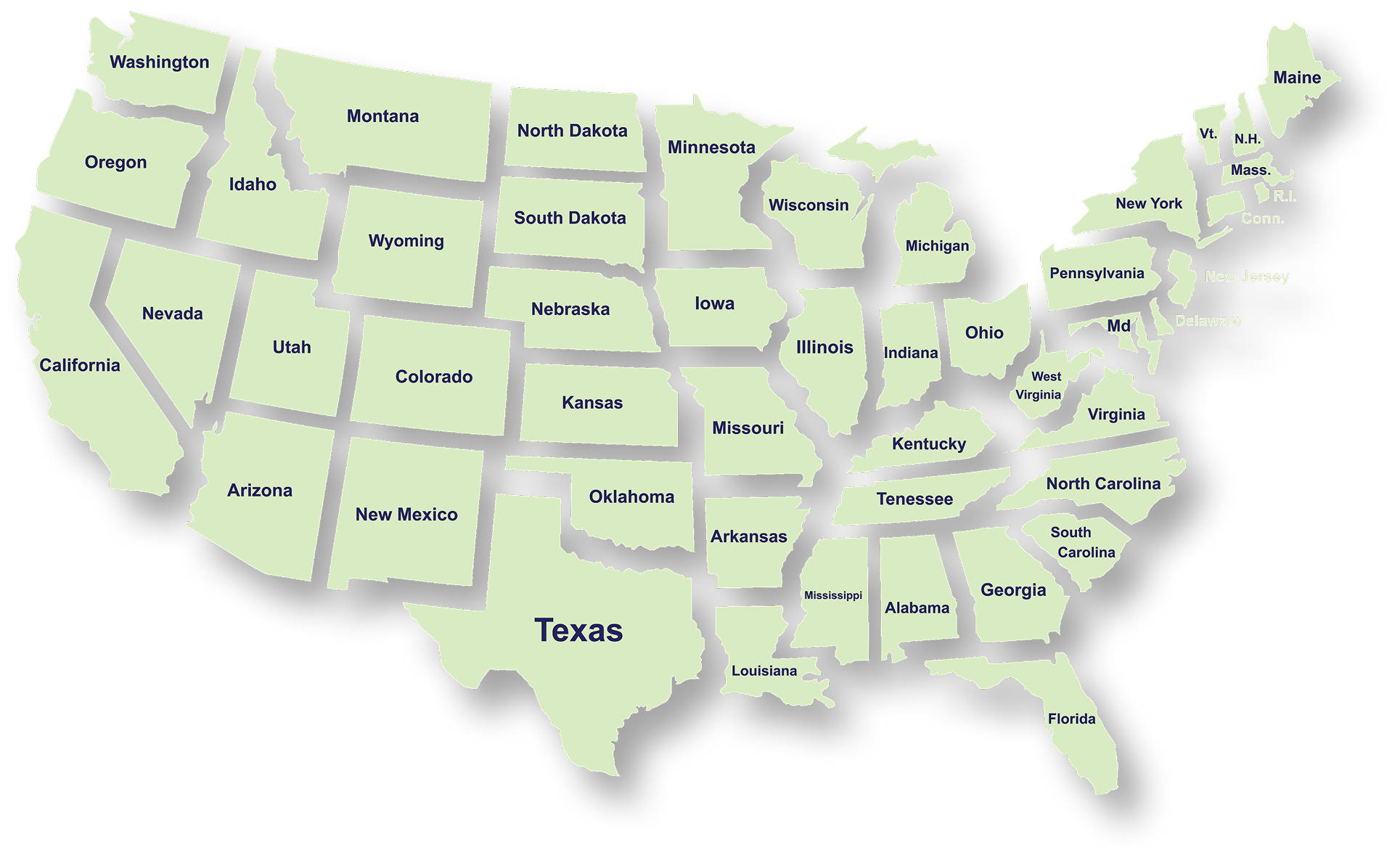
Serving Businesses & Individuals Across USA

We handle accounting, tax filing, and planning with defined timelines and accurate reporting for businesses and individuals across all states.

Frequently Asked Questions

What services does NR CPAs & Business Advisors provide?
What is tax planning and why is it important for businesses?
How can a Virtual CFO help my business?
When should a business consider IRS tax resolution services?
What financial statements does a business typically need?
How can startup advisory services help new businesses?
What is strategic business planning?
What is a Virtual Family Office and who can benefit from it?