Learning Center for Tax and Financial Insights

Stay updated with clear, actionable articles on tax rules, deadlines, deductions, and financial decisions that impact individuals and businesses.

No items found.

Minimize a Surviving Spouse’s Estate Tax: The Benefits of the Portability Election

Article Highlights:United States Estate Tax ReturnPortability ElectionPurpose of the Portability ElectionQualifications for Filing a Portability ElectionSpecial Portability Filing RulesComplications Associated with Preparing Form 706Who Should Make a Portability Election?Example When Portability Election is Not MadeImportance of Signing a Refusal LetterThe Form 706, also known as the United States Estate (and Generation-Skipping Transfer) Tax Return, is a critical document in estate planning and tax management. One of its significant features is the portability election, which allows a surviving spouse to utilize their deceased spouse's unused estate tax exclusion amount. This article delves into the intricacies of the 706 portability election, including its purpose, qualifications, special filing rules, complications, and the importance of making an informed decision.Form 706 is used to report the value of a decedent's estate and calculate the federal estate tax due. It is also used to compute the generation-skipping transfer (GST) tax. The form must be filed if the gross estate, plus adjusted taxable gifts and specific exemptions, exceeds the lifetime estate tax exclusion amount. For deaths in 2024, this exclusion amount is $13.610 million. The top tax rate is 40%. Form 706 is generally due no later than nine months from the decedent’s date of death, with a 6-month extension of time available, if applied for.Purpose of the Portability Election: The portability election allows a surviving spouse to apply the deceased spouse's unused exclusion (DSUE) amount to their own transfers during life (i.e., gifts in excess of the annual gift tax exclusion amount to other individuals) or at death. This provision, introduced by the Tax Relief, Unemployment Insurance Reauthorization, and Job Creation Act of 2010, aims to simplify estate planning for married couples and ensure that the estate tax exclusion is fully utilized.Qualifications for Filing a Portability Election: To qualify for the portability election, the following conditions must be met:Decedent's Date of Death: The decedent must have died after December 31, 2010.Surviving Spouse: The decedent must have a surviving spouse.Citizenship or Residency: The decedent must have been a U.S. citizen or resident at the time of death.Estate Tax Return Requirement: The estate must not be required to file an estate tax return based on the value of the gross estate and adjusted taxable gifts, without regard to the need to file for portability purposes.Special Portability Filing Rules: Special filing rules, referred to as the “simplified method” provide a means for obtaining an extension of time to file Form 706 beyond the normal filing deadline only to make a portability election. Under the current version of this simplified procedure, a complete and properly prepared Form 706 must be filed on or before the fifth anniversary of the decedent's death. Before this special rule became effective, when no 706 had been filed and the filing deadline had passed, a request had to be submitted to the IRS for a private letter ruling granting additional time to file the 706 so that the portability election could be made. The IRS charged a significant fee to process the request. Under the simplified method, no user fee is required.

Explore More
For Business

Miami’s Leading CPAs: A Comprehensive List

Why Miami Is A Hub For Leading CPAsCPA Miami is a term synonymous with expertise in accounting services, financial consulting, and tax advisory. When you search for “CPA Miami,” you likely need top-notch, trustworthy financial solutions quickly. Here’s what you need to know:Comprehensive Accounting Services: From bookkeeping to meticulous financial statement preparation, Miami’s CPAs offer a full suite of accounting services designed to keep your finances in check.Advanced Tax Advisory: Whether dealing with international tax compliance, state-specific regulations, or the latest tax credits, Miami CPAs have the specialized knowledge to minimize your tax burden.Strategic Financial Consulting: Receive expert advice on financial planning, growth strategies, and investment opportunities custom to your unique business needs.I’m Nischay Rawal, founder of NR CPAs & Business Advisors. With over 10 years of experience providing tailor-made accounting and consulting services, I’ve helped countless clients steer the complex financial landscape of Miami. Let’s dig deeper into what makes Miami’s CPAs stand out.Quick look at cpa miami:accountants in miami fltax preparation in miami floridacorporate tax accounting miamiFinding the right CPA Miami can make a significant difference in managing your financial health. Here are some of the top firms that have built a reputation for excellence in Miami:NR CPAs & Business AdvisorsNR CPAs & Business Advisors is a premier CPA firm in Miami, known for its comprehensive range of services including tax planning, financial statement preparation, and business consulting. Their team of experienced professionals is dedicated to providing personalized service to meet the unique needs of each client.Their commitment to integrity and excellence has made them the go-to firm for many of Miami’s leading businesses and high-net-worth individuals.Next, we’ll explore the specialized CPA services available in Miami and how they can benefit your business.Specialized CPA Services In MiamiMiami’s vibrant business environment demands specialized CPA services to ensure compliance, optimize savings, and provide strategic financial advice. Let’s break down some of the key services offered by top CPA Miami firms.Tax ConsultingTax consulting is crucial for both individuals and businesses. Expert CPAs help you steer complex tax laws to minimize liabilities and maximize savings. Services include:Tax Planning: Personalized strategies to optimize your tax situation.Tax Compliance: Ensuring adherence to local, state, and federal tax laws.IRS Audit Support: Professional guidance through the audit process.BookkeepingAccurate bookkeeping is the backbone of any successful business. Miami CPA firms offer comprehensive bookkeeping services to keep your financial records in order. Options include:Dedicated Account Managers: Handle all paperwork and monthly reconciliations.Tax-Ready Books: Ensure your books are ready for tax season with 100% accuracy.Outsourced and Virtual Bookkeeping: Manage your financial records digitally and remotely.IRS RepresentationDealing with the IRS can be stressful. Miami CPAs provide IRS representation to help you resolve issues efficiently. Services include:IRS Letter Reviews: Understand the content and implications of IRS communications.Steps for Compliance: Ensure you meet all IRS requirements and avoid penalties.QuickBooks Pro AdvisorsQuickBooks is a popular accounting software, and many Miami CPAs are certified QuickBooks Pro Advisors. They offer:Setup and Training: Get your QuickBooks account set up correctly and learn how to use it effectively.Ongoing Support: Troubleshoot issues and optimize your use of the software.International Tax LawNavigating international tax laws can be daunting. Miami CPAs with expertise in international tax law help you comply with regulations and optimize cross-border transactions. Services include:International Tax Planning: Strategies to minimize global tax liabilities.Compliance: Ensuring adherence to international tax laws and treaties.Estate PlanningEstate planning is essential for preserving wealth and ensuring your wishes are honored. Miami CPAs offer estate planning services to help you manage your assets and plan for the future. Services include:Wealth Transfer Strategies: Efficiently transfer wealth to heirs.Tax Minimization: Strategies to reduce estate and gift taxes.Trust and Will Planning: Ensure your estate plan aligns with your wishes and legal requirements.These specialized services help businesses and individuals in Miami steer the complexities of financial management, ensuring compliance and optimizing financial outcomes.Why Choose A CPA In Miami?Choosing a CPA in Miami can make a big difference in your financial health. Let’s explore why.Experience And ReputationMiami CPAs bring years of experience to the table. For instance, firms like NR CPAs & Business Advisors have long-standing commitments to serving South Florida clients. This experience means they’ve likely encountered situations similar to yours and can handle complex tax issues with ease.Client Reviews: Positive client reviews often reflect a CPA’s reliability and expertise. Many firms have earned their reputation through consistent, quality service.Specialized KnowledgeSpecialization Matters: Whether you’re a small business owner or an individual with complex tax needs, specialized knowledge is crucial. For example, NR CPAs & Business Advisors specializes in challenging financial situations like international taxes and cryptocurrency, ensuring you don’t miss out on little-known regulations.Industry Expertise: Miami CPAs often have experts in specific industries, such as healthcare, real estate, and manufacturing. This specialized knowledge ensures they can provide custom advice and strategies.Personalized ServiceClose Personal Attention: Miami CPAs pride themselves on providing personalized service. Firms like NR CPAs & Business Advisors offer the convenience of traveling to your office for appointments, even during evenings and weekends. They also offer services in both English and Spanish, making it easier for you to communicate your needs.

Explore More
No items found.

Unlock Your Financial Potential; A Guide to Maximizing Deductions for Sole Proprietorships

Article Highlights:Taxes and InterestInsuranceSelf-Employed Health Insurance DeductionSupplies, Tools, and DepreciationBonus Depreciation and Section 179 ExpensingEntertainment, Meals, and TravelVehicle UseHome OfficePension PlansPension Start-Up CreditResearch CreditSection 199A deduction Start-Up Expenses for New BusinessesSelf-Employment Tax DeductionAs a sole proprietor, understanding and leveraging the myriad tax deductions and credits available to you is crucial for minimizing your tax liability and maximizing your business's profitability. The tax landscape is ever evolving, and staying informed about the latest changes and opportunities can significantly impact your financial success. This comprehensive guide will delve into various strategies, from taxes, interest, and insurance to more complex areas like depreciation, Section 179 expensing, and various tax credits, providing detailed examples to help you navigate the complexities of tax planning for 2024.Taxes and Interest - For sole proprietors, the ability to deduct taxes and interest is a fundamental aspect of tax planning. You can deduct various taxes directly attributable to your business operations, including state and local sales taxes on items purchased for business use, real estate taxes on business property, and personal property taxes on business assets.Interest expenses incurred from business loans or credit used exclusively for business purposes are also deductible. For example, if you take out a loan to purchase new equipment for your business, the interest on that loan is fully deductible. (Limitations on deductible interest apply for 2024 if your average annual gross receipts are more than $30 million for the 3 prior tax years. If so, please contact this office for further information.)Insurance - A range of insurance premiums are deductible for sole proprietors, if they are deemed necessary and ordinary for your business operations. This includes health insurance, liability insurance, property insurance, and auto insurance for vehicles used in your business.Self-Employed Health Insurance Deduction - The self-employed health insurance deduction is particularly beneficial, allowing you to deduct 100% of your health, dental, and vision premiums for yourself, your spouse, and dependents. Premiums paid on a qualified long-term care insurance contract are also allowed, but for each person covered, the amount is limited based on the person’s age at the end of 2024, as shown here:§ Age 40 or younger — $470§ Age 41 to 50 — $880§ Age 51 to 60 — $1,760§ Age 61 to 70 — $4,710§ Age 71 or older — $5,880This deduction is taken from your adjusted gross income rather than as an itemized deduction, making it more accessible and beneficial and you don’t need itemize your deductions to claim it. For instance, if your annual health policy premium is $6,000, you can reduce your taxable income by the same amount. However, the amount deductible is limited to the net profit of the self-employment business.Supplies, Tools, and Depreciation - Everyday supplies and tools necessary for your business operations are fully deductible in the year they are purchased. However, for larger assets that have a useful life beyond a single year, such as machinery, equipment, and furniture, you must capitalize and depreciate these assets over their useful lives according to IRS guidelines unless they qualify for Bonus Depreciation or Sec 179 expensing, covered next.Bonus Depreciation and Section 179 Expensing - The benefits of so-called bonus depreciation and Section 179 expensing allow businesses to immediately deduct a larger portion of the purchase price of eligible assets. Bonus depreciation, which allowed 100% deduction for most business assets purchased starting in 2018, is phasing out and for 2024, bonus depreciation is 60% (down from 80% in 2023) for qualified property acquired and placed in service during the year.The portion of the purchase price not deductible as bonus depreciation is deductible using the regular depreciation calculation. For example, if you purchased equipment for your business in January of 2024 that is assigned a 5-year recovery period and cost $5,000, the depreciation deduction would be $3,400 (($5,000 x 60% = $3,000) + ($5,000 - $3,000 = $2,000 x 20% = $400)). If the bonus depreciation didn’t apply, the depreciation deduction would only be $1,000.On the other hand, Section 179 expensing allows you to immediately deduct the full purchase price of qualifying equipment up to a limit of $1,220,000 (subject to inflation adjustments), with a total equipment purchase limit of $3,050,000 before the deduction begins to phase out. So, in the example, electing Section 179 expenses would allow the entire $5,000 purchase cost of the equipment to be deducted.Choosing the method that results in the highest deduction for the year may seem to be the obvious choice, but other factors need to be considered such as the impact on future years’ deductions, whether the asset will continue to be used 100% for business in later years, and other factors.Entertainment, Meals, and Travel - The Tax Cuts and Jobs Act of 2017 made significant changes to the deductibility of entertainment and meals. While entertainment expenses are no longer deductible, business meals remain 50% deductible if they are directly related to or associated with the active conduct of a business. For example, if you spend $200 on a meal with a potential client discussing business, you can deduct $100.Travel expenses for business are fully deductible. This includes airfare, hotel stays, meals (at 50%) and other transportation costs incurred while traveling away from home for business purposes. For example, if you attend a conference in another city, your flight, hotel, meals, and taxi fares are deductible.Vehicle Use - Sole proprietors can deduct vehicle expenses using either the standard mileage rate or actual expenses. For 2024, the standard mileage rate is 67 cents per mile. Alternatively, you can deduct actual expenses, including gas, repairs, insurance, and depreciation. Keeping detailed records is crucial for substantiating these deductions, whichever method you use.Home Office Deduction - To be eligible for the home office deduction, sole proprietors must use a part of their home exclusively and regularly for business activities. This space must be your principal place of business, where you conduct most of your business tasks, or a place where you regularly meet with clients or customers. The IRS emphasizes the importance of the space being used exclusively for business; even minimal personal use can disqualify you from claiming the deduction.There are two ways to calculate the home office deduction: (1) the simplified method and (2) actual expense method. The simplified option allows a deduction of $5 per square foot of your home used for business, up to a maximum of 300 square feet, capping the deduction at $1,500 for the year. The more traditional approach requires calculating the actual expenses of your home office. This includes a proportionate share of mortgage interest, real property taxes, insurance, utilities, repairs, and depreciation. The deduction is based on the percentage of your home's total square footage used for business.Pension Plans - Contributions to retirement plans, such as SEP IRAs or solo 401(k)s, are deductible. These plans allow for significant contributions, reducing taxable income while saving for retirement. For example, in 2024, the contribution limit for a SEP IRA is up to 25% of compensation (20% of the net business profit) or $69,000, whichever is less. If you have employees, your contributions to their retirement plans are deductible from your business income. However, your contributions to your own plan, while deductible from your adjusted gross income, are not an expense of your self-employment business.Employee Payroll - Wages paid to employees, including salaries, bonuses, commissions, and certain fringe benefits, are deductible business expenses. This encompasses all forms of compensation given to an employee for services performed, regardless of how the compensation is measured or paid. In addition. employers can also deduct the costs associated with payroll taxes. These taxes include the employer's share of Social Security and Medicare taxes, federal unemployment taxes (FUTA), and state unemployment taxes.Hiring Your Children – Where they can provide meaning services, hiring your children can be a smart move for both your business and your family. Not only does it provide your children with valuable work experience and instill a strong work ethic, but it also offers significant tax advantages. By employing your children, you can shift income from your higher tax bracket to their lower one, potentially reducing your taxable income and saving on taxes.Accountant and Bookkeeping Fees - Including those related to tax preparation, payroll services, bookkeeping and other financial management activities, are generally deductible expenses for businesses. These costs are considered necessary and ordinary expenses incurred in the operation of a business.It's important for business owners to maintain detailed records of these expenses to substantiate their deductions during tax filing. Consulting with a tax professional can provide further insights into how to maximize these deductions while adhering to the IRS guidelines.Pension Start-Up Credit - Where a small employer does not already have a pension plan, there is a tax credit for the costs of establishing a retirement plan, up to $500 per year per eligible employee for the first three years of the plan, maximum $5,000 per year. This can include setup and administrative costs.Research Credit - The Research and Development (R&D) Tax Credit allows businesses to deduct expenses related to research and development activities. This can include wages, supplies, and contract research expenses. For a sole proprietor developing a new product, the costs associated with design, testing, and prototyping could be eligible for this credit.Section 199A deduction - The Section 199A deduction is a tax break introduced by the Tax Cuts and Jobs Act at the end of 2017. It allows owners of certain types of businesses including sole proprietorships to deduct up to 20% of their business income from their taxes. Let's say you made $100,000 in profit. With the Section 199A deduction, you might be able to reduce the amount of profit you pay income taxes on by 20%, which in this case would be $20,000. So, instead of paying taxes on the full $100,000, you'd pay taxes on $80,000. Figuring out exactly how much you can deduct can get a bit complicated due to the various rules and exceptions.Start-Up Expenses for New Businesses - For new businesses, the IRS allows you to deduct up to $5,000 in start-up costs and $5,000 in organizational expenses in your first year of operation, with the remainder amortizable over 15 years. These expenses can include market research, advertising, legal fees, and certain other costs incurred before you officially open your doors.Self-Employment Tax Deduction – Sole proprietors with more than a minimal amount of profit from their business are required to pay self-employment tax (their contribution to the Social Security and Medicare programs, similar to the payroll taxes of employees). There is a deduction element to this tax. As a self-employed individual you may deduct 50% of your SE tax liability for the tax year. Like the self-employed health insurance deduction, the SE tax deduction is claimed as an above-the-line-deduction in computing adjusted gross income (AGI). You do not need to itemize deductions to claim the deduction.Inflation and Other Adjustments – The various values used in this article are for 2024. Many of the values change from year to year. Many are adjusted for inflation or for other reasons. Some provisions are set to expire after 2025, unless extended by Congress.

Explore More
No items found.

Video Tips: Take Full Advantage of Your Solar System Expansion Tax Credit

Did you know you can claim additional solar tax credits when expanding your existing system? Adding new panels or a battery can qualify you for a 30% tax credit! Watch this video to learn how the Solar System Expansion Tax Credit works and make the most of it before the credit rate drops in 2032.

Explore More
No items found.

Congratulations, You're a Winner! Now Meet Your New Partner

Article Highlights:The Glitz, the GlamourThe Tax Collector Cometh: Understanding the BasicsThe Fair Market Value FiascoStrategies for Minimizing Taxable IncomeThe Art of Reducing Fair Market Value Ah, game shows! The glitz, the glamour, the chance to win fabulous prizes! Who hasn't dreamed of spinning the big wheel on "The Price is Right," answering the million-dollar question on "Who Wants to Be a Millionaire," or surviving the grueling challenges of "Survivor" to claim the grand prize? But behind the confetti and the applause lies a less glamorous reality: Uncle Sam is waiting in the wings, ready to take a share of your winnings. Yes, even that lifetime supply of canned beans you won on "Let's Make a Deal" is subject to taxation. So, how do you navigate the tax minefield of game show winnings with a smile? Let's dive in, with a touch of humor, of course.The Tax Collector Cometh: Understanding the BasicsFirst things first, let's get the basics out of the way. According to the IRS, all game show winnings, whether in cash or non-cash prizes, are considered taxable income. This means that if you win a car, a vacation, or even a year's supply of toilet paper, you must report the fair market value (FMV) of these prizes on your tax return. The FMV is essentially the price at which the property would change hands between a willing buyer and a willing seller, neither being under any compulsion to buy or sell and both having reasonable knowledge of relevant facts. Sounds simple, right? Well, not quite.The Fair Market Value FiascoDetermining the FMV of non-cash prizes can be a bit of a circus. The awarding entity often uses the manufacturer's suggested retail price (MSRP) to determine the value of the prize, which may not reflect its true market value. For instance, that shiny new car you won might be valued at $30,000 by the game show, but you know you could only sell it for $25,000 on Craigslist. The good news is that you can dispute the FMV if you can reasonably establish and document that the actual value is different. So, keep those Craigslist ads handy!Strategies for Minimizing Taxable IncomeNow, let's get to the fun part: strategies for avoiding or minimizing your taxable income. Here are a few tips to help you keep more of your hard-earned (or hard-won) cash.Sell the Prize Immediately: If you win a non-cash prize that you have no use for, consider selling it immediately. This way, you can report the actual sale price as the FMV, which is often lower than the MSRP, and zero out the transaction on your tax return. Just make sure to document the sale thoroughly.Donate the Prize to Charity: If you win something you don't need, like a lifetime supply of canned beans, consider donating it to a charitable organization. Not only will you be doing a good deed, but you may also be able to claim a charitable deduction on your tax return. Just be sure to get a receipt from the charity.Use the Prize for Business Purposes: If you run a business, consider using the prize for business purposes. For example, if you win a new computer, you can use it for your business and potentially claim a depreciation deduction.Contest the FMV: As mentioned earlier, you can dispute the FMV of the prize if you can reasonably establish that it is lower than the value reported by the game show. Gather evidence such as advertisements, appraisals, or sales receipts to support your claim.Plan for the Tax Bill: If you know you're going to be hit with a hefty tax bill when you file your return, plan ahead. Set aside a portion of your winnings to cover the taxes or consider making estimated tax payments throughout the year to avoid penalties and interest. If you are working, you may be able to have your employer increase the tax withheld on your wages for the rest of the year to cover some or all of the extra tax.

Explore More
No items found.

Tax-Free Weekends Guide: September – December 2024

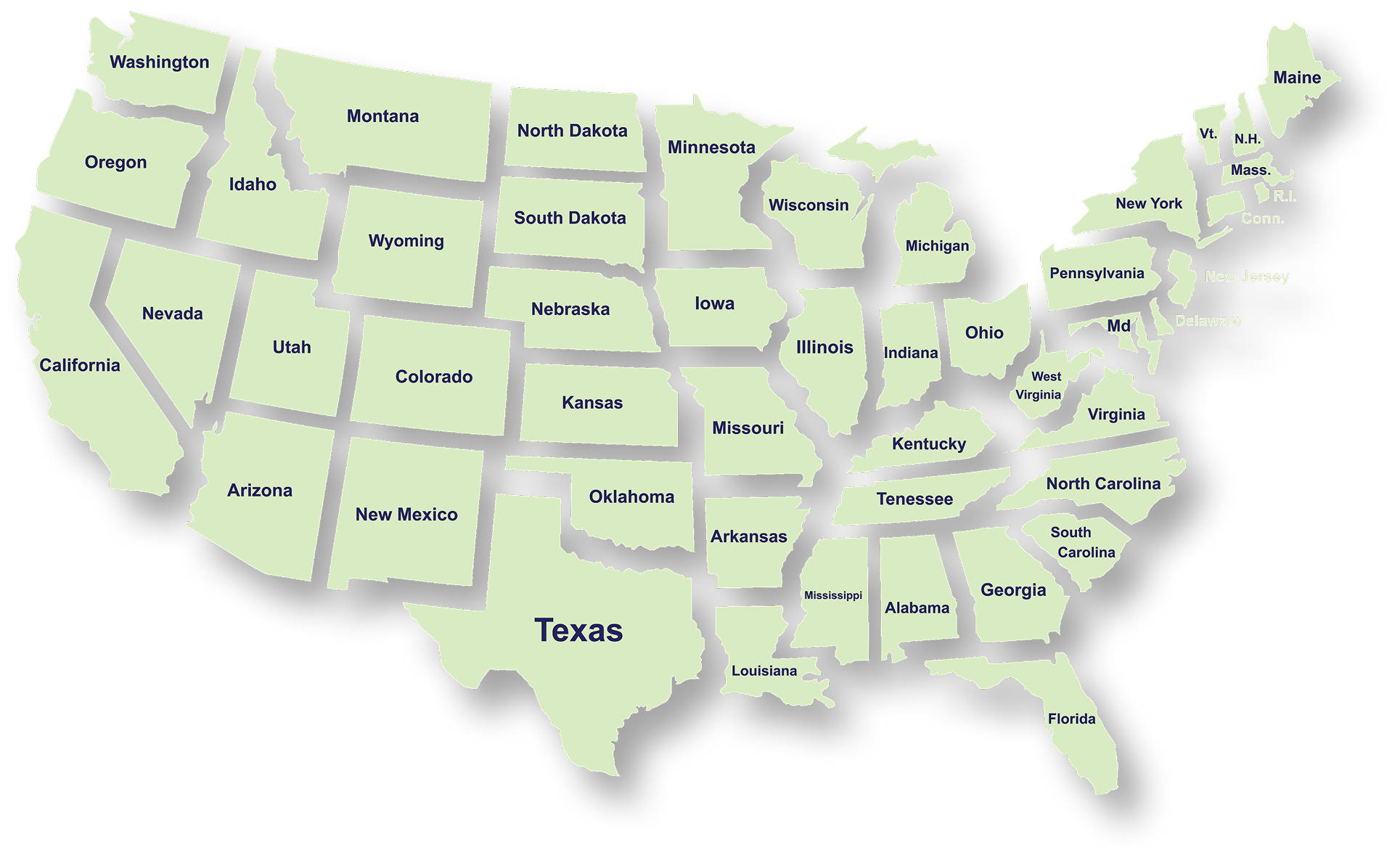
Looking to stretch your dollars further before the end of the year? Tax-free weekends offer a fantastic opportunity to save on essential purchases. From school supplies and clothing to technology and holiday gifts, these special state-sponsored events allow you to shop without the burden of sales tax. Whether you’re gearing up for the school year or preparing for the holidays, this comprehensive guide covers all the tax-free weekends across the U.S. from September through December 2024. Discover when and where you can take advantage of these savings and make the most out of these limited-time offers.1. ColoradoDates: September 14-16, 2024Details: Colorado’s tax-free weekend includes:Clothing: Items priced up to $150 per item are exempt from sales tax. This covers most clothing and footwear, but excludes items such as formalwear and certain accessories.School Supplies: Supplies up to $50 per item are exempt. This includes items like notebooks, pencils, and art supplies. Technology items are generally excluded.Important Notes: The exemption applies to both in-store and online purchases. Certain items, like high-end electronics, are not covered.2. MississippiDates: September 28-29, 2024Details: Mississippi’s tax-free weekend includes:Clothing: Items priced under $100 are tax-free. This covers most clothing and footwear, with exclusions for items like formalwear and jewelry.School Supplies: Supplies priced up to $100 per item, such as backpacks, notebooks, and pens, are exempt. Exclusions may apply to items like graphing calculators and electronics.Important Notes: Exemptions apply to both in-store and online purchases, with some restrictions on specific items.3. ArkansasDates: October 25-27, 2024Details: Arkansas’ tax-free weekend includes:Clothing: Items priced at $100 or less per item are exempt. This includes most clothing and shoes but excludes luxury items and accessories.School Supplies: Supplies under $50 per item are tax-free. This includes items like notebooks, pens, and backpacks. Technology items are generally excluded.Important Notes: The exemption applies to all qualifying in-store purchases, but not all online transactions may be eligible.4. South CarolinaDates: November 1-3, 2024Details: South Carolina’s tax-free weekend covers:

Explore More
No results found.
Thank you! Your submission has been received!
Oops! Something went wrong while submitting the form.

Want tax & accounting tips & insights?Sign up for our newsletter.

Thank you! Your submission has been received!
Oops! Something went wrong while submitting the form.

Why Work With Us?

We combine deep tax expertise, financial strategy, and practical business insight to help you manage complexity, stay compliant, and make confident financial decisions.
A dollar sign, representing financial advice or discussion at NR CPAs & Business Advisors.

Experienced CPA and Enrolled Agent Leadership

Guidance led by licensed professionals with deep expertise in tax strategy, compliance, and complex financial matters.
White bar chart with an upward arrow on green circular background representing growth or progress at NR CPAs &. Business Advisors

Support for Growing Businesses and Startups

We understand the financial challenges of growth stage businesses and provide structured guidance to support expansion.
A white hand holding a dollar symbol and ascending bar chart on a green circular background representing financial growth or investment at NR CPAs & Business Advisors..

Strategic Financial Advisory

Our team helps you evaluate financial decisions with greater clarity, supported by practical insights and long term planning.

Fractional CFO Support

Access experienced financial leadership without the commitment and cost of hiring a full time Chief Financial Officer.

Proactive Tax Planning Approach

We focus on identifying tax opportunities throughout the year rather than reacting only during filing season.

Clear and Reliable Financial Reporting

Accurate financial statements and reporting that help you better understand performance and make informed decisions.
White IRS building icon with pillars and a dollar sign above on a green circular background.

Professional IRS Representation

Experienced support in resolving IRS notices, disputes, and compliance matters while protecting your financial interests.

Personalized Client Focus

Every client receives thoughtful attention and tailored financial solutions based on their specific needs and business goals.
Financial matters often involve important decisions. Working with experienced advisors can help you approach them with greater clarity and confidence in your choices.

Need Help With Your Tax or Financial Decisions?

Discuss your situation with our advisors to get clear guidance on tax planning, IRS matters, and the financial decisions ahead.
Business consulting at NR CPAs & Business Advisors.

Request Your Consultation

Fill out the form to discuss your tax concerns, financial questions, or advisory needs with our team. We will review your details and respond shortly.

Serving Businesses & Individuals Across USA

We handle accounting, tax filing, and planning with defined timelines and accurate reporting for businesses and individuals across all states.

Frequently Asked Questions

What services does NR CPAs & Business Advisors provide?
What is tax planning and why is it important for businesses?
How can a Virtual CFO help my business?
When should a business consider IRS tax resolution services?
What financial statements does a business typically need?
How can startup advisory services help new businesses?
What is strategic business planning?
What is a Virtual Family Office and who can benefit from it?