Learning Center for Tax and Financial Insights

Stay updated with clear, actionable articles on tax rules, deadlines, deductions, and financial decisions that impact individuals and businesses.

No items found.

Unlock the Secrets: How Political Donations Can Impact Your Taxes

Article HighlightsUnderstanding Political DonationsDonating Time and Out of Pocket ExpensesTax Treatment of Political DonationsReporting and Disclosure RequirementsGift Tax IssuesPAC ReportingCharitable Contributions vs. Political DonationsStrategies for Tax-Efficient Political GivingIn the intricate world of tax law, political donations occupy a unique space, blending civic engagement with financial implications. As taxpayers consider supporting their preferred political causes or candidates, understanding the tax aspects of these contributions is crucial. This article delves into the tax treatment of political donations, the distinctions between charitable contributions and political donations, and strategies for tax-efficient political giving.Understanding Political Donations - Political donations can be made to a variety of entities, including political candidates, political parties, political action committees (PACs), and 527 organizations. Each of these entities plays a distinct role in the political landscape, but from a tax perspective, they share a common trait: contributions to them are generally not tax-deductible on federal tax returns.Donating time or effort to a political campaign, political candidate, political action committee (PAC), or any group that seeks to influence legislation, is also not a tax-deductible expense. Also not deductible are out-of-pocket costs you incur assisting these groups.In contrast, if you have out-of-pocket expenses related to volunteering for a qualified nonprofit charitable organization, those expenses are tax-deductible if you itemize your deductions.Tax Treatment of Political Donations - The Internal Revenue Service (IRS) does not allow taxpayers to deduct political donations as charitable contributions. This is because the organizations that receive these donations do not qualify as charitable organizations under Section 501(c)(3) of the Internal Revenue Code. Instead, many political organizations are classified under Section 527, which includes political parties, candidates' campaign organizations, and political action committees.The primary reason for the non-deductibility of political donations is the principle that tax deductions should not subsidize political activity. The tax code is designed to encourage donations to organizations that serve the public good in a non-partisan manner, such as charities, educational institutions, and religious organizations.A few states allow a limited tax credit for political donations.Reporting and Disclosure Requirements - While political donations are not tax-deductible, they are subject to reporting and disclosure requirements. For instance, federal law requires political campaigns and PACs to report the identities of donors who contribute more than a certain threshold amount. This transparency aims to prevent undue influence and ensure the integrity of the political process.

Explore More
No items found.

Lessons from Michael Jackson's IRS Tax Problems

The saga of Michael Jackson's estate and its prolonged battle with the IRS serves as a cautionary tale for anyone dealing with estate planning and tax issues. The King of Pop's estate was embroiled in a dispute over a staggering $700 million in taxes and penalties, highlighting the importance of accurate estate valuation and diligent tax compliance. Here are some key lessons and common issues that can get people in trouble with the IRS, inspired by the Jackson case.1. Accurate Estate Valuation is CrucialOne of the primary issues in the Jackson estate case was the significant discrepancy between the estate's valuation and the IRS's assessment. The IRS claimed that Jackson's estate was undervalued by more than $1 billion. This discrepancy arose from differing opinions on the value of Jackson's image and likeness, as well as his interest in music catalogs.Lesson: Ensure that all assets are accurately and comprehensively valued. This includes not just tangible assets like real estate and personal property, but also intangible assets such as intellectual property and brand value. Hiring qualified appraisers and experts can help in providing a realistic valuation.2. Understand the Tax Implications of Complex AssetsJackson's estate included complicated assets like his image rights and interests in music catalogs, which were difficult to value. The IRS valued Jackson's image at over $434 million, while the estate claimed it was worth just $2,000. Similarly, the IRS valued Jackson's interest in a music catalog at $469 million, whereas the estate claimed it was zero.Lesson: Complex assets require specialized knowledge for accurate valuation. Consult with experts who understand the nuances of these assets and their market value. Misunderstanding or underestimating the value of such assets can lead to significant tax liabilities.3. Timely and Accurate Tax FilingsThe IRS's claim against Jackson's estate included penalties for underpayment, which could have been avoided with timely and accurate tax filings. The estate's executors were accused of undervaluing assets, leading to a massive tax bill.

Explore More
No items found.

Video Tips: Tax-Savvy Charitable Giving with RMDs

Are you 70 ½ or older and taking RMDs from your traditional IRA? Learn how you can save on taxes by making charitable contributions directly from your IRA, which count towards your RMDs and lower your AGI.

Explore More
No items found.

Guarding Your Refund: The Complicated World of Tax-Related Identity Theft

Tax season should be a time to reclaim some of your hard-earned money, not a source of stress and anxiety. Yet, for many taxpayers, tax-related identity theft is a very real threat. Imagine filing your return, only to find out that someone else has already cashed in your refund. This is a harsh reality for countless taxpayers each year. So, how can you protect yourself from this increasingly common crime? We’ve put together a comprehensive guide to help you understand the complicated world of tax-related identity theft and safeguard your financial well-being.Understanding Taxpayer Identity TheftTax-related identity theft occurs when someone uses your stolen personal information, including your Social Security number, to file a fraudulent tax return and claim a refund. The first sign of trouble often comes when you attempt to e-file, only to find that a return has already been filed under your SSN. Alternatively, you might receive an unexpected notice from the IRS about a suspicious return. Remember, the IRS only makes contact via USPS – do not trust phone calls, emails, or other forms of communication claiming to be from an IRS official.Recognizing the Red FlagsStay on guard for these signs that you might be a victim of taxpayer identity theft:An IRS letter about a suspicious return you didn’t file.Inability to e-file because of a duplicate SSN.Unrequested tax transcripts arriving by mail.Notices of an online IRS account created or accessed without your knowledge.IRS notices about additional tax owed or refund offsets for a year you didn’t file.IRS records showing wages from an unfamiliar employer.An Employer Identification Number (EIN) assigned that you didn’t request.Immediate Actions for VictimsIf your personal information is compromised: Continue Filing and Paying Taxes: Do not neglect to pay your taxes owed, even if it means filing a paper return.Complete IRS Form 14039: IRS Form 14039, The Identity Theft Affidavit, should accompany your return.Respond Promptly to IRS Notices: Immediately responding to any IRS notices helps mitigate further issues.Report the Theft: As soon as you realize there’s an issue, use IdentityTheft.gov to file a report and create a personal recovery plan.Place a Fraud Alert: Contact Equifax, Experian, or TransUnion to alert them of potential fraud. This can help reduce the amount of issues you have after your identity is stolen.Close Compromised Accounts: Secure any financial accounts opened by the thieves or compromised when your personal information was stolen. Protecting Your InformationPrevention is key to preventing taxpayer identity theft. Here's how you can shield your data from illicit activity: Secure Personal Documents: Keep tax records and your Social Security card in a safe place. It is also wise to shred old documents before disposing of them.Enhance Online Security: Use multi-factor authentication for tax preparation software. Do not respond to emails or text messages sent from sources you don’t recognize, especially if they ask for financial data.Request an IRS Identity Protection PIN: This six-digit number adds an extra layer of security, making it harder for thieves to file a return in your name. You can request an IP PIN here. What If Someone Uses Your SSN for Work?If someone uses your SSN to earn income, you might receive a notice from the IRS about unreported earnings. In such cases, you should review your Social Security work history. You can access this information by creating an account. If you find errors, contact the Social Security Administration to rectify discrepancies.The Role of the IRS and the Security SummitThe IRS collaborates with state tax agencies and the tax industry through the Security Summit to safeguard taxpayer data. In 2023 alone, the IRS flagged over one million federal tax returns for identity theft, according to a CNBC report. This led to an increase in security measures.

Explore More
No items found.

How Becoming a Real Estate Professional Unlocks Tax Advantages for Landlords

Article Highlights:Qualifications To Be a Real Estate Professionalo More than Half of Personal Services in Real Property Trades or Businesseso Minimum of 750 Hours of ServicesTax Ramifications of Being a Real Estate Professionalo Treatment of Rental Real Estate Activitieso Material Participation and Record-Keepingo Election to Aggregate Rental Real Estate Interestso Closely Held C CorporationsIn the complex world of real estate, understanding the tax implications of your professional status is crucial. The Internal Revenue Code has specific criteria that define a real estate professional, along with distinct tax rules that apply and which the Internal Revenue Service (IRS) is charged with enforcing. This article delves into the qualifications necessary to be recognized as a real estate professional for tax purposes and explores the significant tax ramifications associated with this designation.Qualifications To Be a Real Estate Professional - To be considered a real estate professional by the IRS, an individual must meet two primary qualifications within a tax year: 1. More than Half of Personal Services Must Be in Real Property Trades or Businesses - The first criterion requires that over half of the personal services you perform in any trade or business during the tax year are in real property trades or businesses in which you materially participate. This ensures that most of your professional effort is dedicated to the real estate sector.2. Minimum of 750 Hours of Services - The second qualification stipulates that you must perform more than 750 hours of services during the tax year in real property trades or businesses in which you materially participate. This quantifiable measure ensures a significant time investment in real estate activities. It's important to note that these qualifications apply on an individual basis, meaning that for married taxpayers filing jointly, one spouse must independently meet these criteria without considering the services of the other spouse.Tax Ramifications of Being a Real Estate Professional - Being classified as a real estate professional carries significant tax implications, primarily related to the treatment of rental real estate activities and passive activity loss (PAL) rules. 3. Treatment of Rental Real Estate Activities - Typically, this situation applies to real estate agents or brokers who personally own real property that they rent out. Generally, rental activities are considered passive, and losses from these activities can only be deducted against passive income. However, real estate professionals, as defined for tax purposes, can treat losses from rental real estate activities in which they materially participate as nonpassive. This allows them to deduct these losses against other types of income, such as wages or business income, potentially resulting in substantial tax savings.4. Material Participation and Record-Keeping - To benefit from the nonpassive loss treatment, real estate professionals must demonstrate material participation in their rental real estate activities. This typically involves participating in the activity for more than 500 hours during the tax year. It's crucial for real estate professionals to maintain meticulous records of their participation, including hours worked, to substantiate their claims in case of an IRS audit.

Explore More
No items found.

Free Up Time to Enjoy Summer with QuickBooks Online's Recurring Transactions Feature

Summer is the perfect time to relax and enjoy the warm weather, but accounting tasks can eat into your valuable leisure time. The last thing you need is to spend unnecessary hours on repetitive financial activities for your small business. If you’ve created a record or transaction once, you don’t want to have to enter the information a second or third time. That's where QuickBooks Online comes in, with its powerful recurring transactions feature designed to streamline your accounting processes and free up time for what matters most.Using QuickBooks Online is superior to manual accounting because it “remembers” everything, allowing you to reuse data when needed. However, like all technology, sometimes QBO requires a bit of guidance, especially for recurring transactions. If you have forms that you create repeatedly with minimal changes, like utility bills, for instance, you can tell the software to “memorize” these transactions. When the bill comes around the next month, you can quickly modify any necessary details and dispatch it again. Here’s how it works.Three Options for Recurring TransactionsTo get started, enter a transaction you want to save and reuse (with changes). For example, let's say it's an invoice you send to a customer monthly for a service contract. After completing the form, look toward the bottom of the screen and click "Make recurring." The screen will now read "Recurring Invoice," displaying new options.You can specify transactions as recurring and add details like frequency and start/end dates. If you want to change the template name to something more descriptive, you can easily do so. Under the “Interval” field, select “Daily”, “Weekly”, “Monthly”, or “Yearly”, and indicate the specific day of the month the transaction should occur. Enter a “Start” date and “End” date, or select “None” if the service is open-ended. Next to the template name is a field labeled “Type”. QuickBooks Online gives you three options for handling the recurring transaction:Scheduled: This automated option sends the transaction as scheduled without any intervention from you. Only the date will change. Use this option with caution to ensure all details remain accurate.Reminder: QuickBooks Online sends you a reminder ahead of the scheduled date. You can specify how many days in advance you want to be notified. This allows you to make any necessary changes before sending out the transaction.Unscheduled: QuickBooks Online saves your template but takes no further action until you manually process it.When you’ve completed all the required fields, click "Save template" in the lower left.Using Recurring TransactionsIf you’ve chosen the “Scheduled” option for any transactions, you don’t need to do anything more until you want to change its content or status. To find your list of recurring transactions for those marked as “Reminder” or “Unscheduled”, click the gear icon in the upper right of the QuickBooks Online screen. Under Lists, click "Recurring transactions."The screen that opens displays a table containing all your recurring transactions. You can learn almost everything you need to know about these transactions here: “Template Name”, “Type”, “Transaction Type”, “Interval”, “Previous Date”, “Next Date”, “Customer/Vendor”, and “Amount”.

Explore More
No results found.
Thank you! Your submission has been received!
Oops! Something went wrong while submitting the form.

Want tax & accounting tips & insights?Sign up for our newsletter.

Thank you! Your submission has been received!
Oops! Something went wrong while submitting the form.

Why Work With Us?

We combine deep tax expertise, financial strategy, and practical business insight to help you manage complexity, stay compliant, and make confident financial decisions.
A dollar sign, representing financial advice or discussion at NR CPAs & Business Advisors.

Experienced CPA and Enrolled Agent Leadership

Guidance led by licensed professionals with deep expertise in tax strategy, compliance, and complex financial matters.
White bar chart with an upward arrow on green circular background representing growth or progress at NR CPAs &. Business Advisors

Support for Growing Businesses and Startups

We understand the financial challenges of growth stage businesses and provide structured guidance to support expansion.
A white hand holding a dollar symbol and ascending bar chart on a green circular background representing financial growth or investment at NR CPAs & Business Advisors..

Strategic Financial Advisory

Our team helps you evaluate financial decisions with greater clarity, supported by practical insights and long term planning.

Fractional CFO Support

Access experienced financial leadership without the commitment and cost of hiring a full time Chief Financial Officer.

Proactive Tax Planning Approach

We focus on identifying tax opportunities throughout the year rather than reacting only during filing season.

Clear and Reliable Financial Reporting

Accurate financial statements and reporting that help you better understand performance and make informed decisions.
White IRS building icon with pillars and a dollar sign above on a green circular background.

Professional IRS Representation

Experienced support in resolving IRS notices, disputes, and compliance matters while protecting your financial interests.

Personalized Client Focus

Every client receives thoughtful attention and tailored financial solutions based on their specific needs and business goals.
Financial matters often involve important decisions. Working with experienced advisors can help you approach them with greater clarity and confidence in your choices.

Need Help With Your Tax or Financial Decisions?

Discuss your situation with our advisors to get clear guidance on tax planning, IRS matters, and the financial decisions ahead.
Business consulting at NR CPAs & Business Advisors.

Request Your Consultation

Fill out the form to discuss your tax concerns, financial questions, or advisory needs with our team. We will review your details and respond shortly.

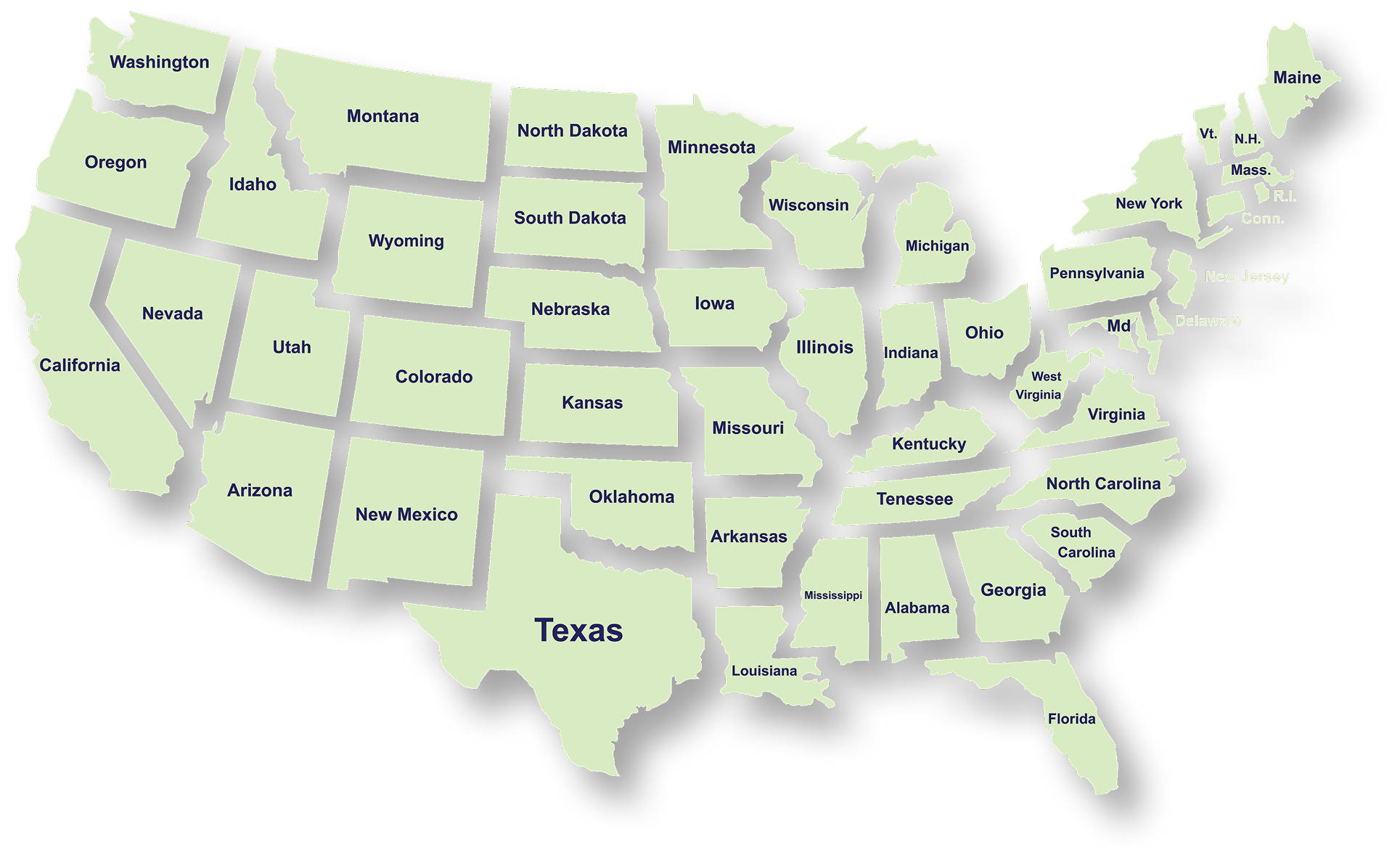
Serving Businesses & Individuals Across USA

We handle accounting, tax filing, and planning with defined timelines and accurate reporting for businesses and individuals across all states.

Frequently Asked Questions

What services does NR CPAs & Business Advisors provide?
What is tax planning and why is it important for businesses?
How can a Virtual CFO help my business?
When should a business consider IRS tax resolution services?
What financial statements does a business typically need?
How can startup advisory services help new businesses?
What is strategic business planning?
What is a Virtual Family Office and who can benefit from it?