Learning Center for Tax and Financial Insights

Stay updated with clear, actionable articles on tax rules, deadlines, deductions, and financial decisions that impact individuals and businesses.

No items found.

How the Adoption Tax Credit Can Ease Your Journey to Parenthood

Article Highlights:What is the Adoption CreditEligibility CriteriaMaximum Credit Amount and Phase-OutInteraction with the Alternative Minimum TaxUnused Credit CarryoverEmployer-Reimbursed ExpensesFailed Adoption of a U.S. ChildAdoptive Child ID NumberAdoption can be a life-changing journey for many families, offering a unique opportunity to grow a family and provide a loving home to a child in need. However, the process can also be financially demanding, with numerous expenses involved. Recognizing this, the U.S. government offers an adoption credit to help alleviate some of the financial burdens associated with adoption. This article delves into the intricacies of the adoption credit, including eligibility criteria, the maximum credit amount, special considerations for adopting a special needs child, and how the credit interacts with the Alternative Minimum Tax (AMT).What is the Adoption Credit - The adoption credit is a federal non-refundable tax credit to help offset some of the costs associated with the adoption process. This includes necessary adoption fees, court costs, attorney fees, traveling expenses (when relevant), and other expenses directly related to the legal adoption of an eligible child. The credit is designed to encourage adoption by reducing the financial impact on adoptive parents.Eligibility Criteria - To be eligible for the adoption credit, taxpayers must meet specific criteria. Firstly, the adoption must involve an eligible child, defined as any child under 18 years of age or a child who is physically or mentally incapable of self-care. The credit is available for both domestic and foreign adoptions, but the timing and eligibility can vary between the two.For domestic adoptions, the credit can be claimed for qualified expenses paid before the adoption is final. In contrast, for foreign adoptions, the credit can only be claimed in the year the adoption becomes final.Maximum Credit Amount and Phase-Out - For the tax year 2024, the maximum adoption credit amount is set at $16,810 per child. This amount is subject to inflation adjustments in future years. It's important to note that the credit is non-refundable, meaning it can only reduce your tax liability to zero and any remaining amount of the credit is not paid out as a refund.The credit and employer reimbursement exclusion (discussed below) begin to phase out in 2024 for taxpayers with modified adjusted gross income (MAGI) above $252,150 and are completely phased out for taxpayers with MAGI above $292,150. These levels are adjusted annually for inflation. While most phaseout thresholds and caps associated with tax benefits vary by filing status, those for the adoption credit and employer-provided adoption benefits are the same for all filing statuses. Interaction with the Alternative Minimum Tax (AMT) -The AMT was designed to tax high-income taxpayers who used the regular tax system to pay little or no tax. Unlike some other tax credits, the adoption credit can be used to offset both your regular tax liability and AMT. This makes the credit more valuable for taxpayers who are subject to AMT, as it can provide significant tax relief.Unused Credit Carryover - If the adoption credit allowable for the tax year exceeds the taxpayer’s tax liability for that year, the excess credit can be carried to the next tax year and added to the adoption credit allowable for that year, if any. Carryover is not allowed for the part of the credit lost because of the AGI phaseout.

Explore More
No items found.

July 2024 Individual Due Dates

July 1 - Time for a Mid-Year Tax Check UpTime to review your 2024 year-to-date income and expenses to ensure estimated tax payments and withholding are adequate to avoid underpayment penalties.July 10 - Report Tips to EmployerIf you are an employee who works for tips and received more than $20 in tips during June, you are required to report them to your employer on IRS Form 4070 no later than July 10. Your employer is required to withhold FICA taxes and income tax withholding for these tips from your regular wages. If your regular wages are insufficient to cover the FICA and tax withholding, the employer will report the amount of the uncollected withholding in box 12 of your W-2 for the year. You will be required to pay the uncollected withholding when your return for the year is filed.Weekends & Holidays:

Explore More
No items found.

July 2024 Business Due Dates

July 1 - Self-Employed Individuals with Pension PlansIf you have a pension or profit-sharing plan, you may need to file a Form 5500 or 5500-EZ for the calendar year 2023. Even though the forms do not need to be filed until July 31, you should contact this office now to see if you have a filing requirement, and if you do, allow time to prepare the return.July 15 - Non-Payroll WithholdingIf the monthly deposit rule applies, deposit the tax for payments in June.July 15 - Social Security, Medicare and Withheld Income TaxIf the monthly deposit rule applies, deposit the tax for payments in June.July 31 - Self-Employed Individuals with Pension Plans If you have a pension or profit-sharing plan, this is the final due date for filing Form 5500 or 5500-EZ for calendar year 2023.July 31 - Social Security, Medicare and Withheld Income TaxFile Form 941 for the second quarter of 2024. Deposit or pay any undeposited tax under the accuracy of deposit rules. If your tax liability is less than $2,500, you can pay it in full with a timely filed return. If you deposited the tax for the quarter in full and on time, you have until August 12 to file the return.July 31 - Certain Small EmployersDeposit any undeposited tax if your tax liability is $2,500 or more for 2024 but less than $2,500 for the second quarter.July 31 - Federal Unemployment TaxDeposit the tax owed through June if more than $500.July 31 - All EmployersIf you maintain an employee benefit plan, such as a pension, profit-sharing, or stock bonus plan, file Form 5500 or 5500-EZ for calendar year 2023. If you use a fiscal year as your plan year, file the form by the last day of the seventh month after the plan year ends.Weekends & Holidays:

Explore More
No items found.

Video Tips: Tax Rules for Deducting New Business Start-Up Expenses

Starting a new business involves various costs, many of which can be deducted to reduce your taxable income. Normally, the costs of starting a business must be amortized (deducted ratably) over 15 years. However, you can elect to deduct up to $5,000 of start-up expenses and $5,000 of organizational expenses in the first year.

Explore More
No items found.

Breaking News: The IRS Has Just Updated Their Position Related to Denying or Paying Employee Retention Credit (ERC) Claims.

Article Highlights:IRS's Current Position on ERC ClaimsHigh-Risk ClaimsMedium-Risk ClaimsLow-Risk ClaimsAvailability of a Voluntary Withdrawal ProgramBusinesses with Unprocessed ClaimsBusinesses with Uncashed Refund ChecksBusinesses with Concerns About Claim ValidityHow to Withdraw an ERC ClaimThe Employee Retention Credit (ERC) was introduced as a part of the Coronavirus Aid, Relief, and Economic Security (CARES) Act in 2020 to help businesses keep employees on their payroll during the COVID-19 pandemic. The credit was designed to provide financial relief to businesses that experienced significant declines in revenue or were forced to suspend operations due to government orders. However, the complexity of the ERC and aggressive marketing by some promoters have led to a significant number of erroneous claims being filed.The IRS has been diligently working to identify and address these improper claims. A recent review has revealed that a substantial portion of the claims submitted show a high risk of being improper. As a result, the IRS has announced new measures to ensure compliance and protect taxpayers.IRS's Current Position on ERC Claims - In a recent announcement (IR-2024-169), the IRS outlined its plans to deny tens of thousands of high-risk ERC claims while resuming the processing of low-risk claims. This decision comes after months of digitizing information and analyzing data to assess the validity of over 1 million ERC claims, representing more than $86 billion.High-Risk Claims - The IRS has identified that between 10% and 20% of the ERC claims fall into the highest risk category. These claims exhibit clear signs of being erroneous, or even fraudulent in some cases, and fall outside the eligibility guidelines established by Congress. The IRS will be denying these high-risk claims in the coming weeks. This group includes filings with warning signals such as:o Claims that significantly deviate from the established eligibility criteria.o Claims submitted by businesses that do not meet the revenue decline or suspension of operations requirements.o Claims that appear to be inflated or fraudulent.Medium-Risk Claims - In addition to the high-risk claims, the IRS estimates that between 60% and 70% of the claims show an unacceptable level of risk. These claims will undergo additional analysis to gather more information and improve the agency’s compliance review. The goal is to speed up the resolution of valid claims while protecting against improper payments. Taxpayers with claims in this category may experience delays as the IRS conducts further investigations.Low-Risk Claims - Approximately 10% to 20% of the ERC claims are considered low-risk, showing no eligibility warning signs. The IRS will prioritize the processing of these claims to ensure that eligible taxpayers receive their refunds promptly. Businesses with low-risk claims can expect to see their refunds processed in the coming months, provided there are no additional issues identified during the review.Generally, the IRS will work on the oldest claims first, but no claims received after September 14, 2023, when the IRS’s moratorium on processing claims began, will be processed at this time. The IRS has emphasized that businesses with pending ERC claims should not call the service’s toll-free numbers as information on the status of the processing of claims isn’t available to the phone assisters.Availability of a Voluntary Withdrawal Program - The IRS has also introduced a special ERC Withdrawal Program to help businesses that may have submitted improper claims. This program allows taxpayers to withdraw their ERC claims voluntarily, avoiding future compliance issues and potential penalties. The withdrawal process is particularly beneficial for those who were pressured or misled by ERC marketers or promoters into filing ineligible claims. Who should consider withdrawal:

Explore More
No items found.

From Sugary Sips to Slimmer Kids – The Real Impact of Seattle’s Soda Tax

New research indicates that children living in Seattle experienced a significant decrease in body mass index (BMI) following the implementation of the city's soda tax. This tax, aimed at reducing the consumption of sugary beverages, has not only had positive health effects but also carries important tax implications worth exploring. Here, we look at the potential tax impacts of such measures, their effectiveness in promoting public health, and the broader fiscal benefits and challenges they present.Health Benefits and Tax ImplicationsSeattle's soda tax, introduced in 2018, imposes an excise tax of 1.75 cents per ounce on sugary beverages. Recent findings published in JAMA Network Open show a tangible health benefit linked to this policy. The study, among the first of its kind, analyzed changes in BMI among over 6,300 children aged 2 to 18, revealing that children in Seattle saw a more significant decrease in BMI compared to those in nearby non-taxed areas. According to one article shared by U.S. News & World Report, the BMIp95 metric, specifically – which compares a child's BMI to the 95th percentile for children of the same age and sex – dropped from an average of 84% to 82% in Seattle, versus a decline from 86% to 85% in non-taxed areas.Economic Impact and Revenue GenerationThe primary fiscal goal of soda taxes is to reduce the consumption of unhealthy beverages and generate revenue for public health initiatives. In Seattle, the soda tax has succeeded on both fronts. Annual total revenue from soda taxes in U.S. cities averages around $134 million. This revenue funds various public health programs, such as nutrition education and access to healthy foods in underserved communities.Tax Policy and Public HealthSoda taxes, as pointed out by the Tax Policy Center, are often considered "sin taxes"—taxes on goods deemed harmful, such as alcohol and tobacco. These taxes serve a dual purpose: discouraging unhealthy behaviors and generating revenue to offset associated public health costs. The tax revenue from sugary beverages is reinvested in community health programs, potentially leading to long-term health benefits and reduced healthcare costs.

Explore More
No results found.
Thank you! Your submission has been received!
Oops! Something went wrong while submitting the form.

Want tax & accounting tips & insights?Sign up for our newsletter.

Thank you! Your submission has been received!
Oops! Something went wrong while submitting the form.

Why Work With Us?

We combine deep tax expertise, financial strategy, and practical business insight to help you manage complexity, stay compliant, and make confident financial decisions.
A dollar sign, representing financial advice or discussion at NR CPAs & Business Advisors.

Experienced CPA and Enrolled Agent Leadership

Guidance led by licensed professionals with deep expertise in tax strategy, compliance, and complex financial matters.
White bar chart with an upward arrow on green circular background representing growth or progress at NR CPAs &. Business Advisors

Support for Growing Businesses and Startups

We understand the financial challenges of growth stage businesses and provide structured guidance to support expansion.
A white hand holding a dollar symbol and ascending bar chart on a green circular background representing financial growth or investment at NR CPAs & Business Advisors..

Strategic Financial Advisory

Our team helps you evaluate financial decisions with greater clarity, supported by practical insights and long term planning.

Fractional CFO Support

Access experienced financial leadership without the commitment and cost of hiring a full time Chief Financial Officer.

Proactive Tax Planning Approach

We focus on identifying tax opportunities throughout the year rather than reacting only during filing season.

Clear and Reliable Financial Reporting

Accurate financial statements and reporting that help you better understand performance and make informed decisions.
White IRS building icon with pillars and a dollar sign above on a green circular background.

Professional IRS Representation

Experienced support in resolving IRS notices, disputes, and compliance matters while protecting your financial interests.

Personalized Client Focus

Every client receives thoughtful attention and tailored financial solutions based on their specific needs and business goals.
Financial matters often involve important decisions. Working with experienced advisors can help you approach them with greater clarity and confidence in your choices.

Need Help With Your Tax or Financial Decisions?

Discuss your situation with our advisors to get clear guidance on tax planning, IRS matters, and the financial decisions ahead.
Business consulting at NR CPAs & Business Advisors.

Request Your Consultation

Fill out the form to discuss your tax concerns, financial questions, or advisory needs with our team. We will review your details and respond shortly.

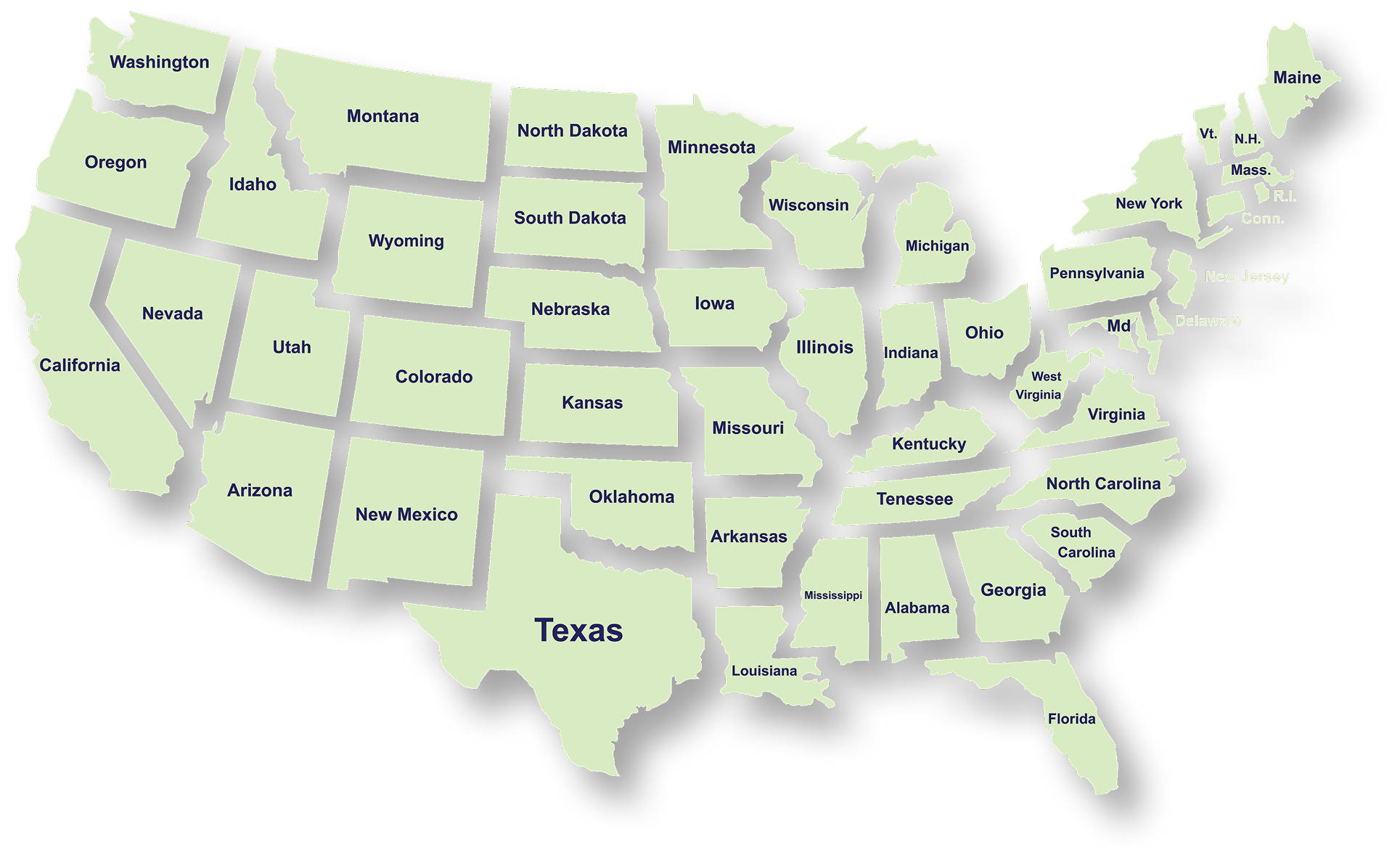
Serving Businesses & Individuals Across USA

We handle accounting, tax filing, and planning with defined timelines and accurate reporting for businesses and individuals across all states.

Frequently Asked Questions

What services does NR CPAs & Business Advisors provide?
What is tax planning and why is it important for businesses?
How can a Virtual CFO help my business?
When should a business consider IRS tax resolution services?
What financial statements does a business typically need?
How can startup advisory services help new businesses?
What is strategic business planning?
What is a Virtual Family Office and who can benefit from it?