Learning Center for Tax and Financial Insights

Stay updated with clear, actionable articles on tax rules, deadlines, deductions, and financial decisions that impact individuals and businesses.

No items found.

DOJ Cracks Down on North Korean Cybercrime: Largest Fraud Case Ever Charged

The recent unsealing of court documents by the Department of Justice (DOJ) has exposed a sophisticated cybercrime operation orchestrated by North Korean IT workers. The situation has had massive financial implications. These individuals utilized stolen or borrowed identities to infiltrate U.S. companies’ networks, defrauding them and contributing to North Korea's weapons program in violation of U.S. and U.N. sanctions. Prosecutors have labeled this case as the largest-ever charge involving such a scheme, acknowledging its severity and sheer scale.The Scope of the SchemeThe cybercrime scheme, initiated in early 2020, involved sending skilled IT workers around the world to perform services remotely for U.S. companies. By stealing the identities of U.S. nationals, these workers secured employment in the U.S., gaining access to internal systems and siphoning off data and funds. The financial gains from these illicit activities were substantial, with millions of dollars falsely reported to the IRS, raising significant tax concerns.Tax Evasion and Fraudulent ReportingAs noted, the fraudulent activities orchestrated by the North Korean IT workers extended beyond basic financial fraud to include tax evasion and falsification of records. By erroneously reporting their earnings to the IRS, the perpetrators avoided paying taxes owed, while simultaneously contributing to false tax liabilities for the individuals whose identities were stolen. The complex nature of the scheme made it challenging for authorities to detect and prosecute the criminals, worsening the tax implications for affected companies and individual employees.

Explore More
No items found.

Living Below Your Means: A Key to Entrepreneurial Success

Starting a business is a thrilling adventure, filled with dreams of innovation, independence, and financial success. However, the reality of entrepreneurship often involves long hours, relentless challenges, and financial uncertainty. As tax and accounting professionals, we have seen firsthand the struggles that startups face. One of the most critical lessons for new entrepreneurs is understanding the importance of living below your means to ensure the growth and sustainability of your business.The Harsh Reality of Business FailuresLet's start with some sobering statistics. According to the U.S. Bureau of Labor Statistics, approximately 20% of new businesses fail within the first year, and about 50% fail by their fifth year. These numbers can be daunting, but they highlight the importance of careful financial planning and prudent spending.The Temptation to OverspendIt's natural to feel a sense of accomplishment and entitlement when you finally launch your own business. After all, you've taken a significant risk and invested countless hours into making your dream a reality. However, this sense of achievement can sometimes lead to the temptation to pay yourself a hefty salary or indulge in luxuries your business can't yet afford.The Importance of Living Below Your MeansLiving below your means is a concept that applies to personal finance, but it's even more crucial for entrepreneurs. Here’s why:Cash Flow Management: Cash flow is the lifeblood of any business. By keeping your personal expenses low, you can ensure that more money stays within the business, allowing you to reinvest in growth opportunities, cover unexpected expenses, and weather financial downturns.Investor Confidence: If you've raised outside capital, your investors expect you to be a good steward of their money. Paying yourself an exorbitant salary can erode their confidence and potentially jeopardize future funding rounds. Demonstrating financial discipline shows that you are committed to the long-term success of the business.Sustainable Growth: Rapid growth can be exciting, but it can also be risky if not managed properly. Living below your means allows you to grow your business at a sustainable pace, ensuring that you have the resources to support expansion without overextending yourself financially.

Explore More
No items found.

Video Tips: A Reminder to Stay Ahead with Mid-Year Tax Planning

Too often, taxpayers wait until after the close of the tax year to worry about their taxes and miss tax planning opportunities that they could have taken during the year. By planning ahead and making strategic financial decisions mid-year, you can significantly reduce your tax liability and maximize your savings.

Explore More
No items found.

Avoid the Trap: Smart Strategies to Prevent Costly Penalties from Underpaying Estimated Taxes

Article Highlights:Understanding Underpayment PenaltiesDe Minimis ExceptionSafe Harbor PaymentsPayment TimingWithholdingAnnualized PaymentsFarmers and FishermenUnderpayment penalties are a common concern for taxpayers, and many are unaware of how substantial they can be. These penalties are assessed by the Internal Revenue Service (IRS) when taxpayers fail to pay enough of their tax liability through withholding or estimated tax payments throughout the tax year. The interest rate for underpayments has been 8% per year, compounded daily, since October 1, 2023 and at least through June 30, 2024. That is up from 3% just two or three years ago.Understanding underpayment penalties and the strategies to avoid them can save you from unnecessary financial stress and penalties. This article will delve into the intricacies of underpayment penalties and offer guidance on how to navigate these waters effectively.Understanding Underpayment Penalties - Underpayment penalties are essentially the IRS's way of ensuring that taxpayers are paying their taxes on a quarterly basis rather than waiting until the tax filing deadline. The IRS requires that you pay at least 90% of your current year's tax liability or 100% of the tax shown on your return for the previous year (110% if you're considered a higher-income taxpayer) throughout the year. If you fail to meet these thresholds, you may be subject to the underpayment penalty. Think of it this way: the IRS is effectively charging you interest on the tax money you kept instead of sending it to the government.The penalty is calculated on a quarterly basis, meaning that if you underpaid in any given quarter, you might be penalized for that quarter even if you overpaid in another. The rate of the penalty is determined by the IRS and can vary from quarter to quarter. For self-employed individuals or those without sufficient withholding, estimated tax payments are a critical tool in managing tax liability and avoiding underpayment penalties. You would think that a quarter of the year would be 3 months, but for the purpose of this calculation, the “quarters” are uneven and cover January – March (3 months), April and May (2 months), June, July and August (3 months) and finally the last 4 months of the year.De Minimis Exception - The de minimis exception is one way to avoid underpayment penalties. If your total tax liability minus your withholdings and tax credits is less than $1,000, you won't be subject to underpayment penalties. This rule is particularly beneficial for taxpayers who have a relatively small tax liability.Safe Harbor Payments - Safe harbor payments are essentially benchmarks set by the IRS that, if met, protect taxpayers from underpayment penalties, regardless of their actual tax liability for the year. These benchmarks are designed to ensure that taxpayers pre-pay a minimum amount of their tax obligation throughout the year, either through withholding or estimated tax payments.The general rule for safe harbor payments requires taxpayers to prepay the lesser of 90% of the current year's tax or 100% of the previous year's tax. However, for those with an adjusted gross income (AGI) over $150,000 ($75,000 if married filing separately), the rules tighten. These individuals must pay the lesser of 90% of the current year's tax or 110% of the previous year's tax to qualify for this safe harbor. Thus, the safe harbor that works for any eventuality is 110% of the previous year's tax liability. In addition, if you had no tax liability in the prior year, then you are exempt from an underpayment penalty. Since these pre-payments consist of both withholding and estimated tax payments, the timing of these payments is also critical for payments to qualify for the safe harbor penalty exception. Estimated tax payments are due in four installments: April 15, June 15, September 15, and January 15 of the following year, approximately 2 weeks after the end of the “quarters” noted above. If any of these dates falls on a Saturday, Sunday, or legal holiday, the due date will be the next business day. Caution: Some states have different estimated payments dates and, in some cases, amounts for state estimated payments. Withholding - Unlike estimated payments, withholding is considered paid evenly throughout the year, regardless of when it occurs. This can be particularly useful for taxpayers who realize they may fall short of their safe harbor requirements as the year progresses and boost their withholding by one means or another depending upon the increase required.

Explore More
No items found.

How an Accounting Pro Can Help You Create and Stick to a Budget

Maintaining a clear and effective budget is crucial for success. Yet, many businesses are overwhelmed by day-to-day operations, often making financial decisions without a solid forecast. This can lead to unexpected financial troubles and missed growth opportunities. As accounting professionals, we understand the challenges you face. We are here to offer insights on how a well-structured budget, crafted with the help of an accounting expert, can be your roadmap to financial stability and success.The Importance of BudgetingBudgeting is more than just a financial exercise; it's a strategic tool that helps you plan for the future, allocate resources efficiently, and make informed decisions. A well-crafted budget provides a clear picture of your financial health, highlighting areas where you can cut costs, invest more, or adjust your strategies. It acts as a financial blueprint, guiding your business toward its goals while ensuring you stay on track.However, creating and sticking to a budget can be daunting, especially when juggling multiple responsibilities. This is where the expertise of an accounting expert becomes invaluable.Creating Realistic BudgetsOne of the primary roles of an accounting expert is to help you create a realistic budget that aligns with your business goals. Here's how we do it:Understanding Your Financial Landscape: We start by analyzing your current financial situation, including income, expenses, debts, and assets. This comprehensive overview allows us to identify patterns and areas that need attention.Setting Achievable Goals: Based on your financial analysis, we help you set realistic financial goals. Whether it's increasing revenue, reducing costs, or saving for future investments, having clear objectives is essential for effective budgeting.Forecasting and Planning: Using historical data and market trends, we create financial forecasts that predict future income and expenses. This helps you anticipate potential challenges and opportunities, allowing you to make proactive decisions.Allocating Resources: We assist in allocating resources efficiently, ensuring that every dollar is spent wisely. This includes prioritizing essential expenses, identifying areas for cost-cutting, and planning for unexpected costs.Examples of How Budgets WorkTo illustrate the power of budgeting, let's consider a few examples:Small Business Expansion: Imagine a small retail business looking to expand its operations by opening a new store. Without a budget, the business might overspend on the new location, leading to cash flow issues. By working with an accounting expert, the business can create a detailed budget that includes projected costs for the new store, anticipated revenue, and a timeline for profitability. This budget helps the business allocate funds appropriately, avoid overspending, and ensure a smooth expansion.Seasonal Business Planning: A landscaping company experiences fluctuating income throughout the year, with peak seasons in spring and summer. With a budget, the company can manage cash flow during the off-season. An accounting expert can help create a budget that accounts for seasonal variations, setting aside funds during peak months to cover expenses during slower periods. This approach ensures the business remains financially stable year-round.Cost Reduction Strategy: A manufacturing company notices that its operating expenses are steadily increasing, impacting profitability. By analyzing the company's financial data, an accounting expert identifies areas where costs can be reduced, such as renegotiating supplier contracts or optimizing production processes. The accounting expert then creates a budget that reflects these cost-saving measures, helping the company improve its bottom line.Types of BudgetingDifferent types of budgeting can be employed depending on the specific needs and circumstances of your business:Zero-Based Budgeting: This method starts from scratch each period, with every expense needing justification. It's particularly useful for businesses in financial distress or those looking to re-evaluate their spending habits.Static or Incremental-Based Budgeting: This approach uses historical data to add or subtract a percentage from the previous period's budget. It's straightforward and works well for stable businesses with predictable expenses.Performance-Based Budgeting: This method emphasizes the cash flow per unit of product or service, making it ideal for businesses focused on efficiency and productivity.Activity-Based Budgeting: This method works backward from the company's goals to determine the cost of attaining them. It's beneficial for businesses with clear, goal-oriented strategies.Value Proposition Budgeting: This approach assumes no line item should be included in the budget unless it directly provides value to the organization. It's a stringent method that ensures every dollar spent contributes to the company's objectives.

Explore More
No items found.

Navigating Potential Changes in Capital Gains Tax: What Business Owners and Boomers Need to Know

As a business owner or a baby boomer planning to sell your business or a significant real estate asset, understanding potential changes in capital gains tax is crucial. President Biden's FY 2025 budget proposal includes significant tax reforms aimed at wealthier taxpayers, which could impact your financial planning. While these proposals are not yet law, being informed and prepared can help you navigate potential changes effectively.Biden's Capital Gains Tax ProposalCurrently, the capital gains tax rate for long-term capital gains—assets held for more than one year—is capped at 20%. However, President Biden's budget proposal aims to nearly double this rate to 39.6% for individuals earning at least one million dollars annually. This proposed increase is part of a broader effort to ensure that wealthier taxpayers contribute a "fairer" share of federal revenues.Additionally, there is a separate proposal that could push the capital gains tax rate to 44.6% for those with high net investment and taxable income. This rate includes an increase in the net investment income tax rate to 5% above the $400,000 threshold, combined with an increased top ordinary income tax rate of 39.6%.Implications for Business Owners and Real Estate InvestorsIf you are planning to sell a business or a large real estate asset, these proposed changes could significantly impact your tax liabilities. Here are some key considerations:Timing of the Sale: If the proposed tax increases become law, selling your assets before the changes take effect could save you a substantial amount in taxes. However, this requires careful planning and consideration of market conditions.Estate Planning: The proposal also includes changes to the "stepped-up basis" rule, which currently allows heirs to inherit assets at their fair market value at the time of the decedent's death, minimizing capital gains taxes. Under the new proposal, gains exceeding $5 million per person and $10 million per married couple would be taxed if the property is not donated to charity. This change could affect your estate planning strategies, especially if you intend to pass down significant assets to your heirs.Carried Interest Loophole: The Biden administration aims to close the carried interest loophole, which allows asset managers to treat certain compensation as capital gains rather than ordinary income. This change would mean higher taxes on this type of income, impacting those in the investment management industry.Medicare Tax Increase: Another aspect of the proposal is an increase in the Medicare surtax rate from 3.8% to 5% for individuals earning more than $400,000 annually. This increase would apply to wages, salary, and capital gains, further affecting high-income earners.

Explore More
No results found.
Thank you! Your submission has been received!
Oops! Something went wrong while submitting the form.

Want tax & accounting tips & insights?Sign up for our newsletter.

Thank you! Your submission has been received!
Oops! Something went wrong while submitting the form.

Why Work With Us?

We combine deep tax expertise, financial strategy, and practical business insight to help you manage complexity, stay compliant, and make confident financial decisions.
A dollar sign, representing financial advice or discussion at NR CPAs & Business Advisors.

Experienced CPA and Enrolled Agent Leadership

Guidance led by licensed professionals with deep expertise in tax strategy, compliance, and complex financial matters.
White bar chart with an upward arrow on green circular background representing growth or progress at NR CPAs &. Business Advisors

Support for Growing Businesses and Startups

We understand the financial challenges of growth stage businesses and provide structured guidance to support expansion.
A white hand holding a dollar symbol and ascending bar chart on a green circular background representing financial growth or investment at NR CPAs & Business Advisors..

Strategic Financial Advisory

Our team helps you evaluate financial decisions with greater clarity, supported by practical insights and long term planning.

Fractional CFO Support

Access experienced financial leadership without the commitment and cost of hiring a full time Chief Financial Officer.

Proactive Tax Planning Approach

We focus on identifying tax opportunities throughout the year rather than reacting only during filing season.

Clear and Reliable Financial Reporting

Accurate financial statements and reporting that help you better understand performance and make informed decisions.
White IRS building icon with pillars and a dollar sign above on a green circular background.

Professional IRS Representation

Experienced support in resolving IRS notices, disputes, and compliance matters while protecting your financial interests.

Personalized Client Focus

Every client receives thoughtful attention and tailored financial solutions based on their specific needs and business goals.
Financial matters often involve important decisions. Working with experienced advisors can help you approach them with greater clarity and confidence in your choices.

Need Help With Your Tax or Financial Decisions?

Discuss your situation with our advisors to get clear guidance on tax planning, IRS matters, and the financial decisions ahead.
Business consulting at NR CPAs & Business Advisors.

Request Your Consultation

Fill out the form to discuss your tax concerns, financial questions, or advisory needs with our team. We will review your details and respond shortly.

Serving Businesses & Individuals Across USA

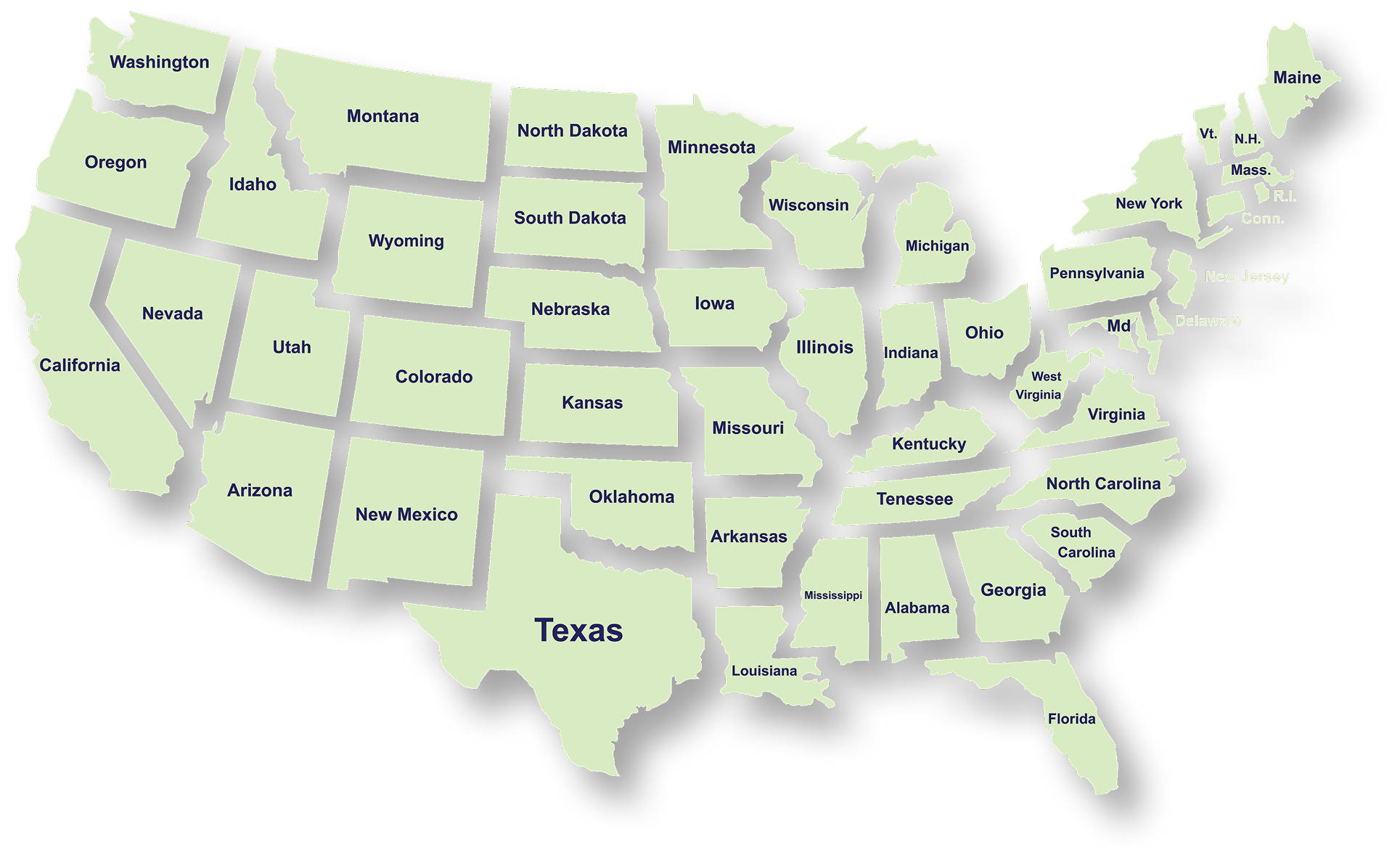
We handle accounting, tax filing, and planning with defined timelines and accurate reporting for businesses and individuals across all states.

Frequently Asked Questions

What services does NR CPAs & Business Advisors provide?
What is tax planning and why is it important for businesses?
How can a Virtual CFO help my business?
When should a business consider IRS tax resolution services?
What financial statements does a business typically need?
How can startup advisory services help new businesses?
What is strategic business planning?
What is a Virtual Family Office and who can benefit from it?