Learning Center for Tax and Financial Insights

Stay updated with clear, actionable articles on tax rules, deadlines, deductions, and financial decisions that impact individuals and businesses.

No items found.

The IRS Is Tackling Tax Evasion With AI

As the current tax season continues, the Internal Revenue Service (IRS) has ushered in a new era of tax enforcement thanks to the power of artificial intelligence (AI). AI tools have taken nearly every industry by storm recently, and even federal tax authorities have realized that these resources can be invaluable in catching tax evaders.Bolstered by funding from the Inflation Reduction Act of 2022, the IRS is improving its audit processes, particularly in areas where audit coverage has dwindled. Large partnerships, large corporations, and employment tax returns are all under the microscope as the IRS seeks to crack down on tax avoidance, particularly among wealthy companies and high-net-worth individuals.AI Audit ConcernsWhile AI presents opportunities for more efficient tax audits, some industry experts have expressed concerns about privacy, bias, and transparency. In a Thomson Reuters report, James Creech, a senior manager for Baker Tilly's tax advocacy and controversy team, voiced apprehensions about the potential ramifications of AI-driven audits. He cautioned against the possibility of taxpayers being flagged for returns that deviate slightly from the norm, noting that safeguards will be important in this new era of tax enforcement.On the flip side, Creech did acknowledge the strides made in AI technology, particularly in targeted audits of partnerships. The AI tools employed by the IRS have already led to better issue selection, expediting the audit process and prompting inquiries regarding specific issues.Future Outlook and ChallengesThe IRS's Strategic Operating Plan for FY 2023 through 2031 showcases a commitment to bolstering enforcement efforts, especially for large partnerships and corporations. However, the human element remains a critical factor in AI implementation. In the aforementioned Thomson Reuters deep dive, Creech pointed out that IRS “audits have been driven by algorithms for a long time,” noting that a “DIF” (discriminant function) score has been used to drive audit selection. Although Creech believes that new AI technology will make audit selection “better and better” in the long run, he still has concerns about “what does the human being do with [algorithmic information.”This is, of course, something that federal tax authorities will have to consider moving forward as AI becomes an increasingly important part of the auditing process.

Explore More
No items found.

Is It Better to Have a Tax Credit or a Deduction?

Article Highlights:Itemized DeductionsAbove-the-Line DeductionsBusiness DeductionsAsset-Sale DeductionsRefundable CreditsNonrefundable CreditsCarryover CreditsBusiness Tax CreditsPeople often say that an expense is “a tax write-off”; most everyone interprets this to mean that the expense will have a tax benefit. Generally, such a benefit takes the form of either a deduction or a credit; these benefits’ effects are quite different, however, and each type has various categories. As a result, the tax implications may not be as expected. This is especially true when the write-off claim comes from a salesperson who is touting the tax benefits of a product or service, as such individuals often leave out key details. In general, a deduction reduces taxable income, whereas a credit reduces the tax itself.Tax Deductions – In one way or another, tax deductions reduce the taxable portion of an individual’s income, which thus reduces the tax on that income. Itemized Deductions – When taxpayers think of deductions, they typically think of the itemized deductions that are claimed on Schedule A. This is the only way to deduct personal expenses such as medical costs, state and local tax payments, investment and home-mortgage interest, charitable contributions, disaster-casualty losses, and various rarely encountered expenses. In some cases, itemized deductions are limited. For instance, medical expenses are only deductible to the extent they exceed 7.5% of the taxpayer’s adjusted gross income (AGI). Similarly, state, and local tax payments (including those for income, sales, and property taxes) are capped at $10,000. On top of that, itemization only reduces taxable income to the extent that the total of the itemized deductions exceeds the standard deduction. When the sum does not exceed the standard deduction, the itemized deductible expenses provide no tax benefits at all.In 2018 a law change nearly doubled the standard deduction amount, and each year since then only about 10% of taxpayers itemize their deductions because they find using their standard deduction provides a better tax benefit. The enhanced standard deduction is annually adjusted for inflation but only applies through tax year 2025 (unless extended by Congress). The standard deduction amounts for 2023 and 2024 are:BASIC STANDARD DEDUCTIONFiling Status20232024Single & Married Separate$13,850$14,600Married Joint & Qualifying Surviving Spouse$27,700$29,200Head of Household$20,800$21,900Each taxpayer aged 65 and older, or blind, is allowed an additional standard deduction amount. When filing a joint return, the extra amount applies to each spouse who is at least 65 or blind. A taxpayer (or spouse) who meets the age requirement and is also blind, is entitled to double the extra amount. The additional amounts are:For 2023: $1,850 for single and head of household status; $1,500 for married (either joint or separate) and qualifying surviving spouse.For 2024: $1,950 for single and head of household status; $1,550 for married (either joint or separate) and qualifying surviving spouse.Above-the-Line Deductions – Certain deductions reduce income even when a taxpayer is not itemizing. These are commonly called above-the-line deductions because, when applied, they reduce the income figure that is used to calculate AGI. Hence, the IRS titles these deductions “adjustments to income.” Their benefits apply regardless of whether the taxpayer uses itemized deductions. Above-the-line deductions include educators’ expenses; contributions to health savings accounts and traditional IRAs; deductible alimony payments (only for pre-2019 divorce agreements); and student-loan interest. Most of these deductions have annual maximums. In addition, several above-the-line deductions apply only to self-employed individuals. These are for self-employed health insurance costs, 50% of the self-employment tax, and contributions to certain types of retirement plans. Other, more obscure, above-the-line deductions are listed on Form 1040, Schedule 1.

Explore More
No items found.

How Overstaffing Can Impact Your Small Business

In the bustling world of small businesses, where every decision can significantly impact your bottom line, overstaffing can be a major problem. One of the main reasons for this is that hiring too many employees can happen before you even realize it – you might be trying to overcompensate for prior staffing issues but end up with too many people on your payroll instead. In short, your team grows larger than your business demands, leading to myriad challenges that can hinder your growth and sustainability. This guide will not only help you identify and solve overstaffing issues but also ensure your necessary employees remain engaged and productive. Understanding Overstaffing: More Than Just Extra HandsOverstaffing is akin to having too many cooks in the kitchen – and this is literally the problem for some restaurant owners. No matter the industry your business operates in, it disrupts the workflow and leads to inefficiencies. Overstaffing, by definition, occurs when the number of employees surpasses the workload required, resulting in wasted resources and potential dissatisfaction among your team. This imbalance can be particularly costly for small businesses operating on tight margins.The Root Causes of OverstaffingIdentifying the causes of overstaffing is the first step toward resolution. Triggers can range from a lack of proper forecasting, and reliance on outdated scheduling tools, to a failure in aligning hiring with actual business needs. Each factor can inadvertently lead to a bloated workforce, adding to your expenses without contributing to your revenue.Inadequate Forecasting: Without accurate predictions of business needs, you might find yourself hiring in anticipation of demand that never materializes.Outdated Scheduling and Time Tracking: Relying on manual or outdated methods for scheduling and tracking time can make the real picture of your staffing needs unclear.Failure to Align Hiring with Business Needs: Hiring without a clear understanding of your business's actual requirements can lead to overstaffing.Symptoms of OverstaffingRecognizing the signs of overstaffing is crucial. These can include noticeable dips in employee productivity, a mismatch between labor costs and revenue, and a general sense of disengagement among your team. If you constantly adjust schedules or notice that employees seem to have too much downtime, it's time to reassess your staffing levels.

Explore More
No items found.

Video Tips: Don't Miss the 2024 Tax Filing Deadline

The deadline for most taxpayers to file a federal tax return is Monday, April 15, 2024. Because of the observances of Patriot's Day (April 15) and Emancipation Day (April 16), taxpayers living in Maine and Massachusetts have until Wednesday, April 17, 2024, to file.

Explore More
No items found.

Haven’t Filed Your 2020 Tax Return? You May Be Forfeiting a Substantial Refund

Article Highlights:2020 refunds are in jeopardyFiling deadlineLost benefitsMailing instructionsIf you have not yet filed your 2020 federal tax return and have a refund coming, time is running out! The IRS estimates that there are about 940,000 taxpayers who have not filed their 2020 tax returns and that there is over $1 billion dollars of unclaimed refunds available for those taxpayers. If you fall in this category, you need to act quickly because the return must be filed by May 17, 2024 to claim a refund for 2020. Otherwise, the money becomes the property of the U.S. Treasury. The average refund for 2020 is estimated to be $932. It could be more for those who haven’t already received their COVID-era Recovery Rebate Credit.Taxpayers usually have three years to file and claim tax refunds, and generally means the filing deadline to claim past refunds would be the April tax deadline three years after the original return filing deadline. However, due to the Covid-19 pandemic, the original filing deadline for 2020 returns was postponed a month. Accordingly, the 3-year-deadline for claiming 2020 refunds has been postponed to May 17, 2024.By failing to file a return, people stand to lose more than a refund of taxes withheld or paid during 2020. Many low- and moderate-income workers may not have claimed the Earned Income Tax Credit (EITC). The EITC helps individuals and families with incomes below certain thresholds, which for unmarried individuals in 2020 were $50,594 for those with three or more children, $47,440 for those with two children, $41,756 for people with one child, and $15,820 for those with no children. For married joint filers, the threshold is $6,250 more for those with three or more children, and $5,890 more for each other category. In addition, parents eligible to claim the refundable portion of the child tax credit will forfeit that benefit if they don’t file a return.

Explore More
No items found.

Securing Europe's Breadbasket: EU's Bold Move on Russian Grain Tariffs

In a move aimed at safeguarding its markets and supporting Ukraine, the European Commission (EU) has proposed a tariff increase on grain imports from Russia and Belarus. The proposal, issued on March 22, 2024, seeks to address several pressing concerns and challenges the European Union faces.European Union President Ursula von der Leyen spoke about the necessity of the tariffs, stating, "We propose the imposition of tariffs on these Russian imports to mitigate the growing risk to our markets and our farmers." She also noted the EU's commitment to upholding global food security while supporting Ukraine amidst the ongoing conflict that began when Russia invaded Ukraine in February 2022.The proposed tariffs have several objectives:Market Stability: The tariffs aim to prevent market destabilization in the EU by curbing potential surges in Russian grain imports, a concern voiced by the EU farming community.Combat Illicit Trade: The tariffs seek to address the issue of Russian grain exports allegedly stolen from Ukrainian territories, which have sometimes been mislabeled as 'Russian'. By imposing tariffs, the EU aims to make this illicit trade unprofitable.Economic Pressure: Additionally, the tariffs aim to hinder Russia's ability to finance its military actions in Ukraine by cutting off a significant revenue stream derived from grain exports to the EU.The proposed measures extend to Belarus, given its close ties to Russia and its support for the Ukrainian conflict. By including Belarus in the tariff increase, the EU aims to prevent circumvention of the tariffs through Belarusian channels.It's important to note that the proposed tariffs will not disrupt global grain supplies, as the transit of grain through the EU to other countries will remain unaffected. This reaffirms the EU's commitment to promoting food security globally, particularly in developing nations.

Explore More
No results found.
Thank you! Your submission has been received!
Oops! Something went wrong while submitting the form.

Want tax & accounting tips & insights?Sign up for our newsletter.

Thank you! Your submission has been received!
Oops! Something went wrong while submitting the form.

Why Work With Us?

We combine deep tax expertise, financial strategy, and practical business insight to help you manage complexity, stay compliant, and make confident financial decisions.
A dollar sign, representing financial advice or discussion at NR CPAs & Business Advisors.

Experienced CPA and Enrolled Agent Leadership

Guidance led by licensed professionals with deep expertise in tax strategy, compliance, and complex financial matters.
White bar chart with an upward arrow on green circular background representing growth or progress at NR CPAs &. Business Advisors

Support for Growing Businesses and Startups

We understand the financial challenges of growth stage businesses and provide structured guidance to support expansion.
A white hand holding a dollar symbol and ascending bar chart on a green circular background representing financial growth or investment at NR CPAs & Business Advisors..

Strategic Financial Advisory

Our team helps you evaluate financial decisions with greater clarity, supported by practical insights and long term planning.

Fractional CFO Support

Access experienced financial leadership without the commitment and cost of hiring a full time Chief Financial Officer.

Proactive Tax Planning Approach

We focus on identifying tax opportunities throughout the year rather than reacting only during filing season.

Clear and Reliable Financial Reporting

Accurate financial statements and reporting that help you better understand performance and make informed decisions.
White IRS building icon with pillars and a dollar sign above on a green circular background.

Professional IRS Representation

Experienced support in resolving IRS notices, disputes, and compliance matters while protecting your financial interests.

Personalized Client Focus

Every client receives thoughtful attention and tailored financial solutions based on their specific needs and business goals.
Financial matters often involve important decisions. Working with experienced advisors can help you approach them with greater clarity and confidence in your choices.

Need Help With Your Tax or Financial Decisions?

Discuss your situation with our advisors to get clear guidance on tax planning, IRS matters, and the financial decisions ahead.
Business consulting at NR CPAs & Business Advisors.

Request Your Consultation

Fill out the form to discuss your tax concerns, financial questions, or advisory needs with our team. We will review your details and respond shortly.

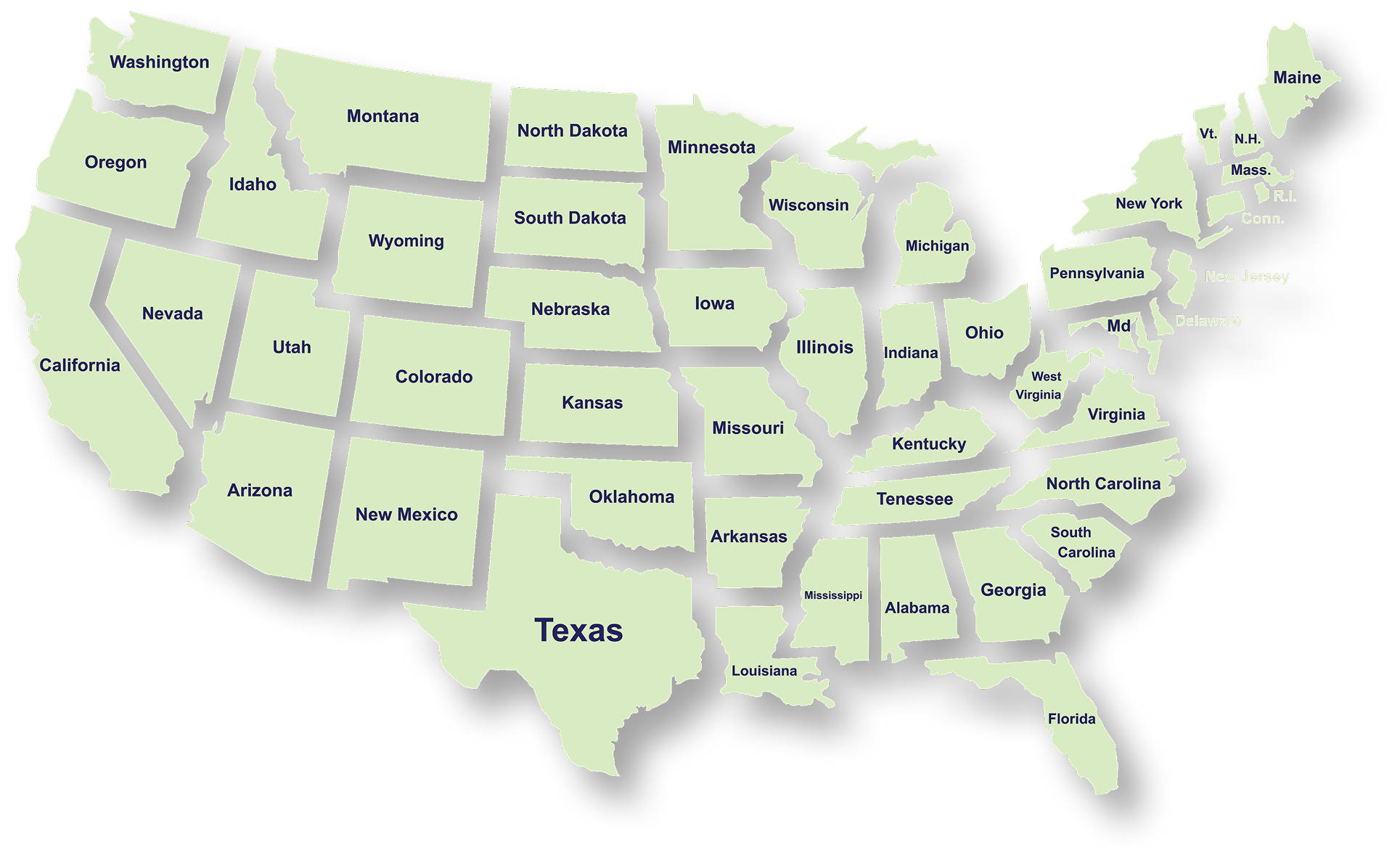
Serving Businesses & Individuals Across USA

We handle accounting, tax filing, and planning with defined timelines and accurate reporting for businesses and individuals across all states.

Frequently Asked Questions

What services does NR CPAs & Business Advisors provide?
What is tax planning and why is it important for businesses?
How can a Virtual CFO help my business?
When should a business consider IRS tax resolution services?
What financial statements does a business typically need?
How can startup advisory services help new businesses?
What is strategic business planning?
What is a Virtual Family Office and who can benefit from it?