Learning Center for Tax and Financial Insights

Stay updated with clear, actionable articles on tax rules, deadlines, deductions, and financial decisions that impact individuals and businesses.

No items found.

Video Tips: A Quick Summary of Biden's Tax Agenda

President Biden talked about his tax agenda during his State of the Union address before Congress on March 7, 2024, seeking higher levies on large businesses, investors, and the ultra-rich.

Explore More
No items found.

Can’t Pay Your Taxes? Here Are Some Options

Article Highlights:If You Can’t PayAutomatic Extension in Federally Declared Disaster AreasFamily LoansHome Equity Loans and HELOCsCredit CardShort-term Payment PlanIRS Installment AgreementRetirement FundsFiling ExtensionsEnforced CollectionsOffer-in-CompromiseAbout 3 out of 4 American taxpayers receive a refund each year when they file their income tax returns, but there are those who for one reason or another end up owing. Of those who owe Uncle Sam many don’t have the means to pay what they owe by the return due date (usually in April).NOTE: If you live in a federally declared disaster area the due date may have been automatically extended. The extension will apply if you reside in the disaster area, and you need not be directly affected by the disaster to qualify. Check the IRS website at Tax Disaster Relief Situations for areas that have disaster filing relief extensions. Call this office to confirm you qualify and for information related to state disaster relief due date postponements. Generally, tax due occurs when a wage earner has under-withheld on his or her payroll or a self-employed individual failed to make adequate estimated tax payments during the year. In some cases, a transaction may have occurred during the year that created a large capital gain, and the taxpayer didn’t adjust their withholding or estimated payments to cover the extra tax, resulting in a large tax bill at filing time. This can be a huge problem for those who are unable to pay their liability.It is generally in your best interest to make other arrangements to obtain the funds for paying your 2023 taxes rather than be subjected to the government’s penalties and interest for payments made after April 15, 2024. Here are a few options to consider.Family Loan – Obtaining a loan from a relative or friend may be the best bet because this type of loan is generally the least costly in terms of interest.Home Equity Loans and HELOCs - Use the equity in your home—that is, the difference between your home’s value and your mortgage balance—as collateral. As the loans are secured against the equity value of your home, home equity loans offer extremely competitive interest rates—usually close to those of first mortgages. Compared with unsecured borrowing sources, such as credit cards, you’ll be paying less in financing fees for the same loan amount. Unfortunately, obtaining these loans takes time, so if you anticipate that you’ll need funds from such a loan to pay your taxes that are due in April, you should get the application process started right away.Rob a Bank – If you don’t get caught you don’t have to pay back any loan. Just kidding.Credit Card – Another option is to pay by credit card with one of the service providers that work with the IRS. However, since the IRS will not pay a credit card discount fee (the fee charged by the credit card company), you will have to pay the fees due and pay the higher credit card interest rates.Short-Term Payment Plan – If you can fully pay the tax owed within 180 days and owe less than $100,000 including tax, penalties, and interest, you can apply for a short-term payment plan online at the IRS web site. You won’t be charged a set-up fee but will still have to pay penalties and interest until the balance owed is fully paid. Set-up fees will be charged if you apply for a payment plan by phone, mail, or in person instead of online.IRS Installment Agreement – If you owe the IRS $50,000 or less, you may qualify for a streamlined installment agreement where you can make monthly payments for up to six years. You will still be subject to the late payment penalty, but it will be reduced by half. Interest will also be charged at the current rate, which recently has been 7% or 8% annually. There is a user fee to set up the payment plan. However, the IRS generally waives the fee for low-income taxpayers who agree to make electronic debit payments. In making the agreement, you’ll need to agree to keep all future years’ tax obligations current. If you do not make payments on time or you have an outstanding past due amount in a future year, you will be in default of the agreement and the IRS has the option of taking enforcement actions to collect the entire amount owed. If you seek an installment agreement exceeding $50,000 you will need to validate your financial condition and need for an installment agreement by providing the IRS with a Collection Information Statement (financial statements). You may also pay down your balance due to $50,000 or less to take advantage of the streamlined option.Tap a Retirement Account – This is possibly the worst option for obtaining funds to pay your taxes because you are jeopardizing your retirement lifestyle and the distributions are generally taxable at your highest tax bracket, which adds more taxes to your existing problem. In addition, if you are under age 59½, the withdrawal is also subject to a 10% early withdrawal penalty that compounds the problem even further.

Explore More
No items found.

Navigating the Skies of Tax Compliance: The IRS Targets Corporate Jet Usage

In a significant move aimed at ensuring tax fairness, the Internal Revenue Service (IRS) has announced its plans to initiate a series of audits focusing on the use of business aircraft. This initiative, fueled by the Inflation Reduction Act's funding, marks a concerted effort to tighten the reins on tax compliance among high-income individuals and corporations. As the owners of corporate jets navigate this new regulatory landscape, understanding the implications of these audits is crucial for maintaining compliance and avoiding potential pitfalls.The IRS Takes FlightThe IRS's decision to scrutinize the personal use of corporate jets is part of a broader strategy to enhance tax compliance among high-income groups, large corporations, and partnerships. Leveraging advanced analytics and the additional resources provided by the Inflation Reduction Act, the agency aims to shed light on an area that has seen limited oversight in the past decade due to resource constraints.Corporate jets, often utilized for both business and personal travel, present a complex challenge in tax law. The tax code allows for business deductions for the maintenance of assets like corporate jets, provided they are used for business purposes. However, the delineation between business and personal use is not always clear-cut, making compliance a nuanced issue.The Implications for Jet OwnersFor executives and other high-net-worth individuals who enjoy the convenience of corporate jets for personal travel, the IRS's focus on aircraft usage carries significant implications. Personal use of a company jet can affect the individual's income inclusion and the company's eligibility for certain business deductions. The meticulous allocation between business and personal use becomes paramount in ensuring compliance and avoiding potential tax liabilities.Navigating ComplianceAs the IRS embarks on these examinations, it is essential for corporations and high-income individuals to proactively address the complexities of corporate jet usage for tax purposes.

Explore More
No items found.

Securing Your Business's Future: Mastering Succession Planning

For many business owners, the future is uncertain. Would you like to ensure the long-term success of your enterprise, reducing stress and providing peace of mind? That’s where succession planning comes in.Every successful business gets to that point thanks to careful planning and strategic foresight. While most business owners focus on maximizing present success, it's equally crucial to consider the future. Here, we look at the details of proper succession planning, exploring its significance, key benefits, and actionable strategies to ensure your business continues to thrive even after you’ve handed over the reins.Understanding the Essence of Succession PlanningSuccession planning is not about preparing for contingencies. It’s much more than that—it's a proactive strategy that ensures a seamless transition within an organization's leadership and critical positions. From identifying potential successors to nurturing their growth, this process is most effective when initiated years in advance. This allows for mentorship between outgoing and incoming leaders, allowing businesses to navigate transitions with grace and confidence.The Benefits of Succession PlanningWhile many businesspeople believe succession planning is primarily about risk mitigation, this isn’t necessarily the case. Retaining talent instills confidence in stockholders, and fostering a sense of continuity within the company are all important components of effective succession planning. By identifying and building up future leaders for years before they take control, businesses can inspire loyalty among both employees and investors.Common Business Succession Planning StrategiesFrom buy/sell agreements to recapitalization, various strategies can be used during succession planning. By implementing tailored approaches that align with their goals and values, businesses can navigate succession with clarity and purpose.It is often worthwhile to bring in a succession consultant to determine the best strategies for your business. These professionals will take a variety of factors into consideration as they help you and your team prepare for the future.Succession Planning and Family-Owned BusinessesIn the case of family-owned businesses, Score statistics paint a sobering picture: only thirty percent (30%) survive into the second generation, twelve percent (12%) survive into the third, and forty-seven percent (47%) of family business owners expecting to retire in five years DO NOT have a successor.This is problematic, not only for the family themselves, but for customers who may have come to rely on these family businesses for services like plumbing, appliance repair, or grocery shopping. If you own a family-run business, now is the time to beat the statistics and make sure your venture survives.Types of Succession PlansSuccession planning for businesses can take various forms, tailored to meet the specific needs and circumstances of each organization. Here are some common types of succession plans – again, a succession planning expert can assist you with your strategy:1. Internal Succession Plan: - Involves identifying and grooming potential successors from within the organization. - Current employees are trained, mentored, and prepared to take on key leadership roles. - Provides continuity and stability by retaining institutional knowledge and preserving company culture. - Typically involves promoting employees to higher positions or transitioning ownership to family members.2. External Succession Plan:

Explore More
No items found.

The Tax-Filing Deadline Is Drawing Near

Article Highlights:ExtensionsBalance-Due PaymentsContributions to Roth or Traditional IRAsIndividual Refund Claims for the 2020 Tax YearMissing InformationAs a reminder to those who have not yet filed their 2023 tax returns, April 15, 2024, is the due date to either file a return (and pay the taxes owed) or file for an automatic extension (and pay an estimate of the taxes owed). Taxpayers in Maine and Massachusetts get additional time to the 17th. Caution should be exercised when preparing an extension application, which is IRS Form 4868. Even though this form is described as “automatic,” the extension is automatically granted only if it includes a reasonable estimate of the 2023 tax liability and only if that anticipated liability is paid along with the extension application. It is not uncommon for taxpayers to enter zero as the estimated tax liability without figuring the actual estimated amount. These taxpayers risk the IRS classifying their forms as having been improperly completed, which in turn makes the extensions invalid. If you need an extension, please contact this office so that we can prepare a valid extension for you.The extension must be filed in a timely manner; at this office, we can file your extension electronically before the due date and have any amount owed withdrawn from your bank account. We do not recommend the payment be made by mail. But if you do decide on mailing an extension, be advised that the envelope with the extension form must be postmarked on or before the April due date. However, there are inherent risks associated with dropping an extension form in a mailbox; for instance, the envelope might not be postmarked in a timely fashion. Thus, those who have estimated tax due should mail their extension forms using registered or certified mail so as not to risk late-filing penalties.In addition, the April deadline also applies to the following:Balance-Due Payments for the 2023 Tax Year – Be aware that Form 4868 is an extension to file, NOT an extension to pay. The IRS will assess late-payment penalties (with interest) on any balance due, even when the extension has been granted. Taxpayers who anticipate having a balance due need to estimate this amount and include payment for that balance, either along with the extension request (as indicated above) or electronically by this firm or through the IRS website.Contributions to a Roth or Traditional IRA for the 2023 Tax Year – April 15, 2024, is the last day for 2023 contributions to either a Roth or a traditional IRA. Form 4868 does not provide an extension for making IRA contributions.Individual Estimated Tax Payments for the First Quarter of 2024 – The first installment of the 2024 estimated tax payment is due on April 15, 2024. If you make estimated tax payments and did not file the first installment on or before April 15, 2024, then that payment is late, and you should file it as soon as possible to mitigate any penalties.Individual Refund Claims for the 2020 Tax Year – The regular three-year statute of limitations expires for the 2020 tax return on April 15 of this year. Thus, no refund will be granted for a 2020 return (original or amended) that is filed after April 15, 2024. Taxpayers could risk missing out on the refundable Earned Income Tax Credit, the refundable American Opportunity Tax Credit for college tuition, and the refundable child credit for the 2020 tax year if they do not file before the statute of limitations ends. Caution: The statute does not apply to balances due for unfiled 2020 returns. Special rule for 2020 returns originally filed after April 15, 2021 but before May 17, 2021: Due to the Covid-19 pandemic, the IRS postponed the due date of 2020 returns for individual taxpayers until May 17, 2021. So, for individual taxpayers whose 2020 tax returns were filed with the IRS after April 15, 2021, but before May 17, 2021, a claim for refund will need to be filed within three years from the date of filing to be timely.

Explore More
No items found.

Navigating Economic Storms: 10 Strategies for Business Survival and Success

As the winds of economic uncertainty continue to blow, many businesses find themselves sailing through turbulent waters. With high interest rates and mounting consumer debt, fears of an impending recession loom large. But amid these challenges lies an opportunity for businesses to not only survive but thrive. Here, we offer a compass to guide you through these uncertain times and help recession-proof your business.1. Review and Reduce Expenses: In times of economic distress, tightening your purse strings should be your first move. Conduct a thorough review of your expenses and identify areas where costs can be cut without compromising essential operations. Renegotiating contracts, switching to more affordable suppliers, and optimizing staffing levels are all strategies to consider.2. Strategic Pricing: Consider adjusting your pricing strategy to reflect changing economic conditions. A modest increase in prices can help offset rising costs and bolster your bottom line, especially for products or services deemed essential by consumers. Of course, it is important to balance price increases with sensitivity toward your customers’ economic challenges.3. Prioritize Customer Retention: In a downturn, retaining existing customers becomes even more critical than acquiring new ones. Offer incentives, discounts, or additional services to incentivize loyalty and keep your customer base intact.4. Diversify Revenue Streams: Relying on a single source of income can leave your business vulnerable to economic fluctuations. Explore opportunities to diversify your revenue streams through new product lines, targeted marketing initiatives, or expansion into untapped markets.5. Invest in Strategic Marketing: While it may be tempting to scale back on marketing expenditures during tough times, maintaining a strong brand presence is essential. Invest in cost-effective marketing strategies to keep your business top-of-mind and position yourself for success when the economy rebounds.

Explore More
No results found.
Thank you! Your submission has been received!
Oops! Something went wrong while submitting the form.

Want tax & accounting tips & insights?Sign up for our newsletter.

Thank you! Your submission has been received!
Oops! Something went wrong while submitting the form.

Why Work With Us?

We combine deep tax expertise, financial strategy, and practical business insight to help you manage complexity, stay compliant, and make confident financial decisions.
A dollar sign, representing financial advice or discussion at NR CPAs & Business Advisors.

Experienced CPA and Enrolled Agent Leadership

Guidance led by licensed professionals with deep expertise in tax strategy, compliance, and complex financial matters.
White bar chart with an upward arrow on green circular background representing growth or progress at NR CPAs &. Business Advisors

Support for Growing Businesses and Startups

We understand the financial challenges of growth stage businesses and provide structured guidance to support expansion.
A white hand holding a dollar symbol and ascending bar chart on a green circular background representing financial growth or investment at NR CPAs & Business Advisors..

Strategic Financial Advisory

Our team helps you evaluate financial decisions with greater clarity, supported by practical insights and long term planning.

Fractional CFO Support

Access experienced financial leadership without the commitment and cost of hiring a full time Chief Financial Officer.

Proactive Tax Planning Approach

We focus on identifying tax opportunities throughout the year rather than reacting only during filing season.

Clear and Reliable Financial Reporting

Accurate financial statements and reporting that help you better understand performance and make informed decisions.
White IRS building icon with pillars and a dollar sign above on a green circular background.

Professional IRS Representation

Experienced support in resolving IRS notices, disputes, and compliance matters while protecting your financial interests.

Personalized Client Focus

Every client receives thoughtful attention and tailored financial solutions based on their specific needs and business goals.
Financial matters often involve important decisions. Working with experienced advisors can help you approach them with greater clarity and confidence in your choices.

Need Help With Your Tax or Financial Decisions?

Discuss your situation with our advisors to get clear guidance on tax planning, IRS matters, and the financial decisions ahead.
Business consulting at NR CPAs & Business Advisors.

Request Your Consultation

Fill out the form to discuss your tax concerns, financial questions, or advisory needs with our team. We will review your details and respond shortly.

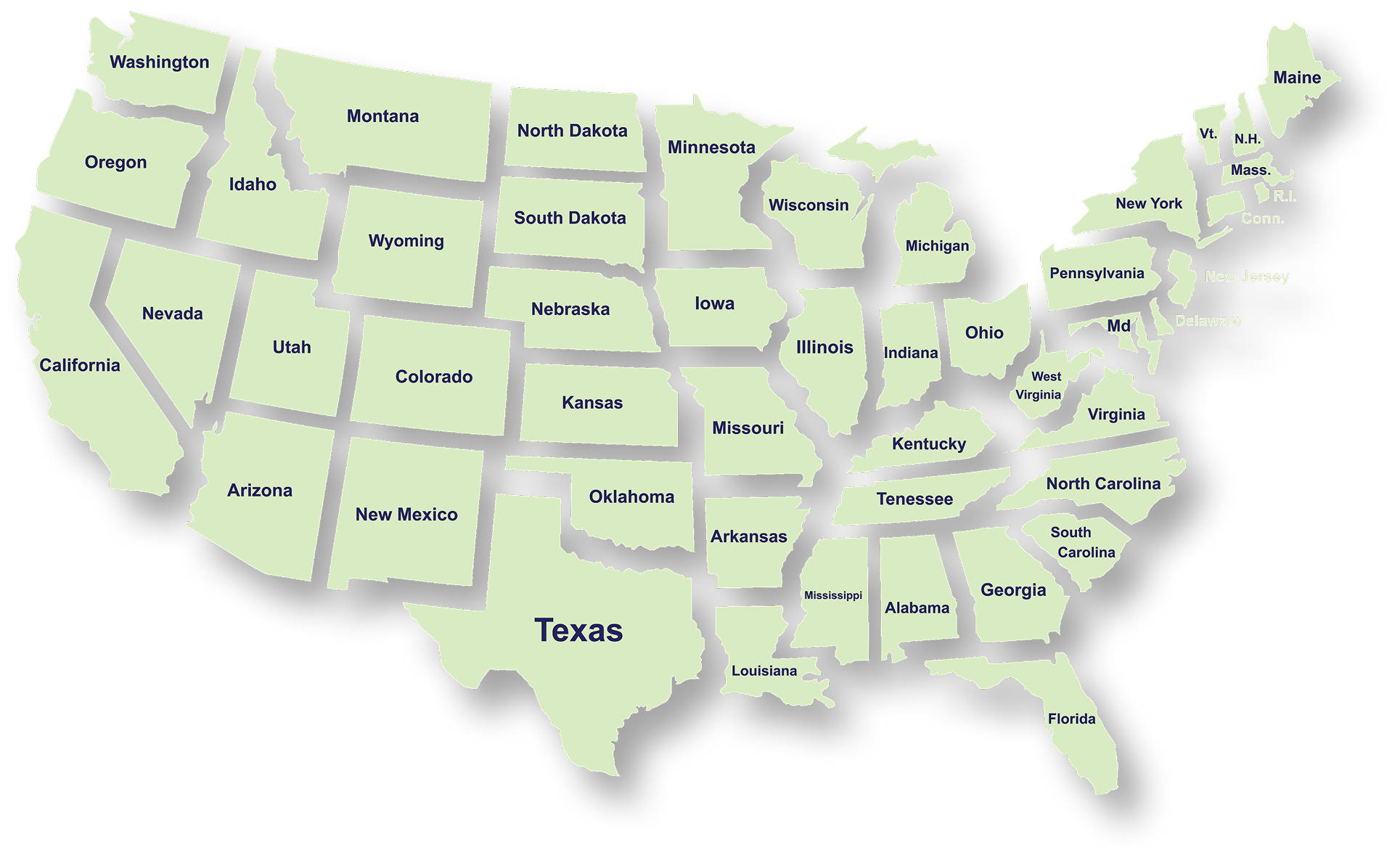
Serving Businesses & Individuals Across USA

We handle accounting, tax filing, and planning with defined timelines and accurate reporting for businesses and individuals across all states.

Frequently Asked Questions

What services does NR CPAs & Business Advisors provide?
What is tax planning and why is it important for businesses?
How can a Virtual CFO help my business?
When should a business consider IRS tax resolution services?
What financial statements does a business typically need?
How can startup advisory services help new businesses?
What is strategic business planning?
What is a Virtual Family Office and who can benefit from it?