Learning Center for Tax and Financial Insights

Stay updated with clear, actionable articles on tax rules, deadlines, deductions, and financial decisions that impact individuals and businesses.

No items found.

Alabama Federal Court Rules Corporate Transparency Act Unconstitutional

Article Highlights:Alabama Federal Court DecisionCorporate Transparency Act PurposeCourt Ruled Act OverreachedImplicationsFinancial Crimes Enforcement Network (FinCEN)FinCEN March 5, 2024, AnnouncementStatus of Reporting Pending Appeals by the Treasury DepartmentIn a landmark decision on March 1, 2024, a federal district court in Alabama declared the Corporate Transparency Act (CTA), a piece of legislation aimed at combating money laundering, unconstitutional. The ruling, delivered in the case of National Small Business United et al v. Yellen, No. 5:22-cv-1448-LCB, has sent shockwaves through the legal and business communities, challenging the federal government's efforts to increase transparency in business ownership.The CTA, enacted as part of a broader anti-money-laundering initiative in 2021, mandates that corporations, limited liability companies (LLCs), and similar entities disclose beneficial ownership information (BOI) to the government. This includes the identities and personal information of the beneficial owners and, for entities formed after January 1, 2024, the identities of the individuals who file applications to create these entities. The legislation was designed to peel back the layers of anonymity often exploited by money launderers and financial criminals, requiring detailed disclosures such as full legal names, addresses, taxpayer identification numbers, and birth dates of the owners and applicants.However, the federal court in Alabama, presided over by Judge Liles C. Burke, found the act to exceed the constitutional boundaries of legislative power. The court's opinion highlighted that while the goals of the CTA might be "sensible and praiseworthy," the means by which Congress sought to achieve these ends—by regulating millions of entities and their stakeholders based solely on their corporate status—lacked precedent and a sufficient nexus to any enumerated power. In essence, in the court’s view the act overreached, infringing on the rights and freedoms of businesses by imposing undue federal oversight and reporting requirements.The government had defended the CTA by citing Congress's plenary power to conduct foreign affairs, its authority under the Commerce Clause, and its taxing power as bases for the legislation. However, the court found these arguments unconvincing, ruling that the CTA was not a necessary or proper means of achieving Congress's policy goals within the scope of these powers.The implications of this ruling are significant. The CTA had imposed stringent penalties for non-compliance, including daily fines and the possibility of imprisonment, measures that the court in its ruling referred to as “severe” and highlighted that penalties could only apply to individuals and not the reporting entities. The Financial Crimes Enforcement Network (FinCEN), tasked with administering the act, estimated that the BOI reporting regulations would apply to over 32 million entities, with an additional 5 million entities added each year through 2034. The ruling, therefore, not only challenges the federal government's approach to combating money laundering but also relieves a substantial regulatory and financial burden from businesses across the United States.

Explore More
No items found.

Turning Tax Season Into Sales Season: Innovative Approaches for Businesses

Tax season isn’t just about paperwork and deadlines for American taxpayers. It's also an opportunity for businesses to get creative and connect with consumers in meaningful ways. From tax-themed promotions to exclusive events, companies are finding inventive ways to engage customers during this busy time of year. Let’s explore how businesses are harnessing tax season to boost sales and appeal to taxpayers.And, if you’re a small business owner yourself, you can take note, then try implementing some of these approaches yourself to turn tax season into your biggest sales season yet!Straight Talk Wireless Tax Stress Index EventLeading prepaid wireless service provider, Straight Talk, understands the stress that tax season can bring. To combat the pressure people may be feeling this time of year, the brand launched the “Straight Talk Wireless™ Tax Stress Index” to gauge consumer sentiment around tax time. According to a press release from parent company, Verizon, their survey revealed that 1 in 5 people have felt frustrated enough over their taxes to want to throw their phone! That’s 19% of respondents.To help alleviate this stress, Straight Talk hosted a unique event called ‘Tax Breaks’ in Miami on February 23-24. Attendees had the chance to vent their frustration by throwing a phone, with the option to receive a free Samsung Galaxy A14. For those unable to attend the Florida event in-person, Straight Talk offers relief through an exclusive tax season offer, providing a free Samsung Galaxy A14 with select plans. Cheryl Gresham, CMO of Verizon Value, emphasizes the value of these initiatives, saying, “‘Tax Breaks’ is all about throwing out the old and making room for the new, while taking advantage of savings needed most this time of year.”Partnering for SolutionsStraight Talk partnered with Bravo personality and entrepreneur Lindsay Hubbard to offer solutions for managing tax-time anxiety. Hubbard, known for her role on Bravo’s Summer House, understands the challenges of balancing work, relationships, and taxes. As part of her Straight Talk campaign, she expressed the importance of finding ways to save money, highlighting the benefits of prepaid wireless plans from the affordable brand. By providing savings and support, Straight Talk aims to empower consumers during tax season and throughout the year.Beyond Straight Talk: Creative Tax Season Ideas for BusinessesWhile Straight Talk’s event stands out for its ingenuity, businesses across all industries can find ways to capitalize on tax season. Here are some creative ideas to inspire your small business:

Explore More
No items found.

Video Tips: Protect Yourself When Your Identity Has Been Compromised

If you have experienced identity theft in the past, it is imperative to exercise heightened vigilance and proactive measures, especially during the tax season. For professional assistance and guidance, please contact the dedicated IRS Identity Protection Specialized Unit at 1-800-908-4490.

Explore More
No items found.

Top 10 Ways to Spot a Tax Scam

Tax season can be stressful enough without having to worry about falling victim to tax scams. With cybercrime and identity theft becoming increasingly prevalent as more people file their taxes online, it's wise to be vigilant and aware of potential scams targeting your personal information (and your financial well-being!) Here are the top 10 ways to spot a tax scam and protect yourself from becoming a victim:File Early: Beat scammers to the punch by filing your taxes as early as possible. This reduces the window of opportunity for fraudsters to file a false return in your name. Plus, you’ll probably get your tax refund faster!Sign Up for an IP PIN: The IRS offers an Identity Protection Personal Identification Number (IP PIN) program, providing an extra layer of security by requiring a unique code for tax filing. Consider enrolling to safeguard your tax return every year.Beware of Unsolicited Contact: The IRS never initiates contact via email, text, or social media to request personal information. Be wary of any communication claiming to be from the IRS and asking for sensitive data. The agency only sends initial correspondence via the United States Postal Service (USPS).Verify Caller Identity: If you receive a phone call purportedly from the IRS, verify the caller's identity. The IRS does not ask for credit or debit card numbers over the phone and will never demand payment via gift cards or cryptocurrency. Furthermore, legitimate IRS agents will identify themselves with their employee ID number as a matter of course.Watch for Spoofed Numbers: Scammers may use spoofing technology to make it appear as though they're calling from an official IRS number. Don't be fooled by the caller ID; always exercise caution when sharing personal information over the phone. Know the Payment Process: The IRS only accepts payments in U.S. dollars and will never insist on unconventional payment methods like gift cards or cryptocurrency. If a payment request seems suspicious, verify it directly with the IRS.Stay Informed: Educate yourself about common tax scams and stay updated on the latest tactics used by fraudsters. Awareness is key to avoiding falling victim to fraudulent schemes. Popular scams can change from one tax season to the next, so do your research annually.

Explore More
No items found.

Unique Charitable Giving Options

Article Highlights:Charitable Deduction AGI LimitationsDonations of Unused Employer Time OffContributions of Appreciated AssetsIRA to Charity ContributionsNon-cash ContributionsAvoiding Fraudulent CharitiesThere are some unique ways to make charitable contributions that can provide tax advantages to the donor. Before deciding about your charitable giving for the year, you may benefit from this article on ways to contribute that will help you tax-wise.Normally, deductible charitable contributions are limited by a percentage of your income, more specifically your adjusted gross income (AGI), which is the number on your tax return before your deductions are subtracted. For most charitable contributions the tax deduction limit is 50% of your AGI (increased to 60% for cash contributions made to public charities in 2018 through 2025), but it can drop to 30% or even 20% in certain situations. Additionally, charitable contributions are only allowed if you itemize your deductions, which most people will do only when their standard deduction is less than the total of their overall itemized deductions.Here are some of the unique ways of charitable giving that provide tax benefits to the donor:Donate Unused Employee Time Off - As they have done before in the wake of disasters, including Hurricane Katrina, Superstorm Sandy, COVD-19, and Ukrainian relief, the Internal Revenue Service is allowing special contributions for Maui wildfire relief. It permits employees to donate their unused paid vacation, sick leave, and personal leave time to charities that are providing relief to victims of the Maui wildfire that began August 8, 2023.It is referred to as leave-based donations and here is how it works: if your employer is participating, you can relinquish any unused and paid vacation time, sick leave, and personal leave for cash payments which your employer will donate to relief charitable organizations. The cash payment will not be treated as wages to you and your employer can deduct the amount donated as a charitable contribution or a business expense.However, since the income isn’t taxable to you, you will not be allowed to claim the donation as a charitable deduction on your tax return. Even so, excluding income is often worth more as tax savings than a potential tax deduction, especially if you generally claim the standard deduction or you are subject to AGI-based limitations.This special relief applies to all donations made before January 1, 2025, giving individuals time yet in 2024 to forgo their unused paid vacation, sick and leave time and have the cash value donated to help those who lost everything, including their homes, livelihood and even family in this devastating disaster.This is a great opportunity to provide sorely needed help in the aftermath of the wildfire without costing you anything but time. Contact your employer to see if they are participating, and if not, make them aware of the unique opportunity. They benefit by not having to pay payroll taxes on the cash equivalent of the donated time, so it is worth their time to participate. If your employer is unaware of his program refer them to IRS Notice 2023-69 for further details. Contributions of Appreciated Assets – Although this is not a new strategy, it may be one you aren’t aware of. Taxpayers can donate appreciated long-term capital gain assets to a charity and deduct the fair market value (FMV) of the assets as a charitable deduction. For example, suppose you donate to your church’s building fund a stock that is worth $10,000 but that only cost you $2,000. Your charitable contribution would be $10,000, and you do not have to pay tax on the $8,000 appreciation in the stock. This strategy can also apply to land, homes, rentals, equipment, etc. Determining the FMV for listed stock is easy since the value of the stock can be determined from quoted stock prices on the day of the contribution. For other capital assets, a certified appraisal is generally required. It would be good practice to contact this office before making a gift of appreciated property to make sure that it is appropriate for your tax bracket and that the appraisal is properly performed and documented.IRA to Charity Contributions – This charitable contribution, termed a qualified charitable distribution (QCD), is limited to taxpayers aged 70½ and older. They can directly transfer up to $100,000 a year from their IRA to a qualified charity. So if you are 70½ or older and make an IRA-to-charity transfer you won’t get a charity deduction, but instead and even better, you will not have to pay taxes on the distribution, and because your AGI will be lower, you can benefit from other tax provisions that are pegged to AGI, such as the amount of Social Security income that’s taxable and the cost of Medicare B insurance premiums for higher-income taxpayers. As an additional bonus, if you are required to take an annual required minimum distribution from your IRA, the transfer also counts toward your RMD.Caveat: Beginning in 2020 Congress repealed the age limit for making IRA contributions. Which means a taxpayer can make traditional IRA contributions (if they have earned income) and QCDs after reaching age 70½. As a result, Congress included a provision in the tax law requiring a taxpayer who qualifies to make a QCD to reduce the QCD non-taxable portion by any traditional IRA contribution made after reaching 70½ that was deducted, even if they are not in the same year.Charity Volunteer Deductions – If you do volunteer work for a charity, you cannot claim a charitable contribution deduction for the time you spend performing qualified charitable services. However, you can deduct out-of-pocket expenses you incur in performing those services. Here are some examples:Entertaining For Charity - You may deduct the cost of entertaining others on behalf of a charity (e.g., wining and dining potential large contributors), but the cost of your own entertainment (or meal) is not deductible. The meals or entertainment on behalf of a charity may be provided in your home. Uniforms - The cost of uniforms required to be worn when providing services to a charity are deductible as long as the uniforms have no general utility. The cost of cleaning the uniform also may be deducted. Treat these out-of-pocket expenses as “cash” donations rather than “property” donations.Charitable Away-From-Home Travel - Volunteers often pay their own way when they travel away from home overnight in connection with charitable work. If you travel away from home overnight, including to foreign locations, to do charitable work for a qualified organization, you may generally deduct the same types of expenses that may be claimed by a taxpayer who makes a similar trip for business purposes. These out-of-pocket costs are deductible if they are properly substantiated non-lobbying expenses, they are reasonable in amount, and there is no significant element of personal pleasure, recreation, or vacation in the travel. Deductible expenses include your out-of-pocket roundtrip travel cost, taxi fares and other costs of transportation between the airport or station and the hotel, lodging and meals.Meals - If you are a volunteer traveling away from home overnight for a charity-related purpose, you may deduct 100% of your meal costs, since charity meals are not subject to the 50% reduction that applies to business meals.

Explore More
No items found.

Biden’s Tax Agenda

Article Highlights: Capital Gains Medicare Tax High Wealth Minimum Tax Top Marginal Tax Rate Corporate Tax Rate Corporate Minimum Tax Global Minimum Tax Basis Step-Up Carried Interest Stock Buyback Tax Executive Compensation Private Jets Like-Kind Exchanges Cryptocurrency Losses Cryptocurrency Mining Estate and Gift Taxes Oil and Gas Tax Incentives Child Tax Credit Earned Income Tax Credit Premium Tax Credit High-Income Taxpayers Retirement Account Contributions During his State of the Union Address before Congress on March 7, 2024, President Biden presented an overview of his tax agenda proposed for the 2025 fiscal year budget. The White House also released a fact sheet with highlights of the President’s tax proposals along with an analysis of the need and benefits of the proposed changes. Here is a general overview of the proposed tax changes: Capital Gains – At the center of the President’s proposal is an increase in the capital gains tax for higher income taxpayers. For several years, long-term capital gains and qualified dividends have been taxed at preferential rates of 0%, 15% or 20%, with the capital gains rates depending on the taxpayer’s taxable income. 2024 CAPITAL GAINS RATE RANGES Filing Status 0% Rate 15% Rate 20% Rate Single 0 - $47,025 $47,026 - $518,899 $518,900 & Above Head of Household 0 - $63,000 $63,001 - $551,349 $551,350 & Above Married Filing Joint 0 - $94,050 $94,051 - $583,749 $583,750 & Above Married Filing Separate 0 - $47,025 $47,026 - $291,849 $291,850 & Above The budget proposal would increase the capital-gains tax rate to equalize the taxation of investment and wage income. That would mean capital gains for those with taxable incomes of at least $1 million would be taxed at a base rate of 39.6%, up from the previous maximum of 20%. The 39.6% rate is an increase from the current top rate of 37% (see more below). Medicare Tax – Currently there is a Medicare surtax of 3.8% of the lesser of the taxpayer’s net investment income or the excess of the taxpayer’s modified adjusted gross income over the threshold amount ($250,000 for a joint return or surviving spouse, $125,000 for a married individual filing a separate return, and $200,000 for all others). Note: These amounts are not indexed for inflation. The budget proposal would increase the 3.8% Medicare tax to 5% for those with earnings in excess of $400,000. The purpose of this proposed increase is to shore up the Medicare trust fund. This would result in a 44.6% (39.6% plus 5%) federal rate for the richest taxpayers. Under current law some business owners can avoid Medicare taxes on some of the profits they get from pass-through businesses, such as S corporations. The President’s Budget proposal closes this loophole. It is interesting to note that President Biden benefited from the current law in the past as he set up an S corp to receive the income from his lectures and book royalties, thus avoiding Medicare taxes on some of that income. High Wealth Minimum Tax – The budget proposal includes a 25% minimum tax rate on income of families worth $100 million or more. This would require an annual determination of a taxpayer’s net worth, which in itself would be complicated for families near the $100 million threshold. Top Marginal Tax Rate – Currently the top personal marginal tax rate is 37%. The budget proposal would increase the top personal-income tax rate to 39.6% for those making more than $400,000 ($450,000 for joint filers). This higher rate would reverse a tax cut that was part Tax Cuts and Jobs Act (TCJA) set to expire after 2025. Corporate Tax Rate – Currently the federal corporate tax rate is a flat rate of 21% set by the TCJA and scheduled to expire after 2025. The budget proposal would increase the corporate tax rate to 28%. Corporate Minimum Tax – The President also proposes increasing the current 15% corporate minimum tax on domestic companies to 21%. Global Minimum Tax - Also proposed is adopting the under-taxed profits rule included in the Organization for Economic Cooperation and Development's global minimum tax, which would allow the U.S. to tax a company if it is paying below a 15% rate and the country where the business is headquartered also isn't applying the 15% minimum rules.

Explore More
No results found.
Thank you! Your submission has been received!
Oops! Something went wrong while submitting the form.

Want tax & accounting tips & insights?Sign up for our newsletter.

Thank you! Your submission has been received!
Oops! Something went wrong while submitting the form.

Why Work With Us?

We combine deep tax expertise, financial strategy, and practical business insight to help you manage complexity, stay compliant, and make confident financial decisions.
A dollar sign, representing financial advice or discussion at NR CPAs & Business Advisors.

Experienced CPA and Enrolled Agent Leadership

Guidance led by licensed professionals with deep expertise in tax strategy, compliance, and complex financial matters.
White bar chart with an upward arrow on green circular background representing growth or progress at NR CPAs &. Business Advisors

Support for Growing Businesses and Startups

We understand the financial challenges of growth stage businesses and provide structured guidance to support expansion.
A white hand holding a dollar symbol and ascending bar chart on a green circular background representing financial growth or investment at NR CPAs & Business Advisors..

Strategic Financial Advisory

Our team helps you evaluate financial decisions with greater clarity, supported by practical insights and long term planning.

Fractional CFO Support

Access experienced financial leadership without the commitment and cost of hiring a full time Chief Financial Officer.

Proactive Tax Planning Approach

We focus on identifying tax opportunities throughout the year rather than reacting only during filing season.

Clear and Reliable Financial Reporting

Accurate financial statements and reporting that help you better understand performance and make informed decisions.
White IRS building icon with pillars and a dollar sign above on a green circular background.

Professional IRS Representation

Experienced support in resolving IRS notices, disputes, and compliance matters while protecting your financial interests.

Personalized Client Focus

Every client receives thoughtful attention and tailored financial solutions based on their specific needs and business goals.
Financial matters often involve important decisions. Working with experienced advisors can help you approach them with greater clarity and confidence in your choices.

Need Help With Your Tax or Financial Decisions?

Discuss your situation with our advisors to get clear guidance on tax planning, IRS matters, and the financial decisions ahead.
Business consulting at NR CPAs & Business Advisors.

Request Your Consultation

Fill out the form to discuss your tax concerns, financial questions, or advisory needs with our team. We will review your details and respond shortly.

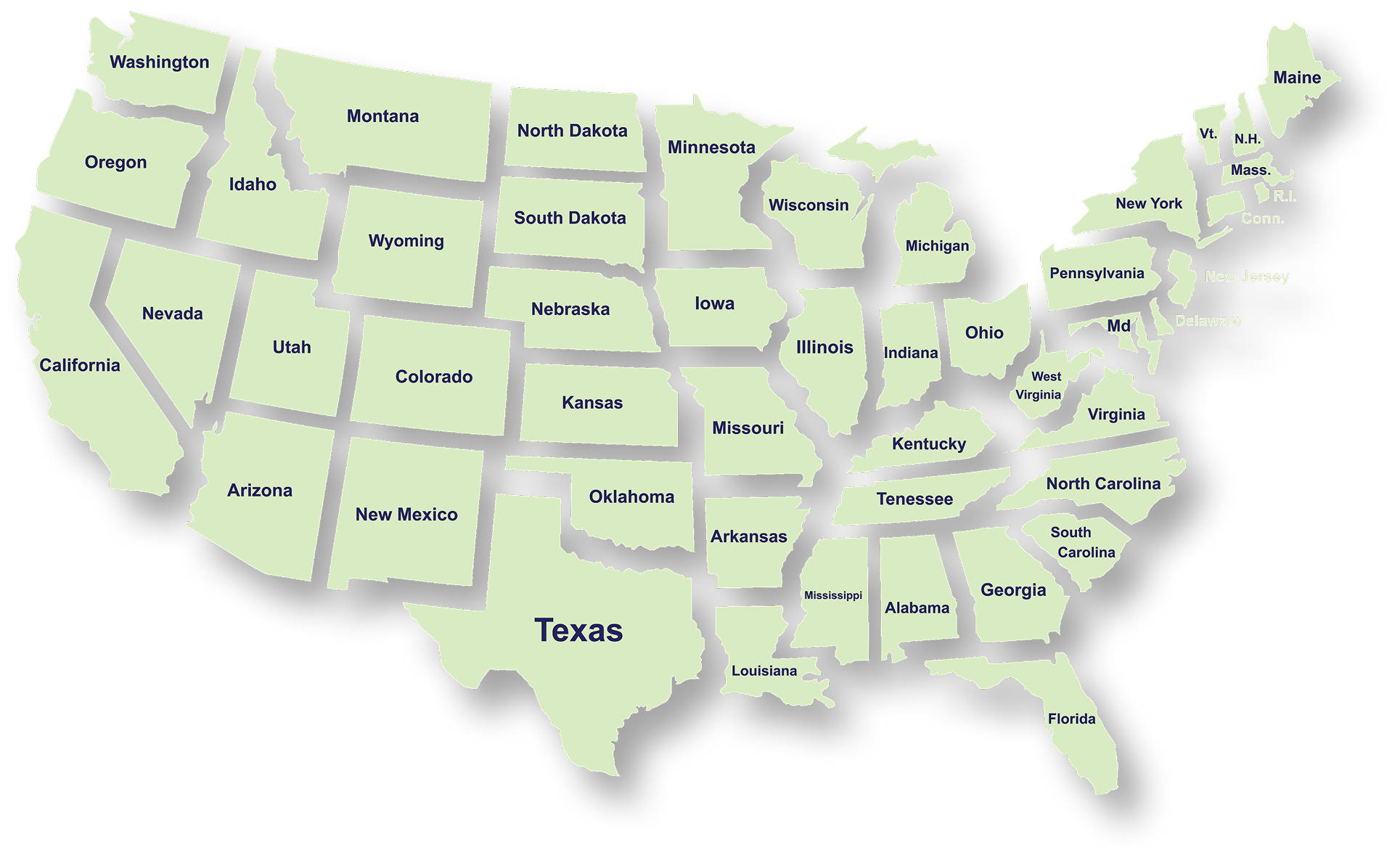
Serving Businesses & Individuals Across USA

We handle accounting, tax filing, and planning with defined timelines and accurate reporting for businesses and individuals across all states.

Frequently Asked Questions

What services does NR CPAs & Business Advisors provide?
What is tax planning and why is it important for businesses?
How can a Virtual CFO help my business?
When should a business consider IRS tax resolution services?
What financial statements does a business typically need?
How can startup advisory services help new businesses?
What is strategic business planning?
What is a Virtual Family Office and who can benefit from it?