Learning Center for Tax and Financial Insights

Stay updated with clear, actionable articles on tax rules, deadlines, deductions, and financial decisions that impact individuals and businesses.

No items found.

Does a Foreign Entity Need a U.S. Identification Number?

Article Highlights:Foreign Entities Conducting Business in the U.S.U.S. AddressApplying for an EINBy TelephoneEIN OnlineBy Fax or MailUpdating EIN InformationIt is mandatory for foreign entities that are conducting business in the United States to have an Employer Identification Number (EIN). It is needed for tax and payroll reporting and U.S. banks will require one to establish accounts. To qualify for an EIN, a foreign entity must have a business or trade in the United States or be planning to start one soon. An EIN is also needed for filing Form 5472 -Information Return of a 25% Foreign-Owned U.S. Corporation or a Foreign Corporation Engaged in a U.S. Trade or Business.In addition, foreign entities that are not individuals (i.e., foreign corporations, etc.) are required to have an EIN to claim an exemption from withholding because of a tax treaty provision (claimed on Form W-8BEN).Foreign entities don’t need a physical address in the U.S. to get an EIN, but having one makes it much easier to get a bank account in the U.S. An EIN can be obtained in several ways using IRS Form SS-4, including online, by mail, by FAX, and by telephone. Here is an overview of the options:By Telephone – This option is available to international applicants only. If the applicant has no legal residence, principal place of business, or principal office or agency in the U.S. or U.S. possessions, the applicant may call 267-941-1099 (not a toll-free number), 6:00 a.m. to 11:00 p.m. (Eastern time), Monday through Friday, to obtain an EIN.However, the person making the call must be authorized to receive the EIN and answer questions concerning Form SS-4. Complete the Third-Party Designee section only to authorize the named individual to receive the entity’s EIN and answer questions about the completion of Form SS-4. The designee’s authority terminates at the time the EIN is assigned and released to the designee.Note - Complete Form SS-4 before calling the IRS to make sure all the information needed is available at the time of the call. An IRS representative will use the information from Form SS-4 to establish the entity’s account and assign an EIN. The person making the call to the IRS should write the number given by the IRS assister on the upper right corner of the form and sign and date it. This copy should be kept by the applicant for their records.By EIN Online – The application can be submitted online. It would be wise for the individual submitting the application to manually complete the SS-4 in advance to ensure they have all the necessary information. The online application must be completed in a single visit; the information cannot be saved and completed later. In addition, a session will timeoutafter 15 minutes of inactivity, and the applicant will need to start over. The EIN is immediately available.The principal officer, general partner, or owner of the business must have a valid taxpayer identification number (SSN, EIN, or ITIN) in order to use the online application.Note also that if there is NO legal residence, principal place of business, or principal office or agency in the U.S. or U.S. possessions, the online application cannot be used to obtain an EIN.By Mail or FAX – Visit the IRS website for current addresses and FAX numbers. When faxing, the EIN will generally be available within 4 business days. By mail it will take approximately 4 weeks.

Explore More
No items found.

New Zealand's U-Turn on Smoking Ban Sparks Backlash

In a surprising move, New Zealand's new government has reversed its progressive smoking ban introduced just a year ago, causing an uproar among public health officials and anti-tobacco groups. The groundbreaking legislation aimed to prohibit the sale of tobacco to individuals born after January 1, 2009, and was applauded globally for its commitment to saving lives and curbing smoking among young adults. However, newly elected Prime Minister, Chris Luxon, defended the decision to backtrack, citing concerns about a potential black market boom and emphasizing the need for a more balanced approach.The initial smoking ban, originally set to be implemented by July 2024, included stringent penalties for violations, such as fines of up to NZ$150,000 (USD$96,000). Luxon, leading a coalition alliance with New Zealand First and ACT New Zealand parties, argued against the ban, suggesting it could lead to unintended consequences. Now, per a CNN report, the government plans to focus on education programs and encouraging the use of vapes as a cessation tool. Hagen Hopkins/Getty Images News via Getty ImagesThe reversal has drawn criticism from various quarters, including former health minister Ayeshea Verrall, who expressed concern about the negative impact on the nation's health and accused the government of prioritizing economic interests over human lives. The Health Coalition Aotearoa (HCA) labeled it a "major loss for public health" and criticized the move for benefiting the tobacco industry at the expense of Kiwi lives.

Explore More
No items found.

Video Tips: Using Clean Vehicle Credit as a Down Payment Beginning in 2024

The Inflation Reduction Act provides taxpayers with credits for qualified new and previously owned clean vehicles acquired and placed in service during the taxable year. Beginning with vehicle purchases as of Jan. 1, 2024, in certain situations, taxpayers will be able to transfer the new and previously owned clean vehicle credits to the dealer which can be used to reduce the purchase price or go towards the down payment.

Explore More
No items found.

Clean Vehicle Credit Can Be Transferred to Dealer to Offset Purchase Price

Article Highlights:Special Transfer OptionDoes the Vehicle Qualify for CreditMSRP and Purchase PriceTaxpayer QualificationsModified AGIApplying for the Credit TransferChange of MindAbout the CreditBeginning in 2024, a special election allows a taxpayer purchasing a new clean vehicle or previously owned clean vehicle, to transfer the entirety of the allowable credit to an eligible (registered) dealer. The dealer in turn applies the credit to the purchase of the vehicle. In short, the tax credit can be applied to reduce the cost of the purchase by the amount of the credit. This also make it easier for taxpayers to meet down payment requirements and avoids waiting for the credit until their tax return for the year of purchase is filed.The dealer will be reimbursed by the federal government for the credit amount that is applied to the purchase.A buyer choosing to transfer the credit to the dealer is not mandatory, and taxpayers can still choose to claim the tax credit on their return instead of transferring a new or previously owned clean vehicle tax credit to the dealer. However, should a taxpayer choose to transfer the credit to an eligible dealer there are several issues that should be considered before making that decision.Does The Vehicle Qualify for Credit? – Although a dealer must provide a certification that the particular vehicle qualifies for the credit, someone shopping for credit-qualified vehicles may wish to first determine which vehicles, both new and previously owned, qualify for credit. The following websites will provide that information.New vehicles qualifying for credit is provided by The Department of Energy.Previously owned clean vehicles qualifying for credit is provided by the IRS. Qualified vehicles must also have prices below certain caps. For new vehicles, the manufacturer suggested retail prices (MSRP) must be below $80,000 for SUVs, vans, and trucks and $55,000 for others. For a previously owned clean vehicle the dealer price must be $25,000 or less. In addition, a previously owned clean vehicle must be amodel year which is at least two years earlier than the calendar year in which the taxpayer acquires it. Taxpayer Qualifications – First and foremost, a taxpayer needs to make sure they qualify for a credit. The credit, beginning in 2023, limits the income of the buyer that can qualify for a credit and these limitations are different for new clean vehicles and previously owned clean vehicles. If their modified adjusted gross income (MAGI) is even $1 over the limit, the taxpayer will not qualify for the credit. Taxpayers can use the MAGI from either their 1040 return for the year of purchase or the return for the previous year. Thus, if purchasing a vehicle in 2024, either the 2023 or 2024 MAGI can be used. The MAGI limitations are illustrated in the table below.BUYER INCOME LIMITATIONS - QUALIFIED CLEAN VEHICLESFiling StatusModified AGI -New VehiclesPreviously Owned VehiclesMarried Filing Joint & Surviving Spouse$300,000$150,000Head of Household$225,000$112,500Others$150,000$75,000

Explore More
No items found.

Breaking: IRS Restarts Collection Notices But Adds Penalty Relief

In a significant development to assist individuals, businesses, and tax-exempt organizations grappling with back taxes, the Internal Revenue Service (IRS) has introduced new penalty relief for approximately 4.7 million entities that did not receive automated collection reminder notices during the pandemic.The IRS is allocating around $1 billion in penalty relief, primarily benefiting those with annual incomes below $400,000. The temporary suspension of automated reminders during the pandemic led to the accrual of failure-to-pay penalties for taxpayers who didn't fully settle their bills after the initial notice.The IRS proactively addresses this before resuming regular collection notices for tax years 2020 and 2021. It plans to issue unique reminder letters next month, alerting taxpayers of their liabilities, providing convenient payment options, and specifying the amount of penalty relief, if applicable.For those unable to pay their full balance, the IRS encourages them to visit IRS.gov/payments to make arrangements. Additionally, the IRS is waiving failure-to-pay penalties for eligible taxpayers affected by this situation for tax years 2020 and 2021, which are estimated to cover 5 million tax returns and save taxpayers $1 billion.The penalty relief is automatic, requiring no action from eligible taxpayers. The IRS has adjusted individual accounts first, followed by business accounts and, subsequently, trusts, estates, and tax-exempt organizations. Notice 2024-7PDF outlines how the agency is providing relief and addressing COVID-19-related challenges.

Explore More
No items found.

8 Steps to Avoid Common Tax and Accounting Mistakes

Successfully steering a small business involves adeptly managing its financial intricacies. Amid the myriad responsibilities, tax and accounting often prove to be a potential minefield for entrepreneurs, with common mistakes capable of significantly impacting a business's fiscal health. We will delve into each of the eight common tax and accounting mistakes, providing insights into why they occur and, more importantly, offering detailed strategies to prevent them.1. Overstating Cash Flow: Takeaway:Cash flow is the heartbeat of any business, and misjudging its volume can lead to operational challenges and financial strain. Regularly updating and meticulously reviewing cash flow statements, facilitated by cutting-edge accounting software, emerges as a critical practice. This not only ensures the accuracy of tracking funds but also empowers businesses to make informed financial decisions.2. Inaccurate Income Tracking:The precision of tracking business revenue is pivotal in steering clear of tax complications. Establishing a robust system for recording income sources and instituting regular reconciliations with bank statements are indispensable practices. This not only prevents potential reporting errors but also provides a reliable foundation for strategic financial planning.3. Inadequate Expense Tracking:Failure to comprehensively track business expenses can distort taxable income and result in increased tax liabilities. Implementing advanced expense tracking tools or software proves transformative, automating the process and guaranteeing the accurate recording and categorization of all business-related expenses.4. Neglecting Invoice Payments:Late payments due to overlooked due dates for vendor invoices can strain relationships and incur additional costs. By implementing an effective accounts payable system and proactively setting reminders for due dates, businesses can cultivate positive relationships with vendors and avoid unnecessary financial burdens.5. Ignoring Fraud Indicators:Outsourcing accounting tasks without active monitoring or implementing internal controls can expose a business to potential fraud. Regularly reviewing financial statements, establishing robust internal controls, and conducting periodic audits fortify a business against fraudulent activities, fostering financial integrity.

Explore More
No results found.
Thank you! Your submission has been received!
Oops! Something went wrong while submitting the form.

Want tax & accounting tips & insights?Sign up for our newsletter.

Thank you! Your submission has been received!
Oops! Something went wrong while submitting the form.

Why Work With Us?

We combine deep tax expertise, financial strategy, and practical business insight to help you manage complexity, stay compliant, and make confident financial decisions.
A dollar sign, representing financial advice or discussion at NR CPAs & Business Advisors.

Experienced CPA and Enrolled Agent Leadership

Guidance led by licensed professionals with deep expertise in tax strategy, compliance, and complex financial matters.
White bar chart with an upward arrow on green circular background representing growth or progress at NR CPAs &. Business Advisors

Support for Growing Businesses and Startups

We understand the financial challenges of growth stage businesses and provide structured guidance to support expansion.
A white hand holding a dollar symbol and ascending bar chart on a green circular background representing financial growth or investment at NR CPAs & Business Advisors..

Strategic Financial Advisory

Our team helps you evaluate financial decisions with greater clarity, supported by practical insights and long term planning.

Fractional CFO Support

Access experienced financial leadership without the commitment and cost of hiring a full time Chief Financial Officer.

Proactive Tax Planning Approach

We focus on identifying tax opportunities throughout the year rather than reacting only during filing season.

Clear and Reliable Financial Reporting

Accurate financial statements and reporting that help you better understand performance and make informed decisions.
White IRS building icon with pillars and a dollar sign above on a green circular background.

Professional IRS Representation

Experienced support in resolving IRS notices, disputes, and compliance matters while protecting your financial interests.

Personalized Client Focus

Every client receives thoughtful attention and tailored financial solutions based on their specific needs and business goals.
Financial matters often involve important decisions. Working with experienced advisors can help you approach them with greater clarity and confidence in your choices.

Need Help With Your Tax or Financial Decisions?

Discuss your situation with our advisors to get clear guidance on tax planning, IRS matters, and the financial decisions ahead.
Business consulting at NR CPAs & Business Advisors.

Request Your Consultation

Fill out the form to discuss your tax concerns, financial questions, or advisory needs with our team. We will review your details and respond shortly.

Serving Businesses & Individuals Across USA

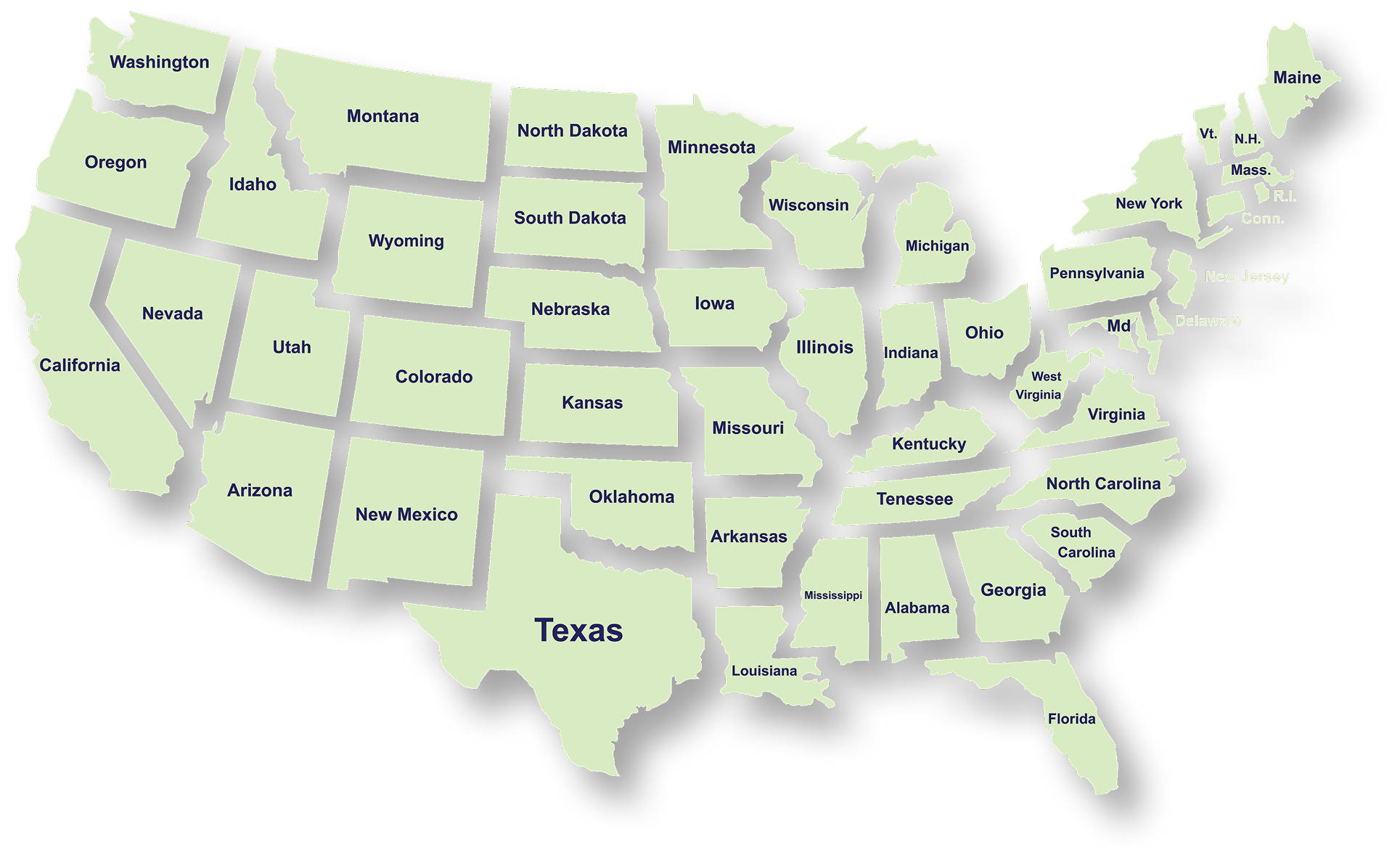
We handle accounting, tax filing, and planning with defined timelines and accurate reporting for businesses and individuals across all states.

Frequently Asked Questions

What services does NR CPAs & Business Advisors provide?
What is tax planning and why is it important for businesses?
How can a Virtual CFO help my business?
When should a business consider IRS tax resolution services?
What financial statements does a business typically need?
How can startup advisory services help new businesses?
What is strategic business planning?
What is a Virtual Family Office and who can benefit from it?