Learning Center for Tax and Financial Insights

Stay updated with clear, actionable articles on tax rules, deadlines, deductions, and financial decisions that impact individuals and businesses.

No items found.

Understanding Self-Employment Tax

Article Highlights: Self-Employment TaxExemptions From Self-Employment TaxOccasional IncomeComputing the Self-Employment TaxFarm and Non-Farm Optional MethodsForeign Earned Income Self-employment (SE) tax is a tax consisting of Social Security and Medicare taxes primarily for individuals who work for themselves. It is like the Social Security and Medicare taxes withheld from the pay of most wage earners. But unlike wage earners who pay half the Social Security and Medicare taxes with their employers paying an equal amount of these employment taxes, the self-employed person pays both halves of the taxes.Self-employment tax applies to individuals who work for themselves and make a net profit. The profit is derived from carrying on a trade or business, and it is generally reported on Schedule C. If the net profit exceeds $400 for a tax year, then self-employment tax applies. It is calculated using Schedule SE, which is filed with the individual's federal tax return.In general, you're considered self-employed if you are a sole proprietor, independent contractor, member of a partnership, or are otherwise in business for yourself. You can be a full-time business owner with or without employees or just do freelance or gig work on the side.Exemptions From Self-Employment Tax - There are several situations where individuals are exempt from self-employment tax. These include:A shareholder’s portion of an S corporation’s taxable income.Fees for the services of a notary public.Non-resident aliens.Real estate rental income.Rents paid in crop shares.Statutory employees.The fiduciary of an estate on an isolated basis.Members of the clergy who take a vow of poverty.Termination payments of former insurance salespeople.In addition to these situations, occasional income that is not accompanied by efforts to continue in the activity for compensation are free of self-employment tax. This means that receiving a 1099 form that reports the income may not require you to pay SE tax on the payment but income tax may still apply.The inflation adjusted SE tax rate for 2024 is 15.3% on the first $168,000 (up from $160,200 in 2023) of net SE income and then continues at a rate of 2.9% on the net income more than $168,000. The 15.3% rate is the sum of a 12.4% Social Security tax and a 2.9% Medicare tax on net earnings.For net profits more than $200,000 for single taxpayers ($250,000 for married filing jointly), an additional 0.9% in Medicare tax is required.Where an individual also has wages from an employer, the amount of self-employment income subject to the 12.4% portion of the self-employment tax cannot exceed the $168,000 cap for the year less the amount of the W-2 income subject to FICA withholding.For example, if an individual earns $140,000 in W-2 wages and $40,000 in self-employment income in 2024, they will only owe the 12.4% self-employment taxes on $12,000 ($140,000 + $40,000) - $168,000). But the entire $40,000 will be subject to the 2.9% Medicare tax.

Explore More
No items found.

IRS Disallowing 20,000 Employee Retention Credit (ERC) Claims

Article Highlights:Initial ERC Claim Disallowance Letters IssuedDubious TV PromotionsClaim Withdrawal Process How These Letters Help TaxpayersIn its ongoing effort to combat questionable Employee Retention Credit (ERC) claims, the IRS has sent more than 20,000 letters advising taxpayers that the agency is disallowing their claims. This initial batch of letters is going to businesses that did not exist or did not have paid employees during the eligibility period (March 13, 2020, and December 31, 2021) to claim the claim the credit. We previously posted a September 29th article cautioning business owners to be cautious of the aggressive marketing on TV related to ERC claims which was followed by a November 9th article that included a procedure for those who made ineligible clams to withdraw the claims and avoid future problems with the IRS.

Explore More
No items found.

Video Tips: Business Owners, Remember to File Your 1099s

If you pay workers other than employees $600 or more for the year, remember to issue a Form 1099-NEC after the end of year.

Explore More
No items found.

How Much Income Would You Give Up to Work Remotely?

The seismic shift toward remote work has become a game-changer, with profound implications for personal finances. According to Stanford University economist Nicholas Bloom, remote work is not only altering the way we work but also reshaping our financial dynamics. Let's delve into the compelling incentives for remote work, backed by insightful statistics and practical strategies to leverage these changes for financial prosperity.Remote Work: More Than a TrendThe surge in remote work, catalyzed by the pandemic, has become one of the most significant changes to the U.S. economy since World War II, according to Stanford scholar Nicholas Bloom. The data reveals a substantial increase, with about 30% of employees currently working remotely compared to a pre-pandemic average of 5%. This shift is not just a passing trend but a transformative force with long-term implications.Financial Benefits of Remote Work1. Salary Sacrifice for Remote FreedomBloom's research indicates that prospective employees are willing to sacrifice up to 8% of their annual salary for the flexibility of a remote or hybrid work arrangement. For a worker earning the median salary of $58,000, that amounts to potential savings of $4,600 annually. This financial sacrifice, however, pales in comparison to the potential gains and cost savings associated with remote work.2. Cost Savings Beyond SalaryWorking remotely unlocks a cascade of financial advantages. Employees no longer contend with daily expenses related to commuting, business attire, and lunch. A recent report from Owl Labs estimates that hybrid workers spend approximately $31 more per day than their remote counterparts. This could translate to almost $1,000 a month or $12,000 a year, surpassing the potential salary sacrifice for remote work.3. Additional Savings for Care ResponsibilitiesRemote employees with caregiving responsibilities, whether for children or pets, benefit from significant savings by avoiding the additional costs of care services. These savings, which can amount to thousands of dollars annually, contribute to the overall financial advantages of remote work.4. Geographic FlexibilityBloom suggests that remote workers can further optimize savings by relocating to more cost-effective areas. However, caution is advised, as purchasing a new home solely based on a remote work arrangement may pose risks if the employer alters the terms.

Explore More
No items found.

What Income Is Taxable?

Article Highlights:What is Taxable IncomeSection 61(a) of the Internal Revenue CodeNo 1099Cash SalesReselling Sports and Concert TicketsCrowdfundingOn-line Garage SalesThe answer to the question “what income is taxable?” can have some surprising outcomes, and this article explores some of the commonly encountered situations that could have unexpected results.But first we need to visit Section 61(a) of the Internal Revenue Code. That code section defines gross income as income from whatever source derived, unless specifically excluded by other parts of the tax code, including (but not limited to) compensation for services, including fees, commissions, fringe benefits, and similar items. Taking that to extremes, if you are walking down the street and find a $10 bill that you keep, that is technically $10 of taxable income.We all know, or should know, that the W-2 wages, 1099 income from interest, dividends, retirement, business and farming profits, investment income, capital gains, etc., are taxable in some manner. But there are other sources of income that individuals do not associate with taxable income, or ignore because they don’t want to report the income. Here are some examples:No 1099 – Payers of certain types of income are required to issue a Form 1099 to the IRS, with a copy to the income recipient, when the income they paid to an individual exceeds a certain amount, generally $600 or more. Many individuals misunderstand the $600, thinking that income less than $600 is not taxable. This is not true; the $600 is simply a filing threshold for 1099s and all the income is taxable, even amounts under the $600 threshold. The same holds true for interest income where the filing threshold for a 1099-INT by a bank or brokerage company is $10. Even if the account holder receives interest under $10, that income is still to be reported on their tax return.Cash Sales – Some businesspeople tend not to include cash sales in their business income thinking it cannot be traced. The IRS, being aware of that behavior, created the Form 1099-K some years back that required third-party transactions such as those by credit card companies, eBay, Stub-Hub, TaskRabbit (when hiring out their services)and others to be reported on 1099-Ks when an individual’s transactions exceeded a threshold of$20,000 and the aggregate number of transactions were 200 or more during the calendar year. At the same time the IRS conducted studies of various types of businesses to determine what percentage of income was derived from cash sales. This gave the IRS the ability to compare a business’s reported gross sale to the 1099-K reported transactions and identify those businesses under-reporting their income and not including an amount for cash sales.Beginning for 2023, the threshold for third-party 1099-K reporting has been dropped to $600, which may shock individuals with side hustles selling goods online with a service like eBay and who have not been reporting the business on their taxes. Reselling Sports and Concert Tickets – When someone purchases an event ticket and then resells it at a higher price, the profit is taxable income. If the resale transaction is handled by a third party such as Stub-hub, the third party is required to issue the 1099-K if the sales exceed the reporting threshold. This may come as a surprise for some individuals now that the 1099-K reporting threshold has been reduced to $600. Based on the price of event tickets these days it won’t take much to reach the $600 threshold.Another issue is whether this is an occasional act by the taxpayer or a concerted effort to turn a profit. If an occasional act, the transaction can be reported as short-term capital gain (a long-term capital gain, which has a lower tax rate, requires tickets to be held for a year and a day, almost always not possible), the same as a stock sale. However, if reselling tickets is frequent and consistent, it is most likely a business and the income needs to be reported on Schedule C. The profits from a Schedule C are not only subject to income tax, they are also subject to a 15.3% self-employment tax. The 15.3% is a combination of the SE Tax rate and the 2.9% Medicare tax rate.Crowdfunding - Money raised from online crowdfunding sites for purposes other than business is generally treated as a nontaxable gift if the contribution is made with a detached generosity. But a “gift tax trap” occurs when an individual establishes a crowdfunding account to help someone else in need (whom we’ll call the beneficiary) and takes possession of the funds before passing the money on to the beneficiary. Because the fundraiser has possession of the funds, the contributions are treated as a tax-free gift to the fundraiser. However, when the fundraiser passes the money on to the beneficiary, the money then is treated as a gift from the fundraiser to the beneficiary; if the amount is over $17,000 ($18,000 in 2024), the fundraiser is required to file a gift tax return and to reduce his or her lifetime gift and estate tax exemption. Some crowdfunding sites allow the fundraiser to designate a beneficiary so that the beneficiary has direct access to the funds, in which case the fundraiser avoids encountering any gift tax problems.When raising money for business projects, two issues must be contended with: the taxability of the money raised and the U.S. Securities and Exchange Commission (SEC) regulations limiting the amount that can be contributed and the income qualifications of the contributor. These SEC rules are not covered in this article.o No Business Ownership Interest Given – If no business interest is given and the fundraiser only provides the contributor nominal gifts, such as products from the business, coffee cups, or T-shirts, the money raised is taxable to the fundraiser.o Business Ownership Interest Provided – This applies when the fundraiser provides the contributor with partial business ownership in the form of stock or a partnership interest. In this circumstance the money raised is treated as a capital contribution and is not taxable to the fundraiser.

Explore More
No items found.

Safeguarding Your IRS Payments: Defending Against Check Washing Fraud

In an era where financial scams are becoming increasingly sophisticated, protecting your IRS payments demands more awareness than it once did. Check washing fraud, a technique where thieves steal checks from the mail, erase crucial information, and manipulate the payee and amount, has seen a resurgence. Understanding exactly how this crime is committed is essential if you want to protect yourself and your loved ones. In this guide, we will also look at implementing preventive measures to secure your financial transactions.What is Check Washing FraudCheck washing is a multi-step process criminals use to steal money from unsuspecting victims. The scheme unfolds as follows:1. Mail Theft: Criminals target checks in the mail, either from mailboxes or USPS collection boxes. This can involve individuals acting alone or as part of organized crime rings.2. Chemical Alteration: Stolen checks undergo a chemical washing process that erases the payee information and amount, leaving the signature and paper intact. Alternatively, criminals may attempt to scratch off existing details.3. Forgery: Once the check has been prepared, criminals then inscribe new information on the blank check, changing the name and amount at will.4. Deposit and Withdrawal: The manipulated check is deposited into a bank account, either through traditional means or using mobile deposit services. Subsequently, the criminals swiftly withdraw the funds.This process may involve different “actors” from the crime ring specializing in distinct roles, such as stealing, washing, or cashing checks, contributing to the scheme's complexity.Mitigating Risks: Protective MeasuresTo shield yourself from becoming a victim of check washing fraud, consider implementing the following safeguards:1. Embrace Electronic Transactions: Shift towards electronic bill pay, transfers, and peer-to-peer payment apps, minimizing reliance on physical checks.2. Opt for Secure Writing Practices: Use black gel pens, known for ink that is challenging to wash off. Brands like Uni-Ball pens with Super Ink claim added protection against fraud.3. Mail Safely: If mailing checks is unavoidable, drop them off at the post office to minimize theft risks. Avoid using USPS collection boxes, especially in less-traveled areas.4. Mailbox Vigilance: Regularly retrieve mail from your mailbox, and sign up for Informed Delivery from USPS to monitor expected mail.5. Travel Considerations: When traveling, request a USPS mail hold to safeguard your mail from potential theft during your absence.6. Financial Oversight: Frequently review your checking account for unusual or unexpected withdrawals, promptly identifying any signs of unauthorized activity. If you see a suspicious transaction, contact your bank or credit union immediately for assistance.Responding to Fraud: Taking Swift ActionIf you suspect check theft or notice forged checks, take immediate action:

Explore More
No results found.
Thank you! Your submission has been received!
Oops! Something went wrong while submitting the form.

Want tax & accounting tips & insights?Sign up for our newsletter.

Thank you! Your submission has been received!
Oops! Something went wrong while submitting the form.

Why Work With Us?

We combine deep tax expertise, financial strategy, and practical business insight to help you manage complexity, stay compliant, and make confident financial decisions.
A dollar sign, representing financial advice or discussion at NR CPAs & Business Advisors.

Experienced CPA and Enrolled Agent Leadership

Guidance led by licensed professionals with deep expertise in tax strategy, compliance, and complex financial matters.
White bar chart with an upward arrow on green circular background representing growth or progress at NR CPAs &. Business Advisors

Support for Growing Businesses and Startups

We understand the financial challenges of growth stage businesses and provide structured guidance to support expansion.
A white hand holding a dollar symbol and ascending bar chart on a green circular background representing financial growth or investment at NR CPAs & Business Advisors..

Strategic Financial Advisory

Our team helps you evaluate financial decisions with greater clarity, supported by practical insights and long term planning.

Fractional CFO Support

Access experienced financial leadership without the commitment and cost of hiring a full time Chief Financial Officer.

Proactive Tax Planning Approach

We focus on identifying tax opportunities throughout the year rather than reacting only during filing season.

Clear and Reliable Financial Reporting

Accurate financial statements and reporting that help you better understand performance and make informed decisions.
White IRS building icon with pillars and a dollar sign above on a green circular background.

Professional IRS Representation

Experienced support in resolving IRS notices, disputes, and compliance matters while protecting your financial interests.

Personalized Client Focus

Every client receives thoughtful attention and tailored financial solutions based on their specific needs and business goals.
Financial matters often involve important decisions. Working with experienced advisors can help you approach them with greater clarity and confidence in your choices.

Need Help With Your Tax or Financial Decisions?

Discuss your situation with our advisors to get clear guidance on tax planning, IRS matters, and the financial decisions ahead.
Business consulting at NR CPAs & Business Advisors.

Request Your Consultation

Fill out the form to discuss your tax concerns, financial questions, or advisory needs with our team. We will review your details and respond shortly.

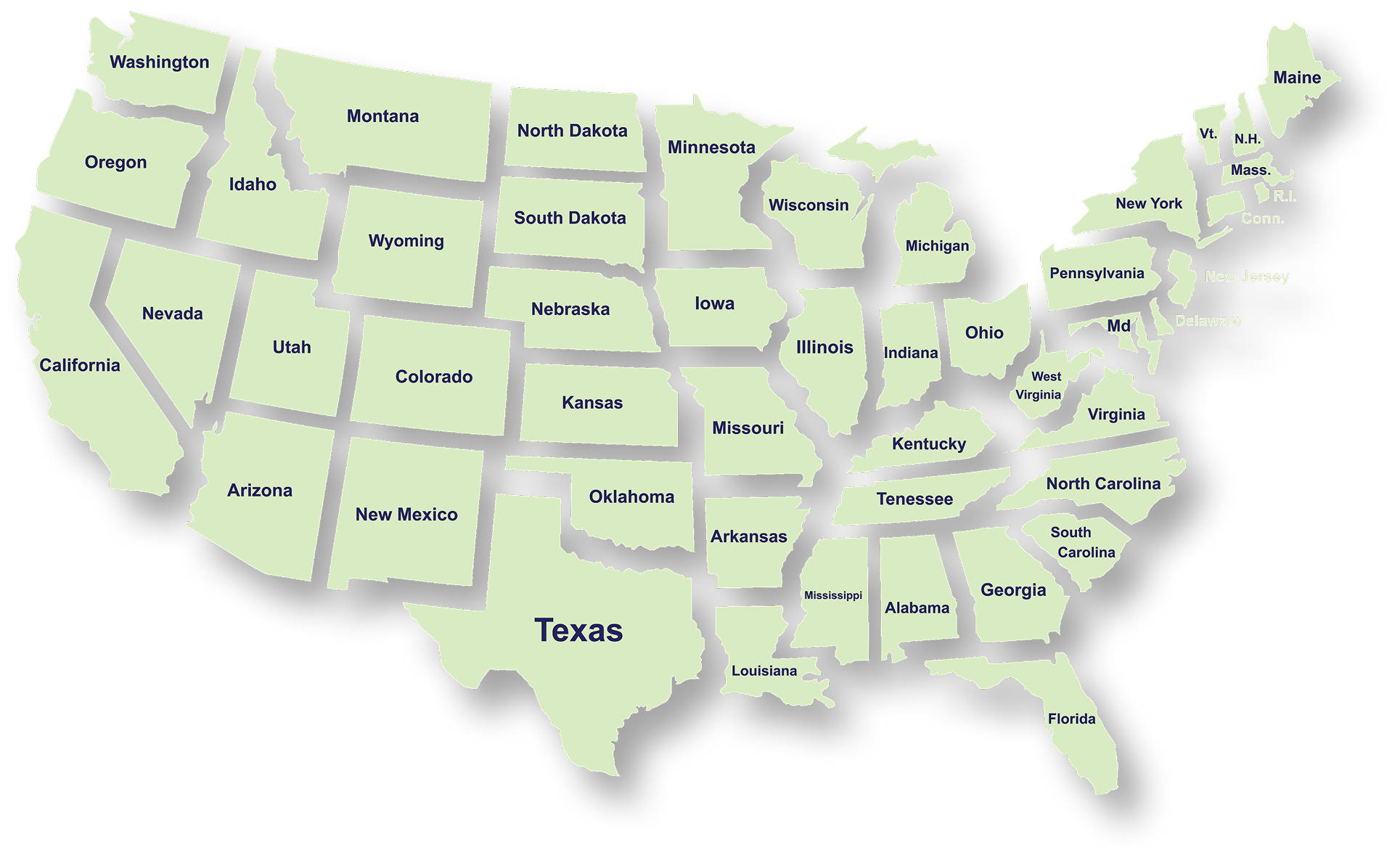
Serving Businesses & Individuals Across USA

We handle accounting, tax filing, and planning with defined timelines and accurate reporting for businesses and individuals across all states.

Frequently Asked Questions

What services does NR CPAs & Business Advisors provide?
What is tax planning and why is it important for businesses?
How can a Virtual CFO help my business?
When should a business consider IRS tax resolution services?
What financial statements does a business typically need?
How can startup advisory services help new businesses?
What is strategic business planning?
What is a Virtual Family Office and who can benefit from it?