Learning Center for Tax and Financial Insights

Stay updated with clear, actionable articles on tax rules, deadlines, deductions, and financial decisions that impact individuals and businesses.

No items found.

March 2023 Business Due Dates

March 1 - Farmers and FishermenFile your 2022 income tax return (Form 1040 or 1040-SR) and pay any tax due. However, you have until April 18 to file if you paid your 2022 estimated tax by January 17, 2023.March 15 - PartnershipsFile a 2022 calendar year return (Form 1065). Provide each partner with a copy of their Schedule K-1 (Form 1065), Partner’s Share of Income, Deductions, Credits, etc., or a substitute Schedule K-1 and, if applicable, Schedule K-3 (Form 1065) or substitute Schedule K-3 (Form 1065). If you want an automatic 6-month extension of time to file the return, file Form 7004. Then file Form 1065 and provide Schedules K-1 or substitute Schedules K-1, and if applicable Schedules K-3, to the partners by September 15. March 15 - S-CorporationsFile a 2022 calendar year income tax return (Form 1120-S) and pay any tax due. Provide each shareholder with a copy of Schedule K-1 (Form 1120-S), Shareholder’s Share of Income, Deductions, Credits, etc., or a substitute Schedule K-1 (Form 1120-S) and, if applicable, Schedule K-3 (Form 1120-S) or substitute ScheduleK-3 (Form 1120-S).To request an automatic 6-month extension of time to file the return, file Form 7004 and pay the tax estimated to be owed. Then file the return; pay any tax, interest, and penalties due; and provide each shareholder with a copy of their Schedule K-1 (Form 1120-S) and, if applicable, Schedule K-3 (Form 1120-S) by September 15.March 15 - S-Corporation Election

Explore More
No items found.

If Your Business is a Delaware Corporation, There Are Important Upcoming Tax Deadlines to Be Aware Of

When starting a business, many entrepreneurs choose to incorporate in Delaware for a wide range of different reasons. Chief among them are the tax-related benefits, like the fact that if you're registered in the state but don't do business there, you don't have to deal with state corporate income tax. Delaware also has a reputation for protecting a business' privacy, allowing a slimmed-down corporate structure, and having all filings processed quickly and easily, among others.But as tax season rolls around yet again, there are important deadlines to be aware of - with March 1, 2023, being chief among them. This is when the Delaware Corporation Franchise Tax deadline is occurring - something to pay attention to for many important reasons.The Delaware Corporation Franchise Tax Deadline: Breaking Things DownAt its core, the Delaware Corporation Franchise Tax is one imposed by the state of Delaware that essentially gives you the "right" to own a company based in the state. It doesn't impact the amount of money you can bring into a said company or any other related activities. Instead, it is simply required so that your organization's status within Delaware remains in "good standing" moving forward.It's equally important to note that, despite its name, the Delaware Corporation Franchise Tax does not mean that your company is suddenly a literal franchise.In addition to the tax itself, your company will need to submit what is known as a Delaware annual report. This outlines a number of core aspects of your business, including but not limited to things like:The address of your business's physical location.The name, address, and other relevant contact information of at least one officer within your company.The names, addresses, and other relevant contact information of any corporate directors that may be present.Note that you will need to submit this report every year, even if absolutely nothing has changed about any of the above factors in the last 12 months. Both the tax payment and the annual report need to be filed no later than March 1.

Explore More
No items found.

Video Tips: An Opportunity to Rollover Sec 529 Plan to a Roth IRA

Families and students with an existing Section 529 plan who have found an alternative way to pay for their education, or simply didn’t pursue a higher education, have concerns about left over funds being trapped in the 529 account unless they take a non-qualified withdrawal and assume a penalty. This has led to hesitating, delaying, or declining to fund 529s to levels needed to pay for the rising costs of education. The SECURE 2.0 Act eliminates this concern by providing families and students with the option to avoid the penalty, potentially resulting in families putting more into their 529 account.

Explore More
No items found.

Best Practices to Help Guarantee Success for Your Gig Enterprise

According to one recent study, workers who make up the "gig economy" contributed roughly 5.7% to the gross domestic product of the United States in 2021 alone. If you needed a single statistic to help underline what a significant shift this has become in the way that we all collectively think about employment, let it be that one.Of course, eschewing the potential challenges of "traditional" employment brings with it new ones in the form of gig-based work. This is especially true when it comes to the financial side of the conversation, as going out on your own with a gig enterprise is an entirely different animal compared to getting a job with a more straightforward employer.Based on that, if you truly want to help set your gig enterprise up for success, there are a number of important things you'll want to keep in mind.Harnessing the Gig Economy to Your Advantage: Breaking Things DownBy far, the most important thing to understand about your gig enterprise is that any income you generate will be taxable - the same as money coming in from a more traditional job.When you file your taxes every year, you need to report ALL income on your tax returns unless it is specifically excluded by law. This is true regardless of whether you receive a Form 1099 in the mail.One thing that may come as a shift to many people is the idea that the IRS also wants you to make quarterly estimated tax payments throughout the year. This is true for both income tax and self-employment tax that you are subject to. The latter includes Social Security and Medicare taxes, for the record.This is always important, as if you wait to make any payments at all until you formally file your taxes in April, you are almost certainly going to get hit with a significant bill. You can take the burden off of this by making estimated payments on what you think you owe periodically throughout the year. You'll still likely owe at the end of the year, but it will be far less than it otherwise would have.Note that this requires you to estimate those payments based on what you think you'll be earning during a particular calendar year. This can be difficult, as the gig economy is nothing if not uncertain. You could do exceptionally well during one month and see a dramatic slowdown in your income the next. Still, you should try to average everything together and pay whatever is necessary via those estimated payments.To help things go as smoothly as possible, you'll also want to keep adequate records and other financial documents throughout the year. This is critical, as it helps you keep an eye on the overall progress of your business. These records will help you not only learn more about your various sources of income but can also be invaluable towards keeping track of any deductions that are owed to you, and more.While the law doesn't require you to keep any special type of record, just a few examples of documents that you should compile throughout the year include but are not limited to things like:Receipts for expenses.Invoices.Any 1099-MISC forms that you receive.Gross receipts that help show the true income you are receiving from your business.Canceled checks or other documents that show proof of payment for business-related purchases and expenses.Receipts pertaining to business-related travel, transportation, or gifts.Financial documents pertaining to any assets that you need for the business, like machinery or furniture for an office.Employment-related tax records.

Explore More
No items found.

Haven't Filed Tax Returns for Multiple Years? Here's What You Need to Do Next

You'd be hard-pressed to find someone who actually enjoys the process of filing taxes. Having said that, it's absolutely something that you're supposed to do like clockwork every single year.Of course, there are a myriad of different reasons why you may have fallen behind. You could be going through something of a major life transition and simply were unable to meet the filing deadline. Maybe you filed for a much-needed extension and then other things got in the way (as they often do), causing you to fall behind even further.Regardless of the reason, it's important to take meaningful steps to get yourself back on track before it's too late. Thankfully, this isn't necessarily a difficult process - but it will require you to keep a number of important things in mind along the way.The Consequences of Not Filing Your Taxes for Multiple YearsBut first, it's important to understand the actual consequences of what can happen if you don't file your taxes for multiple years in a row - or even for ten years or more in some situations.The most immediate impact you're likely to experience will come by way of the IRS itself. If you have income that you haven't reported on your taxes, you will be charged various penalties and fees on everything that you should have been paying up until now. These can and often do quickly add up to significant sums of money, which is why it is always important to get on track as soon as you're able to.Keep in mind that the IRS will charge you those fees and penalties on all taxable income, not taking into consideration any credits or deductions that you would have enjoyed had you filed taxes on time. They don't have records pertaining to expenses like your rent or other things that you need for your job like essential equipment. Because of this, any fees will be assessed based on what they think you owe - not necessarily on what you actually owe.If it is determined that you have been "willfully" failing to file taxes, you could potentially be punished with up to five years in prison. Likewise, you could get hit with a fine of up to $100,000 if your situation is considered to be "tax evasion." Needless to say, these are all consequences that you would do well to avoid at all costs.There are other consequences involved with not filing your taxes for a lengthy period of time, too. Sometimes when you file for a passport, for just one example, you may be asked to show your recent tax returns as a form of income verification. Obviously, you can't do that if you haven't been filing them. The same is true if you were planning on applying for a mortgage or car loan.If retirement is coming up, it could also impact the types of benefits that you will receive like Social Security and Medicare. All of these are crucial aspects of life that you do not want to jeopardize, so you should get your taxes taken care of sooner rather than later.

Explore More
No items found.

Home Energy Improvement Credit Is Enhanced

Article Highlights:Credit HistoryCredit Percentage and Annual Credit LimitPer Item Credit LimitHome Energy AuditIdentification Number RequirementOther Credit IssuesTip To Maximize The CreditThis credit goes all the way back to 2006, providing a tax credit for making energy-saving improvements to a taxpayer’s home. This tax benefit was supposed to expire after 2021 but a law change has given the credit renewed life and substantially enhanced it beginning with 2023.Prior to 2023, the credit had a lifetime cap of $500, which many taxpayers had taken advantage of in the previous 16 years, while others could not remember if they had used the entire lifetime credit during those years. As a result, with a lifetime tax benefit of only $500, and a small credit rate of only 10%, the credit had become less of a motivator for taxpayers to make energy saving improvements to their homes and was frequently disregarded.Now this credit once again becomes a meaningful incentive for taxpayers to make energy-saving improvements to their homes. Beginning in 2023 the minimal $500 lifetime limit is replaced with a $1,200 annual limit and the credit rate is increased to 30%.The following are the annual credit limits by improvement item.Energy Property: $600 if the property meets the most recent International Energy Conservation Code standard in effect as of the beginning of the calendar year which is 2 years prior to the calendar year in which such component is placed in service. This type of property includes:o An electric or natural gas heat pump water heater.o An electric or natural gas heat pump.o A central air conditioner.o A natural gas, propane, or oil water heater.o A natural gas, propane, or oil furnace or hot water boiler.o Biomass stoves and boilerso Any insulation material or system, including air sealing material or system, which is specifically and primarily designed to reduce the heat loss or gain of a dwelling unit when installed in or on that dwellingDoors: $250 in the case of any exterior door, and $500 in the aggregate with respect to all exterior doors meeting the applicable Energy Star requirements. For example, if a new front door costs $1,000, the credit will be $250 since $300 (30% of $1,000)exceeds the $250 limit.Windows: $600 for the aggregate of all windows and skylights that meet Energy Star most efficient certification requirements.Heat Pumps: $2,000 for the aggregate of heat pumps, heat pump water heaters, biomass stoves and boilers.Home Energy Audit: $150 (one time). “Home energy audit” means an inspection and written report that identifies the most significant and cost-effective energy efficiency improvements with respect to the dwelling unit, including an estimate of the energy and cost savings with respect to each such improvement, and is conducted and prepared by a home energy auditor that meets the certification or other requirements specified by the Secretary of the Treasury.

Explore More
No results found.
Thank you! Your submission has been received!
Oops! Something went wrong while submitting the form.

Want tax & accounting tips & insights?Sign up for our newsletter.

Thank you! Your submission has been received!
Oops! Something went wrong while submitting the form.

Why Work With Us?

We combine deep tax expertise, financial strategy, and practical business insight to help you manage complexity, stay compliant, and make confident financial decisions.
A dollar sign, representing financial advice or discussion at NR CPAs & Business Advisors.

Experienced CPA and Enrolled Agent Leadership

Guidance led by licensed professionals with deep expertise in tax strategy, compliance, and complex financial matters.
White bar chart with an upward arrow on green circular background representing growth or progress at NR CPAs &. Business Advisors

Support for Growing Businesses and Startups

We understand the financial challenges of growth stage businesses and provide structured guidance to support expansion.
A white hand holding a dollar symbol and ascending bar chart on a green circular background representing financial growth or investment at NR CPAs & Business Advisors..

Strategic Financial Advisory

Our team helps you evaluate financial decisions with greater clarity, supported by practical insights and long term planning.

Fractional CFO Support

Access experienced financial leadership without the commitment and cost of hiring a full time Chief Financial Officer.

Proactive Tax Planning Approach

We focus on identifying tax opportunities throughout the year rather than reacting only during filing season.

Clear and Reliable Financial Reporting

Accurate financial statements and reporting that help you better understand performance and make informed decisions.
White IRS building icon with pillars and a dollar sign above on a green circular background.

Professional IRS Representation

Experienced support in resolving IRS notices, disputes, and compliance matters while protecting your financial interests.

Personalized Client Focus

Every client receives thoughtful attention and tailored financial solutions based on their specific needs and business goals.
Financial matters often involve important decisions. Working with experienced advisors can help you approach them with greater clarity and confidence in your choices.

Need Help With Your Tax or Financial Decisions?

Discuss your situation with our advisors to get clear guidance on tax planning, IRS matters, and the financial decisions ahead.
Business consulting at NR CPAs & Business Advisors.

Request Your Consultation

Fill out the form to discuss your tax concerns, financial questions, or advisory needs with our team. We will review your details and respond shortly.

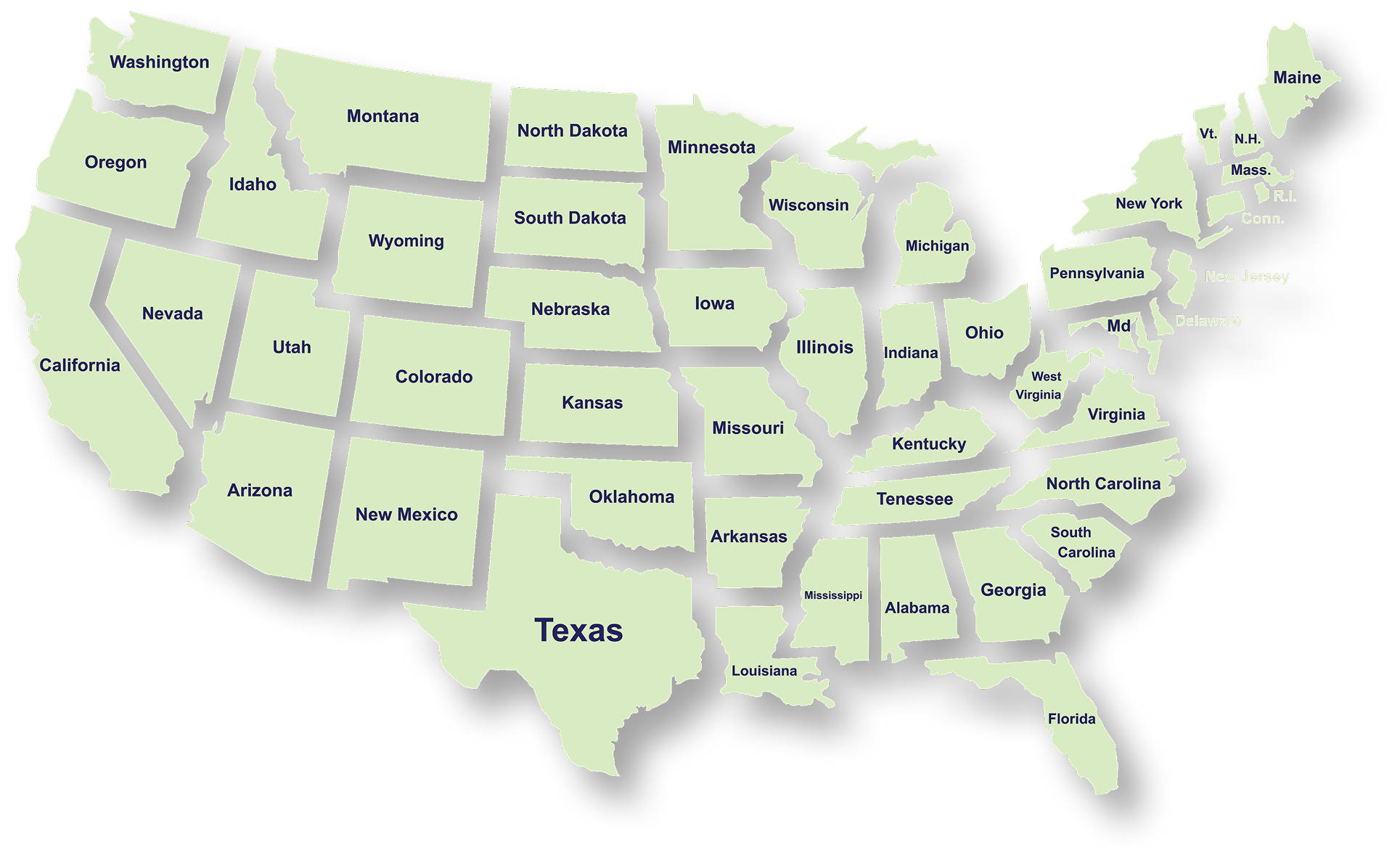
Serving Businesses & Individuals Across USA

We handle accounting, tax filing, and planning with defined timelines and accurate reporting for businesses and individuals across all states.

Frequently Asked Questions

What services does NR CPAs & Business Advisors provide?
What is tax planning and why is it important for businesses?
How can a Virtual CFO help my business?
When should a business consider IRS tax resolution services?
What financial statements does a business typically need?
How can startup advisory services help new businesses?
What is strategic business planning?
What is a Virtual Family Office and who can benefit from it?