Learning Center for Tax and Financial Insights

Stay updated with clear, actionable articles on tax rules, deadlines, deductions, and financial decisions that impact individuals and businesses.

No items found.

Will the Recently Passed Pension Legislation Affect You?

Article Highlights:Required Minimum Distribution (RMD)Penalty for Not Taking an RMDExcess Contribution or Distribution Penalty Statute of LimitationsNanny Retirement ContributionsCredit for Small Employer Pension Plan Start-up CostsMilitary Spouse Retirement Plan Eligibility Credit for Small EmployersFirefighter Retirement DistributionsPenalty-Free Withdrawals for Domestic Abuse VictimsQualified Charitable Distributions (QCDs) to Split Interest EntityQualifying Longevity Annuity Contracts (QLACs)Tax Free Sec 529 Plan to Roth RolloversAdditional Nonelective Contributions to Simple PlansIndexing IRA Catch-Up ContributionsEmployers Can Make Matching Contributions Based on Student Loan PaymentsWithdrawals for Certain Emergency ExpensesEmergency Savings AccountsIncreased Catch-Up Contributions for Those Aged 60 Through 63Automatic Enrollment in Retirement Plans RequirementLong-Term Part-Time Employee 401(k) ParticipationEnhancement and Modification of the Saver’s CreditThe President, on December 29, 2022, signed the Consolidated Appropriations Act, 2023, which is the “omnibus spending bill” Congress needed to pass to avoid a government shutdown. That legislation also included the Setting Every Community Up for Retirement Enhancement (SECURE) 2.0 Act, a.k.a. the SECURE 2.0 Act, that can significantly impact and augment your retirement planning strategies. The SECURE 2.0 Act incorporates provisions from proposed legislation that was passed by the House and another bill that was passed by the Senate that had not previously been reconciled.So What’s in the Legislation That May Affect You?Included are over 300 pages of provisions affecting tax-favored retirement benefits that modify many provisions of the original SECURE Act enacted back in 2019. Some apply to individuals while others benefit businesses. The provisions of the SECURE 2.0 Act become effective over several years stretching out until 2026. This article includes the most significant provisions.THOSE EFFECTIVE IN 2023Here are the takeaways for those effective in 2023:Required Minimum Distribution (RMD) – To prevent an individual from investing in tax-deferred retirement plans, including Traditional IRAs, but never withdrawing from the plans, the account owner is required to begin taking RMDs in the year the IRA owner reaches the mandatory age set by Congress.The policy behind the RMD rule is to ensure that individuals spend their retirement savings during their lifetime and not use their retirement plans for estate planning purposes to transfer wealth to beneficiaries.Originally RMDs had to begin at age 70½, until the original SECURE Act increased it to 72 beginning in 2020. Now the SECURE 2.0 Act is increasing it to age 73 in 2023 and age 75 in 2033, giving folks longer to accumulate their retirement savings.Penalty for Not Taking an RMD – For years, the penalty (technically an excise tax on “excess accumulation”) for an individual failing to take the required minimum amount from their traditional IRA or retirement plan has been a draconian 50% of the amount that should have been withdrawn but wasn’t for the year. The SECURE 2.0 Act decreases the penalty to 25% and further reduces it to 10% if corrected in a timely manner.Excess Contribution or Distribution Penalty Statute of Limitations – Individuals often are not aware of the penalty for excess contributions or not taking a required minimum distribution leading to an indefinite accumulation of interest and penalties. To provide finality for taxpayers in the administration of these excise taxes, the SECURE 2.0 Act provides that a 3-year period of limitations begins when the taxpayer files an individual tax return (Form 1040) for the year of the violation, except in the case of excess contributions, in which case the period of limitations runs 6 years from the date Form 1040 is filed.Nanny Retirement Contributions – The act permits employers of domestic employees (e.g., nannies) to provide retirement benefits for such employees under a Simplified Employee Pension (SEP)plan. The reason these plans are referred to as simplified is the contributions are maintained in an IRA account of an employee and subject to normal IRA rules. SEP-IRAs require little administration on the part of the employer and contributions immediately vest for the employee.The employer can decide what amount to contribute each year, anywhere from $0 to the maximum SEP-IRA contribution which is, 25% of compensation or $66,000 for tax year 2023, whichever is less.Credit for Small Employer Pension Plan Start-up Costs – SECURE 2.0 Act modifies the credit by creating a second category of employer – those with 50 or fewer employees – while leaving the original credit in place for employers with more than 50 employees but not more than 100.Thus, for employers with 50 or fewer employees the maximum credit is increased from $500 to $1,000. In addition, the credit percentage is increased from 50% to 100% for the first-year expenses for starting a pension plan and for the next three years will be as shown here:2nd Year......................................................... 75%3rd Year.......................................................... 50%4th Year.......................................................... 25%Military Spouse Retirement Plan Eligibility Credit for Small Employers - Members of the military are transferred frequently and their spouses who move with them often do not remain employed long enough to become eligible for their employer’s retirement plan or to vest in employer contributions. The SECURE 2.0 Act provides small employers (no more than 100 employees earning more than $5,000 per year) a tax credit with respect to their defined contribution plans if they:(1) Make military spouses immediately eligible for plan participation within two months of hire,(2) Upon plan eligibility, make the military spouse eligible for any matching or nonelective contribution that they would have been eligible for otherwise at 2 years of service, and(3) Make the military spouse 100% immediately vested in all employer contributions.The tax credit equals the sum of:(1) $200 per military spouse, and(2) 100% of all employer contributions (up to $300) made on behalf of the military spouse.This results in a maximum tax credit of $500. This credit applies for 3 years with respect to each military spouse.Firefighter Retirement Distributions – Under current law, an employee who withdraws funds from their retirement plan before age 59½ will pay a penalty (additional tax) of 10% of the taxable amount of the distribution. An exception to the penalty is if an employee terminates employment after age 55 and takes a distribution from a retirement plan. Further, there is a special rule that allows firefighters to substitute age 50 for age 55 for purposes of this exception from the 10% tax. The SECURE 2.0 Act extends the age 50 rule to private sector firefighters.Penalty-Free Withdrawals for Domestic Abuse Victims – The Act allows retirement plans to permit participants that self-certify that they experienced domestic abuse to withdraw a small amount of money and avoid the 10% early withdrawal penalty when they withdraw the lesser of:o $10,000, oro 50% of the present value of the nonforfeitable accrued benefit of the employee under the plan.The distribution may be redeposited to the retirement plan at any time during the 3-year period beginning on the day after the date on which the distribution was received and avoid the tax on the distribution.Qualified Charitable Distributions (QCDs) to Split Interest Entity – Normally an individual at least age 70½ can annually transfer tax free up to $100,000 from their IRA to a qualified charity. That provision is expanded by the SECURE 2.0 Act to allow for a one-time, $50,000 distribution to charities through charitable gift annuities, charitable remainder unitrusts, and charitable remainder annuity trusts. Caution: Where a taxpayer made IRA contributions after reaching age 70½ there may be taxable ramifications; call this office before making a transfer.Qualifying Longevity Annuity Contracts (QLACs) - QLACs are generally deferred annuities that begin payment toward the end of an individual’s life expectancy. Because payments start so late, QLACs are an inexpensive way for retirees to hedge the risk of outliving their savings in defined contribution plans and IRAs.Tax regulations published in 2014 imposed certain limits that have prevented QLACs from achieving their intended purpose in providing longevity protection.The Act addresses these limitations by:o Repealing the 25% of the account balance limit that applies to the amount of premiums paid for the contract,o Allowing up to $200,000 (indexed) to be used from an account balance to purchase a QLAC, ando Facilitating the sales of QLACs with spousal survival rights – and clarifies that free-look periods are permitted up to 90 days with respect to contracts purchased or received in an exchange on or after July 2, 2014.

Explore More
No items found.

Video Tips: Watch Out for Improper ERC Claim Promotion

Employers should be wary of third parties advising them to claim the employee retention credit when they may not qualify. Some third parties are taking improper positions related to taxpayer eligibility for and computation of the credit.

Explore More
No items found.

2023 Standard Mileage Rates Announced

Article Highlights: Standard Mileage Rates for 2023Business, Charitable, Medical and Moving RatesImportant Considerations for 2023Switching Between the Actual Expense and Standard Mileage Rate MethodsEmployer ReimbursementsEmployee Deductions SuspendedSpecial Allowances for SUVs As it does every year, the Internal Revenue Service recently announced the inflation-adjusted 2023 optional standard mileage rates used to calculate the deductible costs of operating an automobile for business, charitable, medical or moving purposes.Beginning on Jan. 1, 2023, the standard mileage rates for the use of a car (or a van, pickup or panel truck) are: 65.5 cents per mile for business miles driven (including a 28-cent-per-mile allocation for depreciation). This is up from 62.5 cents for the last half of 2022; 22 cents per mile driven for medical or moving purposes unchanged from the last half of 2022; and 14 cents per mile driven in service of charitable organizations. The business standard mileage rate is based on an annual study of the fixed and variable costs of operating an automobile. The rate for medical and moving purposes is based on the variable costs as determined by the same study. The rate for using an automobile while performing services for a charitable organization is statutorily set (it can only be changed by Congressional action) and has been 14 cents per mile for over 20 years. Important Consideration: The 2023 rates are based on 2022 fuel costs. Due to the volatility of gas prices , it may be appropriate to consider switching to the actual expense method for 2023, or at least keeping track of the actual expenses, including fuel costs, repairs, maintenance, etc., so that the option is available for 2023. Taxpayers always have the option of calculating the actual costs of using their vehicle for business rather than using the standard mileage rates. In addition to the volatile fuel prices, the bonus depreciation as well as increased depreciation limitations for passenger autos may make using the actual expense method worthwhile during the first year a vehicle is placed in business service.

Explore More
No items found.

All the Signs That You May Need Some Assistance With Your Bookkeeping

Especially in the early days of a business, it can be natural to want to handle as many day-to-day tasks yourself - bookkeeping included. Sometimes, it's in an effort to save money. Often, entrepreneurs just feel like they're in a better position to handle everything themselves. Regardless, this situation does seem to play out regularly.But as your business continues to grow and evolve, those day-to-day tasks become harder. Your finances become more challenging, which naturally adds complexity to the bookkeeping process. Mistakes are more likely to be made and some of them, particularly as they relate to cash flow, can cost you dearly.Thankfully, all hope is not lost. By simply paying attention to a few key red flags, you can become immediately aware when you need help with your bookkeeping so that you can do something about it quickly.Red Flag #1: Your Records Leave a Lot to Be DesiredBy far, one of the biggest warning signs that you need a bit of additional help with your bookkeeping has to do with when you find yourself in a situation where your existing records leave a lot to be desired.To make sound financial decisions, you need a bird's eye view of everything - and records are a big part of it. This means not only receipts and bank statements, but also things like payroll records, invoices, and more. Not only will this help keep your business afloat, but it will also help avoid any problems when tax season rolls around again.Even if you're keeping everything that you should be, you may not have an ideal system in place to help make sense of it all. Suppose at the end of the year, you have to wade through 12 months' worth of documentation just to find information on certain expenses. In that case, you're spending a significant amount of time that could be better used by focusing on more important matters. Enlisting the help of an accounting professional can absolutely help to that end.Red Flag #2: You're Not Reconciling Things Fast EnoughAnother critical part of the accounting process is the end-of-the-month reconciliation. This is when you take your bank statements and compare each cash account transaction with the information you have in your records. Essentially, you're trying to make sure that the two line up. Doing so gives you a complete financial picture that you can use to make decisions in the coming month.In no uncertain terms, this process should be done as soon as you see your bank statements posted online. If you wait too long - or worse, if you can't find the time to do it - you'll be making decisions based on incorrect information. Sometimes this might not be a problem, but more often than not it will - and it could be avoided by calling in a bit of additional help.

Explore More
No items found.

Video Tips: Thinking about Making Early Retirement Fund Withdrawal?

No matter how much people plan, unexpected events occur. Often, those events result in unplanned expenses. To cover these costs, people sometimes withdraw funds from their retirement savings early. While this may seem like an easy way to quickly get cash, early withdrawals can come with heavy tax penalties and costly tax consequences. Here’s some important info for people to consider before they dip into their hard-earned retirement savings.

Explore More
No items found.

Florida Man Gets 23 Years For Running an $80 Million Ponzi Scheme, Filing False Tax Returns

Michael J. DaCorta, a 57-year-old man from Sarasota, Florida, recently learned the hard way that the biggest downside of cheating the IRS and running a longtime Ponzi scheme can be summed up in two fairly straightforward words: "federal prison."In October, it was announced that DaCorta had been sentenced to 23 years in federal prison. He was at the forefront of a Ponzi scheme that ran from 2011 to 2019 by way of an investment company named Oasis International Group. In addition, he was also convicted of wire and mail fraud, money laundering, and filing fake income tax returns.The Story So FarFor those unfamiliar, a Ponzi scheme is a particular type of investment fraud that pays current investors with money collected from new ones. The types of people who run these schemes like Michael J. DaCorta promise new investors incredible returns with little or no risk to speak of. However, the money is not actually invested. It is simply used to pay off people who had previously been tricked by the scheme, with the rest being saved for those running the operation. Ponzi schemes are notable because they have little and often no legitimate earnings to speak of.In just eight years, it was estimated that DaCorta and his cohorts convinced at least 700 people to invest in Oasis International Group. They did so via promissory notes and similar methods. All told, the Ponzi scheme swindled people out of at least $80 million over that period.As is true with a lot of these situations, DaCorta used the money he was stealing to fund an extravagant lifestyle. Court records show that he used money from the scheme to purchase a Maserati, Range Rovers, and other types of expensive cars for himself and his family members. He used it to fund his membership in an expensive country club. He had multiple homes, all valued at millions of dollars, throughout Florida.

Explore More
No results found.
Thank you! Your submission has been received!
Oops! Something went wrong while submitting the form.

Want tax & accounting tips & insights?Sign up for our newsletter.

Thank you! Your submission has been received!
Oops! Something went wrong while submitting the form.

Why Work With Us?

We combine deep tax expertise, financial strategy, and practical business insight to help you manage complexity, stay compliant, and make confident financial decisions.
A dollar sign, representing financial advice or discussion at NR CPAs & Business Advisors.

Experienced CPA and Enrolled Agent Leadership

Guidance led by licensed professionals with deep expertise in tax strategy, compliance, and complex financial matters.
White bar chart with an upward arrow on green circular background representing growth or progress at NR CPAs &. Business Advisors

Support for Growing Businesses and Startups

We understand the financial challenges of growth stage businesses and provide structured guidance to support expansion.
A white hand holding a dollar symbol and ascending bar chart on a green circular background representing financial growth or investment at NR CPAs & Business Advisors..

Strategic Financial Advisory

Our team helps you evaluate financial decisions with greater clarity, supported by practical insights and long term planning.

Fractional CFO Support

Access experienced financial leadership without the commitment and cost of hiring a full time Chief Financial Officer.

Proactive Tax Planning Approach

We focus on identifying tax opportunities throughout the year rather than reacting only during filing season.

Clear and Reliable Financial Reporting

Accurate financial statements and reporting that help you better understand performance and make informed decisions.
White IRS building icon with pillars and a dollar sign above on a green circular background.

Professional IRS Representation

Experienced support in resolving IRS notices, disputes, and compliance matters while protecting your financial interests.

Personalized Client Focus

Every client receives thoughtful attention and tailored financial solutions based on their specific needs and business goals.
Financial matters often involve important decisions. Working with experienced advisors can help you approach them with greater clarity and confidence in your choices.

Need Help With Your Tax or Financial Decisions?

Discuss your situation with our advisors to get clear guidance on tax planning, IRS matters, and the financial decisions ahead.
Business consulting at NR CPAs & Business Advisors.

Request Your Consultation

Fill out the form to discuss your tax concerns, financial questions, or advisory needs with our team. We will review your details and respond shortly.

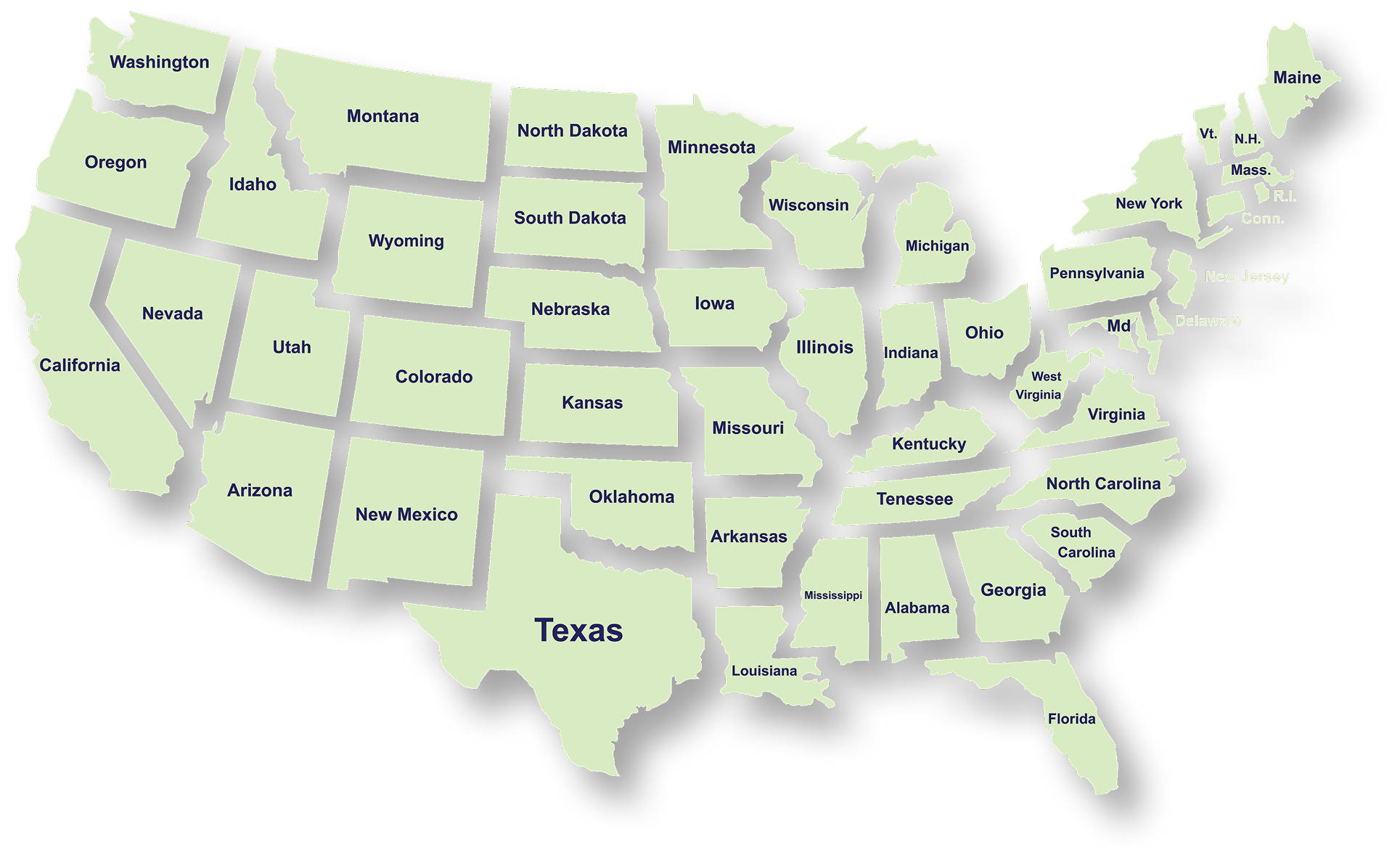
Serving Businesses & Individuals Across USA

We handle accounting, tax filing, and planning with defined timelines and accurate reporting for businesses and individuals across all states.

Frequently Asked Questions

What services does NR CPAs & Business Advisors provide?
What is tax planning and why is it important for businesses?
How can a Virtual CFO help my business?
When should a business consider IRS tax resolution services?
What financial statements does a business typically need?
How can startup advisory services help new businesses?
What is strategic business planning?
What is a Virtual Family Office and who can benefit from it?