Learning Center for Tax and Financial Insights

Stay updated with clear, actionable articles on tax rules, deadlines, deductions, and financial decisions that impact individuals and businesses.

No items found.

Gift Tax Treatment of Tuition Plans

Article Highlights: Purpose of Qualified Tuition Plans Gift Tax Implications Special Five-Year Election Change of Beneficiary Eligible Expenses Direct Payment of Tuition Qualified tuition plans (QTPs) provide a means for family members and others to save for the future educational needs of children. Investment earnings within a QTP account are tax deferred and not taxable when withdrawn if used to pay qualified tuition and certain other expenses. Each individual’s contribution to a QTP (also sometimes referred to as a “Section 529 plan”) on behalf of a designated beneficiary is treated as a gift subject to the normal gift tax rules. Thus, no gift tax return is required for any contributor if the contribution is equal to or less than the amount of the gift tax annual exclusion for the year of the gift, which for 2019 is $15,000. Special Election – When a donor’s total contribution to a QTP for the year exceeds the annual exclusion amount, the donor may make a special election treating the contributed funds as if they had been contributed ratably over a five-year period starting with the year of the contribution. Example: Grandpa Lee contributes $75,000 to granddaughter Whitney’s QTP in 2019. By using the election, grandpa’s contribution is treated as if the contribution was made equally over a five-year period – that is, as if he’d contributed $15,000 in each of 2019, 2020, 2021, 2022 and 2023. If grandpa makes any more QTP contributions during those years, those contributions would then exceed the annul gift limit and require a gift tax return to be filed. The same would be true if grandpa makes other gifts to Whitney. To make the five-year election grandpa must file a Form 709, Federal Gift Tax Return, for the calendar year in which the contribution is made. The election is available only with respect to contributions not in excess of five times the annual exclusion amount for the calendar year of the contribution. Any excess is treated as a taxable gift in the calendar year of the contribution. However, that does not necessarily mean any gift tax will be owed since there is also a unified gift and estate tax lifetime exclusion (currently in excess of $11 million) that will shield most taxpayers like grandpa from any gift tax. If grandpa were married, he and grandma could make an election under the gift-splitting rules for the QTP contribution to be made one-half by each of them, thus allowing them to double up on the annual and the special 5-year amounts. If in any year after the first year of the five-year period, the amount of the gift tax annual exclusion is increased for inflation, the donor may make an additional contribution in any one or more of the four remaining years up to the difference between the exclusion amount as increased and the original exclusion amount for the year or years in which the original contribution was made. Example: In 2017 when the annual gift tax exemption was $14,000, grandpa made a $70,000 contribution to his granddaughter’s QTP and made the 5-year election. For 2018 the annual gift tax exemption was increased to $15,000. Thus, grandpa can make an additional $1,000 contribution for each of the remaining 4 years of the 5-year election period. Change of Beneficiary – A change in the designated beneficiary, or a rollover to the account of a new beneficiary, is treated as a taxable gift if the new beneficiary is assigned to a generation below the generation of the old beneficiary. Such a transfer isn't a taxable gift if the new beneficiary is a member of the family of the old beneficiary, and is assigned to the same generation, as the old beneficiary.

Explore More
No items found.

The Life of an Estimate in QuickBooks Online

Estimates-or quotes, or bids-are useful tools when you’re pitching a sale of products or services. Here’s how QuickBooks Online handles them. Sales estimates are standard procedure in many professions. You wouldn’t authorize a car repair without one. Nor would you OK a remodeling job on your kitchen or a summer’s worth of yard landscaping without knowing what the costs will be upfront. Estimates don’t have to be formal documents. You could scribble a proposal for products or services and their prices on a paper napkin and have your customer sign it. But as we’ve said before, the quality of your sales documents reflects on your company’s professionalism as well as its image. QuickBooks Online offers specialized tools to manage this step in the selling process. You can create detailed estimates that the site can easily convert to invoices when you get an approval. And QuickBooks Online reports help you monitor the progress of your quotes. Here’s how it works. A Dedicated Form You probably already know how to create an invoice. If so, you shouldn’t have any trouble generating estimates because the forms are very similar. To get started, click the + (plus) sign in the upper right corner of the screen. In the Customers column, click Estimates. A form like this will open: QuickBooks Online provides a form template for your estimates. Open the drop-down list in the Customer field and select the correct one (or +Add new). Note: If you click on +Add new, you’re only required to enter your prospective customer’s name to create an estimate; contact detail, of course, will not appear on the form. You can go back later and complete a customer record, but it’s best to at least enter a physical and email address. Click +Details to open the complete record, then save what you provide there. The word “Pending” should appear below the Customer field. This refers to the status of your estimate. Click the down arrow to the right of it, then on the down arrow in the small window that opens to see what options you’ll have later. If you want to copy someone else on the estimate, click the small Cc/Bcc link to the right and provide the email address(es). Enter (or select by clicking on the calendar graphic) the Estimate date

Explore More
No items found.

Electric Vehicle Credit on the Decline

Article Highlights: Tax Credit Credit Phase-Out Tesla General Motors Determining the Credit Off-Road Vehicles and Golf Carts Allocation Between Business and Personal Use Credit Reduces Basis Business Standard Mileage Back in 2009 Congress created a tax credit for the purchase of electric vehicles as a stimulus for car companies to manufacture “green” vehicles and as an incentive for consumers to purchase electric vehicles. Although there is no specific date in the future when this credit will expire, there is a limit to the number of vehicles each manufacturer can sell that can qualify for the credit. That limit is not a set number of vehicles, but rather a credit phaseout by manufacturer that is triggered when the manufacturer sells the 200,000th electric vehicle. Here is how the credit phase-out works: Credit Phase-Out – The credit phases out beginning in the second calendar quarter following that in which a manufacturer sells its 200,000th plug-in electric drive motor vehicle for use in the U.S. The applicable percentage phase-out is: 50% for the first two calendar quarters of the phaseout period, 25% for the third and fourth calendar quarters of the phaseout period, and 0% for each later calendar quarter. Example: Tesla, Inc., sold more than 200,000 vehicles eligible for the plug-in electric drive motor vehicle credit, reaching this sales level during the third quarter of 2018. Thus, a phase out of the tax credit available for purchasers of new Tesla plug-in electric vehicles was triggered beginning Jan. 1, 2019. This means the maximum credit available for the purchase of a Tesla, which was $7,500 before 2019, has begun to phase out and the maximum credits for 2019 are as follows for vehicles purchased: Jan 1, 2019 through June 30, 2019: $3,750 (50% of $7,500). July 1, 2019 through Dec 31, 2019: $1,875 (25% of $7,500). After 2019, Tesla vehicles will no longer qualify for the credit. During the fourth quarter of 2018, General Motors (GM) also reached a total of more than 200,000 sales of vehicles eligible for the plug-in electric drive motor vehicle credit and accordingly, the credit for all new qualified plug-in electric drive motor vehicles sold by GM have begun to phase out beginning April 1, 2019. Thus, the maximum credit for a GM plug-in electric drive motor vehicle is $3,750 for purchases in April through September of 2019, then dropping to $1,875 for purchases in October 2019 through March 2020, after which GM vehicles will not qualify for the credit. If you are considering purchasing an electric vehicle, you may need to make that decision sooner than later since the credit for many popular models is beginning to phase out. Here are some things you should be aware of before making your decision to purchase an electric vehicle. Not All Electric Vehicles Qualify for the Full Credit – The credit is not a flat $7,500; it is actually made up of two elements, a $2,500 per vehicle credit plus an additional $417 for each kilowatt hour of capacity in excess of 5 kilowatt hours, but not in excess of $5,000, resulting in an overall credit of up to $7,500. The amount of credit available for any qualifying vehicle, listed by manufacturer is available on the IRS website. Although most salespeople will know the amount of credit that is available for the vehicle you are interested in purchasing, you sometimes run into an overzealous one that might mislead you a bit. So, it is good practice to double check for yourself and that is quite easy to do on the IRS Website

Explore More
No items found.

Top 10 Startup Business Questions Every Entrepreneur Should Answer

Starting a small business can be one of the most exciting and rewarding events in someone’s life. But it can also be extremely stressful. If you’re thinking about becoming an entrepreneur, you might have more questions swirling around in your mind right now than you can count. Don’t despair. This is completely normal. After all, it shows you’re serious about your business venture and care enough to want to do things the right way. Before moving forward with a new business idea, ensuring you know the answers to the following vital questions is crucial. 1. Does your startup idea meet a need? Before starting a small business, you need to know if your product or service will meet a need those in your target market have. It doesn’t matter how special your potential product or service offerings are to you. If you can’t convince others to care about them, your small business won’t be a success. 2. Is your plan feasible? Learning things on the fly isn’t smart in the business world. Rather than taking a blind leap of faith, determine if your plan is actually feasible before moving forward. For instance, will you be able to afford to put your plan into action? Will your loved ones commit to the ways this venture might affect them? Starting a small business isn’t for the faint of heart. Do you have the ambition and determination to see your vision through? 3. How much financing do you need? Not adequately estimating financing needs is a common mistake of entrepreneurs. To avoid this pitfall, strive to perform an accurate cost analysis. Approximate both foreseen and unexpected expenses for the first year. Also, determine how long it will take you to become profitable. When creating a cost analysis, be realistic. Don’t count on things going perfectly. Despite your best efforts, they most certainly won’t. 4. Where will your company be located? The type of small business you want to start will largely determine where it should be located. For example, you wouldn’t attempt to open a ski lodge in sunny, balmy Florida. Generally, you’ll want to find a location with lots of foot traffic. If you’re a new entrepreneur looking to break into an already crowded market, locating your business near your competitors might be a good idea. According to Biz Brain, you’ll already have a built-in market in the location. But if you’re competing in a saturated market with major brand-name competition, locating your business a short distance away from your competitors may be your best bet. 5. Who will comprise your customer base? If you’re thinking about starting a small business, you likely already have a vague idea about who will comprise your customer base. However, delving into the profiles of potential clients of your company is a smart idea. During this research, you can study characteristics such as age, gender, buying triggers and general preferences. This should help you fine-tune your marketing efforts and target your products or services to the people who would most benefit from them. 6. When can you expect to be profitable? The old adage is that you should expect to wait at least a year until your startup becomes profitable. But times are changing. Innovations in technology and communication mean entrepreneurs can start companies with little to no overhead nowadays. This rings especially true for service-oriented companies. Therefore, having an astute business plan is essential. A good business plan will help you predict when you may start turning a profit. 7. What setbacks can you anticipate? The road to small business success can be a bumpy one, so anticipating setbacks is important. One of the most common ones is failing to meet revenue expectations. This can sometimes be blamed on overestimating the amount of business your company will generate in the early days of its existence. A second setback startups can face is losing vital employees. If you plan to start a sole proprietorship, this isn’t an issue. But if you’re launching a business venture with one or more partners, someone might decide to jump ship. To prevent your company from disintegrating into shambles, develop an exit plan that can be utilized if a partner wants to get out. 8. Do you need solid advisors? Starting a small business can be overwhelming. This is especially the case if you try to do everything yourself. Surprisingly, the CountingWorks What Small Business Owners Value Most in 2019 survey reveals that 60% of small business owners handle their budgeting themselves. Unfortunately, the U.S. Small Business Administration Office of Advocacy’s 2018 Frequently Asked Questions says only about half of small businesses survive past five years. To boost your chances of long-term success, surround yourself with solid advisors. For instance, experienced financial advisors can help you with accurate budgeting. Legal advisors can assist you with contracts and permits. 9. How will you lure the best talent to your company? Obviously, offering prospective employees a competitive salary can help you lure the best talent to your company. But when you’re just starting a business, this might not be an option. To compensate for this, providing employees with growth bonuses is a good alternative. Offering employees flexible scheduling options and wellness perks such as an onsite gym, a break room stocked with healthy snacks, and standing desks may also attract promising talent to your company. 10. Should you start more than one company at once? Do you have multiple ideas for new small businesses? Perhaps you’re eager to get more than one startup running at the same time. While this might be tempting, starting out with one company is best. You can put all your energy into getting it profitable and stable. This will prevent you from spreading yourself and your resources too thin. You can always branch out later if your first business takes off. Starting a business can be quite an undertaking. Therefore, planning correctly and thoroughly is critical. Before you can enjoy small business success, you’ll need to learn the answers to the above questions.

Explore More
No items found.

What is an IRS Penalty Abatement and Am I Eligible for One?

There are different types of IRS penalties that can be assessed against you. The most common penalties include those for failing to file a tax return, filing your return late, or accuracy-related penalties if you didn’t correctly state items on your tax return. But were you aware that sometimes, the IRS can issue penalty abatements if you believe you’ve been penalized unfairly? Civil penalties for underpayment, late filing, or erroneous inaccuracy may be eligible for abatement, but criminal penalties for tax protest and willful violations of the law are not. There is also the first-time penalty administrative waiver program (FTA) that applies in certain cases. Here’s what you need to know about successfully fighting IRS penalties and determining eligibility for the waiver program. What a Penalty Abatement Does NOT Include Regardless of whether you are trying to secure an ordinary penalty abatement or relief under the FTA program, penalty abatement procedures are only for the penalties themselves. They do not include interest on unpaid taxes, the amount of the taxes themselves, or any related processing fees such as installment agreement setup charges. If your abatement request is successful, only the interest charged on the penalty would be abated, opposed to interest on unpaid taxes. Proving Hardship for Failure to File or Failure to Pay Penalties The failure to file penalty kicks in if you file your tax return late, or not at all, and is based on 5% of your unpaid taxes every month (up to 25% of your total balance due). The best way to avoid this penalty is to file for a six-month extension prior to the tax filing deadline if you don’t think you’ll get your return filed on time. The extension won’t waive interest, taxes, or penalties for failure to pay or deposit, but it will eliminate the failure to file penalty, which is much higher. The IRS will consider penalty abatement requests provided that you have reasonable cause for not being able to file or pay your taxes in a timely manner. Valid hardships, such as hospitalization, natural disasters, or fleeing domestic violence, are factored into reasonable cause to get certain civil penalties waived. Failure to pay penalties result from having an unpaid balance due, with 0.5% being charged every month. Simply lacking funds to pay your taxes doesn’t necessarily equate to hardship to file your tax return on time or pay your tax bill. However, if you have a continuous lack of funds due to disability or chronic illness, a death in the family, or similar hardships, you may be eligible for relief from the failure to pay penalty. First-Time Penalty Administrative Waiver (FTA Program) Under the FTA program, you can have failure to file, failure to pay, and failure to deposit penalties waived if you were never assessed penalties in the past three tax years or had them relieved because of reasonable cause. Estimated tax penalty (deposit penalty), as is common with self-employed taxpayers, is the only allowable penalty to bear. You must also be current on all of your current tax returns or extensions and paid any taxes due (or arrangements like payment plans). If your charges include failure to pay penalties, it’s a good idea to wait until you’ve paid the entire balance before requesting FTA waivers since you don’t need to prove hardship and can get more waived. FTA waivers are the best option if you meet the above requirements as this request takes less time to process than ordinary penalty abatement, because you don’t need to establish reasonable cause or hardship.

Explore More
No items found.

What to Do If You Receive a Dreaded IRS Letter

Article Highlights: IRS Notices CP Series Notice Automated Notices Frequent Errors ID Theft What You Should Do What We Will Do Now that most tax refunds are deposited directly into taxpayers’ bank accounts, the dream of opening your mailbox and finding an IRS refund is all but gone. However, the IRS still sends letters that can increase taxpayers’ heart rates; because of extensive computer matching, the IRS does most of its auditing through correspondence. CP-Series Notice – When the IRS detects a potential issue with your tax return, it will contact you via U.S. mail; this is called a CP-series notice. Please note that the IRS’s first contact about a tax delinquency or discrepancy will never be a phone call or email. Such calls and emails are a common tool for scammers; if you get one, simply hang up the phone or delete the email. If you are concerned about the validity of a given message, please call this office. Most commonly, CP notices describe the proposed tax due, as well as any interest or penalties. The notice will also explain the examination process and describe how you can respond. These automated notices are sent out year-round, and they are quite common. As the IRS tries to close the tax revenue gap, it has become more aggressive in its collection efforts. In addition, as many taxpayers now use low-quality tax mills or do-it-yourself software, the number of notices sent because of preparer error have increased. Missed checkboxes, misunderstandings of available credits, and overlooked income all add up to more errors. The first step in this automated process involves matching what you reported on your tax return to the data that third parties (e.g., employers, banks, and brokers) reported. When this information does not agree, the automated collection effort begins.

Explore More
No results found.
Thank you! Your submission has been received!
Oops! Something went wrong while submitting the form.

Want tax & accounting tips & insights?Sign up for our newsletter.

Thank you! Your submission has been received!
Oops! Something went wrong while submitting the form.

Why Work With Us?

We combine deep tax expertise, financial strategy, and practical business insight to help you manage complexity, stay compliant, and make confident financial decisions.
A dollar sign, representing financial advice or discussion at NR CPAs & Business Advisors.

Experienced CPA and Enrolled Agent Leadership

Guidance led by licensed professionals with deep expertise in tax strategy, compliance, and complex financial matters.
White bar chart with an upward arrow on green circular background representing growth or progress at NR CPAs &. Business Advisors

Support for Growing Businesses and Startups

We understand the financial challenges of growth stage businesses and provide structured guidance to support expansion.
A white hand holding a dollar symbol and ascending bar chart on a green circular background representing financial growth or investment at NR CPAs & Business Advisors..

Strategic Financial Advisory

Our team helps you evaluate financial decisions with greater clarity, supported by practical insights and long term planning.

Fractional CFO Support

Access experienced financial leadership without the commitment and cost of hiring a full time Chief Financial Officer.

Proactive Tax Planning Approach

We focus on identifying tax opportunities throughout the year rather than reacting only during filing season.

Clear and Reliable Financial Reporting

Accurate financial statements and reporting that help you better understand performance and make informed decisions.
White IRS building icon with pillars and a dollar sign above on a green circular background.

Professional IRS Representation

Experienced support in resolving IRS notices, disputes, and compliance matters while protecting your financial interests.

Personalized Client Focus

Every client receives thoughtful attention and tailored financial solutions based on their specific needs and business goals.
Financial matters often involve important decisions. Working with experienced advisors can help you approach them with greater clarity and confidence in your choices.

Need Help With Your Tax or Financial Decisions?

Discuss your situation with our advisors to get clear guidance on tax planning, IRS matters, and the financial decisions ahead.
Business consulting at NR CPAs & Business Advisors.

Request Your Consultation

Fill out the form to discuss your tax concerns, financial questions, or advisory needs with our team. We will review your details and respond shortly.

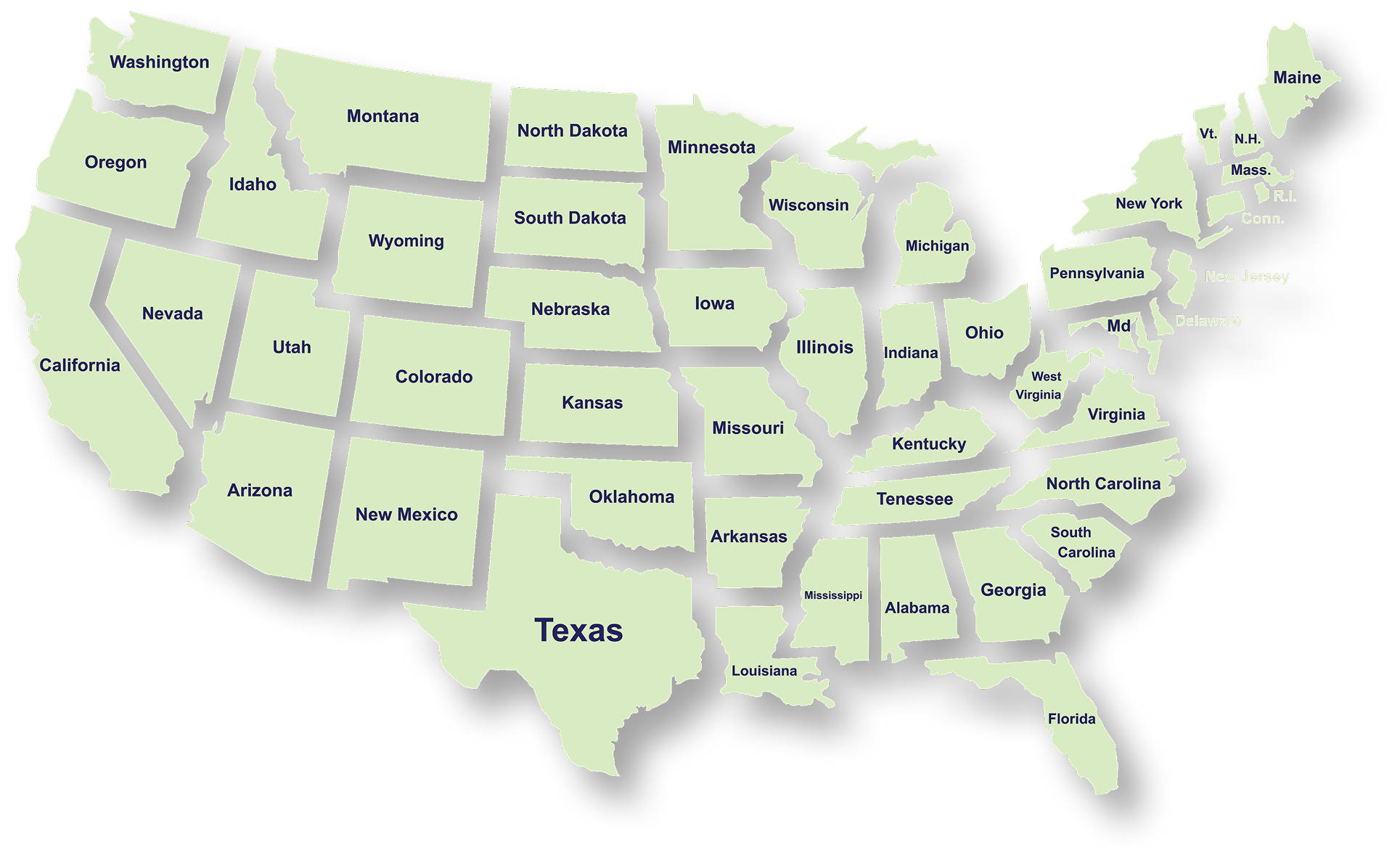
Serving Businesses & Individuals Across USA

We handle accounting, tax filing, and planning with defined timelines and accurate reporting for businesses and individuals across all states.

Frequently Asked Questions

What services does NR CPAs & Business Advisors provide?
What is tax planning and why is it important for businesses?
How can a Virtual CFO help my business?
When should a business consider IRS tax resolution services?
What financial statements does a business typically need?
How can startup advisory services help new businesses?
What is strategic business planning?
What is a Virtual Family Office and who can benefit from it?