Learning Center for Tax and Financial Insights

Stay updated with clear, actionable articles on tax rules, deadlines, deductions, and financial decisions that impact individuals and businesses.

No items found.

The Tax Benefits of Going Green

Article Highlights: Refundable vs. Nonrefundable Credits Home Solar Credit Solar-Power Tax Credit Phaseout Is Solar Worth the Expense? Homeowner vs. Home Resident Solar Additions Leased Solar Systems Plug-in Electric Vehicles Multiple Vehicle Purchases Personal Tax Credits General Business Credits Congress uses tax deductions and tax credits to influence taxpayers’ actions. For instance, it seeks to stimulate taxpayers to reduce their energy consumption and moving away from the use of fossil fuels. In this article, we explore the benefits and drawbacks of two major incentives: the home-solar credit and the electric-vehicle credit. Tax credits come in two types: refundable and nonrefundable. Refundable tax credits apply even for taxpayers who owe no tax. On the other hand, nonrefundable tax credit can only offset actual tax liability; any excess is lost (or, in some cases, carried over for a limited number of years until used up). Solar Power – The credit for installing solar-energy systems for generating electricity or heating water at a first or second home is currently a whopping 30% of the cost of the solar installation. However, the credit amount is scheduled to begin phasing out after 2019, dropping to 26% in 2020 and 22% in 2021; after that point, the credit will expire. The unused credit does have a limited carryover and can be added to the allowable credit in the subsequent year. Although solar manufacturers are quick to mention the 30% credit, they generally avoid mentioning that the credit is nonrefundable and has a limited carryover, which causes potential buyers to believe that the federal government always pays 30% of the installation cost. This can lead to very unpleasant surprises and even financial hardship when the purchaser of a home-solar system does not get the full credit. Thus, before proceeding with a solar-power purchase, make sure that you contact this office to find out how the credit will benefit you. You should also take a hard look at your average monthly electric bill so that you can calculate how long it will take for the solar-power system to pay for itself based on the system’s cost and on the loan interest (if the purchase is financed). You should also consider whether the system will increase or decrease the value of the home. You may discover that a solar-power system is not right for you. You do not have to be the owner of the home where the system is installed to take this credit, but you must be the owner of the solar property. The tax code does not specify that the taxpayer has to also own the home—only that the taxpayer must own the solar-power system and that the system must be installed at the taxpayer’s residence. For example, an adult son who lives with a parent in the parent’s home and who pays for a solar installation on that home would be able to claim the credit—but the parent would not be able to.

Explore More
No items found.

Tax Issues Related to Divorce

Article Highlights: Family Court Division of Property Spousal Buyout Debt Filing Status Joint and Several Liability Claiming the Children as Dependents Head of Household Filing Status Higher Education Tuition Credits Child Care Credit Child Tax Credit Earned Income Tax Credit Alimony Child Support Conflict of Interest Divorce is a traumatic event in anyone’s life, and the tax aspects are frequently overlooked, which can add to the distress. The following is an overview of many of the commonly encountered tax issues associated with divorce. Family Court – All too often, family law courts make rulings that contradict federal tax law, causing confusion and inequities in divorce actions since family court rulings cannot trump federal tax law. A common occurrence is when a family court awards physical custody of a child to one parent and tells the other spouse he or she can claim the child as a dependent. However, federal tax law is very clear that the dependency goes to the custodial parent, regardless of what the family court had to say. However, if this is the arrangement that the divorcing couple actually wants, the custodial parent can provide the noncustodial parent with an IRS form relinquishing the dependency (more on this below). Division of Property – When a couple divorces, their property is divvied up between them. This property settlement does not constitute a sale between the exes; therefore, no gain or loss is recognized. However, this presents a tax trap that both spouses should be aware of. The community basis transfers with the property, with the basis being the amount from which any gain or loss is determined when that property is later sold. This is best illustrated by example. Example – The couple is working out their division of property, which consists of shares of stock currently worth $300,000 and a home worth $600,000, with a mortgage of $300,000 (net equity of $300,000). Thus, if one spouse took the stock worth $300,000 and the other spouse took the home with $300,000 of equity, it would seem like an even split. Unfortunately, this is the way some divisions of marital assets are determined, and they fail to take into consideration the tax aspects. Suppose in our example that the $300,000 of stock had been purchased for $250,000. It would have a built-in gain of $50,000, and the spouse who got the stock would be responsible for tax on that $50,000 of gain when the stock is sold (assuming the market value when it is sold is at least $300,000). Also, suppose the home was originally purchased for $325,000. It would have built-in gain of $275,000, and the spouse who got the house would be responsible for the tax. Thus, even though the spouses split the equity in their property evenly, the spouse who got the home will assume a future tax liability on $225,000 more of built-in gain than the other spouse, and the sales costs of a home are considerably higher than those of stock, all of which should be taken into account when dividing up the assets. There is another issue to consider in our example. If the spouse who got the house lived in it for two of the five years preceding the sale, that spouse would be able to exclude $250,000 of home sale gain. This is a very simplified example to illustrate how taxes can play into the division of property. In actual practice, other assets probably would be involved in equalizing the division of property. Spousal Buyout Debt – Generally, only home-acquisition debt interest can be deducted on Schedule A. However, there is a special rule that secured debt incurred to buy out a former spouse’s interest in a home is acquisition debt. This rule is applied without regard to the rule that treats certain transfers of property between spouses incident to divorce as nontaxable events. Thus, the interest would continue to be deductible. Filing Status – Your filing status is based on your marital status at the end of the year. If, on December 31, you are in the process of divorcing but are not yet divorced, your options are to file jointly or to each submit a return as married filing separately. There is an exception to this rule, however: if a couple has been separated for all of the last six months of the year, and if one taxpayer has paid more than half the cost of maintaining a household for a qualified child, then that spouse can use the more favorable head of household filing status. If each spouse meets the criteria for that exception, they can both file as heads of household; otherwise, the spouse who doesn’t qualify must use the married filing separately status. If your divorce has been finalized and if you haven’t remarried, your filing status will be single or, if you meet the requirements, head of household. Joint and Several Liability – When married taxpayers file jointly, they become jointly AND INDIVIDUALLY responsible for the tax and interest or penalty due on their returns. Joint filers remain “jointly and severally liable” even if a divorce decree states that a former spouse is responsible for any amounts due on previously filed joint returns. One spouse may be held responsible for all of the tax due, even if the other spouse earned all of the income. However, a spouse can request to be relieved of responsibility for tax, interest, and penalties on a joint return under special relief rules, including innocent spouse relief, separation of liability, and equitable relief. Please call the office to see if you qualify for one of these forms of relief. Although the tax may be lower by filing a joint return, there may be situations where it might be appropriate to elect to file separately. Claiming the Children as Dependents – A common (and commonly misunderstood) issue for those who are divorced or separated and who have children is the choice regarding who claims a child for tax purposes. This can be a hotly disputed issue between parents; however, tax law includes very specific (albeit complicated) rules about who profits from child-related tax benefits. At issue are a number of benefits, including the child tax credit, child care credit, higher-education tuition credit, earned income tax credit, and, in some cases, filing status. This is actually one of the most complicated areas of tax law. Taxpayers can make serious mistakes when getting ready to have their return prepared, especially if the parents are not communicating well. When parents cooperate with each other, they often can work out the best tax results overall, even though it may not be the best for them individually, and can then compensate for tax inequities in other ways.

Explore More
Personal Finance

Planning for the Transition to a Single Income Household

Going from two stable income streams to one can prove challenging, but it is a necessary step if you, or your spouse, want to stay home with your kids, go back to school or even start your own business. To avoid ending up in a pinch when the big day comes, planning for the transition to a single income household is a must. You can ensure the transition goes smoothly by making the right changes ahead of time. As you set up your household for success, you can move forward with confidence that everyone will thrive in your new financial climate. The following tactics can help ease the transition to a single income and help your household thrive. Map Out Your Budget Before you can switch to a single income, you have to figure out if it is even doable for your household. You can run the numbers to see if the incoming funds will cover your bills and other expenses for each month. Do not forget to add in infrequent expenses, including pet checkups, dental care copays and car tabs, to your budget for the year. If the funds do not cover your bills, you will need to see where you can make adjustments, such as reducing your power bill or cutting your cable service. Once you have a realistic and manageable budget mapped out, you can start to live on it to see how it goes for your household. Switch to Living on One Income Early Well before your intended job change goes into effect, it is important to start to practice living on a single income. You will likely need to change your approach to paying your bills, going grocery shopping and even buying clothes to make a single income work. These things take time to learn, and it helps to start early to give yourself room for mistakes. In the meantime, your second income will go unused, giving you an opportunity to pay down debt and increase your emergency fund. Increase Your Emergency Savings If you do not have at least 12 months of living expenses tucked away in case of an emergency, then padding this fund should be a top priority. The money you save while working, yet living on a single income, should go directly into your emergency fund to better protect your household from devastation. This will ensure that you remain ready for anything that comes your way, despite having limited funds coming in each month. Pay Off Debt Balances Once you have built an adequate emergency fund, you can direct your funds to quickly pay down debt. You can eliminate many monthly expenses by completing paying off the balances of credit cards, personal loans, student loans, auto loans and other open accounts. The elimination of debt can also reduce stress as you aim to stick to a single income budget each and every month. Maximize Your Retirement Contributions When you switch to one income for your household, your retirement savings progress could slow considerably. While you have the funds to work with, aim to maximize your contributions for yourself and your spouse. Setting yourselves up for future financial security will pay off big time in the long run and is always well worth the effort. Speak With a Tax Planning Professional You will likely need to make some adjustments to your normal tax procedures as well, so it is important to speak with a knowledgeable tax planning professional. Tax experts will assist in helping you find the best approach to your taxes now that your household only operates on a single income. You can receive helpful advice about changing your W-4 withholding, for example, maximizing the money flowing into your household without compromising on tax compliance. Adjust the Household’s Insurance Coverage Switching to a single income does not just come with a decrease in incoming funds. It can also come with the need to find alternative health and dental care coverage. The entire household may need to switch to coverage offered by the breadwinner’s employer, resulting in additional costs to consider. The change in insurance will also come with different coverage levels, eligible services and provider lists. Consider Short-Term Disability Insurance If the solitary income earner in the household suffers an illness or injury, they could end up out of work for an extended period. During that time, your household will have to subsist on your emergency savings, hoping nothing else comes up in the meantime. You can avoid the stress by investing in short-term and long-term disability insurance from a trusted provider. This type of coverage ensures your household receives a modest cash flow while the breadwinner remains out of work. Pursue Side Hustles for Extra Cash Hobbies can quickly turn into extra cash when you can sell your wares to your community. From soap-making to creating flower arrangements, the sky is the limit in generating cash for your household. The money does not have to come in regularly or in great quantities to be helpful, either. You can cover sporadic expenses, boost your retirement savings and bolster your financial health — all while having a great time. Make Open Financial Communication a Priority To make living on a single income work for everyone in the household, there must be open lines of communication to discuss financial worries and woes. You can make open communication about finances a priority by setting aside time to talk with your spouse on a regular basis. You can discuss the various ways the cash flow switch works, and doesn’t work, and then find ways to enact changes. By continuing these discussions, and making adjustments to your approach, you can make this switch a way of life that truly works for everyone in the household. As you integrate these tactics into your plan for transitioning to a single income household, you can ease into the change with confidence. You can even continue to achieve your savings, retirement and debt repayment goals while making this important transition. As you get your personal finances under control and make the most of your cash flow, you can turn your focus toward your initial reason for switching to a single income.

Explore More
No items found.

What Happens if you Made a Mistake on your Tax Return?

You can always correct your originally filed return.However, if the correction results in a refund, the IRS will only send you a refund as long as the statute of limitations for refunds has not expired (generally three years). Learn more. .embed-container { position: relative; padding-bottom: 56.25%; height: 0; overflow: hidden; max-width: 100%; } .embed-container iframe, .embed-container object, .embed-container embed { position: absolute; top: 0; left: 0; width: 100%; height: 100%; }

Explore More
No items found.

June 2019 Individual Due Dates

June 10 - Report Tips to Employer If you are an employee who works for tips and received more than $20 in tips during May, you are required to report them to your employer on IRS Form 4070 no later than June 10. Your employer is required to withhold FICA taxes and income tax withholding for these tips from your regular wages. If your regular wages are insufficient to cover the FICA and tax withholding, the employer will report the amount of the uncollected withholding in box 12 of your W-2 for the year. You will be required to pay the uncollected withholding when your return for the year is filed. June 17 - Estimated Tax Payment Due It’s time to make your second quarter estimated tax installment payment for the 2019 tax year. Our tax system is a “pay-as-you-earn” system. To facilitate that concept, the government has provided several means of assisting taxpayers in meeting the “pay-as-you-earn” requirement. These include: Payroll withholding for employees; Pension withholding for retirees; and Estimated tax payments for self-employed individuals and those with other sources of income not covered by withholding. When a taxpayer fails to prepay a safe harbor (minimum) amount, they can be subject to the underpayment penalty. This penalty is equal to the federal short-term rate plus 3 percentage points, and the penalty is computed on a quarter-by-quarter basis. Federal tax law does provide ways to avoid the underpayment penalty. If the underpayment is less than $1,000 (the “de minimis amount”), no penalty is assessed. In addition, the law provides "safe harbor" prepayments. There are two safe harbors: The first safe harbor is based on the tax owed in the current year. If your payments equal or exceed 90% of what is owed in the current year, you can escape a penalty. The second safe harbor is based on the tax owed in the immediately preceding tax year. This safe harbor is generally 100% of the prior year’s tax liability. However, for taxpayers whose AGI exceeds $150,000 ($75,000 for married taxpayers filing separately), the prior year’s safe harbor is 110%. Example: Suppose your tax for the year is $10,000 and your prepayments total $5,600. The result is that you owe an additional $4,400 on your tax return. To find out if you owe a penalty, see if you meet the first safe harbor exception. Since 90% of $10,000 is $9,000, your prepayments fell short of the mark. You can't avoid the penalty under this exception. However, in the above example, the safe harbor may still apply. Assume your prior year’s tax was $5,000. Since you prepaid $5,600, which is greater than 110% of the prior year’s tax (110% = $5,500), you qualify for this safe harbor and can escape the penalty. This example underscores the importance of making sure your prepayments are adequate, especially if you have a large increase in income. This is common when there is a large gain from the sale of stocks, sale of property, when large bonuses are paid, when a taxpayer retires, etc. Timely payment of each required estimated tax installment is also a requirement to meet the safe harbor exception to the penalty. If you have questions regarding your safe harbor estimates, please call this office as soon as possible.

Explore More
No items found.

June 2019 Business Due Dates

June 17 - Employer’s Monthly Deposit Due If you are an employer and the monthly deposit rules apply, June 17 is the due date for you to make your deposit of Social Security, Medicare and withheld income tax for May 2019. This is also the due date for the non-payroll withholding deposit for May 2019 if the monthly deposit rule applies.

Explore More
No results found.
Thank you! Your submission has been received!
Oops! Something went wrong while submitting the form.

Want tax & accounting tips & insights?Sign up for our newsletter.

Thank you! Your submission has been received!
Oops! Something went wrong while submitting the form.

Why Work With Us?

We combine deep tax expertise, financial strategy, and practical business insight to help you manage complexity, stay compliant, and make confident financial decisions.
A dollar sign, representing financial advice or discussion at NR CPAs & Business Advisors.

Experienced CPA and Enrolled Agent Leadership

Guidance led by licensed professionals with deep expertise in tax strategy, compliance, and complex financial matters.
White bar chart with an upward arrow on green circular background representing growth or progress at NR CPAs &. Business Advisors

Support for Growing Businesses and Startups

We understand the financial challenges of growth stage businesses and provide structured guidance to support expansion.
A white hand holding a dollar symbol and ascending bar chart on a green circular background representing financial growth or investment at NR CPAs & Business Advisors..

Strategic Financial Advisory

Our team helps you evaluate financial decisions with greater clarity, supported by practical insights and long term planning.

Fractional CFO Support

Access experienced financial leadership without the commitment and cost of hiring a full time Chief Financial Officer.

Proactive Tax Planning Approach

We focus on identifying tax opportunities throughout the year rather than reacting only during filing season.

Clear and Reliable Financial Reporting

Accurate financial statements and reporting that help you better understand performance and make informed decisions.
White IRS building icon with pillars and a dollar sign above on a green circular background.

Professional IRS Representation

Experienced support in resolving IRS notices, disputes, and compliance matters while protecting your financial interests.

Personalized Client Focus

Every client receives thoughtful attention and tailored financial solutions based on their specific needs and business goals.
Financial matters often involve important decisions. Working with experienced advisors can help you approach them with greater clarity and confidence in your choices.

Need Help With Your Tax or Financial Decisions?

Discuss your situation with our advisors to get clear guidance on tax planning, IRS matters, and the financial decisions ahead.
Business consulting at NR CPAs & Business Advisors.

Request Your Consultation

Fill out the form to discuss your tax concerns, financial questions, or advisory needs with our team. We will review your details and respond shortly.

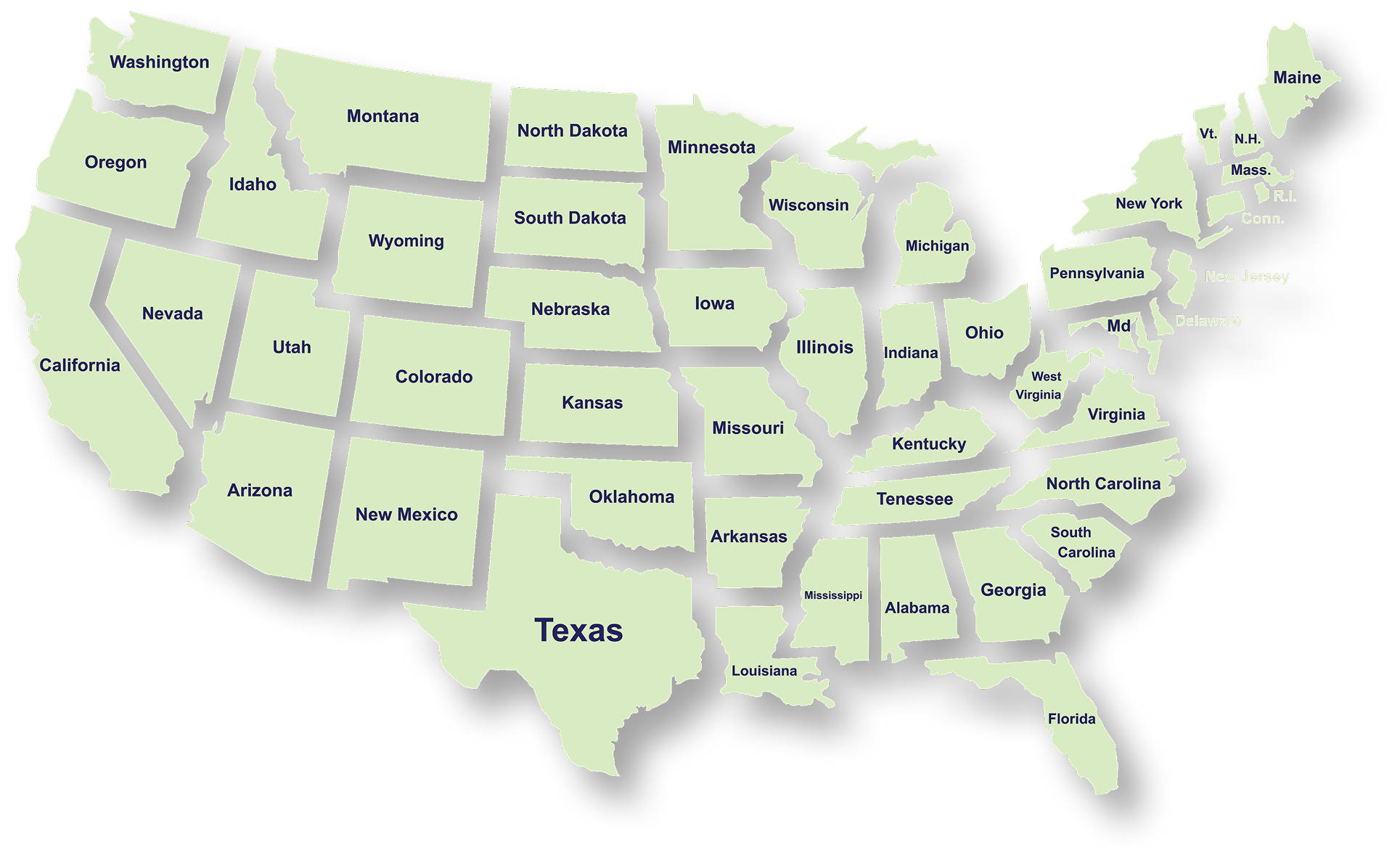
Serving Businesses & Individuals Across USA

We handle accounting, tax filing, and planning with defined timelines and accurate reporting for businesses and individuals across all states.

Frequently Asked Questions

What services does NR CPAs & Business Advisors provide?
What is tax planning and why is it important for businesses?
How can a Virtual CFO help my business?
When should a business consider IRS tax resolution services?
What financial statements does a business typically need?
How can startup advisory services help new businesses?
What is strategic business planning?
What is a Virtual Family Office and who can benefit from it?