Learning Center for Tax and Financial Insights

Stay updated with clear, actionable articles on tax rules, deadlines, deductions, and financial decisions that impact individuals and businesses.

No items found.

Strategic Summer Tax Planning for Coral Gables Restaurants

Strategic Summer Tax Planning for Coral Gables Restaurants

As the Florida heat intensifies, the temperature in your kitchen isn't the only thing rising; your tax liabilities can sizzle just as quickly if left unmanaged. For restaurant owners in Coral Gables, proactive tax planning is a critical ingredient for preserving year-round profitability.

Managing Seasonal Staff and Tip Compliance

With the summer rush comes a surge in seasonal hiring. It is vital to monitor tip pools and ensure precise allocation among servers. Accurate reporting is your primary defense against audits. Furthermore, the distinction between contractors and employees is sharp; misclassifying a worker can lead to significant penalties that burn hotter than a kitchen rush.

Restaurant tax planning

Leveraging Deductions and Local Regulations

Your promotions may drive sales, but delivery sales tax varies by locality. Reviewing these regulations ensures compliance before a viral campaign. On the expense side, use Section 179 to capitalize on equipment like efficient coolers.

Section 179 and Tax Credits

These tax shields reduce taxable income. At NR CPAs & Business Advisors, led by Nischay Rawal, we provide fractional CFO guidance to help navigate quarterly payments and energy credits. Before launching discounts, contact our team to discuss the implications for your sales tax and fringe benefits.

Effective record-keeping serves as the backbone of a successful summer season. By diligently maintaining POS reports and conducting frequent inventory counts, you transform a potentially chaotic audit into a structured verification of your operational efficiency. These records ensure that every deduction for inventory shrinkage or overhead is fully documented and defensible.

Furthermore, evaluating employee benefit packages, such as 401(k) plans, can provide dual benefits: enhancing staff retention in a competitive Coral Gables hospitality market while offering substantial corporate tax advantages. Our team at NR CPAs & Business Advisors acts as a true partner, helping you manage the specific payroll tax nuances that arise during high-volume periods. Whether you need assistance with fractional CFO services or year-round tax planning, we are here to ensure your financial infrastructure is as resilient as your passion for the culinary arts. Schedule a consultation today to refine your strategy before the next seasonal peak.

Explore More
No items found.

Crucial USPS Rule Changes for Mailing Your Tax Return

The Evolution of the IRS Mailbox Rule

For decades, taxpayers have relied on the "Mailbox Rule" (Internal Revenue Code Section 7502), which states that dropping your return in the mail by the deadline legally counts as an on-time filing—even if IRS processing takes weeks.

Image 1

How USPS Changes Affect Your Filing

However, a significant USPS rule change enacted on December 24, 2025, now puts this "timely mailing is timely filing" protection at risk. At NR CPAs & Business Advisors in Coral Gables, we monitor these administrative shifts closely to shield clients from unexpected penalties.

Need secure tax preparation and planning? Contact Nischay Rawal and our advisory team today.

Explore More
No items found.

The Hidden Tax Complexities Behind the 2026 FIFA World Cup

With Miami serving as a host city, the 2026 FIFA World Cup is poised to be an unprecedented event for North America. Spanning the United States, Canada, and Mexico, the expanded 48-team tournament will draw global athletes, media, and corporate sponsors. Yet, beneath the stadium lights lies a daunting reality: a labyrinth of international tax liabilities.

At NR CPAs & Business Advisors in Coral Gables, we routinely help businesses navigate complex compliance. From our perspective, an event of this scale creates overlapping multi-jurisdictional tax obligations that require meticulous advance planning.

The Cross-Border Tax Web

World Cup participants rarely have simple financial profiles. Athletes generally remain under club contracts while temporarily representing their national teams. Coaches and support staff might be classified as direct employees, fixed-term hires, or independent contractors.

This mobility triggers severe cross-border tax risks. For instance, Bloomberg tax analysts describe a scenario where a player holds citizenship in one nation, plays professionally in another, trains in a third, and then competes in the U.S. In such cases, multiple tax authorities may attempt to claim the same revenue streams.

Image 1

Source Taxation and U.S. Treaties

Source taxation rules dictate that earnings generated within a country are taxable there, regardless of the earner's residency. For matches played on U.S. soil, the IRS can tax appearance fees, match earnings, and tournament-related endorsements.

Under many U.S. tax treaties, foreign athletes face U.S. tax obligations if their performance-tied income exceeds $20,000. This low threshold guarantees that virtually every participating athlete will face dual-taxation hurdles.

Endorsements and Income Classification

Top-tier players often earn more from sponsorships than from their on-field performance. Tax treatment diverges sharply depending on whether these funds are classified as:

  • Direct performance compensation
  • Intellectual property or licensing royalties
  • Promotional and appearance fees

The IRS heavily scrutinizes whether income is primarily tied to U.S. athletic performance. Misclassifying these revenue streams can result in significant payroll exposure and withholding penalties.

Impacts Beyond the Pitch

The exposure isn't limited to the players. The tournament brings a massive influx of international contractors, media personnel, and corporate sponsors into the U.S. Hospitality providers and event organizers must navigate complex vendor tax withholdings and state-level nexus rules.

Image 2

Navigating Global Tax Compliance

Whether you are managing international contractors, dealing with multi-state payroll, or structuring complex international income streams, preparation is critical. Treating multi-jurisdictional tax strategy as an afterthought frequently leads to severe financial penalties.

If your business operations cross borders—or if you simply need a dedicated Fractional CFO to streamline your financial planning—contact Nischay Rawal and the team at NR CPAs & Business Advisors. Based right here in Coral Gables, we provide the comprehensive depth of a large firm with the agile, honest partnership your business deserves.

Explore More
No items found.

Is Found Money Really Taxable? Understanding IRC Section 61 and Windfall Gains

Imagine you are enjoying a quiet afternoon stroll through a local park in Coral Gables, perhaps enjoying the shade of the banyan trees, when you spot a crisp twenty-dollar bill resting on the grass. You look around, but the path is empty. You pick it up, feeling like luck is finally on your side. While this seems like a simple stroke of good fortune, it actually serves as a gateway into one of the most all-encompassing principles of federal tax law. At NR CPAs & Business Advisors, we often work with clients who are surprised to learn just how wide the net of the Internal Revenue Service (IRS) actually reaches.

The Broad Reach of IRC Section 61

The foundation of this discussion lies in Internal Revenue Code (IRC) Section 61. This specific statute provides the legal bedrock for what the government considers income. According to the code, "gross income means all income from whatever source derived." It is a short sentence with massive implications. This broad definition suggests that virtually any increase in your economic wealth, regardless of how it was obtained or the amount involved, is technically subject to taxation. Yes, that even includes the twenty-dollar bill you found during your walk.

Why does the IRS maintain such a rigid stance on small discoveries? The underlying philosophy is based on the concept of accession to wealth. If you receive something of value—be it tangible cash or an intangible benefit—that increases your net worth, the tax code views it as part of your taxable base. The accidental nature of finding money does not provide a legal shield from it being classified as income. From a strictly technical perspective, that windfall should be documented and reported on your annual tax return.

While the actual reporting of small, found sums is a frequent topic of debate among taxpayers and professionals alike, the principle itself illustrates the comprehensive nature of our tax system. In practice, the IRS typically does not spend its limited resources enforcing strict reporting for negligible amounts, as the administrative burden would far outweigh any potential revenue. However, understanding the technicality helps taxpayers appreciate the scope of their obligations.

Financial planning and tax documents

From Windfalls to Wrongdoing: The Case of "Ill-Gotten Gains"

The reach of IRC Section 61 extends far beyond innocent finds in the park. One of the most fascinating applications of this law involves income generated through illegal or unethical means. Because the code specifies "all income from whatever source derived," it does not distinguish between legal earnings and those acquired through criminal activity. If you profit, the IRS expects its share.

This facet of tax law is most famously associated with the downfall of Al Capone, the notorious prohibition-era mob boss. While law enforcement struggled for years to convict Capone for his various violent crimes and bootlegging operations, it was ultimately the tax code that brought him down. Federal agents, led by figures like Eliot Ness, utilized the principles of IRC Section 61 to prove that Capone had significant unreported income. He was convicted of tax evasion because he failed to pay taxes on his illegal earnings, proving that even the most elusive individuals are not beyond the reach of the tax law.

This historical lesson serves as a reminder that the IRS is primarily interested in the financial reality of a taxpayer's situation. Whether you find money on the sidewalk or generate it through unauthorized business ventures, the tax obligation remains a robust instrument for ensuring financial accountability across the board.

Strategic Exclusions: When Income is Not Taxable

While IRC Section 61 is designed to be inclusive, Congress has carved out specific exceptions to provide relief in certain social, medical, or economic circumstances. At NR CPAs & Business Advisors, we help our Coral Gables clients identify these exclusions to ensure they aren't paying more than is legally required. Here are several key categories of income that are generally excluded from gross income:

  • Physical Injury Settlements: Compensation received for physical injuries or physical sickness is typically excluded from gross income. It is important to note, however, that punitive damages or interest earned on these settlements are usually taxable.
  • Manufacturer’s Rebates: When you receive a rebate after purchasing a vehicle or appliance, the IRS views this as a price adjustment or a discount rather than new income. Consequently, these amounts are not taxed.
  • Credit Card Cash Rewards: Similar to manufacturer rebates, cash-back rewards or points used to offset purchase costs are considered a reduction in the purchase price and do not trigger a tax event.
  • Gifts and Inheritances: Generally, receiving property or cash as a gift or through an inheritance is not considered taxable income to the recipient. However, any subsequent income generated by that property—such as dividends from inherited stocks—is taxable.
  • Airline Miles and Travel Rewards: Frequent flyer miles earned through business or personal travel are generally not taxed unless they are converted directly into cash.
  • Welfare and Public Assistance: Payments from government programs designed to provide need-based support are typically exempt from taxation, reflecting a policy goal of supporting lower-income individuals.
  • Qualified Scholarships: Funds used for tuition, fees, and required books for a degree-seeking student are usually excluded from income, provided the funds are not used for room and board.
  • Disaster Relief Payments: In South Florida, we are all too familiar with the impact of hurricanes. Payments received to cover expenses resulting from a qualified disaster are often excluded from gross income to help victims recover.
Tax strategy planning session

The Hidden Tax Reality of Game Show Prizes

We have all seen the televised moments where a contestant wins a luxury SUV or an international vacation. While the atmosphere is celebratory, the tax reality that follows can be sobering. Winners are often required to pay taxes on the Fair Market Value (FMV) of their prizes, which can lead to significant financial complications.

When the studio lights fade, the winner will eventually receive a Form 1099-MISC. This document reports the value of the prize to the IRS, and the winner must include that value in their gross income. This creates several challenges:

  1. Valuation Reporting: Any prize valued over $600 must be reported by the provider to both the IRS and the recipient. The recipient is then responsible for the associated tax liability.
  2. Cash vs. Non-Cash Hurdles: Winning a $50,000 car is different from winning $50,000 in cash. The winner must find the liquid funds to pay the taxes on that car, which can be difficult if they don't have significant savings.
  3. Bracket Creep: A large non-cash prize can easily push a taxpayer into a higher tax bracket, increasing the tax rate on their regular earned income as well.
  4. Difficult Decisions: Some winners are forced to sell their prize just to cover the tax bill, while others may choose to decline the prize entirely to avoid the administrative and financial headache.
Business owner reviewing financial data

Professional Guidance for Complex Income Scenarios

Whether you are dealing with a sudden inheritance, a unique business windfall, or concerns about the taxability of specific benefits, navigating the Internal Revenue Code requires a nuanced approach. As a boutique firm in Coral Gables led by Nischay Rawal, CPA and Enrolled Agent, NR CPAs & Business Advisors provides the technical depth of a large firm with the personalized touch of a local partner.

Tax planning is not just about the numbers; it is about understanding how the law applies to your unique financial journey. If you have questions about whether a recent gain is taxable or if you need to develop a strategy to manage your tax liability, our team is here to help. We can assist in assessing your estimated tax requirements to help you avoid underpayment penalties and ensure you remain in full compliance with the law. Contact our office today to schedule a consultation and gain clarity on your financial obligations.

Beyond the simple find in the park, the technical mechanics are found in Treasury Regulation Section 1.61-14(a). This regulation explicitly states that treasure troves constitute gross income for the taxable year in which they are reduced to undisputed possession. This concept was famously tested in Cesarini v. United States (1969), where a couple found $4,500 hidden inside a $15 used piano. The court confirmed the money was taxable the year it was discovered. This case serves as a permanent reminder that the treasure trove rule is a binding legal precedent for all taxpayers regardless of the specific source of the discovery.

For our clients in Coral Gables, navigating these nuances is essential for long-term financial health and tax planning efficiency. While Florida lacks a state income tax, federal reporting remains a mandatory requirement that cannot be overlooked. When a windfall occurs—whether it is a rare collectible, a found item of value, or a significant prize—the IRS requires a defensible Fair Market Value (FMV). NR CPAs & Business Advisors specializes in helping clients determine the timing of income recognition and the correct valuation methods for unique items. By addressing these unique income streams early, we help you maintain precise financial records and avoid potential IRS disputes or audits. Our team remains dedicated to providing the agility of a boutique firm while ensuring your tax strategies are robust and fully compliant with all federal mandates.

Explore More
No items found.

Tax Issues to Be Aware of as Year-end Approaches

Article Highlights

  • Take Full Advantage of Your Deductions
  • Traditional IRA Contributions at Any Age
  • Make Charitable Contributions with IRA Funds
  • Larger-than-Normal Charitable Contributions May Be Possible
  • Deducting Charitable Contributions Without Itemizing
  • Marital Status
  • Maximize 2020 Education Tax Credits
  • Convert Your Traditional IRA into a Roth IRA
  • Remember the Annual Gift Tax Exemption
  • Medical Expenses
  • Property Taxes
  • Manage Your Stock Portfolio

It seems hard to believe, but the holiday season is almost upon us, and that means that the 2020 tax preparation season will soon follow. With the end of the tax year just weeks away, it may be appropriate (especially this year, in light of the financial havoc created by COVID-19) to review some year-end tax issues that might reduce your tax bite for 2020 or provide long-term tax benefits.Take Full Advantage of Your Deductions – Individuals can itemize their deductions or take the standard deduction, which is $12,400 for singles and married couples filing separate returns, $24,800 for married couples filing jointly, and $18,650 for those filing as heads of household. Because of the COVID-19 pandemic, some people have seen substantial reductions in their income, possibly so much so that their income may be less than their deductions, meaning they will not be taking full advantage of their deductions.If you fall into that category, you should review your resources to determine if you have opportunities to increase your 2020 income to take full advantage of your deductions and cash in some income tax-free states. For example, you might be able to sell profitable stocks, withdraw funds from taxable retirement accounts (but only after age 59½ to avoid a penalty), or even exercise a stock option.Traditional IRA Contributions at Any Age – The SECURE Act passed by Congress a little over a year ago removed the age restriction on making traditional IRA contributions beginning in 2020. Thus, taxpayers who are 70½ or older and still working are no longer prohibited from contributing to a traditional IRA. However, the contribution is still limited to earned income (income from working). Traditional IRAs are tax deductible, so consider whether you would gain any benefit from making a contribution for 2020. Plus, if you are not sure, you can defer the decision up to April 15, 2021 and still qualify for a 2020 tax deduction.Make Charitable Contributions with IRA Funds – If you are age 70½ or over and have an IRA, you can have your IRA trustee transfer IRA funds (up to $100,000) directly to a charity or charities of your choosing. Although the donation will not be tax deductible, the distribution will not be taxable either, giving you an opportunity to help your favorite charity or charities with untaxed funds in this time of need. Caution—the donation must be transferred directly from the IRA account to the charity; it cannot pass through your hands or it will be taxable.Larger-Than-Normal Charitable Contributions Are Possible – For those of substantial means, be aware that for 2020 donations, the income (AGI) limit on cash charitable contributions has been increased from the normal amount of 60% to 100% as a way to stimulate more contributions in light of the needs brought about by COVID. Donations of property (used furniture and clothing, for example) are not eligible for this enhanced deduction.Deducting Charitable Contributions Without Itemizing – Charitable contributions are allowed as a tax deduction if you itemize your deductions. However, for 2020 only, taxpayers can deduct up to $300 of cash charitable contributions even when they are claiming the standard deduction.If you usually claim the standard deduction, you may not be familiar with the documentation rules for charitable contributions, so here’s a brief rundown. Donations to qualified organizations need to be made by December 31 to be deductible on your 2020 return. For cash contributions (gifts paid by cash, check, electronic funds transfer, or credit card), you cannot claim a tax deduction, regardless of the amount, unless you have a bank record (canceled check, bank or credit union statement, or a credit card statement) showing the name of the qualified organization, the contribution date, and the amount of the contribution. A receipt (or a letter or other written communication) from the qualified organization showing the name of the organization, the date of the contribution, and the amount of the contribution can be substituted for a bank record.To claim a deduction for a contribution of $250 or more, you must have a written acknowledgment of the contribution from the qualified organization that includes the following details:

  • The amount of cash contributed;

  • Whether the qualified organization gave you goods or services (other than certain token items and membership benefits) as a result of the contribution and a description and good-faith estimate of the value of any goods or services that were provided (other than intangible religious benefits); and

  • A statement that the only benefit received was an intangible religious benefit, if that was the case.

Marital Status – Be mindful that filing status for the entire year is determined on the last day of the tax year, so no matter when you get married during the year, you will be considered married for the entire year for tax purposes. In addition, if a spouse is changing names, the Social Security Administration should be notified, and the IRS should be informed of any address change by either or both spouses.If you are in the process of divorcing but the divorce isn’t final by December 31, the options for 2020 are for you and your spouse to file jointly or for you each to submit a return using the married filing separate status. There is an exception to this rule if a couple has been separated for all of the last 6 months of the year and one spouse has paid more than half the cost of maintaining a household for a qualified child. In that situation, that spouse can use the more favorable head of household filing status. If each spouse meets the criteria for that exception, they can both file using the head of household status; otherwise, the spouse who doesn’t qualify will need to use the status of married filing separately.


Filing a joint return often results in less tax overall than filing two married separate returns, but when a joint return is filed, each spouse assumes liability for the full amount of the tax. This factor needs to be taken into account when determining the filing status of a married couple, especially when a divorce is in process or being contemplated.

If your divorce has been finalized and you haven’t remarried, your filing status will be single or, if you meet the requirements, head of household.

Maximize 2020 Education Tax Credits – Both the lifetime learning education credit and the American opportunity credit allow qualified taxpayers to prepay 2021 college tuition bills for an academic period that begins by the end of March 2021. That means that if you are eligible to take the credit and you have not yet reached the 2020 maximum for qualified tuition and related expenses paid, you can bump up your 2020 credits by paying for 2021 now. This may not apply to you if you’ve been paying tuition expenses for the entire 2020 tax year, but if your child just started college this fall, it will probably provide you with some additional tax credit for 2020.

If you are a grandparent, you may be paying all or part of the tuition for a grandchild, and if the child’s parents are claiming the child as a dependent, then the parents receive the education credit if not phased out by the high-income limitation. If the payment is made directly to the college, there are no gift tax issues. So, the grandparent makes two gifts—tuition for the student and the tax credit to the student’s parents.

Convert Your Traditional IRA into a Roth IRA - By converting a traditional IRA into a Roth IRA, taxpayers whose incomes have been very low in 2020 may be able to move the assets currently in their traditional IRA into a Roth IRA at a much lower tax rate. Any amount can be converted, and with a little planning, the conversion tax can be low or even zero. To take advantage of this opportunity, the conversion must be made before year end, and it is irrevocable.

Remember the Annual Gift Tax Exemption – One of the best ways to reduce your taxes while giving to those you love is to take advantage of the annual gift tax exemption. Though the gifts are not tax deductible, for tax year 2020, you are able to give $15,000 each to as many people as you want without having to pay any gift tax. If you want to do this, make sure that you do so by the end of the year, as you are not able to carry the $15,000 over into 2021.

Medical Expenses – If you itemize your deductions, you are able to deduct unreimbursed medical expenses in excess of 7½ percent of your income (AGI). If you have reached that threshold or are close, it may make sense for you to pay off medical bills that are still outstanding rather than paying them over time.

If you are near or above the deduction limit, it may also make sense to look at what your expenses will be for the next year and move those that you can into 2020 to increase the deduction. These expenses could include dental work or eyeglasses. Beware—if you are thinking of paying for those expenses using a credit card and you’re not going to pay the balance immediately, make sure that you’re not paying more in interest than you’re saving with the increased deduction. Medical expenses charged to a credit card are counted toward your medical deduction for the year the expense was charged to the card, not as the balance on the card is paid off.

Property Taxes – If you itemize your deductions, certain taxes are included as deductions on your federal return. Although it used to make sense to maximize your tax deduction by prepaying part of your real property taxes for the subsequent year, be aware that the total itemized deductions for state and local taxes in a year are now limited to $10,000. That limit includes state income tax, if your state has an income tax, or if not, then state sales tax. So, depending on the amount of state income or sales tax you’ve already paid during the year, it may not be beneficial to prepay property taxes.

Manage Your Stock Portfolio – In a normal tax year, if you have stocks that have declined in value, you may wish to sell them before the end of the year and use the loss to offset other capital gains for the year or to produce a deductible loss. The net capital loss on a tax return that can be used to offset other types of income is limited to $3,000 for the year, but any excess loss carries over to future years. You can repurchase the stocks you sold at a loss after 30 days have passed and avoid the wash sale rules that prohibit a loss from being claimed when you repurchase the same or similar stock right away. However, for 2020 (and depending on your overall situation), you may find yourself in a lower-than-normal tax bracket, and it actually may be beneficial to take stock gains rather than losses.

Also, be aware of the 0% income tax rate on long-term capital gains and qualified dividends from securities held other than retirement accounts. Yes, you could pay zero tax on long-term capital gains and qualified dividends if your taxable income is $40,000 or less. The upper limit for a married couple filing a joint return is $80,000, while it is $53,600 for those filing as head of household.

Every taxpayer’s situation is unique, and the suggestions offered here may not apply to you. The best way to ensure that you are putting yourself into an advantageous position is to contact this office for advice related to any of the issues discussed in this article.

Explore More
No items found.

Estimated Tax Payments Are Not Just for the Self-Employed

While W-2 employees typically see their income, Social Security, and Medicare taxes automatically deducted from every paycheck, the landscape is different for those with diverse income streams. For many professionals and business owners in Coral Gables, the concept of “pay-as-you-go” taxation is a critical part of their financial strategy. The IRS requires that taxes be paid as income is earned throughout the year. For the self-employed, this means making periodic estimated tax payments based on a projection of their annual net earnings. Failure to stay on top of this schedule can lead to avoidable interest penalties that eat into your bottom line.

Who Is Required to Make Estimated Payments?

It is a common misconception that only those with 1099 income need to worry about quarterly vouchers. In reality, the requirement extends to anyone who receives income where tax is not withheld, or where the withholding is insufficient to cover their total liability. If your financial portfolio includes gains from stock sales, property transactions, taxable alimony, or distributions from partnerships and S-corporations, you likely fall into this category. Additionally, individuals receiving inherited pension plans or those subject to the 3.8% net investment income tax must be proactive. Even hiring household employees can trigger an obligation to pay employment taxes through the estimated system.

Leading the way in tax strategy

Understanding the 2026 Payment Schedule

Many taxpayers refer to these as “quarterly” payments, but the IRS schedule does not perfectly align with standard calendar quarters. Staying synchronized with these specific deadlines is essential to avoid the “financial dental cleaning” of a surprise audit or penalty notice. At NR CPAs & Business Advisors, we emphasize the importance of these four specific windows:

2026 ESTIMATED TAX INSTALLMENTS DUE DATES

Quarter

Period Covered

Months

Due Date

First

January through March

3

April 15, 2026

Second

April and May

2

June 15, 2026

Third

June through August

3

September 15, 2026

Fourth

September through December

4

January 15, 2027

The Penalty Threshold and Calculation Rules

The IRS provides a small safety net known as the “de minimis amount due” exception. If your total tax liability after accounting for withholding and refundable credits is less than $1,000, you generally will not face an underpayment penalty. However, once you cross that $1,000 threshold, the penalty clock begins to tick. These charges are assessed on a per-period basis. This means you cannot simply “catch up” by making a massive payment in the fourth quarter to cover a shortfall in the first; however, overpaying in an earlier period can be applied forward to reduce future requirements.

Global currency and tax considerations

For most, the payment amount is calculated by taking one-fourth of the projected annual tax. But what if your income is seasonal or you receive a sudden windfall? In these cases, we can use specific IRS forms to base the penalty on actual income earned during each specific window, rather than an even split.

Utilizing Safe Harbor Provisions

If you prefer to avoid the granular math of monthly projections, the “Safe Harbor” method offers a standard path to avoid penalties. Generally, you are protected if your total payments equal at least:

  • 90% of your current year’s total tax liability; or
  • 100% of the tax shown on your prior year’s return.

Note that for high-income earners—those with an adjusted gross income (AGI) exceeding $150,000—the requirements are more stringent. To meet the safe harbor, you must pay 110% of the prior year’s tax instead of 100%.

Strategic Adjustments for Peace of Mind

Some taxpayers with both W-2 wages and outside investment income choose to increase their payroll withholding to cover the tax due on their other sources. While this can be an effective strategy, it requires careful precision. Inaccurate adjustments can still leave you short when tax season—the “Super Bowl” for your books—arrives. Led by Nischay Rawal, CPA and Enrolled Agent, our team at NR CPAs & Business Advisors specializes in navigating these complexities for both individuals and businesses. Whether you need assistance estimating payments, adjusting withholding, or setting up a safe-harbor plan, we provide the depth of a large firm with the boutique agility your finances deserve. Please contact our Coral Gables office for personalized assistance.

Beyond the fundamental calculations, there are specific nuances for different types of non-wage income that Coral Gables residents frequently encounter. For investors managing high-growth portfolios or those active in the vibrant Florida real estate market, capital gains from property sales represent one of the most common triggers for these requirements. When a property is sold at a significant profit, the tax liability is generated at the moment of the sale, not at the end of the year. Relying on safe harbor rules based on the prior year's tax is often the most stable route in these scenarios, as it provides a predictable ceiling for your payments regardless of how large the current year's windfall might be. Our firm frequently works with individuals who have various real estate holdings, helping them calculate the potential depreciation recapture and capital gains taxes that must be satisfied through these quarterly vouchers.

Managing diverse income streams and tax obligations

Partnerships and S-corporation owners face unique challenges because their taxable income is passed through via a Schedule K-1. Often, the final numbers are not fully realized until well after the end of the calendar year. In these instances, our role as a fractional CFO or business consultant becomes vital. We help business owners project their distributive share of income throughout the year so that they can adjust their estimated payments in real-time. This prevents the stress of a massive underpayment penalty when the return is finally filed. This proactive approach is a hallmark of our service, ensuring that our clients are never blindsided by the IRS or the complexities of pass-through taxation.

We also see frequent questions regarding the 3.8% Net Investment Income Tax (NIIT). This surtax applies to individuals, estates, and trusts that have certain investment income above specific statutory thresholds. Because this tax is not typically withheld by brokers at the time of a trade, it must be manually factored into your quarterly installments. Similarly, if you employ household staff—such as a nanny, housekeeper, or gardener—you are responsible for paying the employer’s share of Social Security and Medicare taxes, as well as federal unemployment tax. These amounts are generally reported and paid on your individual income tax return, but they should be integrated into your estimated tax calculations to avoid falling below the required 90% payment threshold.

For those with sporadic or seasonal income, such as boutique business owners who see a surge in revenue during specific times of the year, the Annualized Income Installment Method is an invaluable tool. While more complex than the standard equal-payment method, it allows you to pay less in your slower months and more during your peak season. This protects your cash flow and ensures that you are only paying tax on the income you have actually received to date. At NR CPAs & Business Advisors, we take the guesswork out of these calculations, acting as both an advisor and a partner to help you maintain compliance while optimizing your financial health.

It is also important to understand how the IRS applies these payments behind the scenes. Credits and payroll withholding are generally treated as being paid evenly throughout the year, regardless of when they were actually withheld from your check. This can be a strategic advantage for those who realize late in the year that they have underpaid; by increasing their December withholding, they can often mitigate or eliminate penalties that would have otherwise accrued from earlier quarters. However, estimated payments are only credited when they are actually received by the IRS. Our team is skilled at responsiveness and honesty, and we work closely with you to review your withholding and estimated payment status throughout the year, ensuring your tax strategy remains as agile as the boutique service we provide.

Explore More
No results found.
Thank you! Your submission has been received!
Oops! Something went wrong while submitting the form.

Want tax & accounting tips & insights?Sign up for our newsletter.

Thank you! Your submission has been received!
Oops! Something went wrong while submitting the form.

Why Work With Us?

We combine deep tax expertise, financial strategy, and practical business insight to help you manage complexity, stay compliant, and make confident financial decisions.
A dollar sign, representing financial advice or discussion at NR CPAs & Business Advisors.

Experienced CPA and Enrolled Agent Leadership

Guidance led by licensed professionals with deep expertise in tax strategy, compliance, and complex financial matters.
White bar chart with an upward arrow on green circular background representing growth or progress at NR CPAs &. Business Advisors

Support for Growing Businesses and Startups

We understand the financial challenges of growth stage businesses and provide structured guidance to support expansion.
A white hand holding a dollar symbol and ascending bar chart on a green circular background representing financial growth or investment at NR CPAs & Business Advisors..

Strategic Financial Advisory

Our team helps you evaluate financial decisions with greater clarity, supported by practical insights and long term planning.

Fractional CFO Support

Access experienced financial leadership without the commitment and cost of hiring a full time Chief Financial Officer.

Proactive Tax Planning Approach

We focus on identifying tax opportunities throughout the year rather than reacting only during filing season.

Clear and Reliable Financial Reporting

Accurate financial statements and reporting that help you better understand performance and make informed decisions.
White IRS building icon with pillars and a dollar sign above on a green circular background.

Professional IRS Representation

Experienced support in resolving IRS notices, disputes, and compliance matters while protecting your financial interests.

Personalized Client Focus

Every client receives thoughtful attention and tailored financial solutions based on their specific needs and business goals.
Financial matters often involve important decisions. Working with experienced advisors can help you approach them with greater clarity and confidence in your choices.

Need Help With Your Tax or Financial Decisions?

Discuss your situation with our advisors to get clear guidance on tax planning, IRS matters, and the financial decisions ahead.
Business consulting at NR CPAs & Business Advisors.

Request Your Consultation

Fill out the form to discuss your tax concerns, financial questions, or advisory needs with our team. We will review your details and respond shortly.

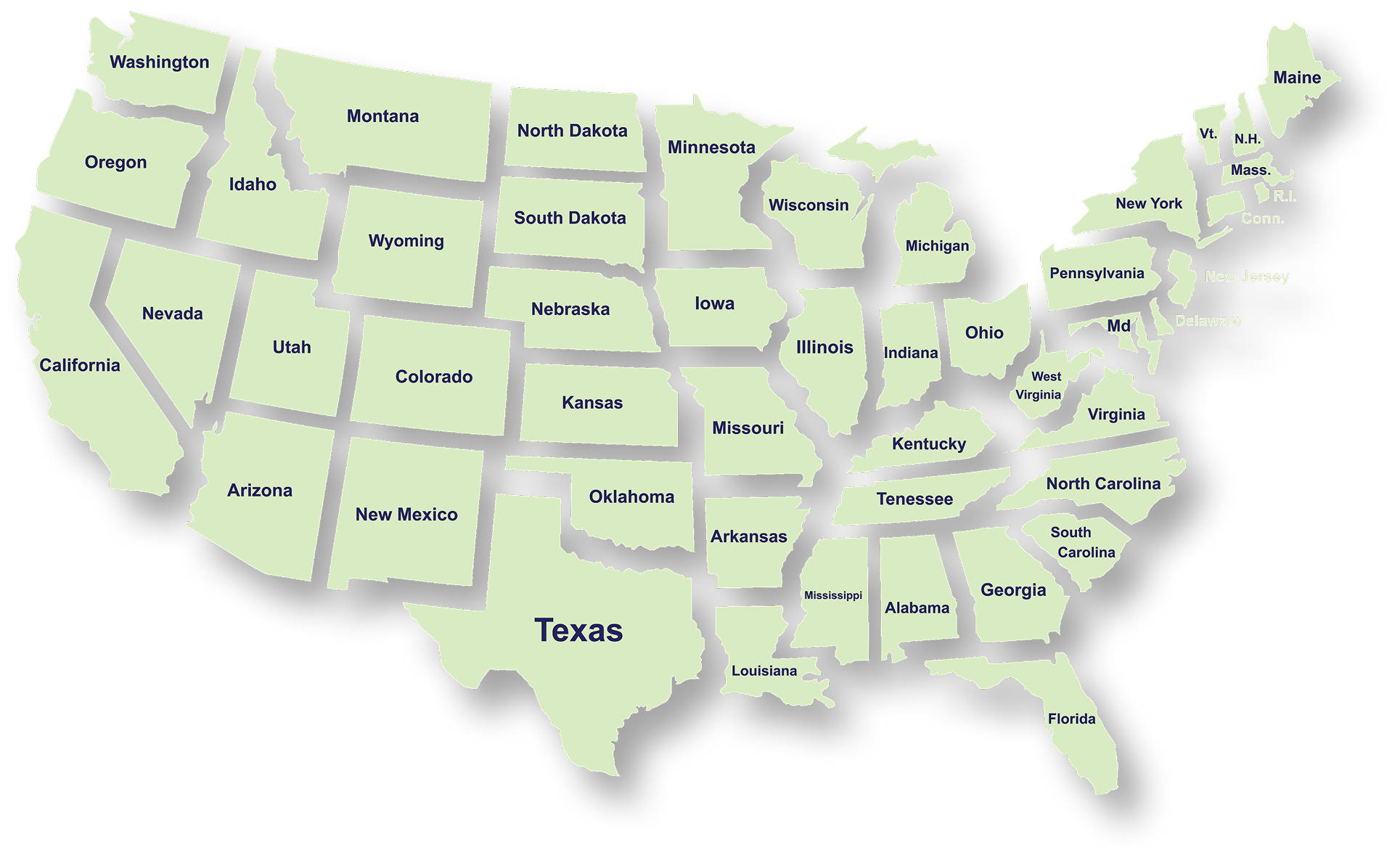
Serving Businesses & Individuals Across USA

We handle accounting, tax filing, and planning with defined timelines and accurate reporting for businesses and individuals across all states.

Frequently Asked Questions

What services does NR CPAs & Business Advisors provide?
What is tax planning and why is it important for businesses?
How can a Virtual CFO help my business?
When should a business consider IRS tax resolution services?
What financial statements does a business typically need?
How can startup advisory services help new businesses?
What is strategic business planning?
What is a Virtual Family Office and who can benefit from it?