Learning Center for Tax and Financial Insights

Stay updated with clear, actionable articles on tax rules, deadlines, deductions, and financial decisions that impact individuals and businesses.

No items found.

Congress Overrides D.C. Tax Legislation: What Businesses Must Know

Most business owners and taxpayers rarely consider the unique legal framework governing Washington, D.C., until a federal intervention makes headlines and disrupts established corporate tax planning strategies.

Recently, Congress exercised its oversight authority to pass a resolution blocking the District of Columbia from decoupling its tax system from specific federal corporate alternative minimum tax (CAMT) guidelines. This legislative move highlights a distinct reality: unlike states such as our home base here in Florida, D.C. remains entirely subject to federal overrides on local legislation.

The Attempt to Decouple

The District had passed legislation designed to separate its local tax code from federal interpretations of the Corporate Alternative Minimum Tax (CAMT), a framework born from the Inflation Reduction Act.

In the corporate tax world, "decoupling" is a standard maneuver. States routinely choose whether to mirror federal tax adjustments or maintain their own independent rules to protect local revenues. D.C. sought to prevent specific federal CAMT guidelines from automatically applying locally. However, D.C.'s lack of statehood means its council votes are not always the final word.

Business tax planning and strategy

Congressional Intervention

Utilizing the District of Columbia Home Rule Act, both chambers of Congress passed a joint resolution to nullify the local decoupling effort. The Senate’s resolution mandates that the District continue conforming to federal CAMT guidelines rather than implementing its proposed divergence.

Impact on Corporate Taxpayers

This development applies primarily to large corporations reporting average annual financial statement incomes over $1 billion.

For those affected entities operating within the capital:

  • Financial projections built on anticipated decoupling must be immediately reassessed.
  • D.C. operations will remain strictly aligned with federal CAMT interpretations.
  • Corporate tax departments must adjust state-level modeling and compliance accordingly.

The Broader Governance Lesson

Beyond the technical tax mechanics, this scenario emphasizes D.C.'s limited fiscal autonomy. Congress retains constitutional power to review, reject, or rewrite local legislation, creating constant tension between federal oversight and local governance that businesses must navigate.

For everyday taxpayers, whether residing in the capital or working with our fractional CFOs in Coral Gables, personal tax returns remain unaffected. But for large enterprises, this serves as a stark reminder that tax strategy requires monitoring both local council decisions and Capitol Hill.

Need help navigating complex corporate tax planning, assurance services, or compliance requirements? At NR CPAs & Business Advisors, Nischay Rawal and our expert team bring the depth of a large firm with the agility of a boutique one. Contact our Coral Gables office today to optimize your corporate strategy.

Explore More
No items found.

Video Tips: Essential April 15 Tax Deadlines

April 15 Tax Deadlines

By April 15, 2026, Coral Gables taxpayers must file 2025 individual returns or request an extension. Remember: extensions grant time to file, not to pay. Pay any 2025 tax owed by midnight to prevent penalties.

Office hallway

Critical Action Items

Today is also the final day for 2026 Q1 estimated payments, 2025 IRA contributions, and claiming 2022 return refunds. Need proactive tax planning assistance? Contact NR CPAs & Business Advisors.

Explore More
No items found.

Unlocking Financial Freedom: How ABLE Accounts Empower Individuals with Disabilities

An Achieving a Better Life Experience (ABLE) account offers individuals with disabilities the opportunity to set money aside for the future while receiving governmental benefits. Established under the ABLE Act of 2014, these accounts provide a tax-advantaged way to save for qualified disability expenses without jeopardizing eligibility for Medicaid, Supplemental Security Income (SSI), and other public benefits.

The Purpose of an ABLE Account: The primary purpose of an ABLE account is to enhance the financial independence and quality of life for individuals with disabilities. It enables eligible individuals and their families to save for expenses related to their disability without affecting critical public benefits. The accumulated funds in an ABLE account can be used for various expenses, promoting self-sufficiency and inclusion. These expenses cover a broad span, including education, housing, transportation, health care, and more, all tailored to improve the individual’s future.

Eligibility Criteria: To establish an ABLE account, the individual must meet specific eligibility requirements. Currently, the person must have developed their disability before reaching age 46 (prior to 2026 the age threshold was 26). Additionally, the individual must be entitled to benefits based on blindness or disability under the Social Security Act, or they must have a disability certification that demonstrates the presence of a significant physical or mental impairment that leads to substantial limitations.

Allowable Contributions to ABLE Accounts: Contributions to an ABLE account play an essential role in providing financial support for individuals with disabilities. Here’s a detailed look at the specifics of these contributions.

  1. Contribution Limits:
    • Annual Contribution Limits – Prior to 2026, the annual contribution limit for ABLE accounts was set by the inflation-adjusted federal gift tax exclusion amount, which for 2025 was $19,000. The One Big Beautiful Bill (OBBBA) enacted in 2025 modified how the inflation adjustment is made for the purpose of the ABLE limitation. Thus, for 2026, this limit is $20,000 (while the gift tax exclusion remains $19,000). This means that the total contributions from all sources – whether they come from the account beneficiary, family members, friends, or any other contributor – cannot exceed $20,000 per beneficiary for 2026.
    • Sec 529 Plan Rollovers - Contribution to an ABLE account from a Section 529 plan can be made through a tax-free, penalty-free rollover for the same beneficiary or a family member(parent, sibling, niece, nephew, cousin, etc.), up to the annual ABLE contribution limit (minus any other contributions made that year). This allows families to repurpose education savings for disability-related expenses, offering greater financial flexibility and avoiding asset forfeiture issues that can arise with ABLE accounts.
    • Additional "ABLE to Work" Contribution: The Tax Cuts and Jobs Act (TCJA), and its successors, have allowed for added contributions beyond the annual limit. If a beneficiary works and has taxable compensation and is not contributing to an employer sponsored retirement plan, they are entitled to contribute additional amounts to the ABLE account. The supplementary contribution is the lesser of the beneficiary’s earnings for the year or the poverty line for a one-person household in the previous year.  For 2026 coverage (using 2025 guidelines for the start of the year), the Federal Poverty Level (FPL) for a one-person household is $15,650 in the 48 contiguous states, $17,990 for Hawaii and $19,550 for Alaska.  
  2. Aggregate State Limits: Beyond the annual contribution cap, ABLE accounts adhere to aggregate limits akin to state-established Section 529 college savings plans. These cumulative limits vary by state and are typically quite substantial, ranging from about $300,000 to over $550,000. Once an ABLE account hits the maximum aggregate limit set by the state, no further contributions can be made until the account balance falls below that threshold. For example, for 2026California’s limit is $529,000, New Mexico's is $541,000, and North Carolina $450,000.

    Visit the ABLE National Resource Center website for a state-by-state summary of limits and program details.
  3. SSI & Other Benefit Impacts:
  4. o    SSI (Supplemental Security Income): An ABLE account balance over $100,000 suspends SSI cash payments, but eligibility isn't lost, and payments resume when the balance falls below $100,000.
  5. o    Medicaid: ABLE funds (even over $100,000) generally don't affect Medicaid eligibility, though states can recoup costs from remaining funds after the beneficiary's death (Medicaid Payback).

    o    Other Programs: Funds in an ABLE account typically don't impact eligibility for HUD housing, SNAP (food stamps), or SSDI.

4.    IRS Form 5498-QA: The financial institution holding the ABLE savings account issues this form to the account beneficiary to report contributions, rollovers, and program-to-program transfers for the tax year.

Consequences of Excess Contributions: If contributions exceed the permissible limit, specific measures and penalties come into play to rectify and dissuade disregarding the set regulations. The consequences are structured to enforce compliance:

  1. Return of Excess Contributions - Should an ABLE account receive contributions exceeding the annual limit, determined by either the total annual contribution cap or the extra contributions allowed for working beneficiaries, these "excess contributions" must be returned to the contributor(s). The return process ensures no unlawful gain is achieved momentarily or otherwise on the excessive amounts.
  2. Net Income Attributable - Alongside returning the excess principal amount, any net income earned on those excess contributions must also be recalculated and returned to the contributor(s).
  3. Excess Contribution Penalty - Each excess compensation contribution and excess aggregate contribution must be returned to its contributor(s) on a last-in-first-out basis until the entire excess, along with all net income attributable to the excess, has been repaid. A failure to return excess contributions that exceed the annual limit by the due date (including extensions) of the beneficiary’s tax return will result in the designated beneficiary being charged with a 6% excise tax on the amount of excess contributions and earnings.  

The 6% excise tax is levied on the excess contributions for each year they remain in the ABLE account. This penalty is designed to act as a deterrent against over-contributing, ensuring strict adherence to the stipulated limits.

The compliance with returning excess contributions and associated net income is essential to avoid this excise tax. If not properly managed, these financial penalties can significantly impact the account’s accumulative growth potential.

Saver’s Credit: Importantly, contributions by an ABLE account beneficiary to their own ABLE account may also qualify for the Saver's Credit which is a nonrefundable tax credit that rewards low- and moderate-income individuals for their contributions to retirement savings plans, including ABLE accounts.

Beneficiaries of ABLE accounts who contribute their own earnings (earned income) may be eligible for this credit, which ranges from 10% to as much as 50% of the first $2,000 ($2,100 after 2026) contributed, depending on Adjusted Gross Income (AGI) levels and filing status. This feature of ABLE accounts enhances the disabled individual’s potential to accumulate savings with favorable tax treatment, thus promoting a more secure financial future.

Usage of ABLE Account Distributions: The flexibility of an ABLE account's distributions is one of its remarkable attributes, mainly when addressing expenses that can potentially enhance a disabled individual's living conditions. The IRS defines "qualified disability expenses" broadly, encompassing categories like education, housing, transportation, employment training and support, assistive technology, personal support services, health and wellness, financial management, and legal fees.

Distributions used for these qualified expenses are tax-free and are not counted as income, preserving eligibility for means-tested programs. This supports long-term financial planning, helping individuals with disabilities afford necessary and sometimes expenses without financial pressure.

  • IRS Form 1099-QA – The financial institution holding the ABLE savings account will issue Form 1099-QA that shows the gross distribution from the account for the calendar year.

    o   Box 1, Gross Distribution: The amount in this box doesn’t differentiate between qualified and non-qualified distributions andalso includes amounts distributed that the designated beneficiary intends to roll over to another ABLE account, but does not include program-to-program transfers. A gross distribution also includes a return of excess contributions plus earnings.

    o   Box 2, Earnings: This box shows the earnings part of the gross distribution shown in box 1. Generally, earnings amounts distributed that are used to pay for qualified disability expenses, or rolled over to another ABLE account within 60 days, are not included in income. Taxable amounts should be reported as “other income” on Form 1040, Schedule 1, line 8q.
  • Penalties for Non-Qualified Distributions - While the advantages of ABLE accounts are incredible, it is equally vital to note the penalties applied when funds are withdrawn for non-qualified expenses. Such distributions are subject to income tax on the account earnings portion, and a 10% additional tax is charged on those earnings. This tax treatment is consistent with the aim of ABLE accounts to help individuals with disabilities save specifically for disability-related expenses. Form 5329, Part II, is used to compute the penalty on non-qualified distributions.

Maximizing the Benefits of ABLE Accounts: To maximize the benefits of an ABLE account, consider the following strategies:

  1. Consistent Contributions: Regular contributions from a variety of sources can optimize the potential growth of the account.
  2. Budgeting for Qualified Expenses: Carefully planning and budgeting for qualified expenses ensures that distributions remain tax-advantaged and penalties are avoided.
  3. Coordination with Public Benefits: It is essential to coordinate ABLE account savings with existing public benefits to maintain eligibility and maximize financial support.

State-Specific Variations and Considerations: ABLE accounts are state-established programs authorized under federal law, which means that individuals must open an account in a participating state program. While most states align with federal guidelines, some variances may exist concerning contribution limits, tax benefits, and program features. For instance, California's CalABLE program mirrors federal law regarding contributions but did not fully conform to the federal change that extended the age eligibility until January 2026.

Conclusion: ABLE accounts are a vital resource for individuals with disabilities, providing a meaningful way to plan financially without compromising their public assistance benefits. They offer the flexibility needed to save for a wide array of expenses, thereby enhancing life quality and promoting independence. Understanding the eligibility requirements, contribution rules, allowable distributions, and penalties ensures that beneficiaries can maximize this valuable tool in planning their financial futures. As more individuals become aware and take advantage of this opportunity, the benefits of ABLE accounts will continue to enhance the revenue sources of many disabled persons and their families nationwide.

With prudent management and strategic planning, ABLE accounts not only affirm the financial integrity of individuals with disabilities but also encourage the aspirational goals of a better, self-reliant, and secured future.

Contact this office for assistance with ABLE accounts.

Explore More
No items found.

The Ripple Effect: How Global Energy Shifts Squeeze Your Profit Margins

Profit margin erosion rarely happens overnight.

You won't pinpoint a single day when running your Coral Gables business became financially strained. Instead, the pressure mounts gradually.

A supplier bumps up an invoice. Freight charges land higher. Fuel surcharges reappear.

Initially easy to absorb, these bumps eventually restrict cash flow. You might wonder why profitability is shrinking even though core operations remain unchanged.

As we see at NR CPAs & Business Advisors, the culprit is often macroeconomic.

The Widespread Impact of Energy Prices

Energy acts as the baseline for nearly all economic activity. It dictates production, transportation, and final delivery costs.

Small business owner reviewing inventory costs

With oil prices recently fluctuating around $75 to $85 per barrel, businesses are feeling the tremors. Even minor shifts trigger localized consequences. When fuel gets expensive, transit costs spike, prompting vendors across your entire supply chain to recalibrate their rates.

How Hidden Expenses Infiltrate Your Books

You probably aren't buying barrels of oil, but those costs reach your South Florida business through several layers:

  • Freight and Shipping: Carriers swiftly apply fuel surcharges. Whether you are importing goods into Miami or shipping across the country, those premiums fall on you.
  • Vendor Pricing: Your suppliers face identical inflationary pressures. Elevated production logistics inevitably surface in your accounts payable.
  • Inventory Replacement: Goods purchased last quarter carried a lower cost basis. Replenishing shelves today demands more capital, shrinking your gross profit.
  • Direct Operating Costs: If your company relies on service vehicles or frequent travel, escalating gas prices hit your day-to-day ledger instantly.

Protecting Your Cash Flow

The danger isn't one isolated price hike; it is the compounding effect. Revenue holds steady, but expenses expand on all fronts. Because raising your own prices feels risky, you absorb the difference.

Business owner experiencing financial stress

Our Fractional CFO and advisory teams recommend taking proactive steps rather than reacting to margin compression:

  • Implement Incremental Pricing: Small, strategic price adjustments help preserve margins without alienating your customer base.
  • Audit Supplier Contracts: Now is the ideal moment to negotiate terms or consolidate vendors for better volume discounts.
  • Monitor Cash Flow Rigorously: Timing matters. Scrutinize your inflows and outflows to maintain liquidity.

Gain Clarity Before You React

Knee-jerk reactions—like slashing vital expenses or enacting massive price hikes—can sometimes create deeper structural issues. Led by Nischay Rawal, our team at NR CPAs & Business Advisors combines the depth of a large firm with boutique agility to help you analyze the full financial picture.

Ready to safeguard your profitability? Reach out to us to schedule a consultation and let's optimize your margins together.

Explore More
No items found.

Optimizing the Kiddie Tax: A Guide for Coral Gables Families and Investors

Managing family wealth often involves looking for opportunities to transfer assets to the next generation. However, the IRS has specific safeguards in place to ensure these transfers aren't used solely to bypass higher tax brackets. The term “Kiddie Tax” refers to the specific tax framework applied to a child’s unearned income. Established by the Tax Reform Act of 1986, this rule was designed to level the playing field by preventing high-income households from shifting significant investment assets to children to benefit from their lower tax rates.

The Core Purpose of the Kiddie Tax

Before these regulations were enacted, it was common for families to shift stocks, bonds, and other income-producing assets to their children. Because children often fall into the lowest tax brackets, the family’s overall tax liability was drastically reduced. Today, the government mandates that unearned income above a specific threshold be taxed at the parent’s marginal rate rather than the child’s, ensuring the tax system remains equitable across different income levels.

As we look toward the 2026 tax year, understanding these thresholds and filing requirements is essential for proactive tax planning. At NR CPAs & Business Advisors, led by Nischay Rawal, we help Coral Gables families navigate these nuances to maintain compliance while optimizing their long-term financial health.

Defining Earned vs. Unearned Income

To understand how the tax applies, we must first distinguish between how a child receives their money:

  • Earned Income: This includes compensation for active work. Whether it is a W-2 salary from a part-time job, tips, or income from a small neighborhood business like lawn mowing or tutoring, this income is generally taxed at the child’s own individual rate.
  • Unearned Income: This category covers passive income generated by assets. Common examples include taxable interest, dividends, capital gains from stock sales, rental income, royalties, and certain taxable scholarships.
Image 2

Who Is Subject to the Kiddie Tax?

For the Kiddie Tax to apply, a child must meet all of the following criteria established by the IRS:

  1. Age and Support Requirements: The child must be under age 18 at the end of the tax year. If they are 18, the tax applies if their earned income did not provide more than half of their own support. For full-time students between ages 19 and 23, the tax applies if their earned income does not cover more than half of their support.
  2. The Income Threshold: For the 2026 tax year, the unearned income must exceed $2,700.
  3. Parental Status: At least one of the child’s parents must be living at the end of the year. In cases of divorce, the custodial parent’s tax rate is typically used for the calculation.
  4. Filing Status: The child is required to file a return and does not file a joint return for the year.

Understanding the Definition of a “Parent”

The IRS has specific definitions for who qualifies as a parent under these rules:

  • Adoptive Parents: Legally, adoptive parents are treated identically to biological parents.
  • Step-Parents: If a step-parent is married to the child’s biological or adoptive parent, they are considered a parent for Kiddie Tax purposes, and their joint income is used for the calculation.
  • Foster Parents and Guardians: Interestingly, foster parents and legal guardians (like grandparents) are generally not considered “parents” under these specific rules unless they have legally adopted the child. If both biological/adoptive parents are deceased, the Kiddie Tax typically does not apply.

Exemptions to the Rule

Not every child with investment income will trigger the Kiddie Tax. The rules do not apply if the child is married and files a joint return, if they provide more than half of their own support through their own earnings, or if neither parent is living. Additionally, income from Section 529 college savings plans is generally exempt if the funds are used for qualified higher education expenses, making these accounts a powerful tool for Florida families focused on education funding.

Image 3

Strategic Filing Options for Families

When a child triggers the Kiddie Tax, families have two primary paths for reporting the income. The choice often depends on the complexity of the child’s portfolio and the parents’ overall tax strategy.

Option 1: The Child Files an Individual Return

If a child has both earned and unearned income, or if the parents choose not to include the child’s income on their own return, the child files Form 1040. For 2026, the unearned income is taxed in three distinct layers:

  • First $1,350: This portion is generally tax-free, as it is covered by the child’s standard deduction.
  • Next $1,350: This layer is taxed at the child’s own marginal tax rate, which is typically 10%.
  • Amount Over $2,700: Anything exceeding this threshold is taxed at the parents’ marginal rate, which can reach as high as 37%.

For children with earned income, the standard deduction is the greater of $1,350 or their earned income plus $450, capped at the regular standard deduction of $15,750 for 2026.

Option 2: Including the Child’s Income on the Parents’ Return

Parents may elect to use Form 8814 to include their child’s income on their own tax return. This is only available if the child’s income consists solely of interest, dividends, and capital gain distributions, and the total gross income is less than $13,500. While this can simplify the administrative burden of filing multiple returns, it may sometimes increase the parents’ overall tax liability or affect their eligibility for certain credits and deductions due to a higher Adjusted Gross Income (AGI).

Planning Strategies to Minimize Liability

With careful planning, it is possible to mitigate the impact of the Kiddie Tax. Our firm often discusses the following strategies with clients in the Coral Gables area:

  • Focus on Growth-Oriented Assets: Investing in growth stocks that appreciate over time rather than paying out high dividends can defer taxable events until the child is older and potentially outside the Kiddie Tax age range.
  • Tax-Deferred Investments: Assets like U.S. savings bonds allow for the deferral of interest reporting until the bond is redeemed, providing control over when the income is recognized.
  • Maximize 529 Plans: Contributions to these plans grow tax-free and withdrawals are tax-exempt for education, effectively shielding those earnings from the Kiddie Tax entirely.
  • Qualified Disability Trusts: For families with children with special needs, income from a qualified disability trust may be treated as earned income, which could result in a lower tax rate.

Partner with a Local Expert

Navigating the nuances of the tax code requires more than just filling out forms; it requires a comprehensive look at your family’s financial landscape. At NR CPAs & Business Advisors, we act as both an advisor and a partner to help you make informed decisions that protect your family’s wealth across generations. If you have questions about how these 2026 rules affect your specific situation, contact our Coral Gables office today to schedule a consultation with our experienced team.

Advanced Technical Considerations and Case Studies

To further illustrate how these rules function in practice, let us consider the specific nuances of the support test as it applies to university students in South Florida. The IRS defines support broadly, encompassing expenses for food, shelter, clothing, medical and dental care, education, and transportation. For a college student living in a high-cost area like Coral Gables, the total annual support figure can be substantial. If that student secures a lucrative summer internship in the financial sector or operates a successful e-commerce business, and their total earned income exceeds 50% of those living and educational expenses, the Kiddie Tax ceases to apply. This shift allows their investment income—perhaps from a trust or a custodial account established years earlier—to be taxed at their own individual rates, which are significantly lower than the parents' top-tier marginal rates.

Beyond the primary Kiddie Tax calculation, families must also account for the Net Investment Income Tax (NIIT). This 3.8% tax is often an overlooked factor when choosing how to file. If parents choose to report their child's interest and dividends on their own return via Form 8814, that income directly increases the parents' Adjusted Gross Income (AGI). For many of our clients who are already near the AGI thresholds for NIIT, this extra income can trigger or increase the 3.8% surtax on their entire investment portfolio. In contrast, by having the child file a separate return using Form 8615, the income remains associated with the child, where it is much less likely to trigger the NIIT, though it is still taxed at the parents' higher ordinary income or capital gains rates.

The impact of a higher AGI doesn't stop at the NIIT. When a child's unearned income is consolidated onto the parents' return, it can create a bracket creep effect that limits other tax-saving opportunities. For instance, the ability to deduct certain medical expenses or participate in specific tax-advantaged programs often hinges on staying below certain AGI limits. By inflating their AGI with the child's income, parents might find themselves phased out of valuable education credits, such as the American Opportunity Tax Credit or the Lifetime Learning Credit. Our team at NR CPAs & Business Advisors meticulously reviews these scenarios to ensure that the desire for filing simplicity doesn't result in a higher overall tax bill.

Image 1

Asset selection within a child's portfolio also plays a pivotal role in long-term tax efficiency. While high-interest savings accounts or dividend-paying stocks provide immediate liquidity, they also create immediate tax liabilities under the Kiddie Tax rules. Conversely, assets such as municipal bonds—which offer federal tax-exempt interest—or growth-focused equities that do not pay regular dividends can be held until the child reaches age 24. At that point, the child can sell the assets and pay taxes based on their own tax bracket, which is likely much lower than the parents' bracket during their peak earning years. This strategy effectively turns a current tax burden into a long-term wealth-building opportunity.

For families managing generational wealth, it is also important to consider the role of custodial accounts, such as those established under the Uniform Transfers to Minors Act (UTMA) or the Uniform Gifts to Minors Act (UGMA). While these accounts are excellent tools for transferring assets, the income they generate is legally the child's and is therefore subject to the Kiddie Tax rules. Understanding the timing of asset sales within these accounts is essential. Selling a highly appreciated stock in an UTMA account to pay for a child's first car or college tuition could trigger a massive capital gain that gets taxed at the parents' 20% capital gains rate plus the NIIT, rather than the 0% or 15% rate that might otherwise apply to the child. Ultimately, while the Kiddie Tax was designed to prevent aggressive income shifting, it does not mean that families are without options. Through proactive asset location, careful monitoring of support thresholds, and choosing the most advantageous filing method, parents can significantly mitigate the tax impact on their children's investments. Working with a dedicated advisor who understands the local economic climate in Florida and the specific needs of business owners and high-net-worth individuals ensures that your family's financial legacy is preserved and optimized for the future.

Explore More
No items found.

Navigating the Cost of Capital: How Rising Interest Rates Affect Your Business

For a long stretch, financing a small business felt relatively painless. Securing a line of credit was highly affordable, and expanding operations made immediate sense on the balance sheet. But the financial landscape has shifted.

The change did not happen overnight, but the effects are undeniable. Monthly payments are creeping up, and capital expenditures that once seemed like obvious wins now demand intense scrutiny. Your business model might be exactly the same, but the cost of the money fueling it has grown.

Why Benchmark Rates Dictate Your Bottom Line

Interest rates do more than determine your loan payments; they dictate how you run your business, plan for growth, and handle daily cash flow. Recently, the 10-year U.S. Treasury yield—a primary benchmark for lending—has hovered around 4.4% to 4.5%, up significantly from previous lows.

While a fraction of a percent might look negligible on paper, it translates to real dollars. When these benchmark rates climb, the cost of nearly every financial tool follows, including business loans, lines of credit, corporate credit cards, and equipment financing. For business owners in Coral Gables and beyond, even modest rate hikes erode profit margins over time.

Business owners discussing strategy on a laptop

The Silent Squeeze on Small Business Operations

Rising borrowing costs rarely break a business immediately. Instead, the pressure compounds through several channels:

  • Increased Monthly Obligations: Variable-rate loans and credit lines adjust upward, automatically draining cash reserves without any corresponding uptick in revenue.
  • Constrained Cash Flow: Funneling more capital toward interest payments leaves less liquidity for payroll, inventory, and essential operating expenses.
  • Stalled Strategic Growth: Expansions, new hires, or equipment purchases that penciled out beautifully under lower rates often fail to clear the hurdle today.
  • Credit Card Dependency: As traditional cash flow tightens, some owners lean heavily on short-term, high-interest credit cards, which only accelerates the financial strain.

The greatest risk is not the interest rate itself—it is the failure to adapt. Delaying strategic pivots turns a minor margin squeeze into an ongoing cash flow crisis.

Taking Control of Your Capital

The objective is not to eliminate borrowing altogether, but to deploy capital intentionally. Smart business leaders are actively reviewing existing debt structures to identify variable-rate vulnerabilities. They are prioritizing predictable revenue streams, re-evaluating return-on-investment projections for new projects, and building robust cash reserves.

Advisors meeting with clients to discuss cash flow

Partner with NR CPAs & Business Advisors

Adapting early allows you to make small, calculated adjustments rather than reactive, sweeping cuts later. If rising borrowing costs are impacting your margins, you need an advisor who understands the nuances of local markets and comprehensive financial strategy.

Based in Coral Gables, Florida, and led by licensed CPA and Enrolled Agent Nischay Rawal, NR CPAs & Business Advisors provides the depth of a large firm with the agility of a boutique practice. Whether you need tax planning, audit and assurance services, or Fractional CFO guidance to navigate high interest rates, our team is ready to act as your dedicated partner. Schedule a consultation today to protect your cash flow and keep your business on track.

Explore More
No results found.
Thank you! Your submission has been received!
Oops! Something went wrong while submitting the form.

Want tax & accounting tips & insights?Sign up for our newsletter.

Thank you! Your submission has been received!
Oops! Something went wrong while submitting the form.

Why Work With Us?

We combine deep tax expertise, financial strategy, and practical business insight to help you manage complexity, stay compliant, and make confident financial decisions.
A dollar sign, representing financial advice or discussion at NR CPAs & Business Advisors.

Experienced CPA and Enrolled Agent Leadership

Guidance led by licensed professionals with deep expertise in tax strategy, compliance, and complex financial matters.
White bar chart with an upward arrow on green circular background representing growth or progress at NR CPAs &. Business Advisors

Support for Growing Businesses and Startups

We understand the financial challenges of growth stage businesses and provide structured guidance to support expansion.
A white hand holding a dollar symbol and ascending bar chart on a green circular background representing financial growth or investment at NR CPAs & Business Advisors..

Strategic Financial Advisory

Our team helps you evaluate financial decisions with greater clarity, supported by practical insights and long term planning.

Fractional CFO Support

Access experienced financial leadership without the commitment and cost of hiring a full time Chief Financial Officer.

Proactive Tax Planning Approach

We focus on identifying tax opportunities throughout the year rather than reacting only during filing season.

Clear and Reliable Financial Reporting

Accurate financial statements and reporting that help you better understand performance and make informed decisions.
White IRS building icon with pillars and a dollar sign above on a green circular background.

Professional IRS Representation

Experienced support in resolving IRS notices, disputes, and compliance matters while protecting your financial interests.

Personalized Client Focus

Every client receives thoughtful attention and tailored financial solutions based on their specific needs and business goals.
Financial matters often involve important decisions. Working with experienced advisors can help you approach them with greater clarity and confidence in your choices.

Need Help With Your Tax or Financial Decisions?

Discuss your situation with our advisors to get clear guidance on tax planning, IRS matters, and the financial decisions ahead.
Business consulting at NR CPAs & Business Advisors.

Request Your Consultation

Fill out the form to discuss your tax concerns, financial questions, or advisory needs with our team. We will review your details and respond shortly.

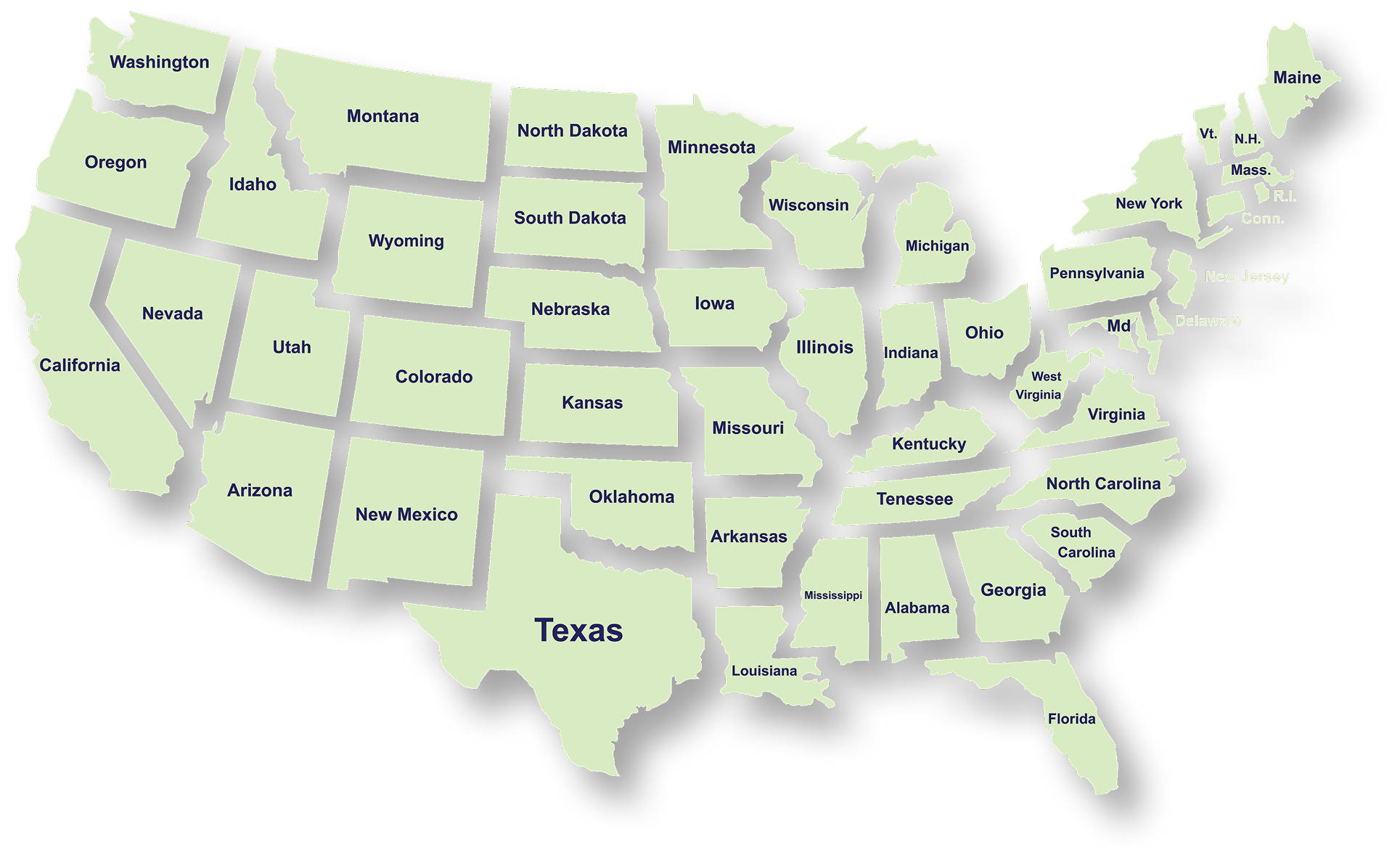
Serving Businesses & Individuals Across USA

We handle accounting, tax filing, and planning with defined timelines and accurate reporting for businesses and individuals across all states.

Frequently Asked Questions

What services does NR CPAs & Business Advisors provide?
What is tax planning and why is it important for businesses?
How can a Virtual CFO help my business?
When should a business consider IRS tax resolution services?
What financial statements does a business typically need?
How can startup advisory services help new businesses?
What is strategic business planning?
What is a Virtual Family Office and who can benefit from it?