Learning Center for Tax and Financial Insights

Stay updated with clear, actionable articles on tax rules, deadlines, deductions, and financial decisions that impact individuals and businesses.

No items found.

The 2022 IRS Interest Rate Hike Will Go Live April 1st

If you are required to pay quarterly estimated income tax, an upcoming change in interest rates being imposed by the IRS may have a direct impact on you. Effective April 1st, 2022, corporations and self-employed filers who submit quarterly estimated taxes will see a hike in the interest rates that the agency charges for both overpayments and underpayments.The new rates will be:4% for underpayments;6% for large corporate underpayments4% for overpayments (3% in the case of a corporation)1.5% for the portion of a corporate overpayment exceeding $10,000

Explore More
No items found.

Toss Your Paystub Every Week? Maybe It’s Time To Take a Closer Look

What you do with your paystub often depends on how you get paid. If you have direct deposit there’s a good chance that you just rip the entire thing up without a glance, confident in the fact that the money is in your bank account and all is good in your world. If you deposit your check, you probably rip off the bottom without a glance and toss it on your way into the bank or at the drive-through window. But the fact that you’ve been paid doesn’t mean that the information on your paystub isn’t important. There are good reasons for taking a closer look at the information that’s provided, and for understanding what it all means.The most important reason to double-check your paystub is to make sure that you’re being paid correctly and that the right amount of money is being withheld on your behalf by your employer. You know better than anybody what your income is supposed to be, and mistakes do happen, but you won’t know if you don’t check. Plenty of people have found out the hard way – at tax time – that their employer hasn’t been withholding the amount that they wanted them to, and they end up with a shortfall that they have to make up. Another good reason for looking at your paystub is to understand exactly where your money is going and what it is funding. We all remember the shock of receiving our first paycheck and finding out that it came to far less than what we thought it would be based on our salary or hourly wages. We were told it was taxes … but do you know what that really means? The information provided below should provide a better understanding of what those deductions from your gross income are, and where they are going.Breakdown of Paystub Information:Unfortunately, there is no one set format for paystubs. In fact, some states don’t even require employers to provide their employees with the specifics of where their money is going each week. For those who do receive paper records of their withholding amounts and more, here’s what you’re likely to find, and what it means.Wages – This is one of the most important pieces of information on your paystub. Whether you are paid a salary or an hourly basis, the wage portion of your paystub will provide you with what the gross amount is that you’re being paid, what portion of those wages are taxable, and what your net income/check amount is. Most stubs will reflect both the wages for the pay period and the year-to-date totals.Taxes – Every citizen is obligated to pay a portion of their income to the federal government, as well as any applicable state and local taxes. This money is used to pay for both services and administrative costs. Deductions will also be taken for the FICA tax that pays into the Social Security Administration and Medicare. Though the taxpayer may not currently be benefiting from these programs, the idea is that everybody will be eventually, and those who are working pay for those who no longer are.Non-Taxed Deductions – Most paystubs will also reflect deductions taken from your pay for items that are not taxable. This may include contributions to a 401(k) retirement account or money that you direct into other pre-tax accounts. Benefits – If you receive benefits such as health insurance, life insurance, sick time, and vacation time, your employer may provide information on your paystub about how much they pay on your behalf, or how much you have elected to pay for options such as a specific level of insurance coverage. Additional Deductions – You may also see deductions taken for other items that you have requested, such as Health Savings Account contributions, parking passes, childcare expenses, and more. All of these line items should be for selections that you have agreed to. If you do not recognize an expense, it’s a good idea to check with your Human Resources department and ask them to identify it.

Explore More
No items found.

April 2022 Individual Due Dates

April 11 - Report Tips to EmployerIf you are an employee who works for tips and received more than $20 in tips during March, you are required to report them to your employer on IRS Form 4070 no later than April 11. Your employer is required to withhold FICA taxes and income tax withholding for these tips from your regular wages. If your regular wages are insufficient to cover the FICA and tax withholding, the employer will report the amount of the uncollected withholding in box 12 of your W-2 for the year. You will be required to pay the uncollected withholding when your return for the year is filed.April 18 - Taxpayers with Foreign Financial InterestsA U.S. citizen or resident, or a person doing business in the United States, who has a financial interest in or signature or other authority over any foreign financial accounts (bank, securities or other types of financial accounts), in a foreign country, is required to file Form FinCEN 114. The form must be filed electronically; paper forms are not allowed. The form must be filed with the Treasury Department (not the IRS) no later than April 18, 2022 for 2021. An extension of time to file of up to 6 months is automatically allowed. This filing requirement applies only if the aggregate value of these financial accounts exceeds $10,000 at any time during 2021. Contact our office for additional information and assistance filing the form. April 18 - Individual Tax Returns Due Although April 15 is on a Friday in 2022, and individual income tax returns would normally be due that day, because the Washington, D.C. Emancipation Day holiday is observed on Friday, April 15, the due date is pushed to Monday, April 18. If you live in Maine or Massachusetts, you may file by April 19 (because April 18 is Patriots’ Day).File a 2021 income tax return (Form 1040 or 1040-SR) and pay any tax due. If you want an automatic six-month extension of time to file the return, please call this office.Caution: The extension gives you until October 17, 2022, to file your 2021 1040 or 1040-SR return without being liable for the late filing penalty. However, it does not avoid the late payment penalty; thus, if you owe money, the late payment penalty can be severe, so you are encouraged to file as soon as possible to minimize that penalty. Also, you will owe interest, figured from the original due date until the tax is paid. If you have a refund, there is no penalty; however, you are giving the government a free loan, since they will only pay interest starting 45 days after the return is filed. Please call this office to discuss your individual situation if you are unable to file by the April 18 due date.April 18 - Estimated Tax Payment Due (Individuals)It’s time to make your first quarter estimated tax installment payment for the 2022 tax year. Our tax system is a “pay-as-you-earn” system. To facilitate that concept, the government has provided several means of assisting taxpayers in meeting the “pay-as-you-earn” requirement. These include:

Explore More
No items found.

April 2022 Business Due Dates

April 18 - Last Day to Establish a Keogh Account for 2021If you are self-employed, April 18, 2022, is the last day to establish a Keogh Retirement Account if you plan to contribute for 2021. However, last day can be extended until October 17, 2022, with a valid six-month extension of time to file your individual 2021 tax return.April 18 - Household Employer Return DueIf you paid cash wages of $2,300 or more in 2021 to a household employee, you must file Schedule H. If you are required to file a federal income tax return (Form 1040 or 1040-SR), file Schedule H with the return and report any household employment taxes. Report any federal unemployment (FUTA) tax on Schedule H if you paid total cash wages of $1,000 or more in any calendar quarter of 2020 or 2021 to household employees. Also, report any income tax that was withheld for your household employees. For more information, please call this office.April 18 - Farmers and FishermenIf you were unable to comply with the March 1, 2022, filing and payment deadline the IRS will wave estimated tax penalties as long as you file and pay your 2021 taxes by April 18, 2022. April 19 if you live in Maine or Massachusetts because April 18 is Patriots’ Day a legal holiday in those states., and deposit what you estimate you owe. Filing this extension protects you from late filing penalties but not late payment penalties, so it is important that you estimate your liability and deposit it using the instructions on Form 7004.

Explore More
No items found.

Getting Started with Reports in QuickBooks Online

You should be running reports in QuickBooks Online on a weekly—if not daily—basis. Here’s what you need to know.You can do a lot of your accounting work in QuickBooks Online by generating reports. You can maintain your customer and vendor profiles. Create and send transactions like invoices and sales receipts, and record payments. Enter and pay bills. Create time records and coordinate projects. Track your mileage and, if you have employees, process payroll.These activities help you document your daily financial workflow. But if you’re not using QuickBooks Online’s reports, you can’t know how individual elements of your business like sales and purchases are doing. And you don’t know how all of those individual pieces fit together to create a comprehensive picture of how your business is performing. QuickBooks Online’s reports are plentiful. They’re customizable. They’re easy to create. And they’re critical to your understanding of your company’s financial state. They answer the small questions, like, How many widgets do I need to order?, and the larger, all-encompassing questions like, Will my business make a profit this year?. Getting the Lay of the LandLet’s look at how reports are organized in QuickBooks Online. Click Reports in the toolbar. You’ll see they are divided into three areas that you can access by clicking the labeled tabs. Standard refers to the comprehensive list of reports that QuickBooks Online offers, displayed in related groups. Custom reports are reports that you’ve customized and saved so you can use the same format later. And Management reports are very flexible, specialized reports that can be used by company owners and managers. A partial view of the list of QuickBooks Online’s Standard reports Standard ReportsThe Standard Reports area is where you’ll do most—if not all—of your reporting work. The list of available reports is divided into 10 categories. You’re most likely to spend most of your time in just a few of them, including:• Favorites. You’ll be able to designate reports that you run often as Favorites and access them here, at the top of the list.• Who owes you. These are your receivables reports. You’ll come here when you need to know, for example, who is behind on making payments to you, how much individual customers owe you, and what billable charges and time haven’t been billed.• Sales and customers. What’s selling and what’s not? What have individual customers been buying? Which customers have accumulated billable time?• What you owe. These are your payables reports. They tell you, for example, which bills you haven’t paid, the total amount of your unpaid bills (grouped by days past due), and your balances with individual vendors.

Explore More
No items found.

Video Tips: Claiming Your Child as a Dependent after a Divorce

When divorced or separated parents have young children it often becomes argumentative as to who claims them. The IRS actually has rules that answer that question. This video will give you a quick explanation of this tax issue. If you need a detailed answer for your specific situation, please give us a call.

Explore More
No results found.
Thank you! Your submission has been received!
Oops! Something went wrong while submitting the form.

Want tax & accounting tips & insights?Sign up for our newsletter.

Thank you! Your submission has been received!
Oops! Something went wrong while submitting the form.

Why Work With Us?

We combine deep tax expertise, financial strategy, and practical business insight to help you manage complexity, stay compliant, and make confident financial decisions.
A dollar sign, representing financial advice or discussion at NR CPAs & Business Advisors.

Experienced CPA and Enrolled Agent Leadership

Guidance led by licensed professionals with deep expertise in tax strategy, compliance, and complex financial matters.
White bar chart with an upward arrow on green circular background representing growth or progress at NR CPAs &. Business Advisors

Support for Growing Businesses and Startups

We understand the financial challenges of growth stage businesses and provide structured guidance to support expansion.
A white hand holding a dollar symbol and ascending bar chart on a green circular background representing financial growth or investment at NR CPAs & Business Advisors..

Strategic Financial Advisory

Our team helps you evaluate financial decisions with greater clarity, supported by practical insights and long term planning.

Fractional CFO Support

Access experienced financial leadership without the commitment and cost of hiring a full time Chief Financial Officer.

Proactive Tax Planning Approach

We focus on identifying tax opportunities throughout the year rather than reacting only during filing season.

Clear and Reliable Financial Reporting

Accurate financial statements and reporting that help you better understand performance and make informed decisions.
White IRS building icon with pillars and a dollar sign above on a green circular background.

Professional IRS Representation

Experienced support in resolving IRS notices, disputes, and compliance matters while protecting your financial interests.

Personalized Client Focus

Every client receives thoughtful attention and tailored financial solutions based on their specific needs and business goals.
Financial matters often involve important decisions. Working with experienced advisors can help you approach them with greater clarity and confidence in your choices.

Need Help With Your Tax or Financial Decisions?

Discuss your situation with our advisors to get clear guidance on tax planning, IRS matters, and the financial decisions ahead.
Business consulting at NR CPAs & Business Advisors.

Request Your Consultation

Fill out the form to discuss your tax concerns, financial questions, or advisory needs with our team. We will review your details and respond shortly.

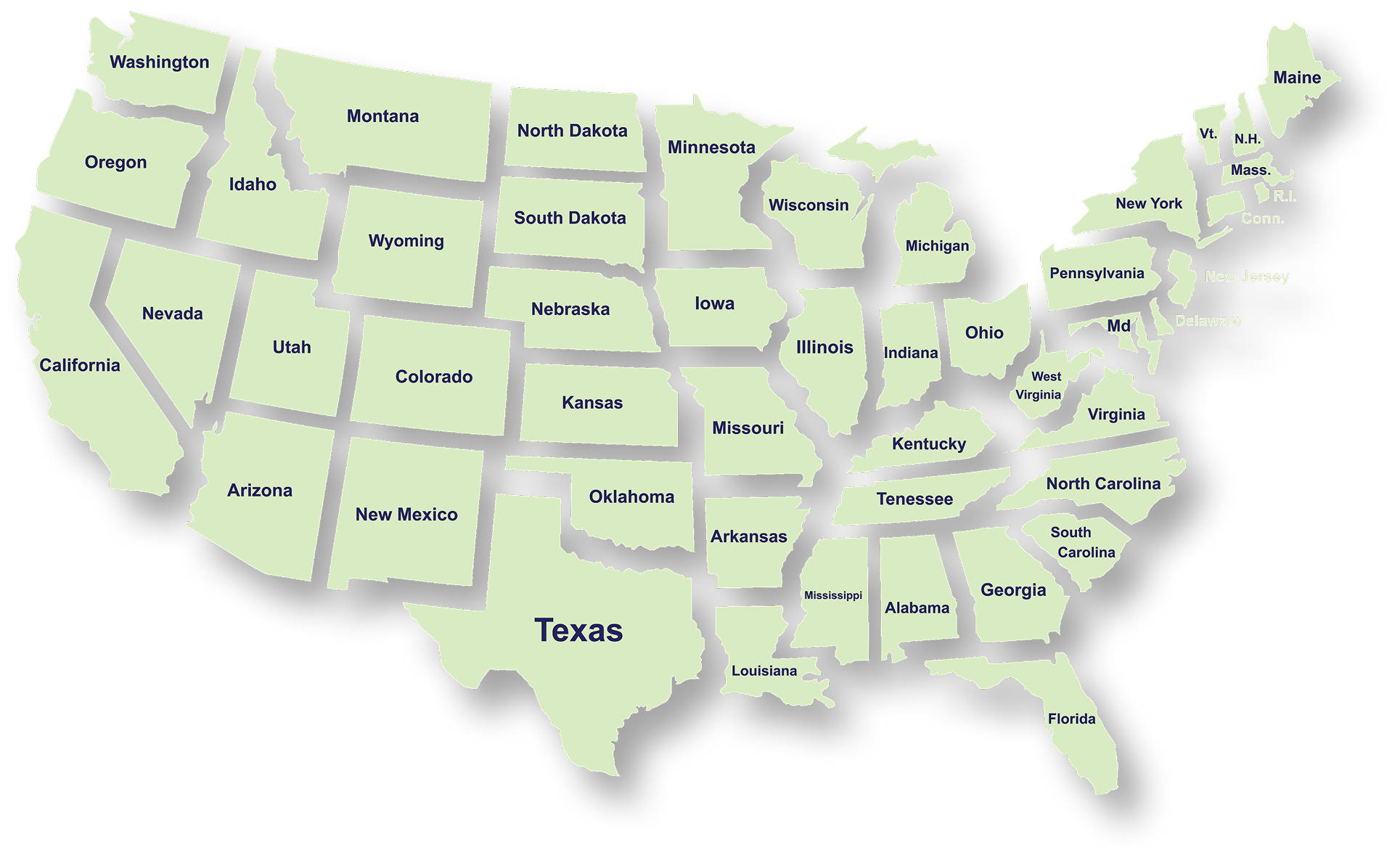
Serving Businesses & Individuals Across USA

We handle accounting, tax filing, and planning with defined timelines and accurate reporting for businesses and individuals across all states.

Frequently Asked Questions

What services does NR CPAs & Business Advisors provide?
What is tax planning and why is it important for businesses?
How can a Virtual CFO help my business?
When should a business consider IRS tax resolution services?
What financial statements does a business typically need?
How can startup advisory services help new businesses?
What is strategic business planning?
What is a Virtual Family Office and who can benefit from it?