Learning Center for Tax and Financial Insights

Stay updated with clear, actionable articles on tax rules, deadlines, deductions, and financial decisions that impact individuals and businesses.

No items found.

Businesses Have 60 Days to Notify the IRS of Changes in Contact Information and Responsible Party

Article Highlights Employer Identification Numbers (EINs) Contact Information Update Responsibilities ID Theft and Fraud Issues Responsible Party Filing Tips Updating Individual Contact Information The Internal Revenue Service (IRS) is reminding entities with Employer Identification Numbers (EINs) of their responsibility to update that information whenever the contact information or responsible party changes. IRS regulations require EIN holders to update responsible party information within 60 days of any change. Notifying the IRS of those changes is easily accomplished by filing Form 8822-B, Change of Address or Responsible Party – Business. Calling it a key security issue, the IRS is urging those entities with EINs to update their applications if there has been a change in the responsible party or contact information. It is critical that the IRS has accurate information in cases of identity theft or other fraud issues related to EINs or business accounts. According to the IRS, the data around the "responsible parties" for business-type entities is often outdated or incorrect, meaning that the IRS does not have accurate records of who to contact for identity theft issues. This results in a time-consuming process to identify the point of contact so the IRS can inquire about a suspicious tax filing. It is estimated that there are approximately 100,000 EIN holders where it appears the responsible party information is outdated. The IRS is planning a mail campaign to these EIN holders in August. Responsible Party - Generally, a responsible party is the individual (that is, a natural person) who ultimately owns or controls the entity or who exercises ultimate effective control over the entity. The person identified as the responsible party should have a level of control over, or entitlement to, the funds or assets in the entity that, as a practical matter, enables the person, directly or indirectly, to control, manage, or direct the entity and the disposition of its funds and assets. Tax-exempt organizations - the responsible party is generally the same as the “principal officer” as defined in Form 990 instructions. Trusts - the responsible party is a grantor, owner, or trustor. Decedent estates - the responsible party is the executor, administrator, personal representative, or other fiduciary. For publicly traded entities and government entities see the instructions with form SS-4 - Application for Employer Identification Number (EIN).

Explore More
No items found.

Don't Have a Retirement Plan? Maybe a SEP Is the Answer.

Article Highlights: What Is a SEP? Contribution Limits Employee Coverage Requirements How to Establish a SEP SEP Distributions Like many small business owners, you probably find yourself very busy in the wake of the COVID slowdown and are getting back up to speed. But don’t forget about your future. There are a number of retirement plans available, including Keogh plans and 401(k)s. However, a simplified employee pension plan (SEP) may be your best option. The reason a SEP is “simplified” is that its retirement contributions are deposited into a traditional IRA account under the control of the SEP participant, thus eliminating most of the employer’s administrative duties. That is why these plans are sometimes referred to as SEP-IRAs. SEPs function much like Keogh retirement plans, and they allow tax-deductible contributions for both employees and self-employed individuals. For an employee, the maximum contribution for 2021 is the lesser of 25% of that employee’s compensation or $58,000. These contributions are excluded from the employees’ wages and are not subject to withholding for income tax or FICA. A self-employed person can contribute 25% of his or her compensation after deducting the employer’s contribution, which boils down to the smaller of 20% of the business’ net profit or $58,000. Each year, the employer can specify a compensation amount between zero and 25% (not exceeding the maximums for the year). SEPs are a great option for startups and other small businesses that have unpredictable income and that may be leery of the long-term contribution matches required with other types of retirement plans. SEPs are also a great option for self-employed individuals with no employees, as the contributions are based upon net profits, allowing the business owner to select the maximum percentage while knowing that the required contribution will be small in low-income years.

Explore More
No items found.

How to Use QuickBooks' New Customer Groups

QuickBooks has a new set of tools that can help you deal with what is probably one of your most pressing problems: getting customers to pay. Here’s how to use this new feature. Creating Your Groups QuickBooks has added an entry in the Customers menu to take you to these new tools. Go to Customers | Payment Reminders | Manage Customer Groups. In the window that opens, click Create Customer Group. QuickBooks then walks you through a three-step wizard. First, you enter a Name for your group in the first field of the Group details window. We’ll call ours “California High Balance.” If you’d like you can add a Description. Click Next. In the Select fields window, you’ll set the filters for the group. If you’d rather open your complete list of customers and choose the ones you want manually, you can skip this step. For our example, we’ll define a group by choosing: One or more Fields. We want to narrow the group down to California customers. Click the down arrow in the Field box and select State. An Operator. Here, you’d select Equals. A Value. QuickBooks will display a list of states. Click the box in front of CA. If you’d like to include more states, you can do so. When you’re done, click Add. You’ll see your Selected fields in the box below. You can set the parameters for your group by selecting multiple fields, operators, and values. We want to narrow the list down to customers in California who have open balances of more than $500. So you’d select Open Balance for the Field, Greater Than for the Operator, and 500 for the Value. Then click Add again to move your filter into the Selected fields box. You can keep adding filters to narrow down your list even more if you’d like. When you’re done, click Next. The View/select customers window opens displaying the results of your search in a table whose columns include Name, Overdue balance, and Avg days to pay. There’s a checkmark in the box in front of Automatically add new or remove existing customers based on fields and values selected in this group. If you leave the box checked, QuickBooks will move customers into the group as their open balances top $500 and out when they catch up on their payments. Uncheck the box, and you’ll have to add and remove customers manually, which would take vigilance and a lot of extra work. If you’re satisfied with the list, click Finish, then OK. The Manage groups window now contains an entry for your new group. Entries here are earmarked with icons indicating whether they are manually or automatically updated. You can also click links in the

Explore More
No items found.

Should You Opt Out of the Advance Child Tax Credit?

Article Highlights: Advance Child Tax Credit Payments Began July 15 Should You Take Advance Payments or Wait for the Credit on Your 2021 tax return? How to Opt Out Basis for the 2021 Child Tax Credit Credit Phase Out Low Income Safe Harbor Repayments 2021 Credit Amounts Determining the Advance Payment Credit for High Income Taxpayers If you have children under the age of 18, by now you likely have gotten your first advance child tax credit payment, either by check or by direct deposit. Be aware, this is money you would have gotten credit for on your 2021 tax return when you file it next year anyway. You are just receiving it in advance, meaning you may not get as much as expected when you file your tax return. The Government is touting the advance child tax credit as a major step toward reducing child poverty and sustaining families during the pandemic. However, paying it in advance and in small monthly amounts may spell trouble for those who traditionally rely on large tax refunds to fund their IRAs, property taxes, vacation, etc., since their 2021 refunds may not be what they’d planned on. Others, who deliberately cut back on tax withholding during the year and use the tax credit to make up for the under-withholding when they file their return, may be surprised next spring to find they owe tax and may even have an underpayment penalty. The list goes on of taxpayers for whom the advance credit payments aren’t going to be very helpful. Small monthly payments can easily be used up on frivolous items and result in unpleasant surprises at tax time. The American Rescue Plan Act of 2021 authorized the advance payments for one year only (2021), and the monthly payments are being made automatically to all qualifying individuals unless they go to the IRS website and opt-out. The Biden Administration estimates that 39 million families are qualified for the advance payment and about 2.6% had opted out of the first payment (July 15, 2021). The payments are estimated based on a taxpayer’s family makeup (children and filing status) and taxpayer income, since the credit phases out for higher income taxpayers. The IRS is basing the advance credits on the income taxpayers reported on their 2020 returns (or 2019 if the 2020 return hasn’t yet been filed). Some taxpayers may be in for an unpleasant surprise when they discover they were not qualified for the advance payments they received either because the number of their qualified children changed, or the children’s ages disqualify them for the credit. On top of that, many may not have been working in 2019 or 2020 and the income the advance credit was based on was lower than their actual 2021 income, which may be above the 2021 credit phaseout threshold, thereby reducing or eliminating the credit. The credit is reduced by $50 for each $1,000 (or fraction thereof) by which the taxpayer’s modified adjusted gross income exceeds the thresholds illustrated below. $75,000 for single filers and married persons filing separate returns. $112,500 for heads of household. $150,000 for married couples filing a joint return and qualifying widows and widowers. A taxpayer whose advance credit payments exceed what their actual credit turns out to be will need to repay the excess with their 2021 tax return. But, there is a safe harbor repayment for lower-income taxpayers where the excess advance repayment is eliminated or reduced. Thus, families with a 2021 MAGI (modified adjusted gross income) below the applicable income threshold (see table below) will not have to repay any advance credit even if they receive too much. Those with a MAGI above the “complete phase-in” amount will have to repay the entire amount of any overpaid advance credit when they file their 2021 tax return. Those whose AGI is between the threshold and the complete phase-in amount will have to repay a proportional amount of the overpayment.

Explore More
No items found.

4 of the Most Common IRS Tax Problems

For years, politicians have been talking about simplifying the process of filing federal taxes, but despite the promises, the process continues to be complicated and stressful. But as bad as preparing taxes can be, it pales in comparison to the sinking sensation of receiving an IRS notification telling you that you’ve done something wrong. The IRS reviews each tax return for accuracy and to ensure that taxpayers have paid the amount that they owe, and when they find something wrong, they immediately send a letter alerting the taxpayer of the problem. Though there are several issues that can arise, the four situations listed below are common reasons for the IRS to contact — and demand action — from you. Failure to file a return at all Every American is supposed to send in a tax return, whether you owe the government money or whether the government owes you. Failure to file can lead to you not getting the refund money you’re owed – you only have three years to get your paperwork in to get money back, and if you’ve shortchanged the government then your failure to file can lead to fines adding an additional 25% of what you owe, charged over five months. Failure to pay taxes If you receive a form CP14 from the IRS it means that you have shortchanged the government on your taxes and you owe them the difference. If you both fell short on your payment and didn’t file a return, you’re likely to have to pay penalties and interest too. If your debt is substantial the agency will allow you to negotiate a Partial Payment Installment Agreement (PPIA) to break your payments into monthly installments. Notification of tax levy Failure to pay taxes can lead to a seizure of your property known as a tax levy. The IRS does not descend upon your property unannounced: They will notify you using either the LT11, the CP504, the CP90, or the CP91 form. Notification of tax lien The IRS also can use a tax lien to collect unpaid tax debts. If you receive a Letter 3172, it means that the government is asserting its rights to your property or assets. This letter also gets sent to your creditors, as a tax lien allows the government to get in line for your assets ahead of all others.

Explore More
No items found.

Getting Married and Related Tax Issues

Article Highlights: SSA Name Change IRS Address Change Postal Service Address Change Tax Withholding Tax Filing Status Marrying A Non-resident Alien Joint and Several Liability Beware of Tax Scams Most weddings planned for 2020 were delayed because of COVID, causing a big upswing in the number of weddings in 2021. Although tax issues are the furthest thing from their minds during this big life-changing event, newlyweds should know how tying the knot can affect their tax situation. There are actions they need to take to avoid problems and unfortunate tax surprises. If you are newly married, here’s a checklist of “to do’s” to help you: SSA Name Change - When a name changes through marriage, it is important to report that change to the Social Security Administration (SSA). The name on a person’s tax return must match what is on file at the SSA. If it doesn’t, it could delay any tax refund. To update information, you should file Form SS-5, Application for a Social Security Card. The instructions for completing and filing the form are included with the form. You’ll also need to tell your employer of your name change so that your name and Social Security number on the W-2 form your employer issues will match the SSA’s records. This is important so that your earnings during the year and the payroll taxes you’ve had withheld are properly credited to your SSA account. IRS Address Change - If marriage means a change of address, the IRS and U.S. Postal Service need to know. It is very important that the IRS have your correct address in case you are sent a notice about an already filed tax return. Responding to an IRS notice is essential to avoid compounding the problem that created the IRS inquiry in the first place. You don’t want to miss making a timely response because you didn’t notify them of an address change. An address change cannot be an excuse for any consequences of not responding. To change your address with the IRS file Form 8822, Change of Address. Instructions on how and where to file are included with the form. If your state also has an income tax, check the website of the state’s tax department for a change of address form. Because the IRS is so backed up due to COVID, it might even be appropriate to pay the post office a little extra for their proof of mailing service just in case you should need it. Postal Service Address Change – It will take time for IRS to make the address change after the Form 8822 is filed, so make sure the U.S. Postal Service (USPS) is notified to forward mail to your new address by going online at USPS.com or go to their local post office. Also, notify your employer(s), financial firms, retirement payers, etc., of your new address. Tax Withholding – After getting married, couples should consider changing their withholding. Newly married couples must give their employers a new Form W-4, Employee’s Withholding Allowance within 10 days. If you and your spouses both work, you may move into a higher tax bracket or be affected by the additional Medicare tax. You can use the Tax Withholding Estimator to help complete a new Form W-4. Additional information related to completing W-4s and estimated tax payments are available in IRS Publication 505, Tax Withholding and Estimated Tax. Tax Filing Status - Married people can choose to file their federal income taxes jointly (on one tax form) or separately (each filing their own tax form) each year. While married filing jointly is generally the most beneficial way, it’s best to figure the tax both ways to find out which is better. Remember, if a couple is married as of December 31, the law says they’re married for the whole year for tax purposes. If your new spouse is a non-resident alien, the law requires you to file a married separate return unless you and your alien spouse both elect to file a joint U.S. return reporting world-wide income. This decision can have a profound impact on your tax liability, and you should discuss the ramifications with this office before deciding. Some of the more relevant negative issues related to filing separately are outlined in the following chart:

Explore More
No results found.
Thank you! Your submission has been received!
Oops! Something went wrong while submitting the form.

Want tax & accounting tips & insights?Sign up for our newsletter.

Thank you! Your submission has been received!
Oops! Something went wrong while submitting the form.

Why Work With Us?

We combine deep tax expertise, financial strategy, and practical business insight to help you manage complexity, stay compliant, and make confident financial decisions.
A dollar sign, representing financial advice or discussion at NR CPAs & Business Advisors.

Experienced CPA and Enrolled Agent Leadership

Guidance led by licensed professionals with deep expertise in tax strategy, compliance, and complex financial matters.
White bar chart with an upward arrow on green circular background representing growth or progress at NR CPAs &. Business Advisors

Support for Growing Businesses and Startups

We understand the financial challenges of growth stage businesses and provide structured guidance to support expansion.
A white hand holding a dollar symbol and ascending bar chart on a green circular background representing financial growth or investment at NR CPAs & Business Advisors..

Strategic Financial Advisory

Our team helps you evaluate financial decisions with greater clarity, supported by practical insights and long term planning.

Fractional CFO Support

Access experienced financial leadership without the commitment and cost of hiring a full time Chief Financial Officer.

Proactive Tax Planning Approach

We focus on identifying tax opportunities throughout the year rather than reacting only during filing season.

Clear and Reliable Financial Reporting

Accurate financial statements and reporting that help you better understand performance and make informed decisions.
White IRS building icon with pillars and a dollar sign above on a green circular background.

Professional IRS Representation

Experienced support in resolving IRS notices, disputes, and compliance matters while protecting your financial interests.

Personalized Client Focus

Every client receives thoughtful attention and tailored financial solutions based on their specific needs and business goals.
Financial matters often involve important decisions. Working with experienced advisors can help you approach them with greater clarity and confidence in your choices.

Need Help With Your Tax or Financial Decisions?

Discuss your situation with our advisors to get clear guidance on tax planning, IRS matters, and the financial decisions ahead.
Business consulting at NR CPAs & Business Advisors.

Request Your Consultation

Fill out the form to discuss your tax concerns, financial questions, or advisory needs with our team. We will review your details and respond shortly.

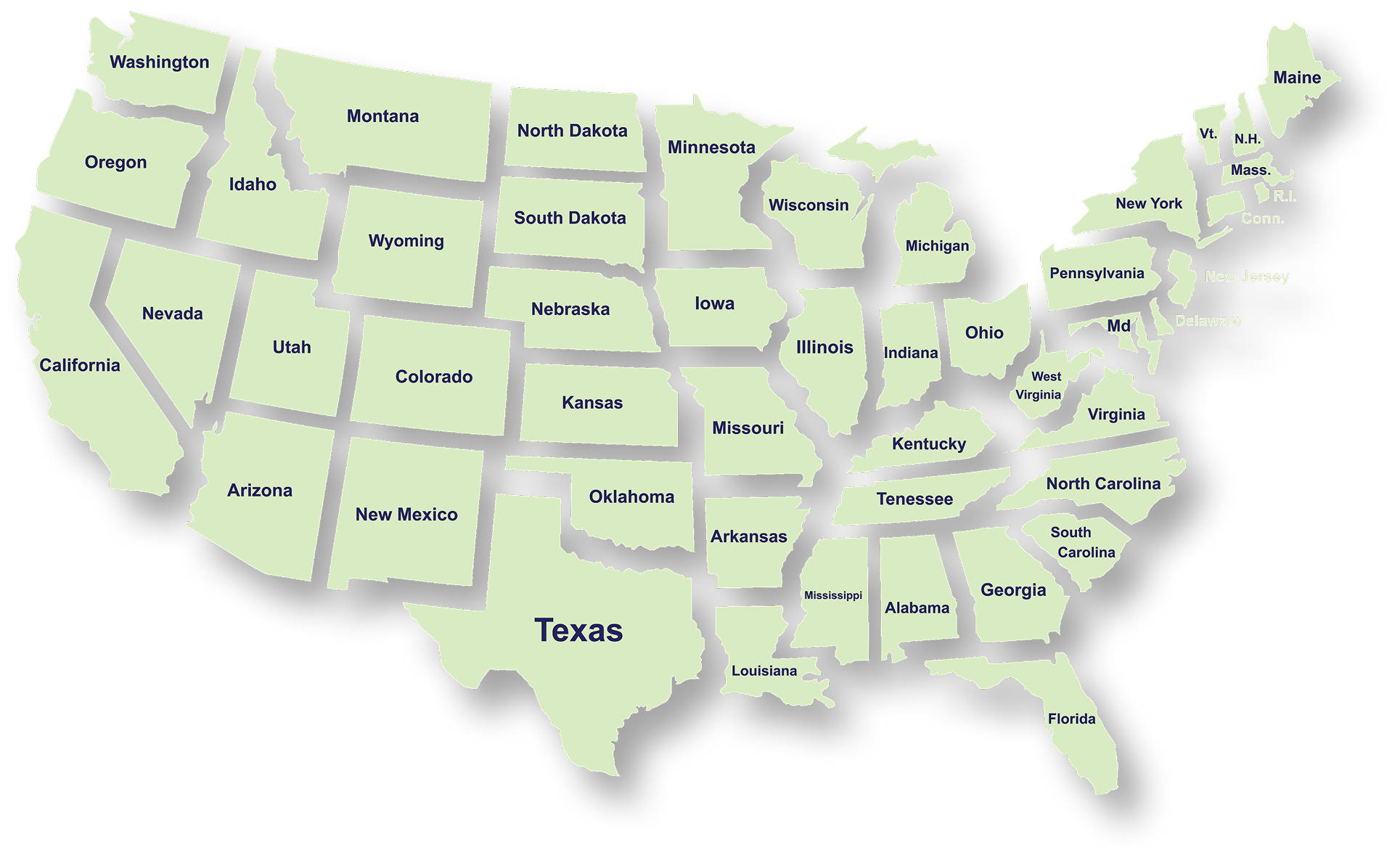
Serving Businesses & Individuals Across USA

We handle accounting, tax filing, and planning with defined timelines and accurate reporting for businesses and individuals across all states.

Frequently Asked Questions

What services does NR CPAs & Business Advisors provide?
What is tax planning and why is it important for businesses?
How can a Virtual CFO help my business?
When should a business consider IRS tax resolution services?
What financial statements does a business typically need?
How can startup advisory services help new businesses?
What is strategic business planning?
What is a Virtual Family Office and who can benefit from it?