Learning Center for Tax and Financial Insights

Stay updated with clear, actionable articles on tax rules, deadlines, deductions, and financial decisions that impact individuals and businesses.

Videos & Info Graphics

Video tip: You May Qualify for Free COBRA Health Insurance

The recently passed American Rescue Plan provides a 100% subsidy for COBRA premiums of eligible individuals who receive involuntary termination or reduction of hours and are not eligible for other group coverage or Medicare. Watch this video for more details. .embed-container { position: relative; padding-bottom: 56.25%; height: 0; overflow: hidden; max-width: 100%; } .embed-container iframe, .embed-container object, .embed-container embed { position: absolute; top: 0; left: 0; width: 100%; height: 100%; }

Explore More
Hr & People Management

Paid Sick Leave vs. Vacation vs. PTO: What You Need to Know

More and more jurisdictions are passing laws requiring employers to provide paid leave to employees, and the COVID-19 pandemic has only accelerated this trend. When new laws are enacted, employers often have questions about the impact on their existing policies. Here are answers to some frequently asked questions on paid sick leave, vacation, and paid time off. Q: Where is paid vacation required? A: No federal, state, or local law requires employers to provide paid vacation. However, some jurisdictions have enacted laws requiring employers to provide paid leave that employees can use for any purpose, including vacation. For example, Maine requires employers with more than 10 employees to provide paid time off that can be used for any reason. Nevada has a similar law that applies to employers with 50 or more employees. Despite the absence in laws requiring paid vacation, it remains one of the most common employee benefits. More than 90 percent of full-time employees receive paid vacation time, according to the Bureau of Labor Statistics (BLS). Providing paid vacation, and developing a culture that encourages employees to use their time, can help attract and retain employees and bolster productivity, particularly in these unprecedented times. Q: Where is paid sick leave required? A: Currently, the following jurisdictions require employers to provide paid sick leave to employees: States:Other Jurisdictions: Chicago Cook County, Illinois District of Columbia Cities in California: Berkeley, Emeryville, Oakland, San Francisco, Santa Monica, San Diego, Long Beach (hotels with 100 or more rooms), and Los Angeles Cities in Minnesota: Duluth, Minneapolis, and St. Paul Montgomery County, Maryland New York City Cities in Pennsylvania: Philadelphia and Pittsburgh Cities in Washington: Seattle, Tacoma, and SeaTac (hospitality and transportation industries) Q: Do we have to provide paid leave to employees if they miss work due to COVID-19? A: Effective April 1, 2020, the Families First Coronavirus Response Act (FFCRA) required employers with fewer than 500 employees to provide emergency paid sick leave (up to 80 hours) and public health emergency leave (up to 12 weeks) to employees and established tax credits for employers that do so. The FFCRA's leave requirements expired on December 31, 2020. However, the tax credit portion of the law was extended through September 30, 2021 for employers that voluntarily offer either type of leave. While the FFCRA's leave requirements ended, some states and local jurisdictions have stepped in with their own leave requirements. For instance, as of January 1, 2021, all Colorado employers must provide up to 80 hours of public health emergency leave to employees. On March 19, 2021, California enacted a law requiring employers with more than 25 employees to provide COVID-19 supplemental paid sick leave. The law applies retroactively to January 1, 2021 and will remain in effect through September 30, 2021. This leave is in addition to any paid sick leave to which the employee is entitled under state law. Employers have until today (March 29, 2021) to start providing the leave. However, since the law applies retroactively to January 1, 2021, if an employee took qualifying leave from January 1, 2021 through March 28, 2021 and makes a request for retroactive payment on or after March 29, 2021, the employer must provide it. A number of cities in California and Pennsylvania have also extended their COVID-19 related leave laws beyond December 31, 2020 or enacted new requirements for 2021. Also, New York recently enacted a law requiring employers to provide paid leave for employees to receive a COVID-19 vaccination. Keep in mind that states and local jurisdictions may have paid sick leave laws that were enacted prior to the pandemic (see the answer above) that may cover situations related to COVID-19. Additionally, if you require the COVID-19 vaccine, you would generally be required to pay employees for the time spent meeting the requirement. Check your state and local laws to ensure compliance with all applicable laws. Even in the absence of a requirement to provide paid leave to employees for reasons related to COVID-19, many employers do so to encourage sick workers to stay home and prevent the spread of the illness. Q: What is the difference between a paid vacation policy, paid sick leave policy, and a paid time off (PTO) policy? A: Instead of having separate policies for vacation, sick, and other types of leave, many employers offer a single PTO policy under which employees can use accrued time off for any purpose. For example, you may offer 14 days of PTO per year that employees can use for any reason. Under this policy, one employee could use 10 days for a vacation, another three days when they get sick later in the year, and the remaining time off to care for their child, whose school was closed due to a snowstorm. Other employees may use the time differently to meet their specific needs and circumstances.

Explore More
No items found.

Video tip: 100% Business Meal Deductions

To support the restaurant industry who was hit hard during the pandemic, Congress is giving businesses a tax break as a way to increase revenue to restaurants. Watch the video to see how this can apply to your business. .embed-container { position: relative; padding-bottom: 56.25%; height: 0; overflow: hidden; max-width: 100%; } .embed-container iframe, .embed-container object, .embed-container embed { position: absolute; top: 0; left: 0; width: 100%; height: 100%; }

Explore More
Personal Finance

4 Ways to Stop Your Overspending

If opening your credit card bills, your checkbook or your wallet are traumatic events, you may have a problem with overspending. It’s nothing to be ashamed of, and you’re certainly not alone, but there’s a good chance that it is keeping you from achieving some of your goals. If you have a dream of buying a car or a house, paying off debts, or any similar financial goal, then putting an end to overspending will help you get where you want to go — and it’s not as hard as you think it is. Financial experts have come up with plenty of strategies to help you break your overspending habit and divert your money into where it serves you better. Some are better and easier than others, but the four that follow are among our favorites: Always start with a budgetBudgeting sounds boring and hard, but it’s really just a matter of doing a little simple research, a bit of math, and then exerting some control. You start by making a list of everything you spend in the next month or so. Don’t try to use last month’s spending because there are bound to be expenses that you won’t remember. When you start writing down every expense you will be amazed at how often you reach into your pocket without thinking about it and how much those incidental purchases can add up. Once you know what you’ve spent, divide it into categories. That will help you see what can be eliminated and where you actually have to spend money. You also need to record how much cash you have on hand, then assign your available money to where it should be spent and where you can save. Once you have these areas identified you can take advantage of one of the convenient budgeting apps available for download to help you stick to a plan. You will be amazed at how much money you can save once you have actual numbers in mind. You’ll feel a much greater sense of understanding and control. Buddy up on sticking to your budget Like we said before, you’re far from alone in terms of overspending. There’s a good chance that if you ask a friend or family member whether they’re struggling too, the answer will be an emphatic affirmative. Agree to be accountable to each other when it comes to unplanned expenses. You can even make it a contest to see who is better at sticking to their budget each week. Just make sure that the loser isn’t forced to spend money on the winner, as that would defeat the whole purpose! Exercise 24 hours’ worth of restraint We’ve all been there. We’re at the store and see a cool new item, or the social media algorithm puts an advertisement up that’s hard to resist. If you impose a rule that forces you to wait 24 hours before making an unplanned purchase, there’s a good chance you’ll end up able to resist the impulse buy and stick to your savings and budgeting goal. To make the rule even more effective, expand the rule by adding a day of waiting for each $100 the item would cost. It’s a great way of cooling down the urge and waiting to see just how badly you really want the item. Be forgiving of yourself We all know that being too strict invites overindulgence. The kid who isn’t allowed to eat sweets at home dives into the candy jar at their friend’s house. The college freshman with the strict curfew at home stays out all night their first weekend on campus, and the dieter who tries to restrict their calories to barely enough to sustain them eats whatever they can get their hands on by the third day of their diet.

Explore More
No items found.

Are You at Risk for A Trust Fund Penalty?

Article Highlights: Withholding Trust Funds Trust Fund Penalty Responsible Persons Misapplication of Trust Funds When an employer withholds Social Security and income taxes from an employee, those funds are the property of the government, and the employer must hold those funds in “trust” until the funds are turned over to the government. Failure to do so could lead to the so-called trust fund penalty, which is equal to 100% of the withholding from the employees’ wages. The penalty applies to any willful failure to collect, account for and pay over Social Security and income taxes required to be withheld from employee wages. The Treasury Inspector General for Tax Administration has made recommendations to the IRS for timely assessing and collecting the responsible person penalty, and the IRS is adopting the recommendations. The government has always been very aggressive about collecting trust fund penalties and will pursue collecting the penalty from the “responsible person.” This is where you may be at risk. The IRS broadly defines a “responsible person” to include corporate officers, directors, and shareholders under a duty to collect and pay the tax as well as a partnership's partners, or any employee of the business under such a duty. So, if you are a person with the power to see that the taxes are paid, you may be responsible. Frequently more than one person is a responsible person, and each one is at risk for the entire penalty. Even though you may not be directly involved with the withholding process, if you discover that trust funds that are due to the government are instead being used to pay a business creditor, you become a “responsible person.” You always have to keep in mind that the trust fund money belongs to the government and bowing to business pressures to pay bills or obtain supplies instead of transmitting the withheld taxes to the government will be viewed as willful (bad) behavior for purposes of the penalty.

Explore More
No items found.

Video tip: New Benefits for American Education in Biden's Proposed Plan

In his newly proposed American Families Plan, President Biden is adding a number of education benefits that, if become laws, will bring great helps to low-income families and DREAMers as well as expanding opportunities for future teachers. Watch this video for details. .embed-container { position: relative; padding-bottom: 56.25%; height: 0; overflow: hidden; max-width: 100%; } .embed-container iframe, .embed-container object, .embed-container embed { position: absolute; top: 0; left: 0; width: 100%; height: 100%; }

Explore More
No results found.
Thank you! Your submission has been received!
Oops! Something went wrong while submitting the form.

Want tax & accounting tips & insights?Sign up for our newsletter.

Thank you! Your submission has been received!
Oops! Something went wrong while submitting the form.

Why Work With Us?

We combine deep tax expertise, financial strategy, and practical business insight to help you manage complexity, stay compliant, and make confident financial decisions.
A dollar sign, representing financial advice or discussion at NR CPAs & Business Advisors.

Experienced CPA and Enrolled Agent Leadership

Guidance led by licensed professionals with deep expertise in tax strategy, compliance, and complex financial matters.
White bar chart with an upward arrow on green circular background representing growth or progress at NR CPAs &. Business Advisors

Support for Growing Businesses and Startups

We understand the financial challenges of growth stage businesses and provide structured guidance to support expansion.
A white hand holding a dollar symbol and ascending bar chart on a green circular background representing financial growth or investment at NR CPAs & Business Advisors..

Strategic Financial Advisory

Our team helps you evaluate financial decisions with greater clarity, supported by practical insights and long term planning.

Fractional CFO Support

Access experienced financial leadership without the commitment and cost of hiring a full time Chief Financial Officer.

Proactive Tax Planning Approach

We focus on identifying tax opportunities throughout the year rather than reacting only during filing season.

Clear and Reliable Financial Reporting

Accurate financial statements and reporting that help you better understand performance and make informed decisions.
White IRS building icon with pillars and a dollar sign above on a green circular background.

Professional IRS Representation

Experienced support in resolving IRS notices, disputes, and compliance matters while protecting your financial interests.

Personalized Client Focus

Every client receives thoughtful attention and tailored financial solutions based on their specific needs and business goals.
Financial matters often involve important decisions. Working with experienced advisors can help you approach them with greater clarity and confidence in your choices.

Need Help With Your Tax or Financial Decisions?

Discuss your situation with our advisors to get clear guidance on tax planning, IRS matters, and the financial decisions ahead.
Business consulting at NR CPAs & Business Advisors.

Request Your Consultation

Fill out the form to discuss your tax concerns, financial questions, or advisory needs with our team. We will review your details and respond shortly.

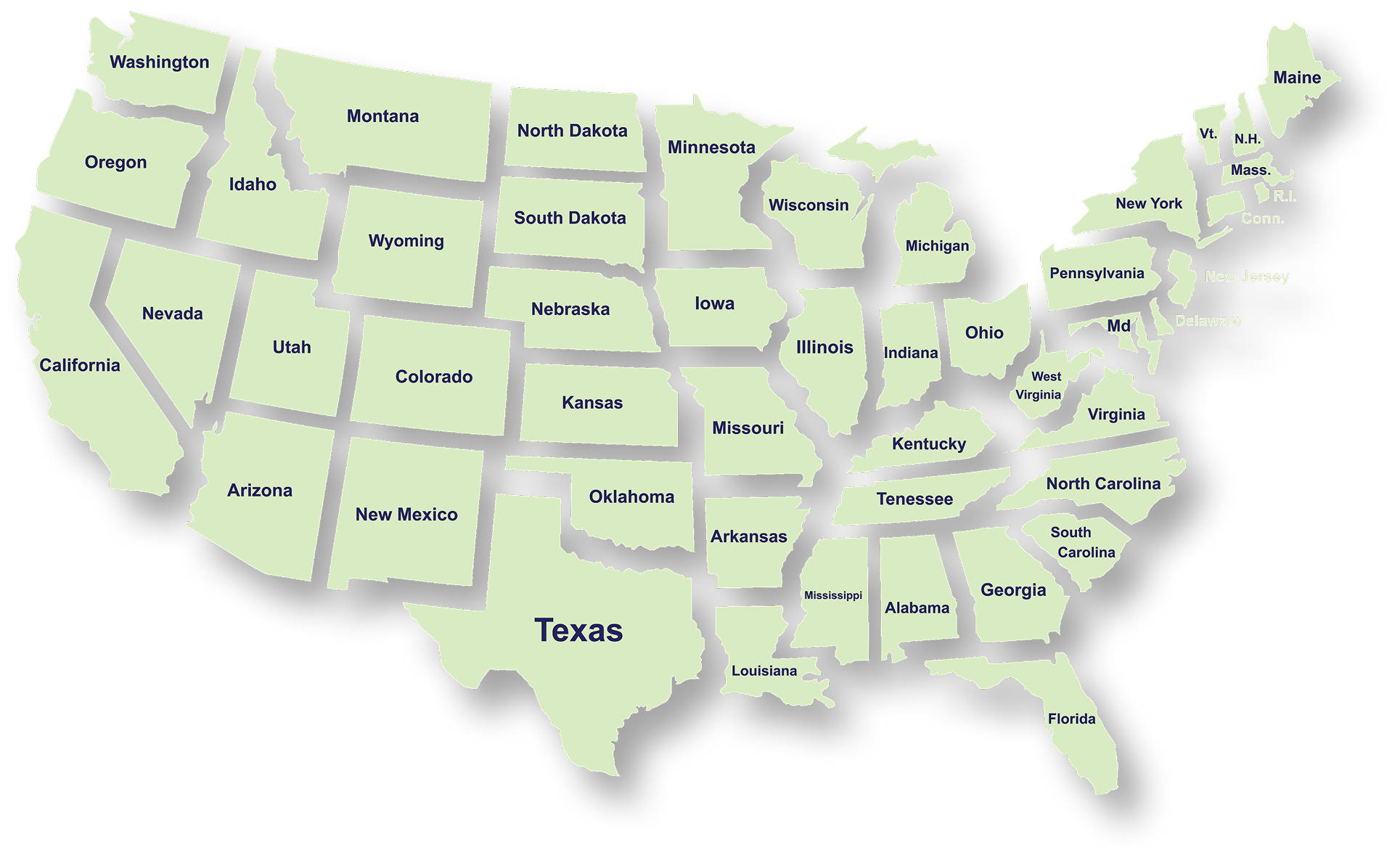
Serving Businesses & Individuals Across USA

We handle accounting, tax filing, and planning with defined timelines and accurate reporting for businesses and individuals across all states.

Frequently Asked Questions

What services does NR CPAs & Business Advisors provide?
What is tax planning and why is it important for businesses?
How can a Virtual CFO help my business?
When should a business consider IRS tax resolution services?
What financial statements does a business typically need?
How can startup advisory services help new businesses?
What is strategic business planning?
What is a Virtual Family Office and who can benefit from it?