Learning Center for Tax and Financial Insights

Stay updated with clear, actionable articles on tax rules, deadlines, deductions, and financial decisions that impact individuals and businesses.

No items found.

Didn't Get Your Economic Impact Payment? You Can Claim It on Your 2020 Return.

Article Highlights: Economic Impact Payments High-Income Taxpayer Phaseout Using the 2018 and 2019 Returns Who Qualified for a Rebate? Deceased Individuals Tax Return Non-filers Reconciliation on the 2020 Return One of the more tax-troubling issues this year has been the distribution of what Congress referred to as the recovery rebates. You may know these payments as the Economic Impact Payments (EIPs) or stimulus payments, names that the IRS took the liberty of creating. These payments were meant to provide financial assistance to individuals and families struggling during the initial outbreak of the COVID-19 pandemic. Congress authorized the payment amounts in late March 2020, in the CARES Act, to be $1,200 for each filer ($2,400 if married and filing a joint return) and $500 per dependent child under age 17. Congress mandated that the IRS get these payments out as quickly as possible. However, the payments were phased out for higher-income taxpayers at a rate of 5% of the taxpayer’s adjusted gross income (AGI) in excess of a threshold, also based upon the taxpayer’s AGI. Filing Status AGI Unmarried Taxpayers (and Married Filing Separately) $75,000 Head of Household $112,500 Married Taxpayers Filing Joint $150,000 In addition, the recovery rebates are actually a refundable tax credit on the 2020 tax returns, so to meet the Congressional mandate, the IRS issued the rebates in advance based upon each family’s makeup and income on their 2019 tax return. However, because a significant portion of the population had yet to file their 2019 return, especially because the April 15 due date for the 2019 return had been extended to July 15, 2020, the IRS then turned to the information on the 2018 returns on which to base the rebates. Example: Phil and Karla are married with one dependent. They are always slow in getting their returns filed, so the IRS based their rebate on their 2018 tax return. The AGI was $162,000, making them subject to the rebate phaseout. From the table above, their phaseout threshold is $150,000. Their phaseout is $600 (($162,000 − $150,000) x 5%). Without the phaseout, they would have been entitled to an EIP of $2,900. Because of the phaseout, their payment was $2,300 ($2,900 − $600). Complicating the IRS’s ability to quickly issue the EIPs was the fact that the higher standard deduction included with the 2018 tax reform meant that a significant portion of the population did not even have to file a 2018 (or 2019) tax return. So, the IRS then used data from the Social Security and Veterans Administrations to determine non-filers who were entitled to a payment. Another issue was that, unlike during the 2008 financial crisis, when stimulus payments were allowed to those who had passed away, the IRS took a hard stand with the pandemic EIPs and required that those payments be returned, which complicated issues for surviving spouses when the check was payable jointly. Many individuals were entitled to EIPs who were not receiving Social Security, Railroad Retirement, or Veterans benefits and were not required to file a return. They were required to go to the IRS’s website and register in order to get a payment. The IRS initially did not issue EIPs to inmates (the CARES Act was silent as to whether or not these individuals qualified), but a federal court later overruled the IRS.

Explore More
No items found.

How to Address Rising Tax Problems During COVID-19

COVID-19 has caused the death of over 300,000 people. There have been nearly 19 million reported cases in the United States. COVID-19 has touched nearly every aspect of the lives of every American.It has even affected finances for most Americans as well, creating waves of economic stress. It will have some tax implications that many people have not considered. For some, it can mean simply reporting income or expenses differently. For others, it may mean having to pay additional income taxes that they had not planned. Regardless of the situation, this year might be the year that you need to bring in a tax professional to help address some of the tax challenges that COVID-19 has caused. Examples of Tax Complications Due to COVID-19: Unemployment and Retirement Plan Withdrawals As individuals are losing their jobs or had to decrease work because of COVID-19, they are turning to other sources of income such as unemployment benefits and dipping into their retirement savings plans. For those who are tapping into these funds for the first time, they might have questions about taxation—and they may not realize that they may have to pay taxes on these additional income sources. Are unemployment benefits taxable? Your unemployment benefits will be fully taxable at the federal level. In general, unemployment benefits might be taxed by the state as well, depending on where you live. For example, Alabama and Califiornia do not impose any taxes on unemployment benefits, but the benefits are fully taxable as regular income in Iowa. Some states will only tax part of your benefits. Are retirement benefit withdrawals taxable? If you take out retirement benefits early, there is a 10% penalty imposed on any funds you remove. However, tax changes because of COVID-19 allowed individuals to take out funds from retirement without paying the 10% penalty as long as the withdraw took place during 2020. You must also meet certain requirements that indicate you have a stressful financial situation because of COVID-19. Even if you meet the qualifications, avoiding the 10% penalty is not the only tax that you must pay. Instead, the money you take out is often taxed as income, depending on how your retirement plan was established. Many people may not realize that they will face this additional tax hit after January 1, so they have not been planning for it over the past few months. Dealing with the IRS and Unique Tax Problems After COVID-19 The best way to ensure that you are addressing tax issues appropriately is to get professional tax help. If you will owe taxes from 2020, you might be able to work out a deal with the IRS to decrease your tax obligations, for example. If you get a notice from the IRS about taxes that you owe, you have a few options that you can use to address it.

Explore More
No items found.

Video: Tax Advantages of Home Ownership

Are you planning to buy your first home, upgrade from your existing one, or refinance your mortgage? Let's take a look at some tax advantages and drawbacks of homeownership. .embed-container { position: relative; padding-bottom: 56.25%; height: 0; overflow: hidden; max-width: 100%; } .embed-container iframe, .embed-container object, .embed-container embed { position: absolute; top: 0; left: 0; width: 100%; height: 100%; }

Explore More
No items found.

Video: How to Address Rising Tax Problems During COVID-19

COVID-19 has touched nearly every aspect of the lives of every American, including our financial health. There will be some tax implications that many people have not considered. Watch the following video for some possible tax consequences so you can be prepared when tax time comes. .embed-container { position: relative; padding-bottom: 56.25%; height: 0; overflow: hidden; max-width: 100%; } .embed-container iframe, .embed-container object, .embed-container embed { position: absolute; top: 0; left: 0; width: 100%; height: 100%; }

Explore More
No items found.

Video: Second Round of PPP Loans Is Here

Congress has authorized a second draw for PPP loans and the funds should be available in January 2021. Watch this video for a short overview of what you can expect. .embed-container { position: relative; padding-bottom: 56.25%; height: 0; overflow: hidden; max-width: 100%; } .embed-container iframe, .embed-container object, .embed-container embed { position: absolute; top: 0; left: 0; width: 100%; height: 100%; }

Explore More
Personal Finance

5 Ways a Higher Credit Score Could Benefit You in 2021

Your credit score is one of those mysterious statistics that you hear people talk about, but don’t really pay much attention to until you actually need it. That’s when you find out that you’ve been creating a credit history for as long as you’ve been an adult and have had bills to pay. For some, that discovery is positive – but for others, it’s reason for regret. If you’ve been paying your bills on time and building up a solid history then you likely have a strong credit score that makes it possible for you to borrow significant amounts of money. If you’ve been late in your bill payments, then your credit history will reflect that in a negative way and work against you. If you’re not aware of how much of an impact a higher credit score can have on your quality of life, consider the following: Qualifying for a good rate on a personal loan is easier with a high credit score.There are plenty of reasons why you might need a personal loan, and if you’ve been seeing promotions advertising low rates then you know that now’s a good time to apply for one. The higher your credit score, the more chance there is that you’ll qualify for the low rates that you’re seeing – and that you’ll qualify to take out a loan. Unfortunately, that’s not the case for those whose credit history is subpar. The best mortgage rates go to those with the best credit scores. Mortgage rates are historically low right now, so if you’ve been considering home ownership, now is the time. But those headline-grabbing rates aren’t for everybody. If your credit score has suffered as a result of poor payment history, you’re going to find yourself paying a higher interest rate, and that translates into a lot of money over the course of a 30-year loan. Homeowners with strong credit scores can refinance and save money.Because interest rates are so low, there’s a good chance that homeowners with existing loans can lower their monthly rates by refinancing. Those with the best credit ratings qualify for the lowest rates, and therefore save the most cash each month. Solid credit earns solid credit card offers.Whether an offer is found online or it shows up in the mail, those big cash-back benefits, application bonuses and 0% interest rates are only available to those with the best credit scores. A high credit score facilitates home rental.A top credit score can help you into a home in more ways than one. Though renting a home is not as big a financial commitment, it still requires providing significant documentation proving your ability to pay, and the higher your credit score the better the home you will qualify to rent.

Explore More
No results found.
Thank you! Your submission has been received!
Oops! Something went wrong while submitting the form.

Want tax & accounting tips & insights?Sign up for our newsletter.

Thank you! Your submission has been received!
Oops! Something went wrong while submitting the form.

Why Work With Us?

We combine deep tax expertise, financial strategy, and practical business insight to help you manage complexity, stay compliant, and make confident financial decisions.
A dollar sign, representing financial advice or discussion at NR CPAs & Business Advisors.

Experienced CPA and Enrolled Agent Leadership

Guidance led by licensed professionals with deep expertise in tax strategy, compliance, and complex financial matters.
White bar chart with an upward arrow on green circular background representing growth or progress at NR CPAs &. Business Advisors

Support for Growing Businesses and Startups

We understand the financial challenges of growth stage businesses and provide structured guidance to support expansion.
A white hand holding a dollar symbol and ascending bar chart on a green circular background representing financial growth or investment at NR CPAs & Business Advisors..

Strategic Financial Advisory

Our team helps you evaluate financial decisions with greater clarity, supported by practical insights and long term planning.

Fractional CFO Support

Access experienced financial leadership without the commitment and cost of hiring a full time Chief Financial Officer.

Proactive Tax Planning Approach

We focus on identifying tax opportunities throughout the year rather than reacting only during filing season.

Clear and Reliable Financial Reporting

Accurate financial statements and reporting that help you better understand performance and make informed decisions.
White IRS building icon with pillars and a dollar sign above on a green circular background.

Professional IRS Representation

Experienced support in resolving IRS notices, disputes, and compliance matters while protecting your financial interests.

Personalized Client Focus

Every client receives thoughtful attention and tailored financial solutions based on their specific needs and business goals.
Financial matters often involve important decisions. Working with experienced advisors can help you approach them with greater clarity and confidence in your choices.

Need Help With Your Tax or Financial Decisions?

Discuss your situation with our advisors to get clear guidance on tax planning, IRS matters, and the financial decisions ahead.
Business consulting at NR CPAs & Business Advisors.

Request Your Consultation

Fill out the form to discuss your tax concerns, financial questions, or advisory needs with our team. We will review your details and respond shortly.

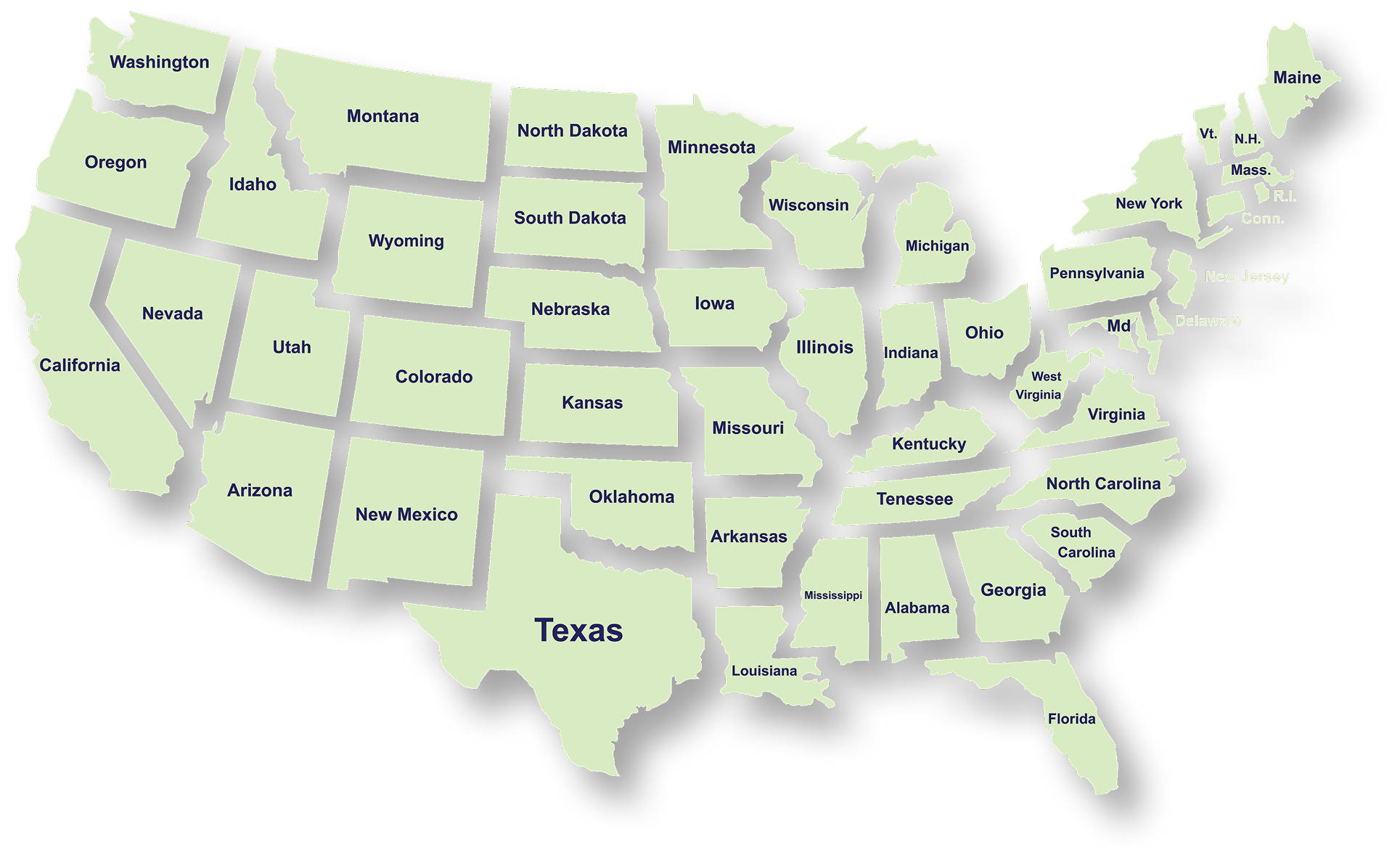
Serving Businesses & Individuals Across USA

We handle accounting, tax filing, and planning with defined timelines and accurate reporting for businesses and individuals across all states.

Frequently Asked Questions

What services does NR CPAs & Business Advisors provide?
What is tax planning and why is it important for businesses?
How can a Virtual CFO help my business?
When should a business consider IRS tax resolution services?
What financial statements does a business typically need?
How can startup advisory services help new businesses?
What is strategic business planning?
What is a Virtual Family Office and who can benefit from it?