Learning Center for Tax and Financial Insights

Stay updated with clear, actionable articles on tax rules, deadlines, deductions, and financial decisions that impact individuals and businesses.

No items found.

Video: Don't Fall Behind in Saving for Retirement

Many people are neglecting their retirement savings or simply planning for their Social Security income to take care of their needs. To encourage better preparation for retirement, tax laws offer a variety of tax incentives for retirement savings plans. Watch this video for an overview of the options. .embed-container { position: relative; padding-bottom: 56.25%; height: 0; overflow: hidden; max-width: 100%; } .embed-container iframe, .embed-container object, .embed-container embed { position: absolute; top: 0; left: 0; width: 100%; height: 100%; }

Explore More
No items found.

Video: Gambling & Tax Gotchas

Gambling is a recreational activity enjoyed by individuals. Nevertheless, there are far more tax issues related to gambling than you might expect. Watch this video for a quick overview. .embed-container { position: relative; padding-bottom: 56.25%; height: 0; overflow: hidden; max-width: 100%; } .embed-container iframe, .embed-container object, .embed-container embed { position: absolute; top: 0; left: 0; width: 100%; height: 100%; }

Explore More
No items found.

IRA Withdrawal Planning Can Save on Taxes

Article Highlights: Early Distributions Distributions After Age 59½ Minimum Required Distributions After Age 72 Excess Accumulation Penalty Estate Tax Issues Advance planning can, in many cases, minimize or even avoid taxes on IRA distributions and other qualified plan distributions. When contemplating future retirement and when to begin tapping taxable IRA and other qualified retirement accounts, taxpayers need to consider a number of important issues. Early Distributions (before 59½) - If funds are withdrawn before the taxpayer reaches age 59½, the distribution is subject to a 10% early withdrawal penalty (and state penalties, if applicable) in addition to income taxes, unless what is referred to as the substantially equal payment exemption is utilized. Under this exception, an early retiree can begin taking substantially equal payments at least once a year over their projected lifetime or the joint lives of themself and a designated beneficiary. The payments must not cease before the end of a five-year period beginning with the date of the first payment AND must continue until after the taxpayer reaches age 59½. Age 59½ to age 72 Distributions – After attaining age 59½, an individual can take funds out of their IRA in whatever amount they wish in any year until reaching age 72. This withdrawal flexibility leaves the retiree to plan their distributions to minimize taxes. Techniques involve matching distributions with no- or low-income years. Age 72 and Older – Once a taxpayer reaches age 72, they must withdraw at least a minimum amount from their Traditional IRA each year. A taxpayer who fails to take the required minimum distribution (RMD) in the year age 72 is reached can avoid a penalty by taking that distribution no later than April 1st of the following year. However, that means the IRA owner must take two distributions in the following year, one for the year in which they reached age 72 and one for the current year. When a taxpayer takes distributions that are less than the required minimum distribution for the year, the amount not distributed as required is subject to a 50% excise tax (excess accumulation penalty) for that year. In many cases the excess accumulation penalty can be reduced or totally eliminated by following IRS abatement procedures. Generally, you must show that the failure to take the required distribution was due to reasonable cause and that steps are being taken to remedy the shortfall.

Explore More
No items found.

Video: Annual Reminder to File Your Worker 1099s

This is our annual reminder for you to file worker 1099s if you use workers other than employees to perform services for your business. Furthermore, there are some significant changes that you should know about this year. .embed-container { position: relative; padding-bottom: 56.25%; height: 0; overflow: hidden; max-width: 100%; } .embed-container iframe, .embed-container object, .embed-container embed { position: absolute; top: 0; left: 0; width: 100%; height: 100%; }

Explore More
No items found.

January 2021 Individual Due Dates

January 4 - Time to Call For Your Tax Appointment - January is the beginning of tax season. If you have not made an appointment to have your taxes prepared, we encourage you to do so before the calendar becomes too crowded.January 11 - Report Tips to Employer - If you are an employee who works for tips and received more than $20 in tips during December, you are required to report them to your employer on IRS Form 4070 no later than January 11.

Explore More
No items found.

January 2021 Business Due Dates

January 15 - Employer’s Monthly Deposit Due - If you are an employer and the monthly deposit rules apply, January 15 is the due date for you to make your deposit of Social Security, Medicare and withheld income tax for December 2020. This is also the due date for the nonpayroll withholding deposit for December 2020 if the monthly deposit rule applies. Employment tax deposits must be made electronically (no paper coupons), except employers with a deposit liability under $2,500 for a return period may remit payments quarterly or annually with the return. NOTE: Delayed Payment of Employer Payroll Taxes from 2020The CARES Act allows employers to delay paying 2020 payroll taxes, with 50% of the employer’s share of the 2020 Social Security tax due by December 31, 2021, and the remainder due by December 31, 2022. Any payments or deposits the employer makes before December 31, 2021, are first applied against the payment due on December 31, 2021, and then applied against the payment due on December 31, 2022.

Explore More
No results found.
Thank you! Your submission has been received!
Oops! Something went wrong while submitting the form.

Want tax & accounting tips & insights?Sign up for our newsletter.

Thank you! Your submission has been received!
Oops! Something went wrong while submitting the form.

Why Work With Us?

We combine deep tax expertise, financial strategy, and practical business insight to help you manage complexity, stay compliant, and make confident financial decisions.
A dollar sign, representing financial advice or discussion at NR CPAs & Business Advisors.

Experienced CPA and Enrolled Agent Leadership

Guidance led by licensed professionals with deep expertise in tax strategy, compliance, and complex financial matters.
White bar chart with an upward arrow on green circular background representing growth or progress at NR CPAs &. Business Advisors

Support for Growing Businesses and Startups

We understand the financial challenges of growth stage businesses and provide structured guidance to support expansion.
A white hand holding a dollar symbol and ascending bar chart on a green circular background representing financial growth or investment at NR CPAs & Business Advisors..

Strategic Financial Advisory

Our team helps you evaluate financial decisions with greater clarity, supported by practical insights and long term planning.

Fractional CFO Support

Access experienced financial leadership without the commitment and cost of hiring a full time Chief Financial Officer.

Proactive Tax Planning Approach

We focus on identifying tax opportunities throughout the year rather than reacting only during filing season.

Clear and Reliable Financial Reporting

Accurate financial statements and reporting that help you better understand performance and make informed decisions.
White IRS building icon with pillars and a dollar sign above on a green circular background.

Professional IRS Representation

Experienced support in resolving IRS notices, disputes, and compliance matters while protecting your financial interests.

Personalized Client Focus

Every client receives thoughtful attention and tailored financial solutions based on their specific needs and business goals.
Financial matters often involve important decisions. Working with experienced advisors can help you approach them with greater clarity and confidence in your choices.

Need Help With Your Tax or Financial Decisions?

Discuss your situation with our advisors to get clear guidance on tax planning, IRS matters, and the financial decisions ahead.
Business consulting at NR CPAs & Business Advisors.

Request Your Consultation

Fill out the form to discuss your tax concerns, financial questions, or advisory needs with our team. We will review your details and respond shortly.

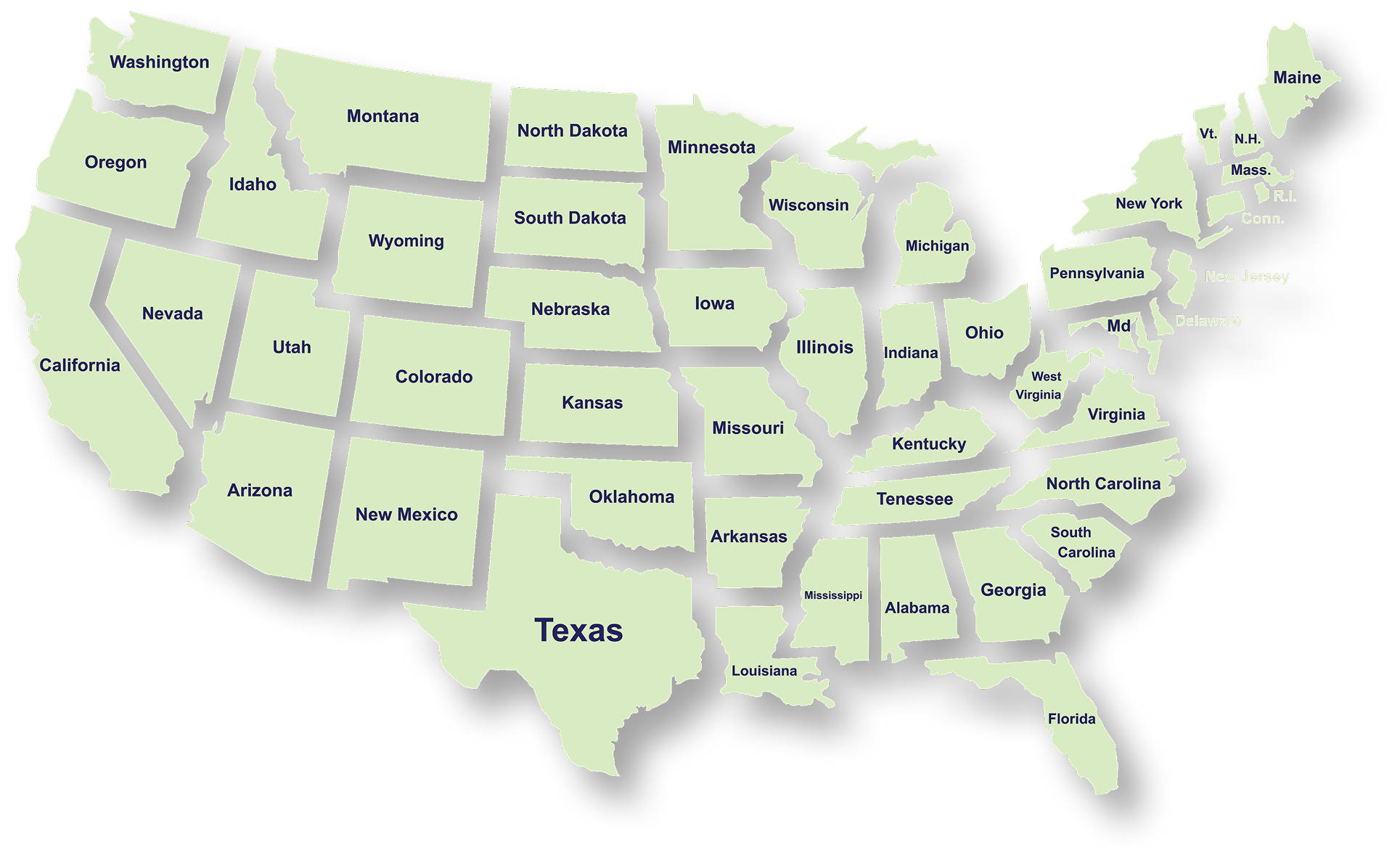
Serving Businesses & Individuals Across USA

We handle accounting, tax filing, and planning with defined timelines and accurate reporting for businesses and individuals across all states.

Frequently Asked Questions

What services does NR CPAs & Business Advisors provide?
What is tax planning and why is it important for businesses?
How can a Virtual CFO help my business?
When should a business consider IRS tax resolution services?
What financial statements does a business typically need?
How can startup advisory services help new businesses?
What is strategic business planning?
What is a Virtual Family Office and who can benefit from it?