Learning Center for Tax and Financial Insights

Stay updated with clear, actionable articles on tax rules, deadlines, deductions, and financial decisions that impact individuals and businesses.

No items found.

Are You Keeping Track of Your Investment Basis?

Article Highlights: What is Basis? Cost Basis Gift Basis Inherited Basis Events that Adjust Basis First In, First Out In taxes, there is a saying: “Those who keep records win.” If you are an investor, you may own real property or have a variety of securities, including stocks, bonds, mutual funds, etc. When you sell the real property or those securities, undoubtedly, you’ll want to minimize your gains or maximize your losses for tax purposes. Gain or loss is measured from your tax basis in the investment (asset), which makes it important to keep track of the basis in all your investments. What is Basis? Generally, your basis in an investment begins with the price you paid to purchase the investment. However, that will not be the case if the investment was acquired by gift or inheritance. For inherited assets, the basis generally begins with the fair market value (FMV) of the asset on the decedent’s date of death or an alternative valuation date, if available to and chosen by the executor of the estate. Assets acquired by gift actually have a basis for gain (the donor’s basis) and a basis for loss (the FMV of the asset on the date of the gift). When an asset is acquired through division of property in a divorce, the asset retains the basis it had when it was owned jointly by the couple. Basis is not a fixed value; it can change during the time the asset is owned and is adjusted by certain events. For an investment asset, these events include: Reinvested cash dividends, Stock splits and reverse splits, Stock dividends, Return of capital, Additional investments, Broker’s commissions and transaction fees, Improvements, Interest previously taken into income under an election under the accrued market discount rules, Interest taken into income under the original issue discount rules, Attorney fees, Acquisition costs, Depletion, Casualty losses, etc. These events can increase or decrease the tax basis in the investment, which makes adequate recordkeeping so important. Another issue associated with basis is when a portion of the investment is sold. Let’s say 100 shares of a particular stock were purchased in 2016 at $10 a share and another 100 shares in 2018 at $20 a share. The investor plans on selling 100 shares of the stock at $30 a share. Using the general rule of “first in, first out,” there would be a $20 per share gain. However, if the investor can identify each specific block of stock sold, such as the 100-share block bought in 2018, there would only be a $10 per share profit. This is known as the “specific identification” method. The following is a discussion of the more commonly encountered basis adjustments where recordkeeping is essential: Improvements – For a home, keep records of home improvements such as room additions, kitchen or bathroom remodels, etc. Reinvested cash dividends – Investors are frequently given the opportunity to reinvest their dividends instead of taking them in cash. This is often the case with mutual funds, and less so with individual corporations. By participating in these plans, the investor is actually purchasing additional sales with their taxable dividends. Unless records are kept, the investor can’t prove how much he or she paid for the shares or establish the amount of gain that is subject to tax (or the amount of loss that can be deducted) when the stock or mutual fund it is sold. Stock dividends – It is possible to receive both taxable and nontaxable stock dividends. Stock dividends that are taxable provide the investor with additional stock with a basis equal to the taxable stock dividend. If the dividends are nontaxable, the number of shares that are owned increases, but the basis remains unchanged. If the investor can associate the dividends with a specific block of stock, then the basis of that block can be adjusted accordingly. If not, the adjustment will apply to the entire holding in that particular stock. Return of capital – A return of capital is a nontaxable return of a portion of the investment. Thus, a return of capital will reduce the investor’s basis in the security. Suppose an investor has 100 shares of XYZ Corporation that cost $1,000 ($10 per share), and the corporation distributes a $100 nontaxable return of capital. The investor’s basis in the stock is reduced to $900 ($1,000 - $100), or $9.00 per share. If, over a period of time, the return of capital exceeds the basis in the investment, the excess becomes taxable because one cannot have a negative basis. Stock splits – Stock splits can be confusing if they are not tracked as they occur. Let’s assume that an investor owns 100 shares of ABZ Corporation for which he paid $2,000 ($20 a share). Later on, the corporation splits the stock 2 for 1. The result is that he now owns 200 shares, but his basis in each has been reduced to $10 per share (200 shares times $10 equals $2,000—what was paid for the original shares). This generally occurs when the per-share value of stocks becomes too high for small investors to purchase 100 share blocks. Also watch for reverse splits, which have the opposite effect. Stock spin-off – Occasionally, corporations will spin off into additional companies. The classic example is the breakup of AT&T about 40 years ago when it separated into regional phone companies, who themselves later split into additional companies or merged with others. A basis-tracking nightmare for sure! Fortunately, each time one of these transactions takes place, the corporation will provide documentation on how to split the prior basis between the resulting companies. Tracking these events as they happen is very important, as it may be difficult to reconstruct the information several years down the road. Broker fees – Recently, several of the larger brokerage firms have eliminated the traditional commissions charged to their clients when securities are bought and sold, but they may still assess some fees for these transactions. Broker fees are generally already accounted for in most stock and bond transactions. The purchase price of a block of stock generally includes the broker fees, and the sales price reported to the IRS (gross proceeds of sale) is almost always the net of the sales costs.

Explore More
No items found.

How Do You Create Price Levels in QuickBooks?

You already know that when you create a product or service record in QuickBooks, you must assign a sale price to it. But did you know that QuickBooks gives you a great deal of flexibility when to comes to pricing items you sell? The software allows you to create one or more additional Price Levels that you can access in invoices, estimates, sales receipts, credit memos, and sales orders. There are three ways you can use these. Once you’ve created them, they’ll be available in a drop-down list in the Rate field. This means you can assign them manually to individual transactions. The second option is to assign them globally to specific customers or jobs. Once you’ve done so, that price will apply every time you create a transaction for one of them. Finally, you can create price levels for selected items. Here’s how it works. Let’s say you want to be able to create a price level that’s 15 percent below the actual price that you can use in individual transactions. You open the Lists menu and select Price Level List. Click the arrow in the lower left corner next to Price Level and select New. A window like this will open: You can create price levels in QuickBooks and assign them to individual sales transactions. Fill in the field next to Price Level Name, and then click the arrow next to Price Level Type. Select Fixed %. Select decrease from the drop-down list on the next line and enter your percentage number. Round up to the nearest is an optional field, Click OK when you’re done. The next time you create a sales transaction, your new price level will be available as an option when you open the drop-down list in the Rate column. When you need to edit or delete a price level, go to Lists | Price Level List again and click the arrow next to Price Level in the lower left corner. You have several options here. You can, for example, make a price level inactive so it doesn’t appear on the list. The field next to Price Level is labeled Reports. Click on the arrow to see what’s available there. Customers and Jobs You can also apply a price level you’ve created to a specific customer or job, perhaps to reward a customer for frequent purchases. When you do so, that rate will appear every time you enter a sales transaction for the customer or job you selected.

Explore More
No items found.

What Happens if I Missed the October 15th Tax Extension Deadline?

We’ve all been there. Life is super busy. We have to take care of our families and friends, work obligations, and all our other everyday responsibilities. With all of the hustle and bustle, you realize that the October 15th tax extension deadline has passed and unfortunately, you still haven’t filed. What should you do now? Here is a breakdown of what happens when the tax extension deadline passes and the next steps you should take. Will I Be Penalized for Filing After the Deadline? Yes, if you missed the October 15th filing deadline, you can be penalized. The IRS allowed you an additional six-month extension of time to file your taxes (from April 15th to October 15). That was not an extension to pay taxes, only an extension to complete your return. In addition to any interest and penalties that you may owe as a result of failing to file (and pay) your tax on time, you will now be subject to a late filing fee on any unpaid taxes. The penalty, which includes interest, is generally 5% per month of any unpaid balance for up to 5 months. This penalty can increase to up to 25% of the remaining balance owed. To make matters worse, the interest continues to accrue until any liability is finally paid. If you file your taxes more than 60 days late, you may receive an additional penalty of $435. That is the minimum late filing penalty which is the lesser of what you owe in taxes or the $435. So, it’s important to go ahead and file even if you can’t pay the outstanding balance in full and work with the IRS to create a payment arrangement. More about that a little later. Even if you are missing some information you need to file, you can file now and amend later when the information becomes available. What Happens if the IRS Owes Me a Refund? For taxpayers who believe they are owed a refund from the Internal Revenue Service, you have three years from the original due date of the return in order to file and claim your refund. However, if you wait too long you will forfeit any refund you might be entitled. If you are filing your tax return after the October 15th deadline, and do not owe any tax when there are no late filing penalties or interest. What Happens If I Don’t File My Return? If you don’t file your tax return with the IRS, they will likely create a substitute return on your behalf based on income data such as W-2s, 1099s, and other documentation provided to them by your employer and other financial institutions. It’s important to understand that this substitute return will not include any calculations for credits and deductions that you may be qualified for. Consequently, it is likely that the substitute return will result in a higher balance owed and penalties than if you prepared your own return. What Happens If I Can’t Pay the Tax Balance Owed? If you can’t pay your tax obligations with the IRS, it is important to go ahead and get the tax return filed and then work with the Internal Revenue Service in order to set up a payment plan. The IRS’ Fresh Start Program allows taxpayers with balances of less than $25,000 to set up a monthly installment plan, allowing you to make payments on your balance over a number of years. For those experiencing more financial difficulty, there is an “Offer In Compromise” option that allows you to settle your tax debt for less than the amount owed. The interest and penalties for filing your tax return after the final tax deadline can be severe. It is important to get your return filed, even if you need to make arrangements in paying the balance owed to the IRS. If you have any questions about steps you should take if the October 15th tax extension deadline has passed you by, or for more information about our services, please feel free to contact us for more information.

Explore More
No items found.

12 Financial Metrics Small Business Owners Should Track

Operating a small business is an exhilarating and, at times, overwhelming endeavor. There are so many details to keep track of that it’s easy to forget about the nuts and bolts of your organization’s finances – especially if you didn’t start out as a “numbers person.” Whether you’re the one who is assembling your financial reports or you’ve hired a professional (like our practice) to do it for you, it’s important for you to know which of the numbers are most important and what they mean in terms of the decisions you make and your assessment of the health of your business overall. Below you’ll find our list of 12 of the most important elements of your financial report, and what you can do with the information. 1. Profit and Loss Every quarter, you should refresh your business’ profit and loss report to understand both your bank needs and your tax reporting needs. It is the single, at-a-glance snapshot of your bottom line that you can use to drive your own decisions and that you can show to an outsider for them to gauge your strength. If you have a reconciled balance sheet, it will ensure that everything in your P& L has been captured. 2. Average Cost of Customer Acquisition We all want customers, and especially customers that keep spending – or that spend big. Though it’s tempting to assume a ‘whatever it takes’ attitude, you need to know the average cost of acquiring profitable customers, and then assess whether you can cut those costs in order to make them even more profitable. Knowing the average cost of customer acquisition can also help you figure out what to spend on customer retention and the value of upselling. 3. Budget Versus Actual Think you’re sticking to the plan based on what you see in terms of your bank account? The truth is that if you compare what you’ve budgeted as compared to what you’ve actually spent it will give you a far better sense of whether you’re staying on track and what kind of adjustments you need to make. 4. Cash Flow Most people consider cash flow the most telling metric of all, and cash certainly is the lifeblood of any company. If you’re not keeping your eye on your cash flow you could find yourself caught unaware and flatfooted when it comes to making essential payments, so make measuring your cash flow (as well as your cash burn – the amount you go through monthly) and your runway (how much you can operate based on your cash on hand) part of your regular business health check. 5. Fixed Burn Rate No matter how well you are doing, there is always the chance that you’re going to encounter some unforeseen circumstance or drop in business that is going to drive the need to cut costs. The best way to do that is to take a close look at your fixed burn rate and make sure that it isn’t too high. As tempting as it may be to sign on to a long-term contract to save a little money, if you commit yourself to a payment that you can’t afford at all in the future you may be sorry. You may be better off taking some of those expenses off of a contracted status so that you can eliminate them if you have to. 6. Employee Productivity Though it’s a given that your employees are your most valuable asset, that doesn’t mean that you should be operating without ensuring that you are getting enough value out of them to justify what you are spending. The best way to do that is to actually monitor each employee’s productivity to make sure that everybody is more than pulling their weight. 7. Operating Cash Cycle When a business wants to expand, they can’t move forward blindly. They need to have a good handle on how long it takes for cash to become available to them after their capital investment so that they can feel confident in their ability to go through with their plans. Those who fail to understand their operating cash cycle risk joining the ranks of the 82% of businesses that fail due to poor cash flow management (according to U.S. Bank). 8. Churn Rate When you think about how hard you work to acquire new customers, it’s no wonder that knowing how long you’re holding on to them is a key metric. If you’re churning through your customers too quickly it means that your product or service isn’t valuable enough to them to stick around for more. Understanding how fast they’re leaving and the reason for it is the first step in stopping the bleeding and making your business more profitable for the long term. 9. Regulatory Requirements for Your Industry It’s easy to forget about renewing your industry license or maintaining a minimum capital in keeping with regulatory requirements, but you can’t let yourself do it. Failing to keep track leads to unnecessarily having to pay noncompliance penalties. Make sure that you include these elements within your financial report and calendar. 10. Projected Profit Loss Versus Actual A big part of your annual financial plan should include a projection of what you believe your profit and loss will be, as well as a budget for each of your expense areas. Having this will allow you to compare what you projected to what your actual profit and loss is, and to then review where things went askew. Some may be explainable and worthwhile, and others may be warnings of things getting out of control. 11. Profit Goals and Profit Per Customer One of the most effective ways to promote profitability is to take a granular, analytical approach to your profit goals. By determining what your short-term and long-term profit goals are, you can then break it down to what your profit goal is per customer based on either your existing customers or the number of new customers you need to acquire. All of these numbers can drive internal processes and help you get where you want to go. 12. Financial Ratios Ratios are among the most useful metrics that a small business owner can use to determine the overall financial health of their organization. Among the most important are their liquidity ratio (how much cash you have on hand to pay the monies you owe); your efficiency ratio (how much it is costing you to bring in a single dollar); and your profitability ratio (profit as it compares to revenue). Each of these elements is extremely beneficial in helping you understand where your money is at any time. If you’d like to discuss how our services can help you run a successful business, please contact us for more information.

Explore More
No items found.

Don't Miss Out on Year-End Tax-Planning Opportunities

Article Highlights: Unemployment Benefits Taxability To Skip or Not Skip the 2020 Required Minimum Distribution Special Charitable Giving Opportunities Divorced or Separated Planning Issues Potential State Health Insurance Penalties Dealing with Disaster Losses in 2020 Retroactive Kiddie Tax Rules – Amended Opportunity Retroactive Tax Benefits May Provide Refunds Preparing for Home Sale Reporting Avoiding Underpayment Penalties Retroactive Bonus Depreciation Opportunities New NOL Carryback Opportunities Complying with Reasonable Compensation Requirements for S-Corp Shareholders Assisting with PPP Loan Forgiveness Applications Capital Gains Can Be Deferred Set Up a Bunching Strategy Defer or Accelerate Income Depending on 2020 Income Waiting until Next Year to Change Marital Status Take Advantage of a Low-Income Year to Sell Stocks or Exercise Options To say COVID-19 has made 2020 a disastrous year for just about everyone would be an understatement. In response to the economic slowdown and losses of income, Congress passed several extensive laws to benefit individuals and businesses that suffered financial hardship because of COVID-19. However, 2020 has given rise to more than the usual tax-planning opportunities. Thus, you may find it appropriate to schedule a tax-planning appointment well before the close of the year to take advantage of the tax benefits and strategies available for 2020. Although everyone’s situation is unique, the following are examples of tax opportunities and strategies that may apply to your circumstances. Individual Planning Opportunities Did You Collect Unemployment Income This Year? If you did, you should be aware that it is taxable for federal purposes and that most states also tax unemployment benefits. Even if you had taxes withheld from the unemployment payments, don’t be misled into thinking it will be enough. Generally, the tax withheld from unemployment compensation is insufficient, especially when the extra $600 weekly amount of federal pandemic benefits is considered. It may be appropriate to see what effects the unemployment income will have on your taxes and avoid any unpleasant surprises next year when your return is prepared. Did You Skip the Required Minimum Distribution (RMD) for 2020? Taxpayers were allowed to skip their RMD from their IRAs and most other retirement plans for 2020. But that might not be your best tax move, especially if you can take a distribution that will result in no or minimal taxes for this year. It may be appropriate to discuss whether you should take a distribution or not. We might be able to determine an amount that can be withdrawn tax-free. Are You the Charitable Type? If so, 2020 offers a variety of ways to make contributions, including donating unused time off from work (if your employer participates in the program). The AGI limitation for deducting cash contributions has been increased significantly, and non-itemizers can make a deductible contribution of up to $300 (pending legislation may change the amount). Of course, a taxpayer over age 70½ can make an IRA-to-qualified charity donation. We can determine the method or combination of methods best suited to your particular circumstances. Did You Have a Large Increase in Income This Year? If so, you might want to explore the benefits of a donor-advised fund, which will allow you to make a large deductible charitable contribution this year and meet your future charitable obligations by distributing the funds in the upcoming years. Divorced or Separated This Year? Divorce creates numerous issues that can have profound implications on your tax return and the amount of your tax liability. For example, who takes credit for the kids, allocating taxable income, who benefits from tax-credits and deduction carryovers, alimony, and who is responsible for the tax liabilities are just a few issues to consider. It might be appropriate to project your tax liability in advance, so you can prepare for the outcome. Do You Have Health Insurance? Although the federal government no longer penalizes individuals for not having minimal essential health insurance, some states do. The penalties can be a substantial amount of money and should be considered in year-end tax planning. Did You Suffer a Disaster Loss in 2020? There are special rules related to evaluating the losses incurred as the result of a disaster loss, and the results more than likely will be quite different from what you might imagine. This office can help you with insurance claims, determine your loss for tax purposes, and provide guidance to maximize your tax benefits. Did Your Child File a Tax Return in 2018 or 2019 under the Kiddie Tax Rules? If so, Congress has retroactively provided an alternative computation that could result in a substantial refund. You may want to consider consulting with this firm to see if it would be beneficial to amend the returns. Congress Extended Tax Benefits that Expired after 2017. Some of those benefits may apply to you for 2020. Or, you can amend your returns for 2018 and 2019, as appropriate, to take advantage of the following extenders: forgiveness of qualified principal residence debt income; deduction of mortgage insurance premiums; credit for energy-efficient home improvements; and credits for fuel cell vehicles, two-wheeled electric vehicles, and alternative-fuel refueling property. If any of these apply to you, you might consult with this firm to see if the benefits warrant filing an amended return. Did You Sell Your Home This Year? If so, and if you meet the ownership and occupancy tests, the gain from selling your main home will not be taxed, up to $250,000 ($500,000 if you file a joint return with your spouse). But if you don’t meet the requirements of both owning and using your home for 2 years in the 5 years counting back from the sale date, you may still qualify for a partial home sale gain exclusion. For example, you may qualify for a reduced exclusion if you sold your home to relocate this year because of a change in employment or due to health. We can determine the amounts of excluded income and taxable gain, and project how your taxes will be impacted. Have You Prepaid Enough Tax for 2020? One of the reasons for doing year-end tax planning is to determine if the tax you’ve already paid through withholding or estimated tax payments will be sufficient to cover your tax for the year, in order to avoid a penalty for underpayment of estimated tax. If there’s a shortfall, we can then see what appropriate steps you can take either to reduce the tax, perhaps by increasing your retirement plan contributions or bunching deductions, or increase your withholding for the rest of the year.

Explore More
No items found.

There is More to Deducting Health Insurance than Meets the Eye

Article Highlights: Itemized Deduction AGI Limitations What Insurance is Deductible Above-the-Line Deduction for the Self-Employed Income Limitation Subsidized Limitation Health insurance premiums, especially in the wake of the Affordable Care Act, have risen dramatically and are one of the greatest expenses that most individuals pay. Although the cost of health insurance is allowed as part of an individual’s medical deductions when itemizing deductions, only the amount of total medical expenses that exceeds 7.5% of the taxpayer’s adjusted gross income (AGI) is deductible. The 7.5% limitation is increased to 10% for years after 2020. The purpose of this article is twofold: first, to remind you what insurance can be included as a medical deduction; and second, to inform you of an alternate means of deducting health insurance for certain self-employed individuals—a means that avoids the AGI limitation and allows for deduction without itemizing. Let’s start by looking at what is treated as deductible health insurance. It includes the premiums you pay for coverage for yourself, your dependents, and your spouse, if applicable, for the following types of plans: Health care and hospitalization insurance Long-term care insurance (limited based on age) Medicare A in some circumstances* Medicare B Medicare C (aka Medicare Advantage plans) Medicare D Dental insurance Vision insurance Premiums paid through a healthcare marketplace net of the Premium Tax Credit *Most workers, and any government employees who pay Medicare tax, have a portion of their wages deducted for contributions to Medicare A. This payroll tax isn’t a deductible medical expense. However, those not covered under Social Security, and government employees who didn’t pay Medicare tax, can voluntarily enroll in Medicare A. In that case, the Medicare A premiums are a medical expense. Premiums paid on your or your family’s behalf by your employer aren’t deductible because their cost is not included in your wage income. Or, if you pay premiums for coverage under your employer’s insurance plan through a “cafeteria” plan, those premiums aren’t deductible either because they are paid with pre-tax dollars.

Explore More
No results found.
Thank you! Your submission has been received!
Oops! Something went wrong while submitting the form.

Want tax & accounting tips & insights?Sign up for our newsletter.

Thank you! Your submission has been received!
Oops! Something went wrong while submitting the form.

Why Work With Us?

We combine deep tax expertise, financial strategy, and practical business insight to help you manage complexity, stay compliant, and make confident financial decisions.
A dollar sign, representing financial advice or discussion at NR CPAs & Business Advisors.

Experienced CPA and Enrolled Agent Leadership

Guidance led by licensed professionals with deep expertise in tax strategy, compliance, and complex financial matters.
White bar chart with an upward arrow on green circular background representing growth or progress at NR CPAs &. Business Advisors

Support for Growing Businesses and Startups

We understand the financial challenges of growth stage businesses and provide structured guidance to support expansion.
A white hand holding a dollar symbol and ascending bar chart on a green circular background representing financial growth or investment at NR CPAs & Business Advisors..

Strategic Financial Advisory

Our team helps you evaluate financial decisions with greater clarity, supported by practical insights and long term planning.

Fractional CFO Support

Access experienced financial leadership without the commitment and cost of hiring a full time Chief Financial Officer.

Proactive Tax Planning Approach

We focus on identifying tax opportunities throughout the year rather than reacting only during filing season.

Clear and Reliable Financial Reporting

Accurate financial statements and reporting that help you better understand performance and make informed decisions.
White IRS building icon with pillars and a dollar sign above on a green circular background.

Professional IRS Representation

Experienced support in resolving IRS notices, disputes, and compliance matters while protecting your financial interests.

Personalized Client Focus

Every client receives thoughtful attention and tailored financial solutions based on their specific needs and business goals.
Financial matters often involve important decisions. Working with experienced advisors can help you approach them with greater clarity and confidence in your choices.

Need Help With Your Tax or Financial Decisions?

Discuss your situation with our advisors to get clear guidance on tax planning, IRS matters, and the financial decisions ahead.
Business consulting at NR CPAs & Business Advisors.

Request Your Consultation

Fill out the form to discuss your tax concerns, financial questions, or advisory needs with our team. We will review your details and respond shortly.

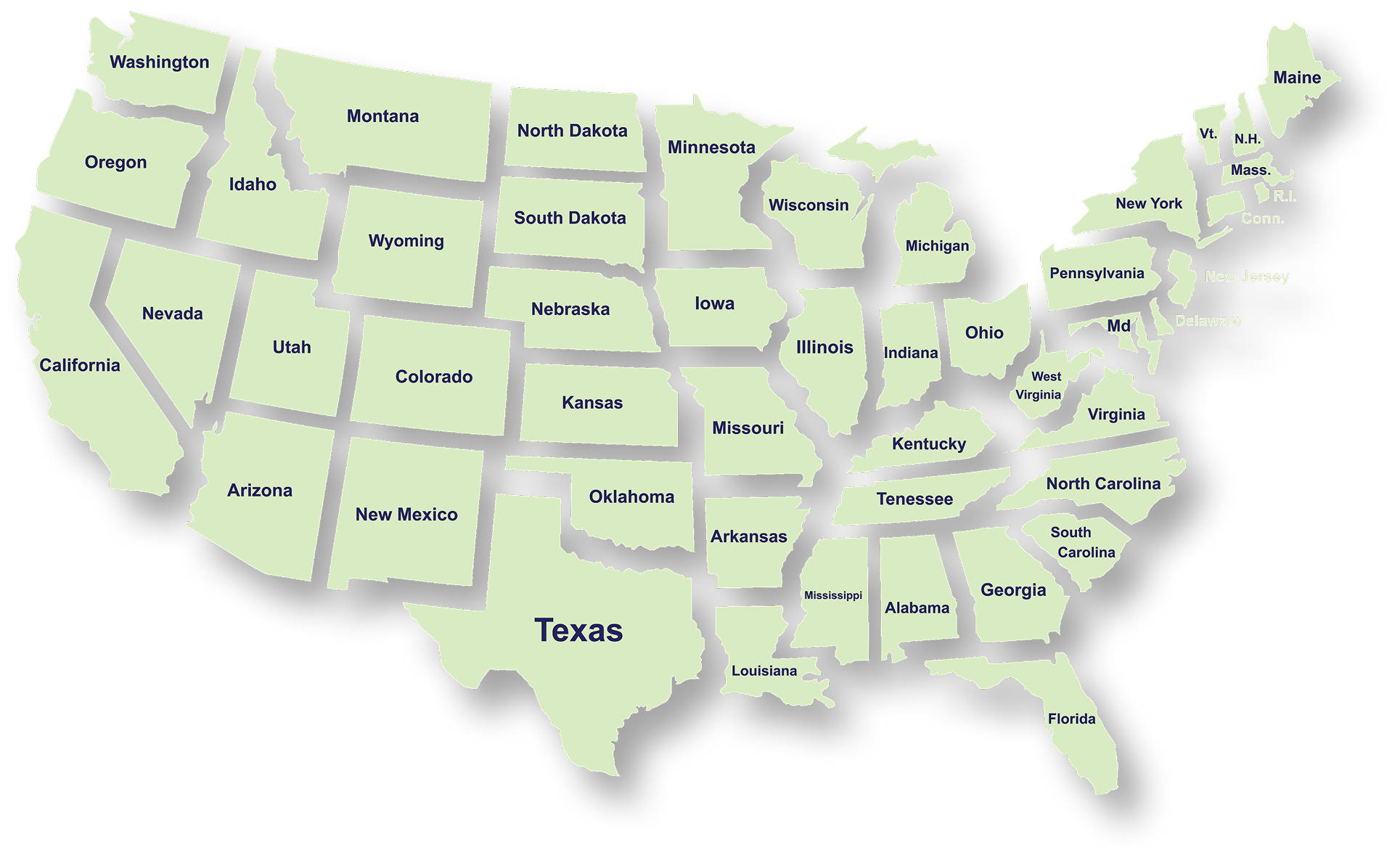
Serving Businesses & Individuals Across USA

We handle accounting, tax filing, and planning with defined timelines and accurate reporting for businesses and individuals across all states.

Frequently Asked Questions

What services does NR CPAs & Business Advisors provide?
What is tax planning and why is it important for businesses?
How can a Virtual CFO help my business?
When should a business consider IRS tax resolution services?
What financial statements does a business typically need?
How can startup advisory services help new businesses?
What is strategic business planning?
What is a Virtual Family Office and who can benefit from it?