Learning Center for Tax and Financial Insights

Stay updated with clear, actionable articles on tax rules, deadlines, deductions, and financial decisions that impact individuals and businesses.

No items found.

Are You Paying Outstanding Medical or Dental Bills at Year-end?

Taxpayers who are able to itemize their deductions can deduct qualified medical and dental expenses that exceed 7.5% of their adjusted gross income. Learn more.

Explore More
No items found.

Meals & Entertainment Expenses Post Tax Reform

Tax reform imposed limitations on food, beverage and entertainment expenses. Expenses considered entertainment are not deductible at all during the years 2018 through 2025. The tax reform act also imposed a number of restrictions on food and beverage expenses as explained below. Feel free to share and embed this infographic on your website. Embed code is available at the bottom of this article.

Explore More
No items found.

Year-end Tax Planning: Have You Ever Thought About Pre-paying Your State Income and Property Taxes?

Doing so may save you tax if you are able to itemize deductions on your federal return. State and local income taxes, or sales tax if greater, as well as personal property and real estate taxes paid during the year, are deductible on your federal return when you itemize deductions.Learn more.

Explore More
No items found.

December 2018 Individual Due Dates

December 3 - Time for Year-End Tax Planning December is the month to take final actions that can affect your tax result for 2018. Taxpayers with substantial increases or decreases in income, changes in marital status or dependent status, and those who sold property during 2018 should call for a tax planning consultation appointment.December 10 - Report Tips to Employer If you are an employee who works for tips and received more than $20 in tips during November, you are required to report them to your employer on IRS Form 4070 no later than December 10. Your employer is required to withhold FICA taxes and income tax withholding for these tips from your regular wages. If your regular wages are insufficient to cover the FICA and tax withholding, the employer will report the amount of the uncollected withholding in box 12 of your W-2 for the year. You will be required to pay the uncollected withholding when your return for the year is filed.

Explore More
No items found.

December 2018 Business Due Dates

December 3 - EmployersDuring December, ask employees whose withholding allowances will be different in 2019 to fill out a new Form W4 or Form W4(SP).December 17 - Social Security, Medicare and Withheld Income Tax If the monthly deposit rule applies, deposit the tax for payments in November.December 17 - Nonpayroll Withholding If the monthly deposit rule applies, deposit the tax for payments in November.December 17 - Corporations The fourth installment of estimated tax for 2018 calendar year corporations is due. December 31 - Last Day to Set Up a Keogh Account for 2018

Explore More
Personal Finance

12 Easy Ways to Get Your Personal Finances in Shape for 2019

Whether you’re diligent about paying bills and saving or you’ve fallen behind on your bills and never opened a savings account, it’s always a good idea to do an annual review of your personal financial habits. Everybody needs to re-evaluate from time to time, and there’s no time like the New Year to take a closer look and see what type of improvements you can make. Doing so is always a help, but this is especially true for those who are overwhelmed by debt or regret over not starting to save sooner. The secret to success is simple: don’t try to take on too many major changes. Instead, take small steps towards improvement, then add on. Here are our favorite small, easy steps. If you take care of each one during the month of December, by the end of 2019 you’ll be in much better shape by this time next year. 1. Start by writing down all of your debt. Doing so can be depressing, but it’s the first step to improvement. Not only should you jot down the amount of debt you have, but also what interest you are paying on each item. There are a bunch of online tools that you can enter this information into that will put everything into order so that you can pay everything off the smart way. Even without a calculator, it’s smart to pay the minimum on the debts that has the lowest rate and use the rest of your available funds to pay off the one with the highest interest rate first, then move down the line. 2. Make your savings automatic. Saving is a habit for some, but if making an actual deposit is too easy to skip, then set it up so that it happens without any intervention from you at all. There are plenty online tools and apps that can help this happen. One of our favorites is Acorns, a tool that examines every purchase you make, rounds it up to the nearest dollar and then deposits the difference into your account. Your bills will all be nice round numbers and those seemingly insignificant few cents will add up surprisingly quickly. 3. Create a financial anniversary observation. This review that you’re doing today? Add it to your calendar as an annual event so that you’re sure to do it every year. Looking at your financial picture on an every-year-basis gives you an opportunity to address changes that need to be made that you may have overlooked during the course of the year. This includes looking at the way that your investments are allocated and whether you’re saving enough, as well as changing withholding amounts or insurance policies to reflect changes in your personal life. 4. Put it in writing. Are you the type that never took notes in school? Do you skip making a shopping list, then arrive home only to find that you’ve forgotten something that you really needed? There’s a reason for that – writing it down works! Not only is this true for incidentals, but also for goals. If you want to make sure that you stick to your goals, do more than just writing them down… send your list to somebody else so that you’ll be truly accountable for what you’ve put on paper. 5. Maximize what you pay on your debt. Just because a credit card statement gives you a minimum amount you have to pay doesn’t mean that’s the number you should use. Always pay more! The lower your payment, the more you’re paying in interest. Your long-term goal is to pay off every bill in full, every time it arrives, but if you’re in debt and can’t do that, for now even paying an extra few dollars works to your advantage. 6. Use alert technology. Almost every credit card company now offers text and email alerts to let you know when your payment is due or if it is late. If your debt isn’t to a company offering alerts, set something up on your own calendar to make sure you don’t miss a due date. 7. Be organized about tax documents. Whether you own your own business or just make donations to favorite charities, you’ll make tax time a whole lot easier for yourself if you set aside a specific place for keeping tax-oriented records. Set up a folder in your email account for online receipts and statements and a real folder for hard copies, and be diligent about storing records in them as soon as you receive them. Receipt bank has a nice tool to organize things. 8. Set aside one day per month where you don’t spend a cent. We all spend money mindlessly, especially now that the internet and devices like Alexa make it so easy to do so. By setting aside a single day where you don’t buy anything, you will make yourself more aware of the days that you are spending. 9. Boost the amount you’re putting away for your future. It makes sense to focus on paying off debt, but don’t forget about your future. Just as you add at least $5 to your bill payments to help reduce your debt, do the same with your retirement savings. It might make you feel like you’re cheating yourself of an extra cup of coffee or take out lunch, but you’ll be happy about it in the long run. 10. Keep your eye on your credit report. You may not think about it on a regular basis, but your credit score is one of the most important numbers in your life. Having a good credit score is essential to getting the best interest rates on mortgages, car loans and other debt instruments, and watching it regularly will keep you mindful about continuing to pay down debt and avoiding taking on more. It will also help you see when something has gone wrong, including stolen credit cards or identity theft issues. 11. Know your worth. Have you ever sat down and added up all of your assets and debts to find out exactly what your financial worth is? It’s a worthwhile exercise that everybody should do at least once a year. 12. Take a close look at your withholding amount. Are you expecting a big tax refund in 2019? It’s always fun to get that big check, but if you’re in debt, you’d be much better off adjusting your withholding to a more appropriate amount that will put more cash in your paycheck each week and then studiously use the increased amount to pay down your debt.

Explore More
No results found.
Thank you! Your submission has been received!
Oops! Something went wrong while submitting the form.

Want tax & accounting tips & insights?Sign up for our newsletter.

Thank you! Your submission has been received!
Oops! Something went wrong while submitting the form.

Why Work With Us?

We combine deep tax expertise, financial strategy, and practical business insight to help you manage complexity, stay compliant, and make confident financial decisions.
A dollar sign, representing financial advice or discussion at NR CPAs & Business Advisors.

Experienced CPA and Enrolled Agent Leadership

Guidance led by licensed professionals with deep expertise in tax strategy, compliance, and complex financial matters.
White bar chart with an upward arrow on green circular background representing growth or progress at NR CPAs &. Business Advisors

Support for Growing Businesses and Startups

We understand the financial challenges of growth stage businesses and provide structured guidance to support expansion.
A white hand holding a dollar symbol and ascending bar chart on a green circular background representing financial growth or investment at NR CPAs & Business Advisors..

Strategic Financial Advisory

Our team helps you evaluate financial decisions with greater clarity, supported by practical insights and long term planning.

Fractional CFO Support

Access experienced financial leadership without the commitment and cost of hiring a full time Chief Financial Officer.

Proactive Tax Planning Approach

We focus on identifying tax opportunities throughout the year rather than reacting only during filing season.

Clear and Reliable Financial Reporting

Accurate financial statements and reporting that help you better understand performance and make informed decisions.
White IRS building icon with pillars and a dollar sign above on a green circular background.

Professional IRS Representation

Experienced support in resolving IRS notices, disputes, and compliance matters while protecting your financial interests.

Personalized Client Focus

Every client receives thoughtful attention and tailored financial solutions based on their specific needs and business goals.
Financial matters often involve important decisions. Working with experienced advisors can help you approach them with greater clarity and confidence in your choices.

Need Help With Your Tax or Financial Decisions?

Discuss your situation with our advisors to get clear guidance on tax planning, IRS matters, and the financial decisions ahead.
Business consulting at NR CPAs & Business Advisors.

Request Your Consultation

Fill out the form to discuss your tax concerns, financial questions, or advisory needs with our team. We will review your details and respond shortly.

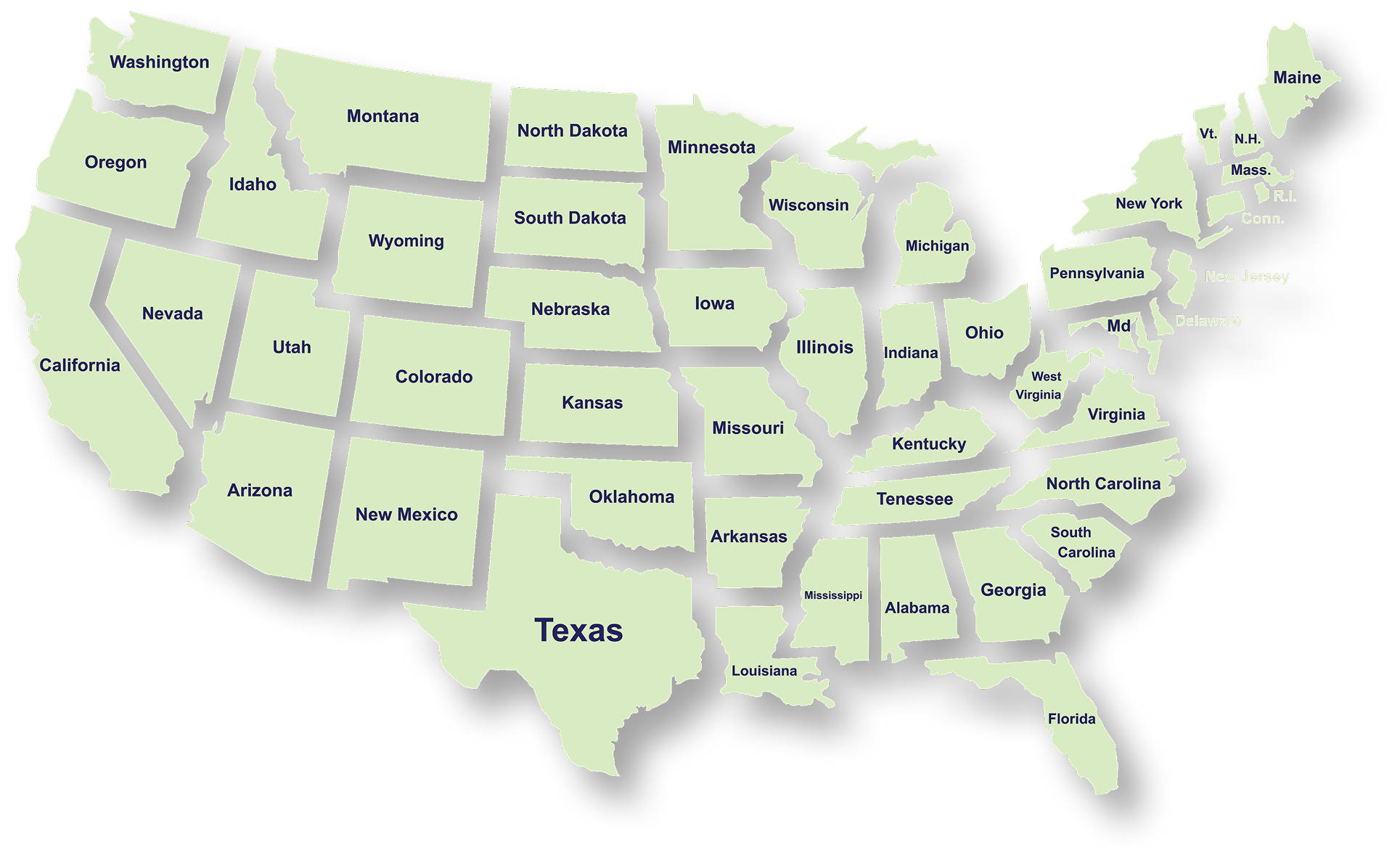
Serving Businesses & Individuals Across USA

We handle accounting, tax filing, and planning with defined timelines and accurate reporting for businesses and individuals across all states.

Frequently Asked Questions

What services does NR CPAs & Business Advisors provide?
What is tax planning and why is it important for businesses?
How can a Virtual CFO help my business?
When should a business consider IRS tax resolution services?
What financial statements does a business typically need?
How can startup advisory services help new businesses?
What is strategic business planning?
What is a Virtual Family Office and who can benefit from it?