Learning Center for Tax and Financial Insights

Stay updated with clear, actionable articles on tax rules, deadlines, deductions, and financial decisions that impact individuals and businesses.

No items found.

Living Abroad? Here Is How Tax Reform May Affect You

Article Highlights: Foreign Earned Income Exclusion Housing Exclusion Foreign Informational Reporting Foreign Corporation Income Foreign Tax Credit 1040 Changes Moving Deduction Note: This is one of a series of articles explaining how the various tax changes in the GOP’s Tax Cuts & Jobs Act (referred to as “the Act” in this article), which was passed in late December 2017, could affect you and your family, in both 2018 and future years. This series offers strategies that you can employ to reduce your tax liability under the new law. If you are an expatriate living abroad, you may be wondering how the provisions of the Tax Cuts and Jobs Act (TCJA) will impact you. This is the most extensive tax change in over 30 years, and although it was touted as tax simplification when it was in the planning stages, nothing was simplified related to U.S. citizens and resident aliens working abroad. The following is an overview of how things will play out for you beginning in 2018. The Foreign Earned Income Exclusion Is Still Alive and Well - The inflation-adjusted maximum exclusion for 2018 is $104,100 (up from $102,100 in 2017). However, the Act did change the measure of inflation so that the inflation adjustments in future years will be lower. The housing exclusion was also retained, and for 2018, the maximum is $14,574 (up from $14,294 in 2017). For certain high-cost areas, the IRS allows higher housing exclusions. Foreign Information Reporting Remains the Same – The troublesome burden of reporting foreign financial relationships continues unchanged. So if the aggregate value of the foreign financial accounts that you have a financial interest in or signature authority over exceeds $10,000 any time during the year, you are generally required to file Form 114 (commonly referred to as FBAR) with FinCEN. If you have specified foreign financial assets generally having a year-end value of $200,000, or $300,000 at any time during the year (double those amounts for married taxpayers), you are required to file Form 8938 with your tax return. Other reporting requirements include Form 5471 to report ownership or voting power in a foreign corporation, Form 3520 for ownership or transactions with foreign trusts and for reporting foreign gifts or bequests and Form 3520-A when a foreign trust has a U.S. owner.

Explore More
No items found.

Tax Reform Puts a Cap on Deducting Business Losses

Article Highlights: Excess Business Loss Computing the Loss Limits Net Operating Losses (NOL) NOL Carryovers Note: This is one of a series of articles explaining how the various tax changes in the GOP’s Tax Cuts & Jobs Act (referred to as “the Act” in this article), which passed in late December of 2017, could affect you and your family, both in 2018 and future years. This series offers strategies that you can employ to reduce your tax liability under the new law. Under the Act, deductible business losses of noncorporate taxpayers will be limited beginning in 2018. Many have misconstrued this new law to mean that no losses are allowed. Fortunately, that is not the case. The Act does not allow “excess business losses” to be deducted. An “excess business loss” is the excess of the taxpayer's aggregate trade or business deductions for the tax year (determined without regard to whether the deductions are disallowed for that tax year) over the sum of the taxpayer's aggregate gross income or gain for the tax year from those trades or businesses, plus $250,000 (200% of that amount for a joint return (i.e., $500,000)). This amount will be adjusted for inflation after 2018. More simply put, deductible losses for the year are generally limited to $250,000 ($500,000 for married couples filing jointly).

Explore More
No items found.

Are You Part Of The 1%, When it Comes To Paying Taxes?

The latest set of figures is for 2015 tax returns and provides some interesting statistics on the adjusted gross income of US taxpayers. See more.

Explore More
No items found.

Tax Deductions for Day Care Providers

Auto Travel:Your auto expenses are based on the number of qualified business miles you drive. Auto expenses for you as a day care provider could include your transportation: to and from a class taken to enhance your day care skills; on field trips with those for whom you are providing care; for errands related to day care business (e.g. going to the bank to make a deposit of day care receipts); to the store to shop for day care supplies; or when chauffeuring day care attendees. Capital Services: Certain purchases for day care use may be so-called “capital items.” These items must be deducted on your tax return using different rules than are used for supplies and expenses. Capital items are those that normally last more than one year – typical examples would be cribs, playground equipment, etc. Be sure to keep receipts for these items, as they can generally be depreciated or expensed, whichever works best for you. Supplies & Expenses: Generally, to be deductible, items must be ordinary and necessary to the operation of your day care business. This includes the cost of items such as crayons, coloring books, paper plates, cups, cleaning supplies, and first aid supplies are also deductible in the year they are purchased. However, you need to keep receipts for all such purchases. Record separately items having a useful life of more than one year. Be sure to keep receipts for these items separate from receipts for capital purchases discusses previously. Food: You can also deduct the actual cost of any food that is provided to the children in your care. It can be a bookkeeping nightmare to keep track of which grocery items were purchased for the childcare business and which were for personal consumption. Luckily, the government allows a care provider to deduct standard meal rates in lieu of actual amounts. This method does not require you to keep grocery receipts, and the IRS will not contest a food deduction based on the standard rates. The standard meal rates for breakfast, lunch, dinner and snacks are adjusted for inflation annually.

Explore More
No items found.

Tax Filing Deadline Rapidly Approaching

Article Highlights: 2017 balance due payments IRA contributions for 2017 Estimated tax payments for first quarter 2018 Statute of limitation 2018 refunds Just a reminder that the due date for 2017 tax returns is April 17, 2018! There is no penalty for filing late if you are receiving a refund. However, it is quite a different story if you have a balance due. There are two types of penalties. Late filing and late payment penalties are quite severe. Filing an extension gives you until October 15th to file and avoid the late filing penalties. However, there is no extension for paying your tax liability even if you have a valid extension to file. In addition, the April 17, 2018 deadline also applies to the following: Tax year 2017 balance-due payments – Taxpayers that are filing extensions are cautioned that the filing extension is an extension to file, NOT an extension to pay a balance due. Late payment penalties and interest will be assessed on any balance due, even for returns on extension. Taxpayers anticipating a balance due will need to estimate this amount and include their payment with the extension request. Tax year 2017 contributions to a Roth or traditional IRA – April 17 is the last day that contributions for 2017 can be made to either a Roth or traditional IRA, even if an extension is filed. Individual estimated tax payments for the first quarter of 2018 – Taxpayers, especially those who have filed for an extension, are cautioned that the first installment of the 2018 estimated taxes is due on April 17. If you are on extension and anticipate a refund, all or a portion of the refund can be allocated to this quarter’s payment on the final return when it is filed at a later date. Please call this office for any questions. Individual refund claims for tax year 2014 – The regular three-year statute of limitations for refunds expires on April 17 for the 2014 tax return. Thus, no refund will be granted for a 2014 original or amended return that is filed after April 17. Caution: The statute does not apply to balances due for unfiled 2014 returns.

Explore More
No items found.

Keeping Your Tax Records

When it comes to your taxes, good records are the best protection you can have if the government decides to audit your returns. But just as important as your effective recordkeeping are the measures you take to make certain that your records are kept safe. While it may cause a chuckle to picture a mythical taxpayer confessing to an IRS auditor that tax records were destroyed by the family pet, it probably wouldn’t be nearly as funny to give a similar response in a real audit of your own. The Advantage of Good Records A good set of records can help you cut your taxes. Detailed records reduce the chance that you will overlook deductible expenses when your tax return is prepared. After all, how many people remember the exact details of their expenditures months after the fact? Nothing is more frustrating than knowing you incurred deductions yet not being able to prove them. The ultimate consequence of poor recordkeeping is enforced payment of more tax than the law requires. Explicit records provide the best assurance of a favorable outcome if you are audited. Oral testimony alone is seldom enough to prove the deductions you claim on your tax return – auditors want to see a paper trail of receipts, logs, etc. When you’re missing adequate backup records, it can cost a great deal in time and effort to get duplicates. The unfortunate fact is that many businesses balk at hunting down receipts for past sales (you can’t really blame them since it raises their expenses). Your ongoing recordkeeping effort is your best remedy to counteract this problem. Good records help others who might have to handle your financial affairs in an emergency – e.g., an illness. The better your records are, the easier it could be for someone else to temporarily “step into your shoes” to handle your monetary transactions. Tracking IncomeHow you track your income is largely dependent on the type of income you are receiving. For certain kinds of income, you will receive statements from the income payers to tell you the amount. These statements are called “information returns” by the IRS. Examples include: When you receive an information return, you should compare it to your own records, and if there is a discrepancy in the amount of income reported, you should determine whether your records or the payer’s are in error. If you find your records are accurate, contact the payer to issue a corrected information return or explain to you how they determined the amount they have reported. Be sure to keep information returns you receive in a safe place so that the amounts reported on them can be shown accurately on your tax return. Payers must submit the data to the government as well as to you. The IRS will compare what they have received with your return to see that your reporting and their data match. If there’s a mismatch, you will get a letter asking ‘Why?’ or assessing additional tax. Since the IRS may misinterpret return reporting, check carefully before paying any extra tax they try to assess! Income From Other SourcesIncome not traceable to information returns also needs to be reported on your tax return. It could include such items as: Receipts from a self-employed business; Rental income; Interest income on a personal loan. Taxpayers who receive income from sources like these have a more complicated job in tracking it. It’s recommended that you record it in a separate ledger or through a computer spreadsheet program. In addition, you may want to deposit the funds in a separate bank account earmarked for that income alone. Getting Organized No one method is the only way to maintain your records. What’s important is to develop a system that is the most convenient and comprehensive for your situation, and then to stick to it. The IRS estimates that a non-business taxpayer who files a 1040 return will spend about eight hours doing recordkeeping. For a more complex return, such as one with rental properties or self-employment income, add at least another five hours. The following suggestions may help you organize your records, and also reduce the time you spend doing so. Decide first if you will maintain your records manually or by computer. Bookkeeping software - Some taxpayers, even though they aren’t operating a business, choose computerized “bookkeeping” software that uses their check register data to track their income and expenses by category. Monthly and yearly reports conveniently recap the income and expenses, especially if the accounts (income and expense categories) are consistent with how the information is reported for tax purposes. Spreadsheet method – In lieu of purchasing bookkeeping software, a spreadsheet file (for example, in Excel) may be set up where you record your yearly income and expenses by tax return category. If you normally itemize your deductions, set up a separate sheet for each of the major deduction categories –medical, taxes, contributions, etc. – as found on Schedule A. For medical expenses, for example, record each expense by provider’s name, type, date, amount paid, and payment method. Note medically related auto mileage at the same time. At year’s end, sort income and expenses of the same type together to get a yearly total. For income items, a cross-check from the spreadsheet to the 1099 forms for all bank interest or other income sources is an accurate way to verify that all needed 1099s have been received. If your tax advisor gives you a “tax organizer” to help you prepare for your appointment, you can quickly transfer the totals from your spreadsheet to the organizer, or, instead, you can provide your advisor with a copy of the spreadsheet. Manual lists – If you keep track of your records manually, the same type of system applies as for a spreadsheet, except you’ll set up a paper sheet for each category of income and expense that you normally have on your tax return. Write each payment you receive or expense you incur on the applicable list. At the end of the year, each list is ready to be totaled. If you make your entries no less frequently than monthly, you’ll find that the overall time you spend will be less, and the accuracy of the information will be greater, than if you wait until just before your tax appointment to put together the year’s lists.

Explore More
No results found.
Thank you! Your submission has been received!
Oops! Something went wrong while submitting the form.

Want tax & accounting tips & insights?Sign up for our newsletter.

Thank you! Your submission has been received!
Oops! Something went wrong while submitting the form.

Why Work With Us?

We combine deep tax expertise, financial strategy, and practical business insight to help you manage complexity, stay compliant, and make confident financial decisions.
A dollar sign, representing financial advice or discussion at NR CPAs & Business Advisors.

Experienced CPA and Enrolled Agent Leadership

Guidance led by licensed professionals with deep expertise in tax strategy, compliance, and complex financial matters.
White bar chart with an upward arrow on green circular background representing growth or progress at NR CPAs &. Business Advisors

Support for Growing Businesses and Startups

We understand the financial challenges of growth stage businesses and provide structured guidance to support expansion.
A white hand holding a dollar symbol and ascending bar chart on a green circular background representing financial growth or investment at NR CPAs & Business Advisors..

Strategic Financial Advisory

Our team helps you evaluate financial decisions with greater clarity, supported by practical insights and long term planning.

Fractional CFO Support

Access experienced financial leadership without the commitment and cost of hiring a full time Chief Financial Officer.

Proactive Tax Planning Approach

We focus on identifying tax opportunities throughout the year rather than reacting only during filing season.

Clear and Reliable Financial Reporting

Accurate financial statements and reporting that help you better understand performance and make informed decisions.
White IRS building icon with pillars and a dollar sign above on a green circular background.

Professional IRS Representation

Experienced support in resolving IRS notices, disputes, and compliance matters while protecting your financial interests.

Personalized Client Focus

Every client receives thoughtful attention and tailored financial solutions based on their specific needs and business goals.
Financial matters often involve important decisions. Working with experienced advisors can help you approach them with greater clarity and confidence in your choices.

Need Help With Your Tax or Financial Decisions?

Discuss your situation with our advisors to get clear guidance on tax planning, IRS matters, and the financial decisions ahead.
Business consulting at NR CPAs & Business Advisors.

Request Your Consultation

Fill out the form to discuss your tax concerns, financial questions, or advisory needs with our team. We will review your details and respond shortly.

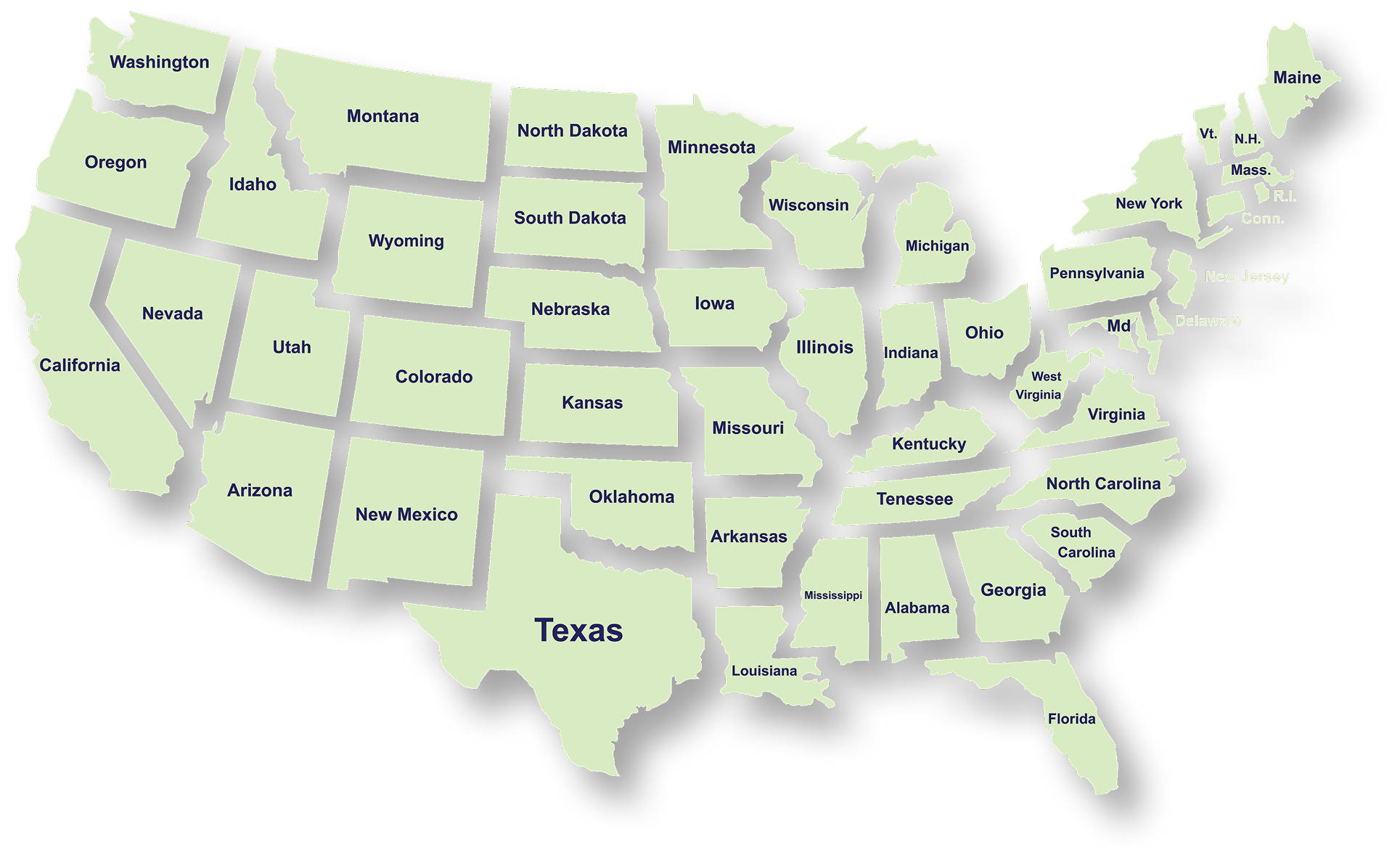
Serving Businesses & Individuals Across USA

We handle accounting, tax filing, and planning with defined timelines and accurate reporting for businesses and individuals across all states.

Frequently Asked Questions

What services does NR CPAs & Business Advisors provide?
What is tax planning and why is it important for businesses?
How can a Virtual CFO help my business?
When should a business consider IRS tax resolution services?
What financial statements does a business typically need?
How can startup advisory services help new businesses?
What is strategic business planning?
What is a Virtual Family Office and who can benefit from it?