Learning Center for Tax and Financial Insights

Stay updated with clear, actionable articles on tax rules, deadlines, deductions, and financial decisions that impact individuals and businesses.

No items found.

Unlocking Tax Deductions: Are Your Home Medical Modifications Eligible?

In the quest to ensure your home adapts to your medical needs, understanding which expenses qualify as tax-deductible can significantly impact your financial planning. Home modifications intended for medical care can often be claimed as deductions, provided they serve primarily a medical purpose. Such expenditures must be intricately tied to the diagnosis, cure, mitigation, treatment, or prevention of disease. The overarching criterion is that these changes are not mere home improvements or cosmetic enhancements but essential adjustments for medical reasons.

Explore More
No items found.

Decoding the 'One Big Beautiful Bill Act': What It Means for You

As the Tax Cuts and Jobs Act (TCJA) approaches its sunset, the introduction of the One Big Beautiful Bill Act (OBBBA) offers an intriguing outlook for taxpayers. Enacted to not only extend provisions from the TCJA but also to innovate within the current economic context, OBBBA seeks to provide continuity and enhancement where needed, especially for individuals and small businesses navigating complex financial landscapes.President Trump's signing of OBBBA on July 4th heralds significant shifts that could affect taxpayers in 2025 and beyond. Focusing on provisions directly impacting small businesses and family-oriented tax benefits, this overview excludes the corporate-specific changes to ensure clarity and relevance for individual taxpayers and entrepreneurs.Enhanced Individual Tax Rates: OBBBA continues the legacy of reduced tax rates beyond 2026, aiming to alleviate tax pressures for middle-income families while maintaining inflation-adjusted bracket adjustments.

Explore More
No items found.

Retired or Retiring? Tax Planning Strategies to Maximize Savings

Retirement was once seen as a time to disengage from financial concerns, especially from tax liabilities. However, in today’s financial landscape, retirement revolves significantly around strategic withdrawals, adept timing of income streams, and proactive tax planning to avoid costly mistakes.Surprisingly, many retirees unknowingly fall into tax traps during this stage of life.If retirement is on your horizon—or you're recently retired—understand this: Effective tax planning in retirement is as crucial as it was during your working years. In some cases, it's even more critical.Exploit the Mid-Year WindowWhile summer might not seem like tax planning season, it's the ideal time to:Adjust withdrawals ahead of year-end RMDsRebalance income sources to optimize tax efficiencyAvoid hidden income that triggers Medicare premium surchargesBy year's end, it’s often too late to rectify these matters.Addressing Frequent Retirement Tax Pitfalls1. Neglecting Timely RMDsIndividuals aged 73 and over must adhere to Required Minimum Distributions (RMDs) from IRAs and specific retirement plans. Failure to do so incurs penalties up to 25% of the required withdrawal amount.A strategic compliance plan is essential, even if actual financial need is absent.2. Prioritizing the Wrong Account WithdrawalsMany retirees prematurely tap into IRAs or 401(k)s, neglecting Roth IRAs. This sequence can inadvertently:Elevate you into higher tax bracketsTrigger Medicare surcharges (IRMAA)Forfeit tax-free growth opportunities

Explore More
No items found.

Will Your Business Thrive If You're Temporarily Away?

Let’s face it:You’ve got strategic plans for tax optimization,crafted a strategy for hiring,and sketched out your marketing roadmap.But what happens when life throws an unexpected challenge at you?What if illness strikes?What if a family member suddenly requires your immediate attention?What if a child faces a health crisis, burnout emerges, or the unforeseen simply arrives?Here’s an unspoken truth for many small business owners:You serve as the backbone of your business until circumstances say otherwise.Without a robust contingency plan, the consequences could be dire.Cash flow halts. Projects freeze. Clients might look elsewhere.All the while, emails flood your inbox as if the world hasn’t taken a pause.This Scenario Is Real, Not Exaggerated.Over the last year, we’ve witnessed scenarios where:A client faced hospitalization without a financial safety netNo individuals knew how to manage vendor accounts or process invoicesUrgent health issues arose, prompting rushed training on payroll managementRevenue was lost—not due to a lack of demand, but due to their absenceProactive Steps You Can Take—Now—to Safeguard Your Business1. Embrace Automation and Thorough DocumentationIs there clarity on who manages vendor payments?Is there a backup person to send an invoice if necessary?Are there written SOPs (standard operating procedures) for fundamental tasks?A shared Google Doc or a password manager can be pivotal in buying time and averting panic.2. Establish a Financial Cushion—This is Its PurposeEmergency reserves aren’t solely for personal emergencies.Having 3–6 months of essential business expenses—covering payroll, rent, software, etc.—can be vital when you need to press pause.Even if there's no surplus, extending payment cycles or reducing non-critical expenses can slowly build this buffer.

Explore More
No items found.

Navigating Job Loss: Tax Implications & Financial Strategies

Job loss can present complex financial and tax challenges that necessitate a well-informed approach. At our Coral Gables business advisory firm, we specialize in offering robust strategies for navigating these difficulties, including understanding the tax implications and available financial resources. This article delves into the nuances of taxable compensations, strategies to manage tax liabilities, and the support options available to alleviate financial stress during periods of unemployment. Taxable Severance and Unemployment Benefits Severance pay and unemployment benefits are crucial considerations after losing a job. Notably, severance pay is taxed as income in the year received, reflected on your Form W-2 from your employer. Unemployment benefits are also taxable; you have the option to withhold 10% for federal taxes using Form W-4V. It’s important to be aware that states have different tax regulations regarding unemployment income. Taxation of Accumulated Leave Payouts Payments for accumulated leave such as vacation or sick pay are categorized as wages upon job termination, reflected on your Form W-2. Ensuring accurate tax withholdings on these payments is imperative to sidestep unwelcome surprises during tax season. Handling W-2 Forms from a Bankrupt Employer Employers that declare bankruptcy are still mandated to provide Form W-2 by January's end for the prior tax year. The IRS can offer assistance in obtaining a substitute Form W-2 if not received. Meanwhile, maintaining thorough earnings records becomes essential. Gifts and Their Tax Implications In financially turbulent times, gifts from family or friends can offer relief. Fortunately, such gifts are generally non-taxable for the recipient. However, if income is generated from these gifts, taxes on that income must be paid. Accessing Retirement Funds: Weighing the Costs While dipping into retirement savings like a 401(k) or traditional IRA is usually possible when faced with job loss, it's critical to weigh the tax burden and the potential 10% early withdrawal penalty. There are exceptions to this penalty, such as paying unreimbursed medical expenses or funding higher education, which can provide some relief. Medical Expenses: Withdrawals for deductible unreimbursed medical expenses over 7.5% AGI are exempt. Service Separation: Post-age 55 withdrawals post-employment can be penalty-free. Health Insurance: Penalty-free withdrawals possible under specific health insurance payment conditions after an employment gap. Education Costs: Penalty waivers apply to withdrawals for eligible educational expenses. 60-Day Rollover: Rolling over withdrawn funds within 60 days avoids penalties.

Explore More
No items found.

Indiana's Tax Surge: Reviving the Spirit of Bootlegging

Indiana's latest cigarette tax hike channels the bootlegging era, not just reforming fiscal policy but reviving a heritage of clandestine commerce. As the state raises its per-pack price, lawmakers are instituting rigorous penalties reminiscent of Prohibition-era raids on moonshiners, targeting smuggling networks that recall historic crackdowns.The nostalgia is palpable, echoing the mid‑1930s' efforts to dismantle illicit beer and tobacco networks. Today, however, the strategy has shifted focus from hidden stills to multi-state highways, where consumers evade taxes by venturing across borders to access lower-priced products.States like Kentucky and Tennessee provide cautionary examples. Kentucky’s very low cigarette tax—a mere 10 cents per pack versus Indiana’s $1—makes it a prime hotspot for smuggling, with cigarette smuggling routes stretching far beyond its borders. Tennessee similarly witnessed a rise in illegal cigarette dens post-tax hikes mirrored after so-called "beer flats."Yet, the scenario offers deeper insights. A 2018 analysis by Johns Hopkins shows that states like Indiana could enjoy significant revenue boosts despite elevated taxes. After Indiana's 2007 tax increase from 55¢ to 99.5¢ per pack, its revenue jumped a striking 43% within a year, even as adjoining states recorded moderate decreases.Comprehensive Enforcement: Indiana's Legal OverhaulFrom July 1, Indiana's cigarette tax nearly triples, paired with robust enforcement measures:Outlawing large-scale out-of-state purchases, converting bulk operations into felonious offenses.Strengthening task forces—such as Excise and state police—to oversee shipments, focusing on toll booths and storage facilities.Surprise audits of wholesalers and retailers to seize counterfeit tax stamps.Anticipated revenue impact: $290 million annually, directed for public health initiatives.Cross-Border Challenges & Systemic GapsHowever, enforcement remains critical. Indiana's closeness to low-tax regions like Kentucky predisposes it to illicit trade. The Tax Foundation's report identifies Indiana among states with heightened smuggling risks post-tax increases, warning of pervasive gray markets and border-purchasing activities.Ohio, with its relatively modest cigarette tax and expansive highway network, also poses a concern. The 2024 Mackinac Center study projects nearly 12% of cigarettes consumed in Indiana will originate from external purchases following the tax change.Case Studies: Illinois & New York StrategiesIllinois:Illinois elevated taxes on nicotine products to 45% of wholesale, amplifying smuggling risks.Approximately 30% of cigarettes are reportedly smuggled across state lines.The state enforces steep fines against unstamped packs—$20–$25 per package—and intensified restrictions on high-volume shipments post-2019 tax elevation.

Explore More
No results found.
Thank you! Your submission has been received!
Oops! Something went wrong while submitting the form.

Want tax & accounting tips & insights?Sign up for our newsletter.

Thank you! Your submission has been received!
Oops! Something went wrong while submitting the form.

Why Work With Us?

We combine deep tax expertise, financial strategy, and practical business insight to help you manage complexity, stay compliant, and make confident financial decisions.
A dollar sign, representing financial advice or discussion at NR CPAs & Business Advisors.

Experienced CPA and Enrolled Agent Leadership

Guidance led by licensed professionals with deep expertise in tax strategy, compliance, and complex financial matters.
White bar chart with an upward arrow on green circular background representing growth or progress at NR CPAs &. Business Advisors

Support for Growing Businesses and Startups

We understand the financial challenges of growth stage businesses and provide structured guidance to support expansion.
A white hand holding a dollar symbol and ascending bar chart on a green circular background representing financial growth or investment at NR CPAs & Business Advisors..

Strategic Financial Advisory

Our team helps you evaluate financial decisions with greater clarity, supported by practical insights and long term planning.

Fractional CFO Support

Access experienced financial leadership without the commitment and cost of hiring a full time Chief Financial Officer.

Proactive Tax Planning Approach

We focus on identifying tax opportunities throughout the year rather than reacting only during filing season.

Clear and Reliable Financial Reporting

Accurate financial statements and reporting that help you better understand performance and make informed decisions.
White IRS building icon with pillars and a dollar sign above on a green circular background.

Professional IRS Representation

Experienced support in resolving IRS notices, disputes, and compliance matters while protecting your financial interests.

Personalized Client Focus

Every client receives thoughtful attention and tailored financial solutions based on their specific needs and business goals.
Financial matters often involve important decisions. Working with experienced advisors can help you approach them with greater clarity and confidence in your choices.

Need Help With Your Tax or Financial Decisions?

Discuss your situation with our advisors to get clear guidance on tax planning, IRS matters, and the financial decisions ahead.
Business consulting at NR CPAs & Business Advisors.

Request Your Consultation

Fill out the form to discuss your tax concerns, financial questions, or advisory needs with our team. We will review your details and respond shortly.

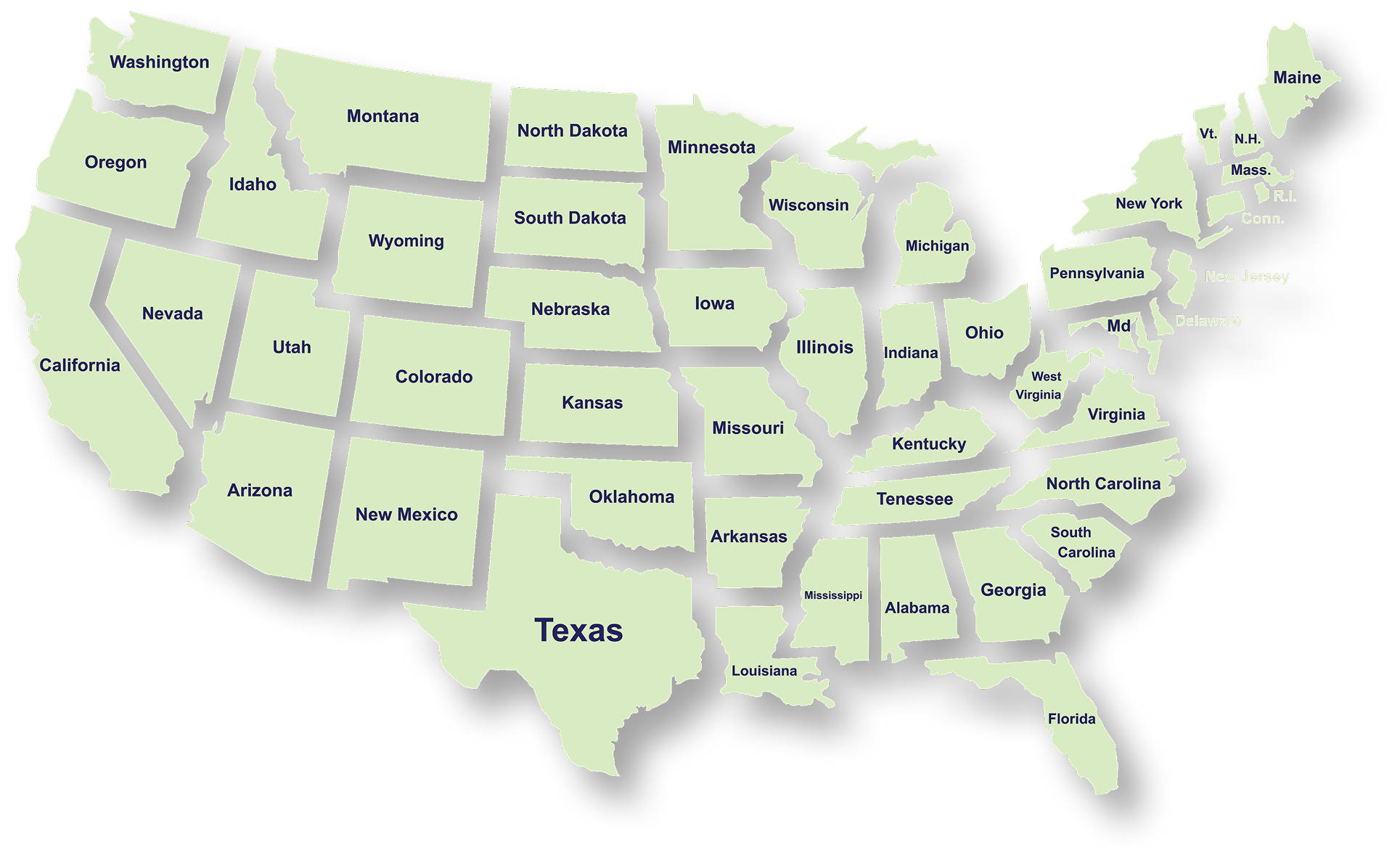
Serving Businesses & Individuals Across USA

We handle accounting, tax filing, and planning with defined timelines and accurate reporting for businesses and individuals across all states.

Frequently Asked Questions

What services does NR CPAs & Business Advisors provide?
What is tax planning and why is it important for businesses?
How can a Virtual CFO help my business?
When should a business consider IRS tax resolution services?
What financial statements does a business typically need?
How can startup advisory services help new businesses?
What is strategic business planning?
What is a Virtual Family Office and who can benefit from it?