Learning Center for Tax and Financial Insights

Stay updated with clear, actionable articles on tax rules, deadlines, deductions, and financial decisions that impact individuals and businesses.

No items found.

W-2 by Day, Wedding Photographer by Weekend? Don’t Let Your Side Hustle Become a Tax Nightmare

Explore More
No items found.

$5 Billion Federal School Voucher Plan Advances, But Faces Steep Opposition in Senate

On May 22, 2025, the U.S. House of Representatives narrowly passed the "One Big Beautiful Bill Act," a comprehensive tax and spending package central to President Donald Trump's legislative agenda. The bill passed with a 215-214 vote, reflecting deep divisions within Congress. It now advances to the Senate for further consideration.The legislation aims to make permanent the tax cuts enacted during Trump's first term and introduces new tax reductions, including exemptions on tips and overtime pay. It also proposes significant changes to social programs, such as imposing stricter work requirements for Medicaid and the Supplemental Nutrition Assistance Program (SNAP), and eliminating certain clean energy tax credits. Additionally, the bill allocates substantial funds to border security and defense spending.How the Proposed Voucher Program Would WorkThe initiative seeks to create a $5 billion annual program utilizing the federal tax code to encourage donations to Scholarship Granting Organizations (SGOs). Individuals who contribute to these SGOs would receive a dollar-for-dollar federal tax credit, making this incentive more generous than those for other charitable donations. Per NPR, the SGOs would then distribute the funds as scholarships to families, which could be used for various educational expenses, including private school tuition, textbooks, and homeschooling costs.Senator Bill Cassidy (R-La.), a proponent of the bill, stated, "Giving parents the ability to choose the best education for their child makes the American Dream possible."Support and OppositionSupporters argue that the proposal empowers families, particularly those in low-performing school districts, by offering educational alternatives. They view it as a means to promote "education freedom" and provide parents with more control over their children's education.

Explore More
No items found.

Video Tips: Who Will Watch Your Kids This Summer Break?

A tax credit is available to some taxpayers for the expenses they incur for the care of a child, spouse, or other dependent while the taxpayer is gainfully employed (or is job-seeking). If married, both spouses must work unless one is disabled or a full-time student. Watch this video for the tax credits you can benefit from as parents this summer break.

Explore More
No items found.

Congress Is About to Terminate Environmental Tax Credits. Taxpayers Need to Act Quickly to Qualify

The legislative landscape of environmental tax credits may soon change significantly, as "The One, Big, Beautiful Bill" awaits Senate approval following its passage by the House of Representatives on May 22, 2025. This proposed legislation aims to sunset several critical environmental tax credits by December 31, 2025, instead of the original end date of December 31, 2032. Although not yet law, the bill’s passing in the Senate could mean an expedited deadline for those considering investments in environmentally friendly projects. Taxpayers are therefore urged to act swiftly if they are considering any of these opportunities.Comprehensive Overview of Key Tax Credits:Previously Owned Clean Vehicle Credit: Here is a brief overview of the qualifications for the Previously Owned Clean Vehicle Credit. The vehicle must have a model year that is at least two years older than the calendar year in which you acquire the vehicle. The original use of the vehicle must have begun with someone other than you, meaning that it must have been previously owned. The sales price of the vehicle must not exceed $25,000. The vehicle must be purchased from a dealer, and the transfer must be the first since August 16, 2022, to an individual eligible to claim the credit. The vehicle must be propelled to a significant extent by an electric motor drawing electricity from a battery with a capacity of at least 7 kilowatt hours, which is capable of being recharged from an external source of electricity. The vehicle must have a gross vehicle weight rating (GVWR) of less than 14,000 pounds.1. Tax Benefit: Credit of the Lesser of $4,000 or 30% of the sale price.2. Buyer Income Limitations: $75,000 for single filers, $112,500 for head of household, and $150,000 for joint filers.3. Credit Expiration: December 31, 2025New Clean Vehicle Credit: Here is a brief overview of the qualifications for the Clean Vehicle Credit. Vehicles must be manufactured by qualified manufacturers who report vehicle identification numbers (VINs) and relevant information to the IRS. The dealer must provide necessary documentation to the buyer and the IRS, including the buyer’s name, taxpayer identification number (TIN), VIN, battery capacity, and confirmation of original use. Ownership of the vehicle is required (lessors are eligible, but not lessees). The vehicle must be placed in service during the tax year, and the original use must begin with the buyer. The vehicle must be acquired for personal use or leasing, not for resale. Primary use must be in the United States.1. Tax Benefit: Credit of $7,500 or $3,7502. Buyer Income Limitations (MAGI): $150,000 for individuals, $300,000 for married couples filing jointly, and $225,000 for heads of household.3. Expiration Change: December 31, 2025Energy Efficient Home Improvement Credit: Here is a brief overview of the qualifications and improvements that qualify for the Energy Efficient Home Improvement Credit. The credit is applicable to homeowners who make energy-efficient improvements to their main home, which must be in the United States. New construction is not eligible for this credit. The overall annual limit on the Energy Efficient Home Improvement Credit is set at $1,200, which applies to the total amount for all qualifying improvements within a single tax year. There are specific per-item and aggregate annual credit limits; for example, individual items such as doors, windows, and air conditioning systems each have specific maximum credit limits. Qualified improvements include:Insulation: Installation of insulation materials designed to reduce heat loss or gain qualifies for the credit.Exterior Doors and Windows: Doors and windows meeting Energy Star program requirements are eligible, subject to credit limits.Roofs: Metal or asphalt roofs designed to reduce heat gain may qualify.Heating and Cooling Systems: Includes improvements like high-efficiency central air conditioners and air-source heat pumps.Water Heaters: Qualifying hot water boilers and furnaces using natural gas, propane, or oil, along with qualified heat pumps, are covered.Advanced Main Air Circulating Fans: These fans used in natural gas, propane, or oil furnaces, can qualify for a limited credit amount.1. Tax Benefit: 30% of qualified expenditures, $1,200 cap annually (up to $2,000 for heat pumps and biomass stoves).2. Buyer Income Limitations (MAGI): None.3. Expiration Change: December 31, 2025, 100% project completion and possible inspection by deadline required.

Explore More
No items found.

Navigating IRS Penalty Abatement

Explore More
No items found.

Summer Hiring? Here’s How to Handle Seasonal Workers, Interns, and Payroll Compliance Without the Headache

Hiring for the summer?That’s exciting—until the IRS gets involved.While onboarding interns or part-time help sounds simple enough, summer hiring is one of the most common ways small business owners get tripped up on payroll, compliance, and classification.And yes, even a single misstep—like putting a W-2 employee on a 1099 “just for the summer”—can cost you big.Let’s Clear This Up: Not Everyone’s a ContractorYou’re not alone if you’ve ever said:“We’re just paying them a flat rate—it’s easier that way.”“They’re only here for 10 weeks.”“They’re a student; it’s not really a job-job.”Here’s the hard truth:If you control when, where, and how someone works—you’re probably supposed to issue a W-2.The IRS doesn’t care if it’s part-time, seasonal, freelance, or “just a favor.” If they look like an employee, they are one—and they want to see payroll taxes, not contractor payments.Need the official word? See IRS guidelines on worker classification Interns? Yes, They Usually Count Too.Many businesses think unpaid internships are a gray area. But unless it’s tied to a formal educational program with no expectation of compensation, the Department of Labor may classify your intern as an employee.That means:Minimum wage laws applyYou may owe payroll taxesWorkers’ comp coverage could be requiredRule of thumb: If they’re contributing to your business, they probably need to be on payroll.Don’t Miss Out on This: The Work Opportunity Tax Credit (WOTC)Here’s some good news: If you’re hiring people from certain target groups—like veterans, long-term unemployed, or summer youth employees—you might qualify for the WOTC, which can reduce your federal income tax liability by up to $2,400 per qualifying hire.

Explore More
No results found.
Thank you! Your submission has been received!
Oops! Something went wrong while submitting the form.

Want tax & accounting tips & insights?Sign up for our newsletter.

Thank you! Your submission has been received!
Oops! Something went wrong while submitting the form.

Why Work With Us?

We combine deep tax expertise, financial strategy, and practical business insight to help you manage complexity, stay compliant, and make confident financial decisions.
A dollar sign, representing financial advice or discussion at NR CPAs & Business Advisors.

Experienced CPA and Enrolled Agent Leadership

Guidance led by licensed professionals with deep expertise in tax strategy, compliance, and complex financial matters.
White bar chart with an upward arrow on green circular background representing growth or progress at NR CPAs &. Business Advisors

Support for Growing Businesses and Startups

We understand the financial challenges of growth stage businesses and provide structured guidance to support expansion.
A white hand holding a dollar symbol and ascending bar chart on a green circular background representing financial growth or investment at NR CPAs & Business Advisors..

Strategic Financial Advisory

Our team helps you evaluate financial decisions with greater clarity, supported by practical insights and long term planning.

Fractional CFO Support

Access experienced financial leadership without the commitment and cost of hiring a full time Chief Financial Officer.

Proactive Tax Planning Approach

We focus on identifying tax opportunities throughout the year rather than reacting only during filing season.

Clear and Reliable Financial Reporting

Accurate financial statements and reporting that help you better understand performance and make informed decisions.
White IRS building icon with pillars and a dollar sign above on a green circular background.

Professional IRS Representation

Experienced support in resolving IRS notices, disputes, and compliance matters while protecting your financial interests.

Personalized Client Focus

Every client receives thoughtful attention and tailored financial solutions based on their specific needs and business goals.
Financial matters often involve important decisions. Working with experienced advisors can help you approach them with greater clarity and confidence in your choices.

Need Help With Your Tax or Financial Decisions?

Discuss your situation with our advisors to get clear guidance on tax planning, IRS matters, and the financial decisions ahead.
Business consulting at NR CPAs & Business Advisors.

Request Your Consultation

Fill out the form to discuss your tax concerns, financial questions, or advisory needs with our team. We will review your details and respond shortly.

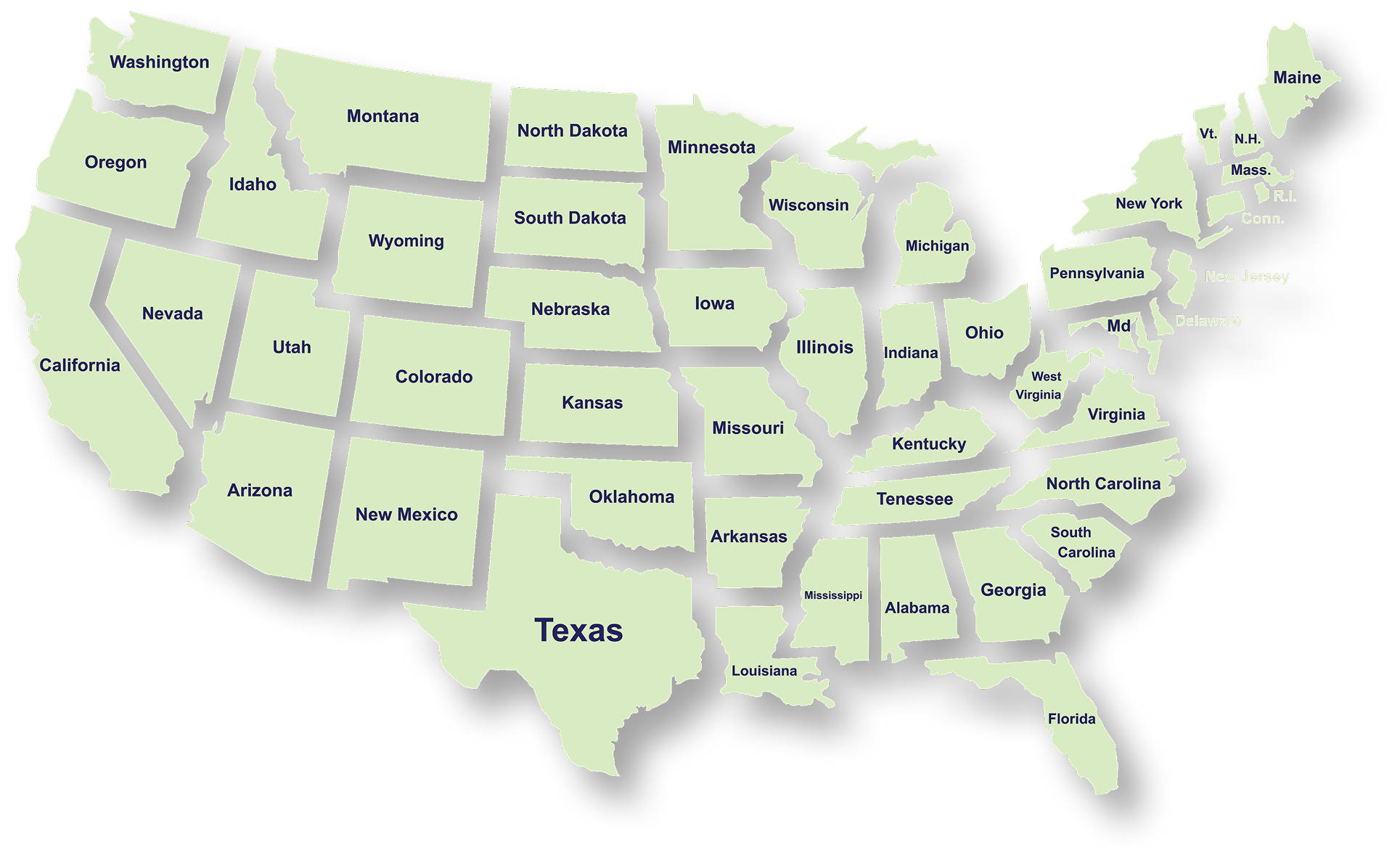
Serving Businesses & Individuals Across USA

We handle accounting, tax filing, and planning with defined timelines and accurate reporting for businesses and individuals across all states.

Frequently Asked Questions

What services does NR CPAs & Business Advisors provide?
What is tax planning and why is it important for businesses?
How can a Virtual CFO help my business?
When should a business consider IRS tax resolution services?
What financial statements does a business typically need?
How can startup advisory services help new businesses?
What is strategic business planning?
What is a Virtual Family Office and who can benefit from it?