Learning Center for Tax and Financial Insights

Stay updated with clear, actionable articles on tax rules, deadlines, deductions, and financial decisions that impact individuals and businesses.

No items found.

The IRS Is Hot on the Trail of Unreported Virtual Currency Transactions

Article Highlights: Coinbase Disclosure IRS Compliance Letters New 1040 Question Reporting under Penalty of Perjury Treated as Property Employee Payments Independent Contractor Income Information Reporting New IRS Guidance Back in 2018, Coinbase, a company handling virtual currency (also referred to as cryptocurrency) transactions, released the data of 14,000 of its users to the IRS after the information was subpoenaed, and virtual currency traders held their breath about what the IRS would do with the information related to those 14,000 users. Although it took some time, after analyzing the Coinbase data, the IRS recently issued letters to more than 10,000 taxpayers whom they suspect have not been properly reporting their virtual currency transactions, and not all of the letters were the same. In fact, one letter was quite frightening. The following is a synopsis of each of the three letters: Letter 6173 – This letter required a response from the taxpayer, by either providing a statement to the IRS that they have already complied with the required reporting or by filing a return that reports their virtual currency transactions. For situations in which the taxpayer had already filed a return but had left off the virtual currency transactions, they will need to file an amended return (Form 1040X). Taxpayers who have received this letter and ignored it may face a full-blown audit by the IRS and could be subject to substantial penalties. Letter 6174 – This was a “soft notice” that did not require a response, and the IRS says it won’t be following up on it. However, the notice also warns that the taxpayer will be in hot water if they had virtual currency gains and fail to amend their return or continue to be noncompliant on future returns despite receiving the letter. Letter 6174-A – The taxpayer isn’t required to respond to the letter but does need to correct their prior returns in which virtual currency transactions were omitted. The IRS warns of future enforcement action if the taxpayer doesn’t amend their return(s) or file their delinquent returns. After receiving the letter, the taxpayer can’t use an excuse of not knowing the law for failing to report their virtual currency gains. Of course, Coinbase is not the only company handling virtual currency transactions, so others are not on the IRS’s radar – at least, not yet. The draft of the 2019 Form 1040 tax return was recently released, and it includes a new question… “At any time during 2019, did you receive, sell, send, exchange, or otherwise acquire any financial interest in any virtually currency? Yes or No.” And for those who have not read the fine print in the signature area of the 1040, it reads as follows: “Under penalties of perjury, I declare that I have examined this return and accompanying schedules and statements, and to the best of my knowledge and belief, they are true, correct, and complete.” Those taxpayers who have virtual currency transactions and fail to answer the question or answer it “no” have committed perjury and can be subject to some very serious penalties. As you can see, the IRS is definitely ramping up its compliance efforts. Virtual currency is treated as property, so whenever it is sold, traded, or used to pay for services or to make a purchase, it constitutes a reportable tax transaction, just like selling a stock, where a gain or loss must be determined for each transaction.

Explore More
No items found.

Tax Changes For 2019

Article Highlights: Medical Threshold Electric Vehicle Credit Phaseout Alimony Finalization of State- and Local-Tax Deduction Limitation Penalty for Not Being Insured Qualified Opportunity Funds Seniors’ Special Tax Form Family and Medical Leave Credit Inflation Adjustments Form W-4 Revision As the end of the year approaches, now is a good time to review the various changes that impact 2019 tax returns. Some of the changes are likely to apply to your tax situation. In addition, be aware that various tax-related bills currently in Congress may or may not pass this year. If any of them do pass, we will quickly get the details to you. Medical Threshold – Medical expenses are deductible as itemized deductions only if the total medical expenses for the tax year exceed a specified percentage of a taxpayer’s income. After dropping to 7.5% for 2017 and 2018, this threshold reverts to 10% for 2019. As a result, any medical expenses from 2019 are deductible only to the extent that they exceed 10% of a taxpayer’s adjusted gross income for the year. Electric Vehicle Credit Phaseout – As an incentive to get taxpayers to move away from conventional-fuel (gasoline or diesel) vehicles, Congress has provided tax credits of up to $7,500 for the purchase of plug-in electric vehicles. However, Congress’s rules limit the full credit to the first 200,000 vehicles sold by a given manufacturer. Once a company sells 200,000 qualifying vehicles, the credit begins to phase out for that company. Tesla, Chevrolet, and Cadillac have all reached the phaseout point. The table below shows the credits available depending upon the quarter when the vehicle is purchased. Vehicles Beginning Phaseout out 2019 Date Acquired>>>Vehicle Before 2019 Jan - Mar 2019 Apr - June 2019 July - Sept 2019 Oct - Dec 2019 Jan - Mar 2020 After Mar 2020 Tesla* $7,500 $3,750 $3,750 $1,875 $1,875 $0 $0 Chevrolet* $7,500 $7,500 $3,750 $3,750 $1,875 $1,875 $0 Cadillac* $7,500 $7,500 $3,750 $3,750 $1,875 $1,875 $0 *All qualifying models If a qualifying vehicle is used partiality for business, the credit is proportionally allocated between personal and business tax credits. The personal portion can only offset the individual’s current-year tax liability; any excess is lost. The business portion can be carried back for one year and then forward up to 20 years until it is used up; any credit remaining after the 20th year is lost. As a tip, please note that the credit limit is per vehicle, not per taxpayer, so individuals who make multiple purchases can receive multiple credits. Alimony – One delayed effect of the 2017 tax reform is that, the treatment of alimony changes for some individuals starting in 2019. For divorces or separations entered into before 2019, alimony payments continue to be deductible for the payer and taxable for the recipient; such payments also still qualify as earned income for purposes of the recipient’s qualification for an IRA deduction. For divorces or separations executed after December 31, 2018, alimony payments are no longer deductible for the payer. In addition, for the recipient, they are no longer taxable income and do not count as earned income for the purposes of IRA deduction. Divorces or separations entered into before 2019 continue to follow the pre-2019 rules unless they have been modified after December 31, 2018; in that case, the alimony payments are subject to the post-2018 rules if the modification expressly provides for this. Finalization of State- and Local-Tax Deduction Limitation – The 2017 tax reform limited the itemized deduction for state and local taxes (SALT) to $10,000 (or $5,000 for married individuals filing separately). This has adversely impacted taxpayers in high-tax states such as California, Connecticut, New Jersey, and New York. Elected officials in several states have attempted to work around this restriction by establishing (or proposing to establish) state charities. The idea is that taxpayers would make deductible contributions that, in return, would give them tax credits against their SALT equal to most of the value of the charitable contributions. Unfortunately, these officials have overlooked the 1986 U.S. Supreme Court ruling that, if a taxpayer receives something in return for a contribution (i.e., a quid pro quo), the contribution is not deductible. The final regulations generally reduce the charitable-contribution deduction by the amount of any SALT credit received. However, as an exception, if the credit does not exceed 15% of the contribution, the entire contribution is deductible. Penalty for Not Being Insured – The Tax Cuts and Jobs Act (tax-reform) that was enacted at the end of 2017 eliminated the Obamacare shared-responsibility payment, effective starting in 2019. Congress didn’t actually repeal this penalty; instead, it effectively repealed it by tweaking by setting zero values for both the percentage of household income used in the calculation and the flat dollar amount of the penalty. As a result, the amount of the penalty is always zero. However, keep in mind that the penalty could be restored in the future if the direction that the political winds are blowing changes. In addition, beginning in 2020, some states may pick up where the federal government left off and charge a penalty to residents without qualified health insurance coverage.

Explore More
Personal Finance

Here Are the Best Personal Finance Podcasts You May Not Know About

Even as recently as a decade ago, most people listened to their radio shows in the exact same way — on the actual radio. Fast forward to today, and the world of podcasting has absolutely exploded, changing the way we think about broadcasting for generations to come. One great thing about podcasting is that absolutely anyone can do it — all you really need is a microphone. Because of that, the format is filled with niche content aimed not at the biggest possible audience, but at smaller and far more passionate ones. Case in point: personal finance. Whether you’re a beginner or just want to stay up to date on all of those latest industry trends, there are a few key personal finance podcasts in particular that you will want to be aware of moving forward. So Money One of the great things about the So Money podcast is that it takes an inherently complicated topic — personal finance — and boils it down to its bare essentials so absolutely anyone can follow. The show is filled with interviews featuring entrepreneurs, financial authors, influencers and more — but it never gets too complicated to the point where it would keep anyone at arm’s length. This, coupled with the casual and candid tone, makes So Money a personal finance podcast that is great for beginners in particular. The College Investor Many people don’t realize just how important those immediate post-college years are for personal finance until it’s too late. But now, thankfully, there is an invaluable resource that new grads can turn to in their time of need — The College Investor podcast. As the name suggests, it’s a deep dive into absolutely everything you’ll need to know about this critical time — from creating your first budget that actually works to repaying student loans to finding gainful employment and much, much more. Smart Passive Income Everyone knows how hard it can often be to earn a living. But what you might not realize is that not all forms of income take as much day-to-day involvement as your current one. There are passive ways to earn a living, too — and that’s exactly what the Smart Passive Income podcast is all about. Making money as a blogger, for example, is definitely a viable option in the modern era. If you’re able to write content that resonates with people, you can sell ads on it — thus creating an income stream that itself will stand the test of time. That’s just one example of the many ways that people earn a passive income — all of which are discussed on the show. Others include email marketing, becoming a podcaster, affiliate marketing, and more. The Dave Ramsey Show One of the qualities that makes a podcast good ultimately comes down to the personality of the host. Yes, the content needs to be great, but if that personal flair isn’t there, each episode will ultimately be a chore to get through. One example of a show with the opposite of that problem is The Dave Ramsey Show, hosted by the radio host and best-selling author of the same name. He’s never one to mince words and always speaks his mind as he uses each episode to talk about topics that matter most to him, such as debt, investments, retirement, and even marriage. Planet Money Any savvy investor will tell you that if you really want to put your money to work for you, you need to understand as much about the economy as you can. That’s the ultimate goal behind Planet Money — the hit podcast that wants to help viewers boost their own financial power as much as possible. The thing that makes Planet Money so unique is that it mixes stories and conversations to break down not just the economy, but those elements that really affect each and every one of us on a daily basis. These are the types of things that many people don’t devote much thought to but that hold sway over our financial destiny all the same. Planet Money is produced by National Public Radio and is similar to a lot of their other content in many ways. Note that all of the aforementioned podcasts are available in all of your favorite podcasting apps, from Apple Podcasts to Google Podcasts and more. Looking for more ways to build success in your personal finances? Contact our office and let’s chat.

Explore More
No items found.

Helpful Tax Tips For 2019

Article Highlights: Education Credit Avoiding Underpayment Penalties Strategy Spouse IRA Strategy Qualified Charitable Distributions Medical Expenses Election to Deduct Start-Up Costs State and Local Tax (SALT) Deductions Electric Car Credit Alimony Heath Insurance Penalty Cryptocurrency Transactions Qualified Opportunity Funds Solar Credit As the year draws to a close, we have pulled together a number of tax tips that may be beneficial, some of which need to be acted before the end the of the year to be useful for 2019. Education Credit – Since the American Opportunity credit for higher education expenses is only allowed in the first four calendar years for each eligible student, taxpayers may benefit from prepaying the education expenses for an academic period beginning in the first three months of the next year. This is especially important when you consider that most students enter college in the last half of the first eligible tax (calendar) year and qualify for the credit with only half a year’s expenses during the first year. Working out a payment plan where the tuition is prepaid under the three-month rule in each of the eligible years would more evenly spread the tuition over the four years. Avoiding Underpayment Penalties Strategy – Most high-income taxpayers and those who might end up with higher-than-normal income because they are likely to receive extraordinary taxable income should consider paying 110% of their prior year’s tax to meet the safe harbor for avoiding an underpayment penalty. And then, no matter how much they end up owing for the year, they will not need to pay up until the April due date. However, this exception requires the prepayments to be made evenly and to be paid in a timely manner by quarter; underpayments generally can’t be made up later and still qualify for the safe harbor. But, since withholding is treated as being paid evenly throughout the year (unless the taxpayer elects actual withholding amounts), the estimated tax shortfall of the even-payments-by-quarter requirement can be made up by having extra withholding at the end of the year. Spousal IRA Strategy –If one spouse works and the other does not, tax law allows the non-working spouse to base his or her contribution to an IRA on the working spouse’s income. This tax benefit is frequently overlooked when spouses have been working and basing their individual contributions on their own income for years and then one of the spouses retires. Even if the working spouse has a pension plan at work and his or her income precludes making an IRA contribution, the non-working retired spouse can still make a contribution based on the working spouse’s income. However, be careful since traditional IRA contributions, both deductible and non-deductible, are not allowed in the year when an individual turns 70½ or any subsequent years. This restriction does not apply to Roth IRA contributions. Qualified Charitable Distributions – With the tax reform’s substantial increase in the standard deduction, many taxpayers no longer itemize their deductions and thus get no tax benefit from making charitable contributions. However, individuals age 70½ or older—who must withdraw annual required minimum distributions (RMDs) from their IRAs—can annually transfer up to $100,000 from their IRAs to qualified charities. Here is how this provision, if utilized, works: (1) The IRA distribution is excluded from income; (2) The distribution counts toward the taxpayer’s RMD for the year; and (3) The distribution does NOT count as a charitable contribution deduction. At first glance, this may not appear to provide a tax benefit. However, by excluding the distribution, a taxpayer lowers his or her adjusted gross income (AGI), which helps for other tax breaks (or punishments) that are pegged at AGI levels, such as medical expenses when itemizing deductions, passive losses, and taxable Social Security income. In addition, non-itemizers essentially receive the benefit of a charitable contribution to offset the IRA distribution.

Explore More
No items found.

Tips to Avoid 2019 Tax Penalties

Article Highlights: Underpayment Penalties Withholding Under-distribution Penalty Required Minimum Distributions IRA-to-Charity Distributions The holiday season is upon us, complete with family gatherings, over-indulging in food and beverages, and gift shopping and giving, and the last thing most of us want to think about right now is what faces us after the New Year is rung in: tax season! But taking some time now to get in the tax-season spirit may help you to avoid or reduce certain penalties on your 2019 tax return. Underpayment Penalty – Have you prepaid enough taxes to cover your 2019 liability? If you are an employee, you will have had income tax withheld from your paychecks, but has that withholding been sufficient? This is an especially important question if you have a second job or a side business, or if you are married and your spouse is also employed. Many times in these circumstances, your withholding for the year may not be enough to cover your 2019 tax liability. Further complicating the issue is that many individuals still haven’t adjusted their withholding with their employers to account for the numerous tax reform changes, which mostly became effective starting in 2018. You will be hit with an underpayment penalty if your advance payments toward your 2019 tax liability, through withholding and estimated tax payments, are less than 90% of your 2019 tax or 100% (110% for high-income taxpayers) of your 2018 tax. But the good news is there is no penalty if you owe less than $1,000 in tax. When the underpayment penalty does apply, it is figured on a quarterly basis, so making an estimated tax payment late in the year will not reduce the penalties from earlier periods. However, wage withholding is treated as being paid evenly throughout the year, allowing you to mitigate underpayments earlier in the year by increasing your withholding late in the year. Does your state have an income tax? If so, then also be sure to adjust your state income tax withholding, if needed, to offset under-withholding earlier in the year to avoid or reduce a state underpayment penalty. Under-Distribution Penalty – Tax law doesn’t allow money to indefinitely remain untaxed in your traditional IRA, a self-employed retirement plan, or your employer’s qualified plan. Thus, you are required to annually withdraw a minimum amount from the IRA or plan (referred to as the minimum required distribution or RMD) once you reach 70 1/2 years of age*. Did you turn age 70 1/2 in 2019 or reach 70 1/2 in an earlier year? If so, and if you haven’t already, be sure to take your RMD for 2019 or face a potential penalty (additional tax) equal to a whopping 50% of the amount you should have withdrawn for 2019. The minimum distribution for any year is based upon an annuity factor for your age divided into your account balance on December 31 of the prior year. Most IRA custodians or trustees will advise their clients of the RMD for the specific accounts they oversee, but if you need help figuring out your RMD amount, especially if you have multiple accounts, please call this office for assistance.

Explore More
No items found.

Repairing Your Business’s Bad Credit Score

The creditworthiness of your business is measured by its credit score. This number is issued by Dun & Bradstreet, Experian, Equifax, and FICO SBSS, and is an essential reflection of your company’s payment reliability and timeliness. Why is Your Business Credit Score Important? Your company’s overall financial health is of key importance to any lenders, creditors, and trade partners with whom you wish to do business. Those partners need to be able to trust in your ability to provide the good or services that you are promising: to pay back any loans you may apply for. Your financial health can also be a determination of the terms that you are able to negotiate with lenders. Ultimately, your business credit score is the main way third parties can measure your company’s financial health. It’s typically used by lenders, creditors, and trade partners during various business transactions, such as applying for business loans, leasing, winning contracts, doing business with vendors or suppliers, obtaining net terms with trade partners, and even getting better interest and payment rates for instruments such as business contracts and mortgages. Businesses in possession of strong credit scores have a much better chance of obtaining the capital that they need to grow compared to those with weak credit scores. Many lenders have minimum credit score requirements in place, and businesses that cannot meet that threshold will be unable to secure the loan that they seek. Even if your business has a credit score that exceeds that threshold, the stronger your credit score, the more advantageous the interest rate or repayment terms you are likely to have extended to you. Business credit scores are also used as a gauge by suppliers and others who will need to rely on you to pay them in a timely manner. Vendors, landlords, and other stakeholders with whom you will have a financial relationship will look to your past performance with others as an indication of how you are likely to treat them. Have a weak credit score? Even if these trade partners agree to do business with you, they are likely to include terms that will protect their own interests and be less advantageous to you. How to Interpret Business Credit Scores Unlike personal FICO credit scores which can reach as high as 850, business credit scores generally only go as high as 100, and can fall as low as 0. As is true in so many other types of grading systems, the higher the score, the better the credit rating is considered to be, though different credit rating agencies have different levels at which they bestow the value judgment of being “good.” For Equifax a credit score of 90 or above is considered good while Experian considers 7 or above good. Dun & Broadstreet bestows the term “good” on scores of 80 or above, while FICO SBSS (whose highest scoring ranges well above 100) considers a score of 140 or more a good rating. The higher a business’s credit score, the better their chance of obtaining loans or positive trade terms with vendors and suppliers. This is because the high score reflects a history of making payments on a timely basis rather than being late or delinquent. Can You Fix A Bad/Thin Business Credit Score? Having a low business credit score can be a reflection of several possible factors, including having filed for bankruptcy, having liens against your business, having a poor repayment history filled with delinquent payments or non-payments. In addition to having a bad score, businesses that don’t have a significant history of payments have credit scores that are termed “thin.” When you’re applying for a loan, having either a bad business credit score or a thin credit score can work against you. Lenders are unlikely to provide advantageous terms to businesses with a poor history of repayment, and even if your business is simply new and doesn’t have much of a record of either timely payments or delinquencies, many lenders will be hard pressed to take a leap of faith on you. Whichever situation you find yourself in, it will be well worth your time to either build a credit history or repair your poor credit. There are ways to do both. Here are several steps you can take that can have a significant impact. 1. Keep your Business and Personal Finances Separate You are not your business and your business is not you. Therefore, you should keep separate accounts for your company and for your personal use. Doing so will not only help you keep track of transactions and obligations for each, but will also help prevent any mistakes that you make (i.e. delinquent payments) from affecting either your business credit score or your personal credit score. 2. Don’t Fall Behind On Your Bills When your business makes a purchase or agrees to pay for a service, holding up your end of the bargain and paying in full (and on time) reflects on your business in a number of ways. Early payments will boost your credit score and be welcomed by trade partners, while delinquent payments will negatively impact your business’s credit score and have a negative impact on your reputation in general. 3. Develop A Strong Relationship With Your Vendors Keep in mind that your vendors and suppliers are the ones who report on-time or early payments to the credit bureaus as well as late payments. The better your business relationship with those partners, the more likely that they will report your positive actions and the less likely that they will report delinquencies. 4. Maintain a Low Credit Utilization Ratio Building credit as a business is done in much the same way as building personal credit: by establishing a history. One of the fastest ways to build a positive business credit report and score is to obtain a business credit card; however, use it sparingly and stay below 33% of your available credit. 5. Keep Your Eye on Your Numbers Credit reports change constantly, and it is essential that you keep your eye on it to make sure that it is an accurate reflection of your payment history. If you find a mistake you should act quickly to dispute the error within the framework provided by the bureau that is publishing the mistake. 6. Add More Credit Options Businesses that have either thin or bad credit can build their reputation by establishing additional lines of credit through a secured business credit card. These vehicles are backed by a deposit, making them easy to get and an excellent way to improve your business’s history (as long as you make your payments promptly). Positive Credit Scores for Future Success Having a solid, positive credit score for your business is more than just a report card. It is what can make the difference in your company’s future opportunities for growth. A business’s credit report should be nurtured, and this can be done by remaining organized and dedicated to making on-time or early payments, but for those who have made mistakes, it is not too late to repair and rebuild.

Explore More
No results found.
Thank you! Your submission has been received!
Oops! Something went wrong while submitting the form.

Want tax & accounting tips & insights?Sign up for our newsletter.

Thank you! Your submission has been received!
Oops! Something went wrong while submitting the form.

Why Work With Us?

We combine deep tax expertise, financial strategy, and practical business insight to help you manage complexity, stay compliant, and make confident financial decisions.
A dollar sign, representing financial advice or discussion at NR CPAs & Business Advisors.

Experienced CPA and Enrolled Agent Leadership

Guidance led by licensed professionals with deep expertise in tax strategy, compliance, and complex financial matters.
White bar chart with an upward arrow on green circular background representing growth or progress at NR CPAs &. Business Advisors

Support for Growing Businesses and Startups

We understand the financial challenges of growth stage businesses and provide structured guidance to support expansion.
A white hand holding a dollar symbol and ascending bar chart on a green circular background representing financial growth or investment at NR CPAs & Business Advisors..

Strategic Financial Advisory

Our team helps you evaluate financial decisions with greater clarity, supported by practical insights and long term planning.

Fractional CFO Support

Access experienced financial leadership without the commitment and cost of hiring a full time Chief Financial Officer.

Proactive Tax Planning Approach

We focus on identifying tax opportunities throughout the year rather than reacting only during filing season.

Clear and Reliable Financial Reporting

Accurate financial statements and reporting that help you better understand performance and make informed decisions.
White IRS building icon with pillars and a dollar sign above on a green circular background.

Professional IRS Representation

Experienced support in resolving IRS notices, disputes, and compliance matters while protecting your financial interests.

Personalized Client Focus

Every client receives thoughtful attention and tailored financial solutions based on their specific needs and business goals.
Financial matters often involve important decisions. Working with experienced advisors can help you approach them with greater clarity and confidence in your choices.

Need Help With Your Tax or Financial Decisions?

Discuss your situation with our advisors to get clear guidance on tax planning, IRS matters, and the financial decisions ahead.
Business consulting at NR CPAs & Business Advisors.

Request Your Consultation

Fill out the form to discuss your tax concerns, financial questions, or advisory needs with our team. We will review your details and respond shortly.

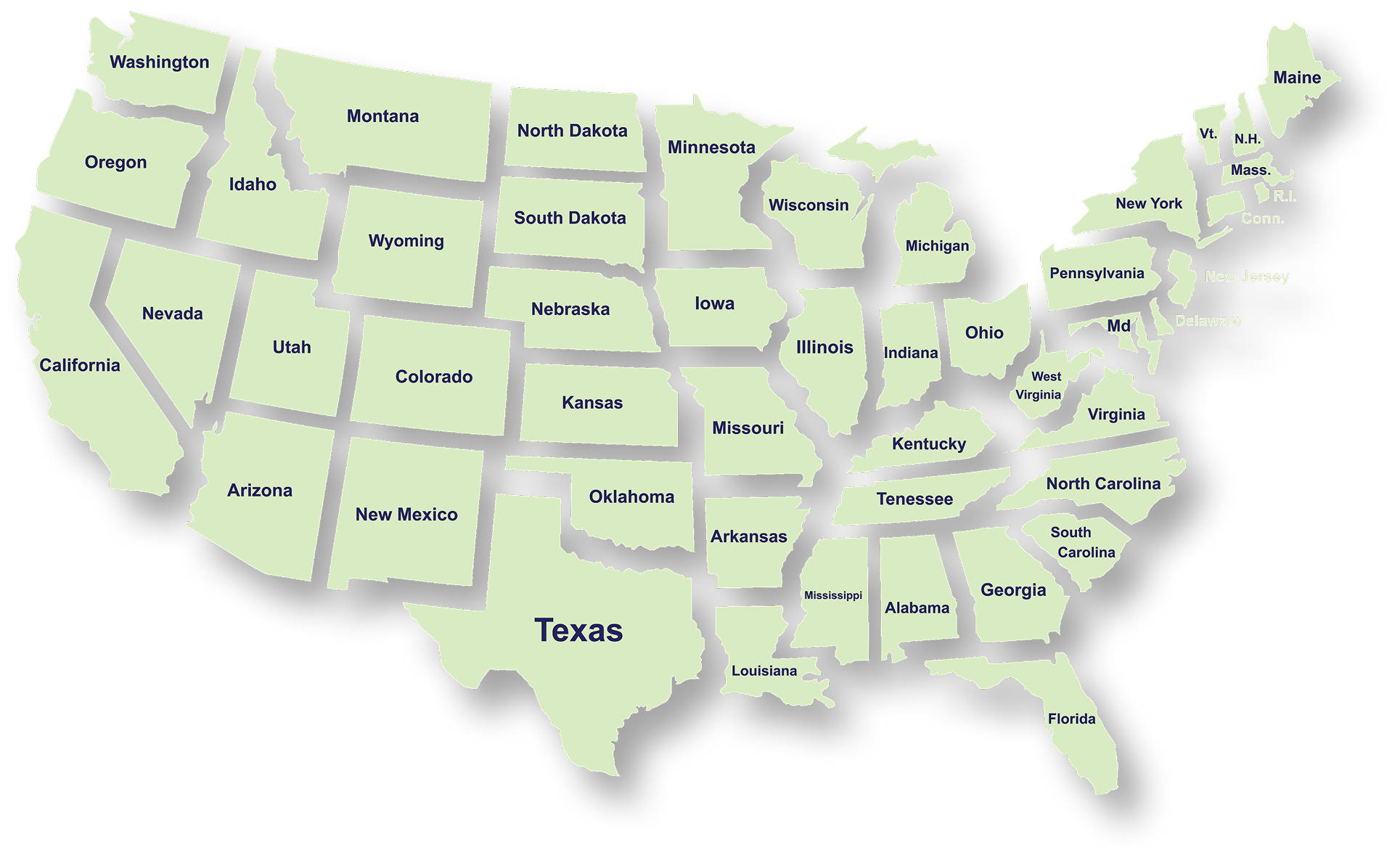
Serving Businesses & Individuals Across USA

We handle accounting, tax filing, and planning with defined timelines and accurate reporting for businesses and individuals across all states.

Frequently Asked Questions

What services does NR CPAs & Business Advisors provide?
What is tax planning and why is it important for businesses?
How can a Virtual CFO help my business?
When should a business consider IRS tax resolution services?
What financial statements does a business typically need?
How can startup advisory services help new businesses?
What is strategic business planning?
What is a Virtual Family Office and who can benefit from it?