Learning Center for Tax and Financial Insights

Stay updated with clear, actionable articles on tax rules, deadlines, deductions, and financial decisions that impact individuals and businesses.

No items found.

IRS Unveils Top Tax Scams and Threats to Watch For

The Internal Revenue Service (IRS) has released its annual "Dirty Dozen" list of tax scams for 2025, cautioning taxpayers, businesses, and tax professionals to remain vigilant against prevalent schemes that endanger their tax and financial data. These fraudulent tactics, which range from phishing email schemes to deceptive tax credits, tend to surge during the tax filing season as individuals prepare their tax returns. However, they can occur year-round as fraudsters continuously seek opportunities to illicitly obtain money, personal information, and data.The "Dirty Dozen" campaign features 12 scams and schemes that pose significant threats to taxpayers. While it is not a legal document or a formal list of enforcement priorities, this educational initiative aims to increase awareness and shield taxpayers and tax professionals from prevalent tax scams and fraudulent activities.Scammers persistently exploit the tax season to deceive taxpayers into various traps, which can result in identity theft or mislead individuals into claiming undeserved tax credits. For over two decades, the IRS has emphasized the "Dirty Dozen" through extensive communication and educational outreach as part of a broader mission to safeguard taxpayers from fraud.Together with efforts from the Security Summit, the IRS has collaborated with state tax authorities, national tax software companies, the financial industry, and tax professionals for over a decade. This coalition educates the public about scams and fraudulent schemes. The "Dirty Dozen" list often warns against tax-related identity theft, supporting the Security Summit's ongoing efforts, which have successfully protected millions of taxpayers and billions in refund fraud.To further these protective measures against ever-evolving scams, the IRS's 2025 "Dirty Dozen" list emphasizes the following 12 significant threats:Email Phishing Scams - The IRS continues to encounter numerous email and text scams targeting taxpayers and associated parties. It's crucial for taxpayers and tax professionals to remain vigilant against deceptive communications from entities replicating legitimate organizations within the tax and financial sectors, including the IRS, state tax agencies, and tax software companies. These scammers frequently send unsolicited texts or emails designed to trick unsuspecting individuals into disclosing valuable personal and financial information, potentially leading to identity theft. The two primary types of these scams are:Phishing: This involves emails from fraudsters pretending to be the IRS. Often, these emails use tactics like promising a fake tax refund or threatening legal or criminal action for tax fraud to manipulate victims into the scam.Smishing: This pertains to text or smartphone SMS messages, where scammers employ alarming phrases such as "Your account has been put on hold" or "Unusual Activity Report," accompanied by a fake "Solutions" link to allegedly restore the recipient’s account. The suggestion of unexpected tax refunds can also be used as bait by these scammers.Remember, never click on unsolicited communications claiming to be from the IRS, as they might discreetly install malware. These actions may also pave the way for malicious hackers to deploy ransomware, preventing legitimate users from accessing their systems and files.The IRS offers comprehensive information to help individuals understand and report these email scams.Bad Social Media Advice -In 2025, the issue of incorrect tax information on social media remains a significant concern, as it has the potential to mislead honest taxpayers and lead to identity theft and tax complications. Many social media platforms, including TikTok, frequently share inaccurate or misleading tax advice, with some posts even encouraging the misuse of standard tax documents like Form W-2.The IRS advises against falling for these scams and strongly recommend that individuals rely on tax information from trusted sources such as the IRS and qualified tax professionals. The IRS also reminds taxpayers that those who knowingly file fraudulent tax returns may face serious civil and criminal penalties.IRS Individual Online Account Help from Scammers - Swindlers can pose as a "helpful" third party and offer to help create a taxpayer's IRS Individual Online Account at IRS.gov. In reality, no help is needed, and the agency offers tips on how to sign up and avoid scams. The IRS Individual Online Account provides taxpayers with valuable personal tax information. But watch out: Third parties making these offers will try to steal a taxpayer's personal information and try to submit fraudulent tax returns in the victim's name to get a big refund.Fake Charities -Fraudulent charities consistently present a problem, often intensifying during crises or natural disasters. These scams are set up by individuals aiming to exploit the public's generosity. They primarily seek money and personal information, which can later be used for identity theft and other exploits against victims.For taxpayers who contribute money or goods to charity, there is potential to claim a deduction on their federal tax return if they choose to itemize deductions. However, these charitable donations are only eligible for tax deductions if they are directed to a tax-exempt organization officially recognized by the IRS. The validity of charities can be checked on the IRS site as well as the Charity Navigator site.False Fuel Tax Credit Claims - In the past year, a significant issue arose concerning taxpayers who were misled into believing they qualified for the Fuel Tax Credit. This credit is specifically intended for off-highway business and farming use and does not apply to the majority of taxpayers. Nonetheless, some unethical tax return preparers and promoters, including individuals on social media platforms, have persistently enticed taxpayers to erroneously claim the credit as a strategy to inflate their refunds. The IRS has observed a rise in the promotion of filing these refundable credits through Form 4136, Credit for Federal Tax Paid on Fuels. The IRS strongly advises individuals to seek detailed information to ensure they are accurately claiming this credit.

Explore More
No items found.

Strategies for Maximizing Your Roth IRA Contributions: A Comprehensive Guide

Explore More
No items found.

Video Tips: Missed Filing 2021 Taxes? You Might Lose a Big Refund

Some people may not have filed a tax return for 2021 because they didn't earn enough money to be required to file, not knowing that they are potentially missing out on a significant amount on tax returns. However, the statute of limitations for claiming refunds expires on April 15, 2025, for 2021 returns. If you believe you need a second look at your 2021 tax files, contact this office.

Explore More
No items found.

Stop Wasting Time! Use QuickBooks Online Rules to Streamline Your Books

As tax season ramps up, accountants and business owners alike are navigating a flood of transactions. Between reconciling books, preparing financial statements, and ensuring compliance with IRS guidelines, manually categorizing every bank feed entry in QuickBooks® Online (QBO) can be a time-consuming burden.That’s where Rules come in. QuickBooks Online’s Rules feature allows accountants to automate the categorization of transactions, ensuring accuracy, saving time, and making month-end reconciliations a breeze. By leveraging this powerful tool, accountants can help clients maintain cleaner financial records, reduce errors, and improve tax reporting—all while freeing up valuable hours for more strategic advisory work.What Are QuickBooks Online Rules?Transaction Rules are automated filters that categorize bank and credit card transactions based on predefined criteria. Instead of manually reviewing each expense or deposit, QuickBooks automatically assigns the correct category, class, and even memo details based on the rule’s settings.For accountants managing multiple clients, this means:Less manual data entry – Automate repetitive tasks and reduce human errors.More consistent reporting – Ensure every transaction follows proper categorization.Faster reconciliations – Spend less time correcting misclassified expenses.Better tax preparation – Eliminate inconsistencies that could cause IRS red flags.How to Set Up Rules in QuickBooks OnlineSetting up Rules is straightforward and can transform the efficiency of your accounting workflow. Follow these steps to create and manage transaction rules for yourself or your clients:1. Access the Banking CenterLog into QuickBooks Online.From the left-hand menu, navigate to Transactions > Banking.Select the appropriate bank account or credit card feed.2. Identify Recurring TransactionsLook for transactions that frequently appear in the For Review section. These often include:Utilities (Electricity, internet, phone bills)Software subscriptions (QuickBooks, Adobe, Zoom)Frequent vendors (UPS, Uber, office supply stores)3. Create a RuleClick on Manage Rules in the Banking tab, then select New Rule.Name your rule (e.g., “Uber = Travel Expenses”).Set conditions: You can filter by Bank Text, Amount, or Account Type.Choose the category QuickBooks should apply to matching transactions.4. Automate the ProcessDecide whether to automatically confirm transactions or send them for review.Click Save & Apply, and QuickBooks will begin categorizing transactions according to your rule.

Explore More
No items found.

Cash Flow Management Amid Tax Payments: Keep Your Business in the Green

Explore More
No items found.

Millennials: Redefining Your Tax and Financial Planning

Explore More
No results found.
Thank you! Your submission has been received!
Oops! Something went wrong while submitting the form.

Want tax & accounting tips & insights?Sign up for our newsletter.

Thank you! Your submission has been received!
Oops! Something went wrong while submitting the form.

Why Work With Us?

We combine deep tax expertise, financial strategy, and practical business insight to help you manage complexity, stay compliant, and make confident financial decisions.
A dollar sign, representing financial advice or discussion at NR CPAs & Business Advisors.

Experienced CPA and Enrolled Agent Leadership

Guidance led by licensed professionals with deep expertise in tax strategy, compliance, and complex financial matters.
White bar chart with an upward arrow on green circular background representing growth or progress at NR CPAs &. Business Advisors

Support for Growing Businesses and Startups

We understand the financial challenges of growth stage businesses and provide structured guidance to support expansion.
A white hand holding a dollar symbol and ascending bar chart on a green circular background representing financial growth or investment at NR CPAs & Business Advisors..

Strategic Financial Advisory

Our team helps you evaluate financial decisions with greater clarity, supported by practical insights and long term planning.

Fractional CFO Support

Access experienced financial leadership without the commitment and cost of hiring a full time Chief Financial Officer.

Proactive Tax Planning Approach

We focus on identifying tax opportunities throughout the year rather than reacting only during filing season.

Clear and Reliable Financial Reporting

Accurate financial statements and reporting that help you better understand performance and make informed decisions.
White IRS building icon with pillars and a dollar sign above on a green circular background.

Professional IRS Representation

Experienced support in resolving IRS notices, disputes, and compliance matters while protecting your financial interests.

Personalized Client Focus

Every client receives thoughtful attention and tailored financial solutions based on their specific needs and business goals.
Financial matters often involve important decisions. Working with experienced advisors can help you approach them with greater clarity and confidence in your choices.

Need Help With Your Tax or Financial Decisions?

Discuss your situation with our advisors to get clear guidance on tax planning, IRS matters, and the financial decisions ahead.
Business consulting at NR CPAs & Business Advisors.

Request Your Consultation

Fill out the form to discuss your tax concerns, financial questions, or advisory needs with our team. We will review your details and respond shortly.

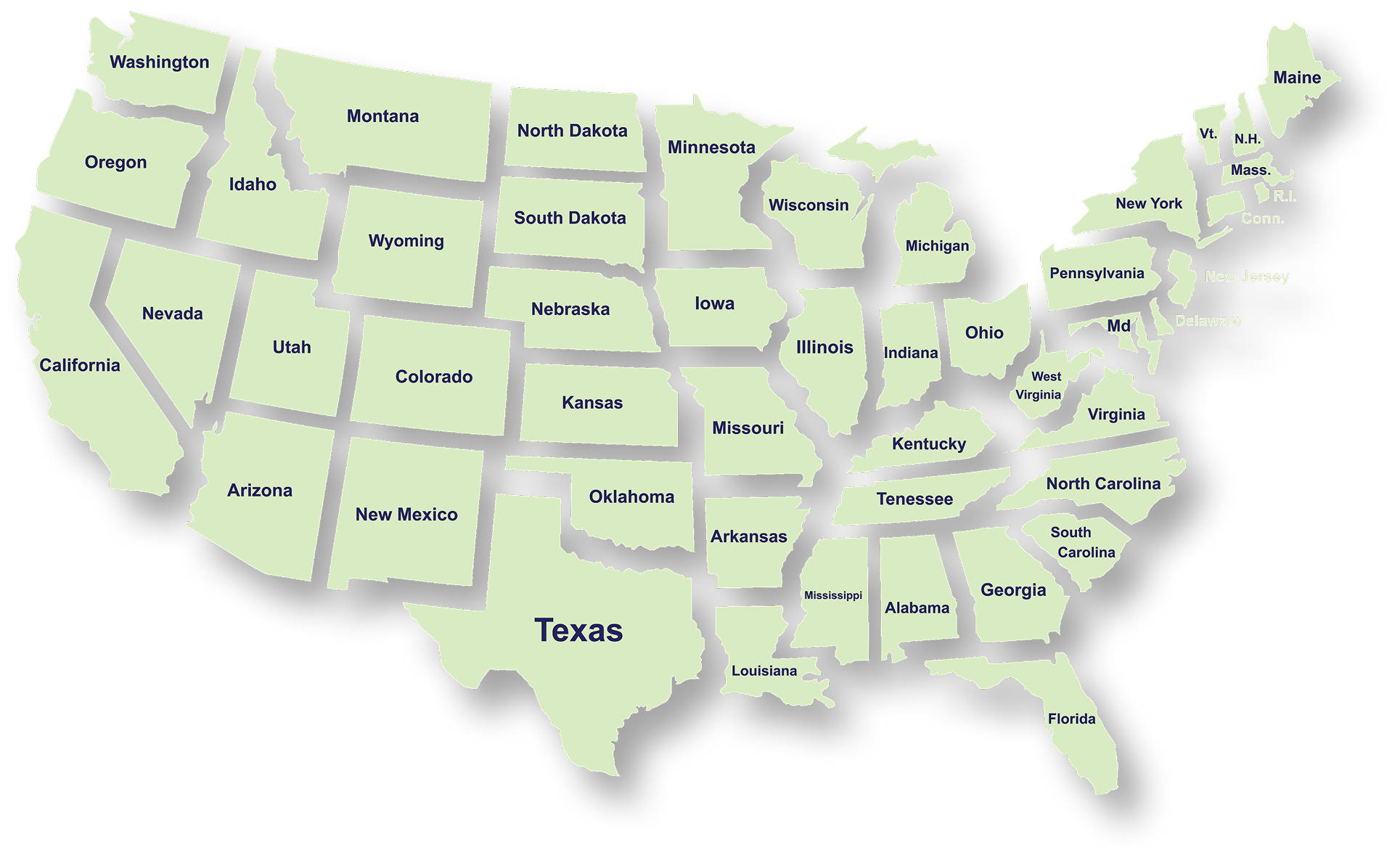
Serving Businesses & Individuals Across USA

We handle accounting, tax filing, and planning with defined timelines and accurate reporting for businesses and individuals across all states.

Frequently Asked Questions

What services does NR CPAs & Business Advisors provide?
What is tax planning and why is it important for businesses?
How can a Virtual CFO help my business?
When should a business consider IRS tax resolution services?
What financial statements does a business typically need?
How can startup advisory services help new businesses?
What is strategic business planning?
What is a Virtual Family Office and who can benefit from it?