Learning Center for Tax and Financial Insights

Stay updated with clear, actionable articles on tax rules, deadlines, deductions, and financial decisions that impact individuals and businesses.

For Business

Bookkeeping and Tax Services: Your Guide to Financial Peace

Bookkeeping and tax services are essential for every small business owner aiming for financial peace. They streamline your financial management, ensuring compliance with tax laws and saving you valuable time and money. Here’s what they offer:Accurate Financial Records: Maintain detailed and precise accounts.Tax Compliance: Stay updated with ever-changing tax regulations.Strategic Financial Advice: Optimize tax savings and support business growth.Financial peace starts with expert guidance. At NR Tax and Consulting, we focus on taking the stress out of accounting and tax planning, ensuring you can focus on growing your business. With over ten years of industry experience, I, Nischay Rawal, bring a wealth of knowledge in bookkeeping and tax services to help you achieve financial success. Let's explore how these services can transform your business.Image Alt Text: Overview of Bookkeeping and Tax Services - bookkeeping and tax services infographic infographic-line-5-steps-neat_beigeHandy bookkeeping and tax services terms:accounting servicesbookkeeping businessbookkeeping serviceUnderstanding Bookkeeping and Tax ServicesWhen it comes to managing your business's financial health, bookkeeping and tax services play a crucial role. These services ensure your business runs smoothly by keeping track of day-to-day finances, preparing taxes accurately, and generating clear financial statements. Let's explore each of these components:Day-to-Day FinancesKeeping your business's daily finances in check involves recording every transaction, from sales and purchases to expenses and revenues. This might sound tedious, but it's essential for maintaining organized financial records. These records are the backbone of your business and help you analyze performance and prepare for audits.Consider this: accurate tracking of daily cash flow can prevent cash shortages and ensure you have the funds needed to cover expenses. Monitoring cash flow gives you real-time insights into how much money is coming in and going out, allowing informed decision-making about debts, expenses, and investments.Tax PreparationTax preparation is where many small business owners feel overwhelmed. Navigating tax regulations can be complex, especially when operating in multiple jurisdictions. But with the right bookkeeping and tax services, you can ensure that your taxes are calculated correctly and paid on time, avoiding penalties.For instance, managing sales taxes accurately is vital for compliance and prevents costly errors. Effective tax preparation also involves setting aside the right amount of taxes each quarter, ensuring you're not caught off-guard when taxes are due. This proactive approach helps maintain a steady financial state throughout the year.Financial StatementsFinancial statements are your business's financial report card. They include balance sheets, income statements, and cash flow statements. These documents provide a snapshot of your business’s financial status and are essential for attracting investors, securing loans, and planning future growth.Regularly updated financial statements give you clarity on your business's economic health. They help in identifying trends, making informed decisions, and ensuring transparency with stakeholders. Accurate financial statements are also pivotal in avoiding costly mistakes and ensuring compliance with tax laws.By leveraging bookkeeping and tax services, you can focus on growing your business while experts handle the intricate details of financial management. This partnership not only saves you time and stress but also supports strategic decision-making to optimize growth opportunities.Image Alt Text: Understanding Bookkeeping and Tax Services - bookkeeping and tax servicesNext, we'll explore the different types of bookkeeping systems and how they can benefit your business.Types of BookkeepingWhen it comes to managing your business's finances, choosing the right bookkeeping system is crucial. Let's explore the three main types: single-entry, double-entry, and cash basis.Single-Entry BookkeepingSingle-entry bookkeeping is the simplest form. Think of it like keeping a personal checkbook. You record each transaction once, either as income or expense. This method is straightforward and works well for very small businesses with minimal transactions.Pros:Easy to understand and implement.Requires less time and effort.Cons:Limited detail and control over financial data.Not suitable for larger businesses or those with complex transactions.Double-Entry BookkeepingDouble-entry bookkeeping is more comprehensive. It records each transaction twice, once as a debit and once as a credit. This system provides a complete view of your financial health by tracking both assets and liabilities.Pros:Offers detailed financial information.Helps detect errors and fraud with accuracy.Essential for preparing financial statements.Cons:More complex and time-consuming.Requires thorough understanding or professional help.Image Alt Text: Double-entry bookkeeping is crucial for detailed financial tracking and error detection. - bookkeeping and tax services infographic 2_facts_emoji_light-gradientCash Basis BookkeepingCash basis bookkeeping records transactions only when cash changes hands. You note income when you receive payment and expenses when you pay bills. This method gives you a clear picture of cash flow.Pros:Simple and straightforward.Provides a clear view of cash flow.Cons:Doesn't account for money owed or outstanding invoices.May not provide a complete financial picture for long-term planning.

Explore More
For Business

The Corporate Transparency Act: Frequently Asked Questions Answered

Corporate Transparency Act FAQ is becoming a hot topic among business owners, and for good reason. This groundbreaking law aims to bring new levels of transparency and accountability to the U.S. business landscape. The Corporate Transparency Act (CTA), effective as of January 1, 2024, was introduced to curb the misuse of anonymous shell companies for illicit activities like money laundering and tax evasion. If you’ve been searching for answers to your burning questions about the Corporate Transparency Act, here are the essentials for quick reference:What is the CTA?Aimed at increasing transparency in business ownership.Why was it introduced?To combat illicit activities using anonymous companies.Who needs to comply?Mainly domestic corporations, LLCs, and some foreign entities.What are the penalties for non-compliance?Significant fines and even imprisonment risk.These points highlight the act's focus on transparency and its significance for businesses operating in the United States.As Nischay Rawal, I have over a decade of experience in financial management and tax compliance, guiding businesses to understand regulations like the Corporate Transparency Act FAQ. Stay tuned to grasp more insights on why understanding this act is essential for your business’s compliance strategy.Image Alt Text: Comprehensive overview of the Corporate Transparency Act, including key compliance requirements and penalties, structured in a checklist for easy understanding by business owners - corporate transparency act faq infographic infographic-line-5-steps-colorsCommon corporate transparency act faq vocab:corporate transparency act reporting requirementscorporate transparency act final regulationscorporate transparency act penaltiesUnderstanding the Corporate Transparency ActThe Corporate Transparency Act (CTA) is a game-changer for businesses in the United States. It aims to improve transparency and accountability by revealing the true ownership of companies. Here's what you need to know:PurposeThe CTA was enacted to combat illegal activities such as money laundering, tax evasion, and terrorism financing. By requiring companies to disclose beneficial ownership information, the act seeks to eliminate the anonymity that often shields illicit actors. This transparency is crucial in preventing the misuse of shell companies for hiding and moving illicit funds."For too long, it has been far too easy for criminals... to fund their illicit activity by hiding and moving money through anonymous shell companies," said Acting FinCEN Director Himamauli Das. This underscores the urgency and importance of the CTA in safeguarding the financial system.Effective DateThe CTA came into effect on January 1, 2024. This means that businesses must now comply with the new reporting requirements. If your business is registered in the U.S., it's important to understand these changes and prepare to meet the obligations under the act.Beneficial OwnershipA key component of the CTA is the requirement for companies to report beneficial ownership information. But who qualifies as a beneficial owner?A beneficial owner is anyone who owns or controls at least 25% of a company or exercises substantial control over it. This includes senior officers like the CEO or president. Companies must provide detailed information about these individuals, including their name, date of birth, address, and a unique identifier like a passport or driver's license number.This information is stored securely by FinCEN and is accessible only to authorized agencies for legitimate purposes, ensuring both transparency and confidentiality.Image Alt Text: Beneficial Ownership Explained - corporate transparency act faqUnderstanding these elements of the CTA is crucial for businesses to comply with the new regulations and avoid penalties. Up next, we'll dive into the compliance requirements and how you can ensure your company is on the right track.Compliance RequirementsNavigating the Corporate Transparency Act (CTA) can feel daunting, but it's essential for businesses to understand the compliance requirements to avoid penalties. Let's break it down into simple steps:BOI ReportThe heart of CTA compliance is the Beneficial Ownership Information (BOI) report. This report requires businesses to disclose information about their beneficial owners. Here's what you need to include:Full legal name of the beneficial ownerDate of birthResidential addressIdentification number from a U.S. driver's license, passport, or another acceptable IDImage of the identification documentCompanies must also report their legal name, any trade names, and the principal business address. This information is submitted to FinCEN, the Financial Crimes Enforcement Network, through their BOI E-Filing System, which launched on January 1, 2024.FinCENFinCEN plays a pivotal role in the CTA's implementation. It is responsible for collecting and safeguarding the BOI data. This information is stored in a secure, non-public database, accessible only to authorized parties like federal and state law enforcement, in order to protect national security and enforce laws.FinCEN is also actively involved in educating businesses about these requirements through outreach programs and resources like the Small Entity Compliance Guide. This guide includes a checklist to help businesses gather the necessary information for their BOI reports.ExemptionsNot every business needs to file a BOI report. There are 23 exemptions under the CTA. Some notable exemptions include:Publicly traded companiesCertain tax-exempt non-profitsLarge operating companies with more than 20 full-time employees, over $5 million in gross receipts, and a physical office in the U.S.If your business qualifies for an exemption, you won't need to file a BOI report. However, it's crucial to have documentation to support your exemption status. For instance, large operating companies need to provide prior year's tax returns as proof.

Explore More
No items found.

Unlocking Tax Savings: The Ultimate Guide to Choosing the Perfect Filing Status

Explore More
No items found.

March 2025 Individual Due Dates

March 10 - Report Tips to EmployerIf you are an employee who works for tips and received more than $20 in tips during February, you are required to report them to your employer on IRS Form 4070 no later than March 10. See Pub. 531 for more information on how to report tips to your employer. Your employer is required to withhold FICA taxes and income tax withholding for these tips from your regular wages. If your regular wages are insufficient to cover the FICA and tax withholding, the employer will report the amount of the uncollected withholding in box 8 of your W-2 for the year. You will be required to pay the uncollected withholding when your return for the year is filed.March 17 - Time to Call For Your Tax AppointmentIt is only one month until the April due date for your individual income tax returns. If you have not made an appointment to have your taxes prepared, we encourage you to do so before it becomes too late.Do not be concerned about having all your information available before making the appointment. If you do not have all your information, we will simply make a list of the missing items. When you receive those items, just forward them to us.

Explore More
No items found.

March 2025 Business Due Dates

March 3 - Farmers and FishermenFile your 2024 income tax return (Form 1040 or 1040-SR) and pay any tax due. However, you have until April to file if you paid your 2024 estimated tax by January 15, 2025.March 17 - PartnershipsFile a 2024 calendar year return (Form 1065). Provide each partner with a copy of their Schedule K-1 (Form 1065), Partner’s Share of Income, Deductions, Credits, etc., or a substitute Schedule K-1 and, if applicable, Schedule K-3 (Form 1065) or substitute Schedule K-3 (Form 1065). If you want an automatic 6-month extension of time to file the return, file Form 7004. Then file Form 1065 and provide Schedules K-1 or substitute Schedules K-1, and if applicable Schedules K-3, to the partners by September 15.March 17 - S-CorporationsFile a 2024 calendar year income tax return (Form 1120-S) and pay any tax due. Provide each shareholder with a copy of Schedule K-1 (Form 1120-S), Shareholder’s Share of Income, Deductions, Credits, etc., or a substitute Schedule K-1 (Form 1120-S) and, if applicable, Schedule K-3 (Form 1120-S) or substitute ScheduleK-3 (Form 1120-S).To request an automatic 6-month extension of time to file the return, file Form 7004 and pay the tax estimated to be owed. Then file the return; pay any tax, interest, and penalties due; and provide each shareholder with a copy of their Schedule K-1 (Form 1120-S) and, if applicable, Schedule K-3 (Form 1120-S) by September 15.March 17 - S-Corporation ElectionFile Form 2553, Election by a Small Business Corporation, to choose to be treated as an S corporation beginning with calendar year 2025. If Form 2553 is filed late, S treatment will begin with calendar year 2026.March 17 - Social Security, Medicare and Withheld Income TaxIf the monthly deposit rule applies, deposit the tax for payments in February.March 17 - Non-Payroll WithholdingIf the monthly deposit rule applies, deposit the tax for payments in February.March 31 - Electronic Filing of Forms 1094-C, 1095-C, 1094-B, 1095-B, 1097, 1098, 1099, 3921, 3922, 8027, and W-2G

Explore More
No items found.

Trump’s Proposal for No Tax on Tips - A Closer Look

This is the fourth in a series of articles for clients to keep them updated on the thinking on Capitol Hill on proposed tax changes so you can plan appropriately. This delves into President Trump’s proposal to eliminate taxes on tips which he reiterated when attending a rally in Las Vegas on January 25, 2025. A move that has sparked considerable discussion among both workers and economists is President Trump’s proposed policy to eliminate taxes on tips. This proposal aimed to provide financial relief to millions of service industry workers who rely heavily on tips as a significant portion of their income. Here, we delve into the potential impacts and implications of such a policy.Understanding the Proposal: The proposal to eliminate taxes on tips is rooted in the desire to increase take-home pay for workers in the service industry, such as waitstaff, bartenders, and other tipped employees. Currently, tips are considered taxable income by the Internal Revenue Service (IRS), and employees are required to report them as part of their earnings. Trump's proposal, for which details are currently lacking, sought to change this by exempting tips from federal income tax. According to the Budget Lab at Yale University roughly 4 million individuals, or about 2.5% of all employees work in occupations that receive tips.Potential Benefits:o Increased Take-Home Pay - The most immediate benefit of this proposal would be an increase in take-home pay for tipped workers. By not taxing tips, employees would retain a larger portion of their earnings, potentially improving their financial stability.o Boost to the Economy - With more disposable income, service industry workers might spend more, potentially boosting the economy. This could lead to increased consumer spending in other sectors as well.o Simplified Tax Reporting - Eliminating taxes on tips could simplify tax reporting for both employees and employers. Workers would no longer need to meticulously track and report their tips, reducing the administrative burden.Potential Drawbacks:o Revenue Loss for the Government - One of the significant concerns is the potential loss of tax revenue. Tips contribute a substantial amount to federal income tax collections, and eliminating this source could impact government funding for various programs.o Equity Concerns - Critics argue that the proposal might disproportionately benefit higher earners within the service industry, such as those working in upscale establishments, while not addressing the broader issues of wage inequality.o Compliance and Enforcement - There could be challenges in ensuring compliance with the new rules, as distinguishing between tips and other forms of income might become more complex. There’s also the issue of whether employees and businesses would want to move from full wages to a tip-based payment approach to avoid taxes. Potentially more service industries might follow the restaurant industry’s method of a specified price up front and an expected voluntary tip at the end of the transaction. Any legislation adopting the exclusion of tips from income will need to be carefully crafted to take into consideration potential loopholes and to prevent abuse.o State Laws – Some states may not go along with the idea that tips should be excluded from tax, in which case simplified reporting suggested as a positive result of excluding tips from income will add back a layer of complexity.Economic and Social Implications: The proposal to eliminate taxes on tips is part of a broader conversation about wage structures and income inequality in the United States. While it offers immediate financial relief to workers, it also raises questions about long-term economic impacts and the role of tips in the overall compensation system.Unanswered Question: The issue of whether Social Security taxes are included in the proposal by President Trump remains unclear although he has said it does. Generally, tips are subject to both income tax and FICA taxes, which include Social Security and Medicare taxes. If a policy were to exempt tips from taxation, it would be crucial to clarify whether this exemption applies to both income and FICA taxes. Currently the payroll taxes that fund Social Security and Medicare total 15.3% of a worker’s salary, of which half is paid by employers.If tips were exempt from Social Security taxes, this could potentially impact the Social Security benefits of tipped employees. Social Security benefits are calculated based on an individual's earnings that are subject to Social Security taxes. Therefore, if tips were not subject to these taxes, it could result in lower reported earnings for Social Security purposes, potentially reducing the retirement benefits that tipped employees would qualify for.The exclusion of tips from Social Security and Medicare taxes could impact more than just tipped employees. According to the Congressional Budget Office, Social Security’s trust fund will be depleted by 2035, resulting in a 23% cut to benefits for all SS recipients. If less money goes into the fund if payroll taxes on tips are excluded, the fund and Medicare could be depleted sooner, leaving millions of Americans without Social Security benefits for retirement.Federal Budgeting Considerations: It is estimated that eliminating both the income and payroll tax on tips could reduce the federal revenue by as much as $250 billion over 10 years.

Explore More
No results found.
Thank you! Your submission has been received!
Oops! Something went wrong while submitting the form.

Want tax & accounting tips & insights?Sign up for our newsletter.

Thank you! Your submission has been received!
Oops! Something went wrong while submitting the form.

Why Work With Us?

We combine deep tax expertise, financial strategy, and practical business insight to help you manage complexity, stay compliant, and make confident financial decisions.
A dollar sign, representing financial advice or discussion at NR CPAs & Business Advisors.

Experienced CPA and Enrolled Agent Leadership

Guidance led by licensed professionals with deep expertise in tax strategy, compliance, and complex financial matters.
White bar chart with an upward arrow on green circular background representing growth or progress at NR CPAs &. Business Advisors

Support for Growing Businesses and Startups

We understand the financial challenges of growth stage businesses and provide structured guidance to support expansion.
A white hand holding a dollar symbol and ascending bar chart on a green circular background representing financial growth or investment at NR CPAs & Business Advisors..

Strategic Financial Advisory

Our team helps you evaluate financial decisions with greater clarity, supported by practical insights and long term planning.

Fractional CFO Support

Access experienced financial leadership without the commitment and cost of hiring a full time Chief Financial Officer.

Proactive Tax Planning Approach

We focus on identifying tax opportunities throughout the year rather than reacting only during filing season.

Clear and Reliable Financial Reporting

Accurate financial statements and reporting that help you better understand performance and make informed decisions.
White IRS building icon with pillars and a dollar sign above on a green circular background.

Professional IRS Representation

Experienced support in resolving IRS notices, disputes, and compliance matters while protecting your financial interests.

Personalized Client Focus

Every client receives thoughtful attention and tailored financial solutions based on their specific needs and business goals.
Financial matters often involve important decisions. Working with experienced advisors can help you approach them with greater clarity and confidence in your choices.

Need Help With Your Tax or Financial Decisions?

Discuss your situation with our advisors to get clear guidance on tax planning, IRS matters, and the financial decisions ahead.
Business consulting at NR CPAs & Business Advisors.

Request Your Consultation

Fill out the form to discuss your tax concerns, financial questions, or advisory needs with our team. We will review your details and respond shortly.

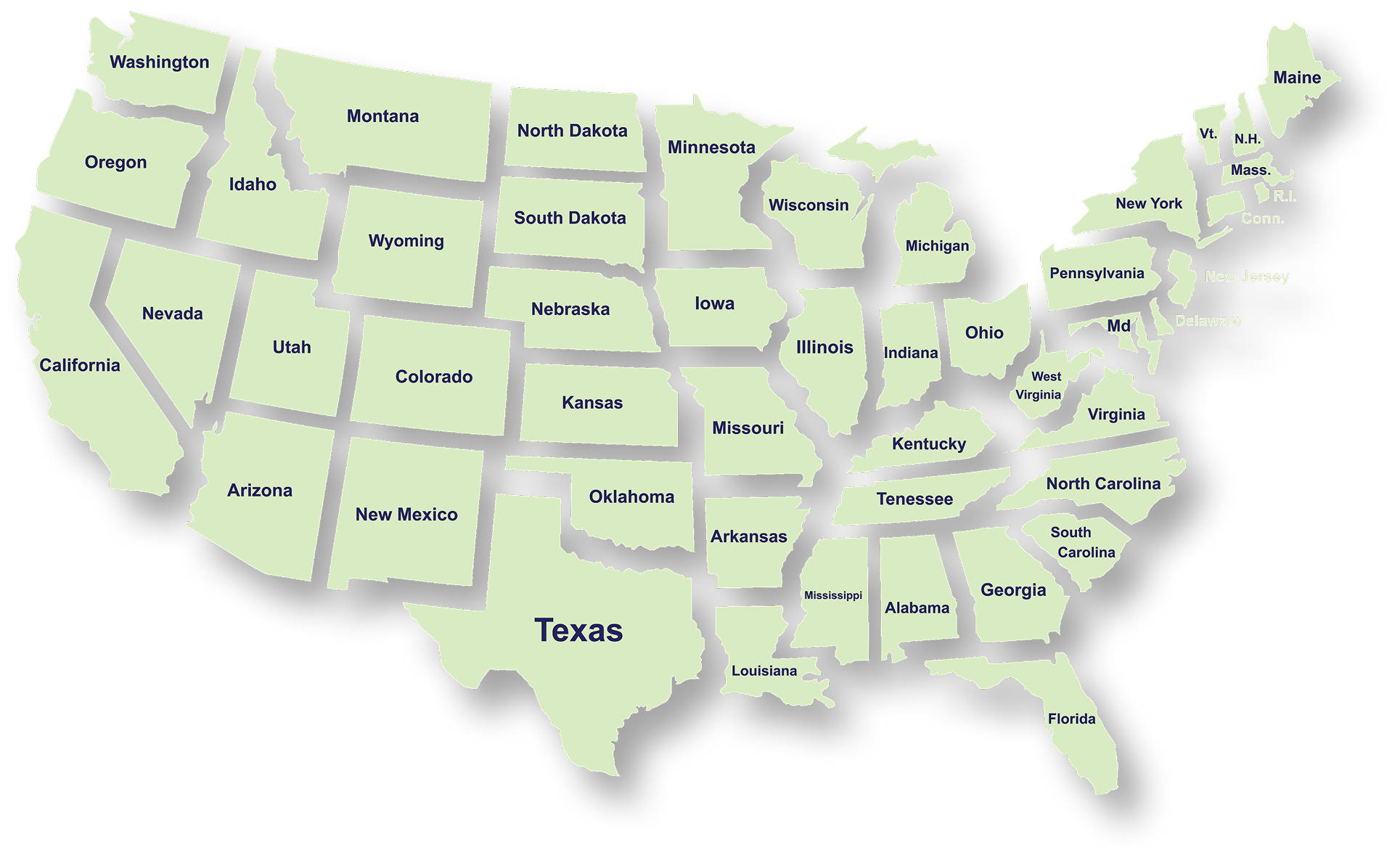
Serving Businesses & Individuals Across USA

We handle accounting, tax filing, and planning with defined timelines and accurate reporting for businesses and individuals across all states.

Frequently Asked Questions

What services does NR CPAs & Business Advisors provide?
What is tax planning and why is it important for businesses?
How can a Virtual CFO help my business?
When should a business consider IRS tax resolution services?
What financial statements does a business typically need?
How can startup advisory services help new businesses?
What is strategic business planning?
What is a Virtual Family Office and who can benefit from it?