Learning Center for Tax and Financial Insights

Stay updated with clear, actionable articles on tax rules, deadlines, deductions, and financial decisions that impact individuals and businesses.

No items found.

What are my odds of being audited?

Audits are relatively rare, as fewer than 1% of taxpayers grouped by income level will get that dreaded notice on IRS letterhead. Only 6.66% of tax returns reporting an eight-figure adjusted gross income were audited. If you are ever facing an audit, either as an individual taxpayer or a small business owner, you don’t have to go it alone: we can help. .embed-container { position: relative; padding-bottom: 56.25%; height: 0; overflow: hidden; max-width: 100%; } .embed-container iframe, .embed-container object, .embed-container embed { position: absolute; top: 0; left: 0; width: 100%; height: 100%; }

Explore More
No items found.

Video: Get A Handle On Your Cash Flow

If you are looking to get a handle on your cash flow, it may be appropriate to consult with this office. Please call for assistance. .embed-container { position: relative; padding-bottom: 56.25%; height: 0; overflow: hidden; max-width: 100%; } .embed-container iframe, .embed-container object, .embed-container embed { position: absolute; top: 0; left: 0; width: 100%; height: 100%; }

Explore More
No items found.

Video: How to Minimize Your Tax On Social Security Benefits

Whether your Social Security benefits are taxable (and, if so, the amount that is taxed) depends on a number of issues. The following will help you understand the taxability of your Social Security benefits. Watch now. .embed-container { position: relative; padding-bottom: 56.25%; height: 0; overflow: hidden; max-width: 100%; } .embed-container iframe, .embed-container object, .embed-container embed { position: absolute; top: 0; left: 0; width: 100%; height: 100%; }

Explore More
No items found.

Employee Stock Options Can be Taxing

Article Highlights: Employee Stock Options Stock Option Terminology Incentive Stock Options Non-qualified Stock Options Tax Strategies If you are an employee of a corporation, as an incentive to continue employment, the company may offer you the option to purchase shares of the corporation at a fixed price at some future date so that you can benefit from your commitment to the success of the company by sharing in the company’s growth through the increase in stock value. But before we get too involved with the tax issues, you need to know there are two types of stock options where an employee receives the right to purchase the employer’s company stock at a pre-determined price at some specified date in future. Example: You, as an employee of XYZ Co. in 2011, were given an option to purchase 200 shares of XYZ stock for $10 a share between April 1 and June 30, 2018, regardless of what the stock might be valued at in 2018. Once your option matured you purchased, 200 shares of XYZ for $10 each on April 10, 2018, when the stock was trading at $50 per share. The two types of stock options are: qualified, also referred to as incentive stock options (ISOs), and non-qualified. The taxation of the two can be quite different. In case you are not familiar with the terminology used in employee stock option plans, here’s a rundown. The option price is the price the company sets as the cost you would pay for a certain number of shares should you decide to purchase the stock (exercise your option); this price will apply even if the stock is trading at a higher value when purchased. The opportunity to exercise the option is often limited to a specific time period in the future. The trading price at the time you purchase the stock is considered the fair market value (FMV) of the stock at the time you purchase it. You may even be granted (awarded) options at different prices and on different exercise dates. Incentive Stock Options (ISO) - The big advantage of ISOs is the special tax treatment that permits delayed taxation of the difference between the exercise price and the FMV and allows the employee to benefit from long-term capital gains rates when the shares are ultimately sold. However, for that to happen, the stock must not be sold before 2 years have elapsed between the time the option was granted and the sale of the stock, and the stock must be held for more than one year after exercising the option. There is a downside to ISOs. For alternative minimum tax (AMT) purposes, the difference between the exercise price and the FMV of the stock is considered a preference item, and although it is not taxable for regular tax purposes, it is included in AMT income in the year of the exercise. When the difference between the exercise price and the FMV of the stock at exercise is significant, it will trigger the AMT. The AMT is generally a punitive method of computing income tax that does not allow some of the tax preferences and deductions that are allowed for the regular tax computation. When an AMT computation results in a higher tax, the higher tax applies. This can sometimes outweigh the benefits of ISOs. However, an AMT credit may be created to reduce the employee’s tax in a future year. Unfortunately, using this credit applies only to years when there is an AMT, so its benefit is limited. In addition, tax reform eliminated many of the deductions that created an AMT as well as substantially increasing the AMT exemptions for the various tax filing statuses, which means the AMT is less likely to be triggered, especially when exercising small blocks of ISO stock. Non-qualified Stock Options (NSO) - For NSOs, the difference between the exercise price and the fair market value (FMV) of the stock at the time the option is exercised is treated as ordinary income to the taxpayer in the year of the exercise, and for employees, this amount is generally included as income on their W-2. Even though the income is included on the employee’s W-2, the stock sale generally still must be reported on Schedule D and sometimes will result in a loss when the employee has incurred sales costs or the purchase and sale were not simultaneous and have resulted in a gain or loss because of market fluctuations. When exercising NSOs where the employee does not wish to hold the stock, the stock can be purchased and immediately sold in a cashless transaction. Technically the brokerage firm handling the transaction will loan the employee the money to purchase the stock, immediately sell the stock, pay back the loan and distribute the gain to the employee.

Explore More
No items found.

October 2019 Individual Due Dates

October 10 - Report Tips to Employer If you are an employee who works for tips and received more than $20 in tips during September, you are required to report them to your employer on IRS Form 4070 no later than October 10. Your employer is required to withhold FICA taxes and income tax withholding for these tips from your regular wages. If your regular wages are insufficient to cover the FICA and tax withholding, the employer will report the amount of the uncollected withholding in box 12 of your W-2 for the year. You will be required to pay the uncollected withholding when your return for the year is filed. October 15 - Taxpayers with Foreign Financial Interests If you received an automatic 6-month extension of time to report your 2018 foreign financial accounts to the Department of the Treasury, this is the due date for Form FinCEN 114.

Explore More
No items found.

October 2019 Business Due Dates

October 15 - CorporationsFile a 2018 calendar year income tax return (Form 1120 or 1120-A) and pay any tax, interest, and penalties due. This due date applies only if you timely requested an automatic 6-month extension.October 15 - Taxpayers with Foreign Financial Interests If you received an automatic 6-month extension of time to report your 2018 foreign financial accounts to the Department of the Treasury, this is the due date for Form FinCEN 114. October 15 - Social Security, Medicare and withheld income tax If the monthly deposit rule applies, deposit the tax for payments in September. October 15 - Nonpayroll Withholding If the monthly deposit rule applies, deposit the tax for payments in September.

Explore More
No results found.
Thank you! Your submission has been received!
Oops! Something went wrong while submitting the form.

Want tax & accounting tips & insights?Sign up for our newsletter.

Thank you! Your submission has been received!
Oops! Something went wrong while submitting the form.

Why Work With Us?

We combine deep tax expertise, financial strategy, and practical business insight to help you manage complexity, stay compliant, and make confident financial decisions.
A dollar sign, representing financial advice or discussion at NR CPAs & Business Advisors.

Experienced CPA and Enrolled Agent Leadership

Guidance led by licensed professionals with deep expertise in tax strategy, compliance, and complex financial matters.
White bar chart with an upward arrow on green circular background representing growth or progress at NR CPAs &. Business Advisors

Support for Growing Businesses and Startups

We understand the financial challenges of growth stage businesses and provide structured guidance to support expansion.
A white hand holding a dollar symbol and ascending bar chart on a green circular background representing financial growth or investment at NR CPAs & Business Advisors..

Strategic Financial Advisory

Our team helps you evaluate financial decisions with greater clarity, supported by practical insights and long term planning.

Fractional CFO Support

Access experienced financial leadership without the commitment and cost of hiring a full time Chief Financial Officer.

Proactive Tax Planning Approach

We focus on identifying tax opportunities throughout the year rather than reacting only during filing season.

Clear and Reliable Financial Reporting

Accurate financial statements and reporting that help you better understand performance and make informed decisions.
White IRS building icon with pillars and a dollar sign above on a green circular background.

Professional IRS Representation

Experienced support in resolving IRS notices, disputes, and compliance matters while protecting your financial interests.

Personalized Client Focus

Every client receives thoughtful attention and tailored financial solutions based on their specific needs and business goals.
Financial matters often involve important decisions. Working with experienced advisors can help you approach them with greater clarity and confidence in your choices.

Need Help With Your Tax or Financial Decisions?

Discuss your situation with our advisors to get clear guidance on tax planning, IRS matters, and the financial decisions ahead.
Business consulting at NR CPAs & Business Advisors.

Request Your Consultation

Fill out the form to discuss your tax concerns, financial questions, or advisory needs with our team. We will review your details and respond shortly.

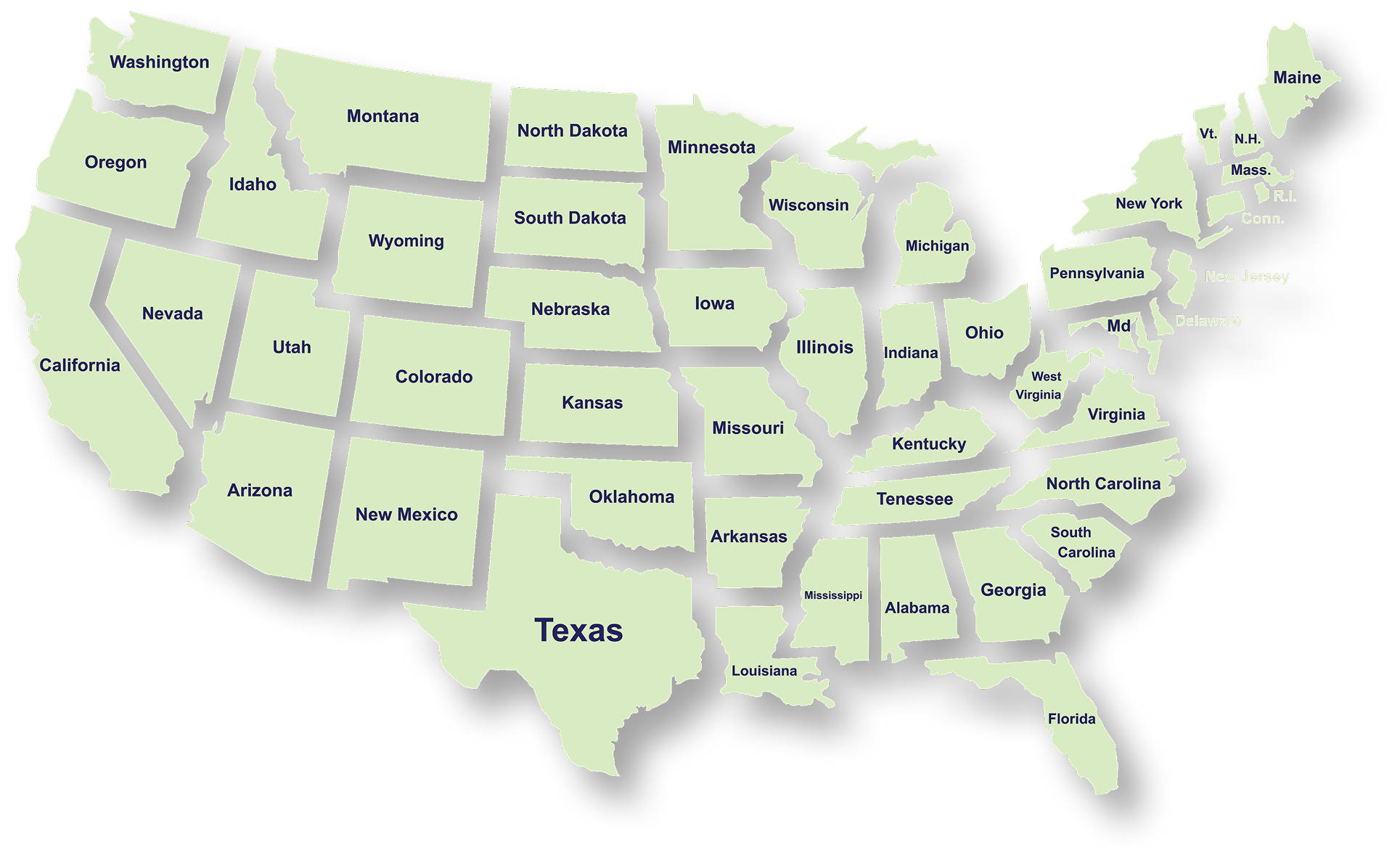
Serving Businesses & Individuals Across USA

We handle accounting, tax filing, and planning with defined timelines and accurate reporting for businesses and individuals across all states.

Frequently Asked Questions

What services does NR CPAs & Business Advisors provide?
What is tax planning and why is it important for businesses?
How can a Virtual CFO help my business?
When should a business consider IRS tax resolution services?
What financial statements does a business typically need?
How can startup advisory services help new businesses?
What is strategic business planning?
What is a Virtual Family Office and who can benefit from it?