Learning Center for Tax and Financial Insights

Stay updated with clear, actionable articles on tax rules, deadlines, deductions, and financial decisions that impact individuals and businesses.

No items found.

Top 7 QuickBooks Online Strategies for Business Success

Every profession has its own best practices but proper accounting and bookkeeping techniques are crucial across the board. Whether you’re a hospital administrator trying to write off equipment costs or a small online retail business with complicated multistate sales tax issues, knowing where you stand financially can help with every aspect of your business operations. Adopting these seven practices in QuickBooks Online can enhance productivity, ensure data integrity, and improve the accuracy of your financial records month after month — and year after year.Why Best Practices MatterImplementing general best practices in your accounting tasks for any type of business can:Maintain the integrity of your QuickBooks Online data.Improve accuracy in your accounting work.Save time.Provide valuable insights into your business’s financial health.These practices can also indirectly strengthen your relationships with customers and vendors. When, for example, you send professional-looking invoices in a timely manner or provide detailed receipts for services rendered, you assure your clients and vendors that you’re looking out for their best interests, and that they can trust you for the long term.

Explore More
No items found.

The Exclusion from Income of Olympic Prize Money; A Win for Athletes

Article Highlights:The Taxation of Prize Money: A Brief HistoryLegislative Relief: HR 5946The Impact of the ExemptionThe Million-Dollar ThresholdWhen watching the Paris Olympics this summer, think of the athletes pushing the boundaries of human potential. These athletes dedicate years, often decades, to perfecting their craft, all for the chance to stand on the podium and receive a medal. However, behind the scenes, there's a less glamorous aspect that many might not consider: the taxation of their prize money. Fortunately, legislative changes made in 2016 have provided some relief for these dedicated individuals.The Taxation of Prize Money: A Brief History - Historically, the Internal Revenue Service (IRS) has taxed almost all forms of prize money and awards. This includes winnings from lotteries, beauty pageants, television game shows, and yes, even Olympic medals. The rationale is straightforward: prize money is considered income, and income is subject to federal taxes. This rule has been in place since 1986, and it has applied uniformly across various types of awards.For U.S. Olympic athletes, this meant that their hard-earned prize money was subject to federal income tax. In the past the U.S. Olympic and Paralympic Committee (USOPC) has awarded $37,500 to a gold medal finisher, $22,500 for silver, and $15,000 for bronze. The tax on these payments could significantly reduce their take-home earnings. The actual value of the medals based on the weight of the metallic components is substantially less than the monetary awards, but still counted as income.Legislative Relief: HR 5946 - Recognizing the unique nature of Olympic achievements and the financial burdens faced by many athletes, Congress passed HR 5946, known as the United States Appreciation for Olympians and Paralympians Act, in 2016. This legislation exempts prize money from the United States Olympic Committee to participants in the Olympic or Paralympic Games from federal income tax for athletes who earn less than $1 million annually (without regard to the prize money).The bill was a bipartisan effort, reflecting a shared belief that athletes representing the country on the world stage should not be penalized for their success. The exemption applies to both the cash prizes awarded by the U.S. Olympic Committee and the value of the medals themselves.

Explore More
For Business

Miami’s Leading Accounting Companies: A Comprehensive List

Finding The Best Accounting Firms In MiamiWhen looking for accounting firms in Miami, it’s important to find one that can cater to your specific financial needs, be it audit, tax preparation, consulting, or comprehensive advisory services.Whether you’re a small business owner or managing a large enterprise, partnering with the right accounting firm can make all the difference in ensuring financial health and regulatory compliance.I’m Nischay Rawal. With over 10 years of experience in simplifying accounting processes for both small and large businesses, I have a deep understanding of the best accounting firms in Miami. Let’s dive into how these firms can support your business goals.Top Local Accounting Firms In MiamiWhile Miami is home to many accounting firms, local firms like NR CPAs & Business Advisors provide top-notch services with deep roots in the community. These firms offer custom solutions tailored to the needs of businesses across various industries.At NR CPAs & Business Advisors, we pride ourselves on delivering personalized financial guidance designed to navigate the complex world of accounting and tax compliance. We believe that every client deserves custom solutions that fit their specific needs. Our local accountant services ensure that you receive the attention and expertise that only a local firm can provide. We work closely with you to understand your business and offer solutions that make sense for your industry and market.Our team of experts is dedicated to your success. Whether you need help with tax preparation, financial analysis, or strategic planning, we are here to support you every step of the way.For personalized guidance and comprehensive services, contact us today and let us help you achieve your financial goals.Specialized Accounting Services In MiamiMiami’s accounting firms offer a wide range of specialized services tailored to meet the unique needs of various industries. These services go beyond traditional accounting and tax preparation, providing businesses with strategic insights and solutions to thrive in a competitive market.

Explore More
No items found.

Protecting Our Seniors; Understanding and Preventing Scams

Article Highlights:Understanding the ThreatsCommon Scams Targeting SeniorsAwareness and Protection StrategiesTips for CaregiversKey Points to RememberIRS Advice and ResourcesKey IRS RecommendationsWhat to Do if ScammedLong-Term StepsAs our population ages, seniors increasingly become targets for a variety of scams. These fraudulent schemes can have devastating financial and emotional impacts on older adults, who may be more vulnerable due to factors such as isolation, cognitive decline, or simply a trusting nature. The Internal Revenue Service (IRS) has been proactive in issuing warnings and providing guidance to help protect seniors from these threats. This article will delve into the nature of scams targeting seniors, what to be on guard for, awareness and protection strategies, IRS advice, and steps to take if one falls victim to a scam.Understanding the Threats - Scammers employ a range of tactics to deceive seniors, often posing as representatives from government agencies, familiar businesses, or charities. The IRS, in its news release IR-2024-164, highlights the rising threat of impersonation scams targeting older adults. These fraudsters use fear and deceit to exploit their victims, often pressuring them into making immediate payments through unconventional methods such as gift cards or wire transfers.Common Scams Targeting SeniorsImpersonation of Known Entities: Fraudsters often pose as representatives from government agencies like the IRS, Social Security Administration, or Medicare. By spoofing caller IDs, they can deceive victims into believing they are receiving legitimate communications. These scammers may claim that the victim owes money, is due a refund, or needs to verify personal information.Claims of Problems or Prizes: Scammers frequently fabricate urgent scenarios, such as outstanding debts or promises of significant prize winnings. Victims may be falsely informed that they owe the IRS money, are owed a tax refund, need to verify accounts, or must pay fees to claim non-existent lottery winnings.Pressure for Immediate Action: These deceitful actors create a sense of urgency, demanding that victims take immediate action without allowing time for reflection. Common tactics include threats of arrest, deportation, license suspension, or computer viruses to coerce quick compliance.Specified Payment Methods: To complicate traceability, scammers insist on unconventional payment methods, including cryptocurrency, wire transfers, payment apps, or gift cards. They often require victims to provide sensitive information like gift card numbers.Awareness and Protection StrategiesAwareness is the first line of defense against scams. Seniors and their caregivers should be educated about the common tactics used by scammers and the red flags to watch for. Tips for Seniors:Verify the Source: Always verify the identity of the person or organization contacting you. If you receive a call, email, or text message claiming to be from the IRS or another government agency, do not provide any personal information. Instead, contact the agency directly using a verified phone number or website.Be Skeptical of Unsolicited Communications: Be cautious of unsolicited communications, especially those that request personal information or immediate payment. Legitimate organizations will not ask for sensitive information through unsecured channels.Do Not Rush: Scammers often create a sense of urgency to pressure victims into making hasty decisions. Take your time to verify the legitimacy of the request and consult with a trusted family member or friend before taking any action.Use Secure Payment Methods: Avoid making payments through unconventional methods like gift cards, wire transfers, or cryptocurrency. Legitimate organizations will not request payment using these procedures.Monitor Financial Accounts: Regularly monitor your bank and credit card statements for any unauthorized transactions. Report any suspicious activity to your financial institution immediately.Tips for CaregiversEducate and Communicate: Regularly discuss potential scams with the seniors in your care. Ensure they understand the common tactics used by scammers and encourage them to reach out to you if they receive any suspicious communications.Set Up Protections: Help seniors set up protections such as fraud alerts on their credit reports and two-factor authentication on their online accounts.Monitor Communications: If possible, monitor the mail, phone calls, and emails that the senior receives. This can help identify potential scams before any damage is done.Encourage Reporting: Encourage seniors to report any suspicious activity to the appropriate authorities. Reporting scams can help prevent others from falling victim to the same schemes.IRS Advice and Resources - The IRS has been actively engaged in efforts to protect taxpayers, including seniors, from scams and identity theft. The Security Summit partnership between the IRS, state tax agencies, and the nation’s tax professional community has been working since 2015 to combat these threats. Remember that:

Explore More
No items found.

Video Tips: Establishing a New Business–What Are Business Entities?

If you're starting a business, choosing the right business entity is one of your most critical decisions, as it affects both taxation and personal liability. Whether you're a sole proprietor or have multiple owners, understanding the unique pros and cons of each entity type—such as sole proprietorships, LLCs, partnerships, and corporations—is essential for making an informed choice.

Explore More
No items found.

Self-Employment Tax: Who Really Needs to Pay and Why You Can't Afford to Ignore It

Article Highlights:Understanding Self-Employment TaxWho is Required to Pay Self-Employment TaxWho is Exempt from Paying Self-Employment TaxSpecial SituationsIn the realm of taxes, understanding who is required to pay self-employment tax and who is exempt is crucial for individuals navigating their financial responsibilities. Whereas employees have Social Security and Medicare taxes withheld from wages–often referred to as FICA taxes– individuals who work for themselves are subject to self-employment (SE) tax, which they pay in lieu of the Social Security and Medicare taxes employees pay via payroll withholding. Employees and employers share the employee’s liability, while self-employed individuals pay both the employer and employee liability. Understanding Self-Employment Tax - Before diving into the specifics of who must pay self-employment tax, it's essential to understand what it entails. Self-employment tax is governed by the Self-Employment Contributions Act (SECA), under which individuals who earn income directly from their business activities, rather than as employees, are required to contribute to Social Security and Medicare. This tax is calculated as a percentage of net earnings from self-employment. For 2024, the self-employment tax rate is 15.3%, comprised of 12.4% for Social Security contributions on the first $168,600 of net earnings and 2.9% for Medicare contributions on all net earnings. Unlike employees, who share these tax responsibilities with their employers, self-employed individuals bear the full burden. An additional Medicare tax of 0.9% of net self-employment income applies for those with SE income above the following thresholds: $250,000 married joint, $125,000 married separate and $200,000 all others Who is Required to Pay Self-Employment Tax? – Generally the following are subject to self-employment tax:Sole Proprietors and Independent Contractors - Individuals operating their businesses or offering services as sole proprietors or independent contractors are required to pay self-employment tax on their net earnings if they exceed $400 in a tax year.Partners in a Partnership - Members of a partnership that conducts a trade or business are subject to self-employment tax on their share of the partnership's income.Members of a Limited Liability Company (LLC) - Depending on the election made by the LLC, members may be treated as sole proprietors or partners for tax purposes and thus be required to pay self-employment tax on their share of the LLC's profits.Clerics - A cleric is required to pay self-employment tax on income from services as a minister unless the individual has taken a vow of poverty. The following are examples of common situations related to the self-employment income of clerics:o W-2 Income - from the Church is subject to income tax, and self-employment tax. It's important to note that the church does not withhold FICA taxes for this income.o Self-employment Income - Clerics who do not work for a specific church or who receive income for presiding over weddings, funerals, etc., have non-employee income that is taxable and subject to self-employment tax, based on the net profit from the self-employment activity.o Schedule C – This is the IRS form on which clerics report their SE income, which can be offset by associated expenses, resulting in the net profit that’s subject to SE taxes.o Most clerics receive a Housing (Parsonage) Allowance from the church they work for. To the extent allowed by law, this income is not subject to income tax but is subject to self-employment tax.Who is Exempt from Paying Self-Employment Tax? - While the scope of self-employment tax is broad, there are specific exemptions and special cases:Employees: Individuals who work as employees and receive a W-2 form are not subject to self-employment tax on their wages, as their employers withhold Social Security and Medicare taxes throughout the year that the employer pays over to the government.Rental Income: Generally, income derived from renting out property is not subject to self-employment tax unless the individual is engaged in a rental business that provides services for the convenience of tenants. This generally includes rents paid in crop shares.Limited Partners: Limited partners in a partnership may be exempt from self-employment tax on certain income distributions, as their involvement in the business is typically passive, i.e., more in the nature of an investment.Certain Business Owners: Owners of corporations, including S corporations, may not be subject to self-employment tax on their share of the corporation's profits, though they must pay themselves reasonable compensation subject to the FICA employment taxes.Commissions Allowed by the Probate Court – Commissions (fees) allowed to nonprofessional fiduciaries (such as an estate executor or trustee) by a probate court under local law generally aren't considered self-employment earnings. However, if the fees relate to active participation in the operation of the estate's business, or the management of an estate that required extensive management activities over a long period of time, the fees would be SE income to the extent they represents a special payment for operating the business.Termination Payments of Former Insurance Salespeople -The law provides that net earnings from self-employment don’t include any amounts received from an insurance company for services performed by an individual as an insurance salesperson for the company if certain conditions are met.Religious Exemptions - Ministers, Christian Science practitioners, and members of religious orders who have taken a vow of poverty may get an exemption from self-employment tax on their earnings if certain requirements are met. To get the exemption, Form 4361 must be filed with the IRS. Retired clergy receiving parsonage or rental allowances are not subject to self-employment tax.Notary Public – The fees for the services of a notary public are exempt from the self-employment tax.Nonresident Aliens - Nonresident aliens engaged in a trade or business within the United States may be subject to self-employment tax, with specific exemptions based on tax treaties.Miscellaneous Income from an Occasional Act or Transaction – Income from an occasional act or transaction, absent proof of efforts to continue those acts or transactions on a regular basis, isn't income from self-employment subject to the SE tax. An example is a nonprofessional fiduciary who manages the estate of a relative or friend. However, professional fiduciaries are subject to self-employment tax

Explore More
No results found.
Thank you! Your submission has been received!
Oops! Something went wrong while submitting the form.

Want tax & accounting tips & insights?Sign up for our newsletter.

Thank you! Your submission has been received!
Oops! Something went wrong while submitting the form.

Why Work With Us?

We combine deep tax expertise, financial strategy, and practical business insight to help you manage complexity, stay compliant, and make confident financial decisions.
A dollar sign, representing financial advice or discussion at NR CPAs & Business Advisors.

Experienced CPA and Enrolled Agent Leadership

Guidance led by licensed professionals with deep expertise in tax strategy, compliance, and complex financial matters.
White bar chart with an upward arrow on green circular background representing growth or progress at NR CPAs &. Business Advisors

Support for Growing Businesses and Startups

We understand the financial challenges of growth stage businesses and provide structured guidance to support expansion.
A white hand holding a dollar symbol and ascending bar chart on a green circular background representing financial growth or investment at NR CPAs & Business Advisors..

Strategic Financial Advisory

Our team helps you evaluate financial decisions with greater clarity, supported by practical insights and long term planning.

Fractional CFO Support

Access experienced financial leadership without the commitment and cost of hiring a full time Chief Financial Officer.

Proactive Tax Planning Approach

We focus on identifying tax opportunities throughout the year rather than reacting only during filing season.

Clear and Reliable Financial Reporting

Accurate financial statements and reporting that help you better understand performance and make informed decisions.
White IRS building icon with pillars and a dollar sign above on a green circular background.

Professional IRS Representation

Experienced support in resolving IRS notices, disputes, and compliance matters while protecting your financial interests.

Personalized Client Focus

Every client receives thoughtful attention and tailored financial solutions based on their specific needs and business goals.
Financial matters often involve important decisions. Working with experienced advisors can help you approach them with greater clarity and confidence in your choices.

Need Help With Your Tax or Financial Decisions?

Discuss your situation with our advisors to get clear guidance on tax planning, IRS matters, and the financial decisions ahead.
Business consulting at NR CPAs & Business Advisors.

Request Your Consultation

Fill out the form to discuss your tax concerns, financial questions, or advisory needs with our team. We will review your details and respond shortly.

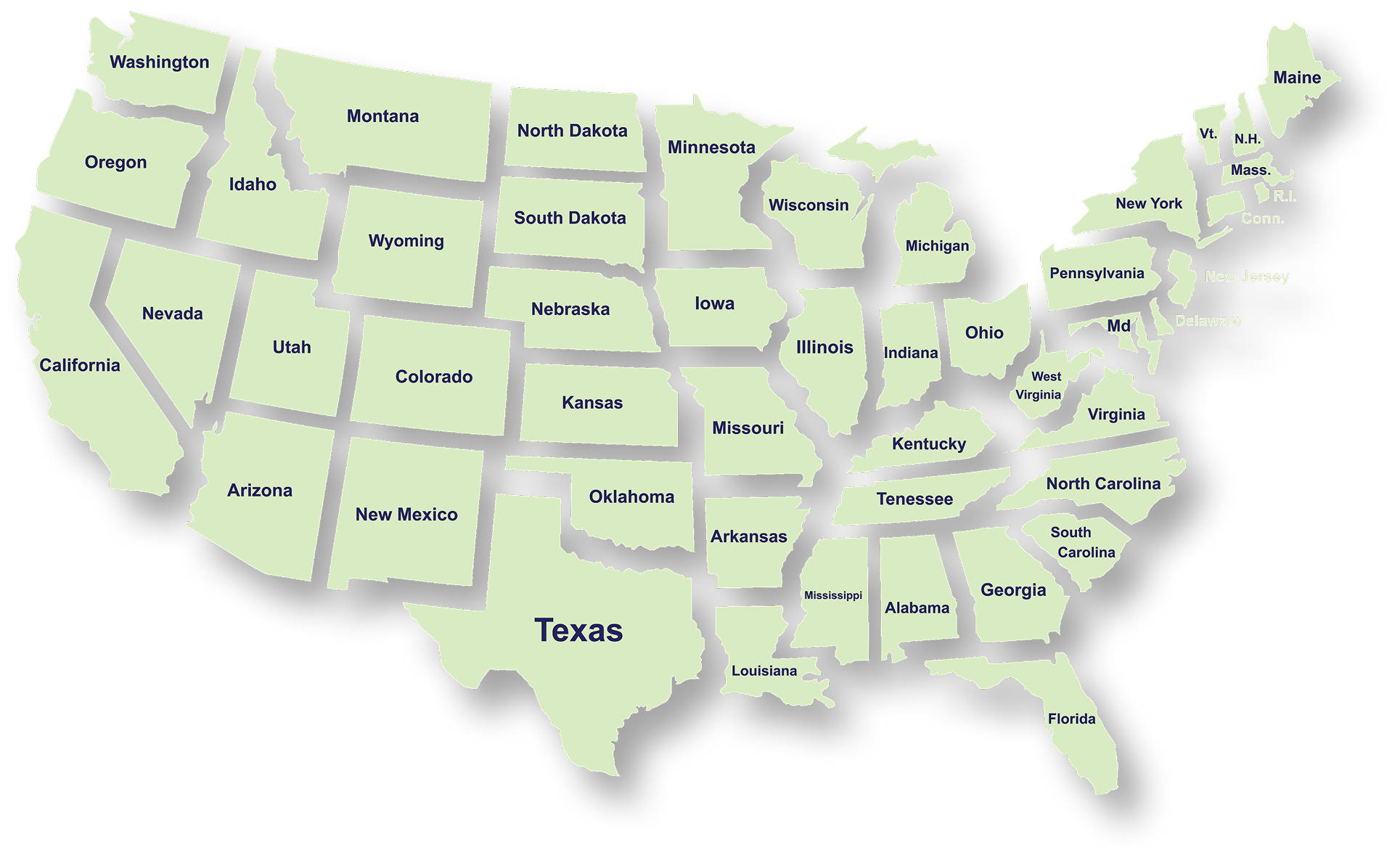
Serving Businesses & Individuals Across USA

We handle accounting, tax filing, and planning with defined timelines and accurate reporting for businesses and individuals across all states.

Frequently Asked Questions

What services does NR CPAs & Business Advisors provide?
What is tax planning and why is it important for businesses?
How can a Virtual CFO help my business?
When should a business consider IRS tax resolution services?
What financial statements does a business typically need?
How can startup advisory services help new businesses?
What is strategic business planning?
What is a Virtual Family Office and who can benefit from it?