Learning Center for Tax and Financial Insights

Stay updated with clear, actionable articles on tax rules, deadlines, deductions, and financial decisions that impact individuals and businesses.

No items found.

Invest in Customer Experience to Boost Your Bottom Line

In today's competitive business landscape, providing an exceptional customer experience (CX) is no longer a luxury—it's a necessity. Companies that prioritize CX not only foster customer loyalty but also see significant improvements in their financial performance. This article explores how investing in customer experience can enhance your bottom line, focusing on the accounting, cash flow, and profit aspects.The Importance of Customer ExperienceCustomer experience encompasses every interaction a customer has with your business, from initial contact to post-purchase support. It is shaped by customers' expectations and subjective responses to direct and indirect contact with a company. This includes customer care, advertising, packaging, features, ease of use, and reliability.How Customer Experience Impacts Financial Performance Increased Customer Retention and LoyaltyExplanation:Customer retention is crucial for long-term profitability. Acquiring new customers is often more expensive than retaining existing ones. A positive customer experience encourages repeat business and fosters loyalty.Financial Impact:Retained customers are more likely to make repeat purchases, leading to a steady revenue stream. This consistent cash flow can improve your business's financial stability and reduce the need for costly marketing campaigns aimed at acquiring new customers.Example:Consider a boutique hotel that invests in personalized guest services and exceptional amenities. Guests who have a positive experience are more likely to return for future stays and recommend the hotel to others. This repeat business provides a reliable source of income and reduces the need for extensive marketing efforts to attract new guests.Higher Customer Lifetime Value (CLV)Explanation:Customer Lifetime Value (CLV) is the total revenue a business can expect from a single customer over the duration of their relationship. Enhancing CX can increase CLV by encouraging customers to spend more and stay longer.Financial Impact:A higher CLV translates to increased revenue and profitability. By focusing on CX, businesses can maximize the value derived from each customer, leading to better financial performance.Example:An e-commerce business that offers personalized shopping experiences and responsive customer service can encourage customers to make larger and more frequent purchases, thereby increasing their CLV.Reduced Customer ChurnExplanation:Customer churn refers to the rate at which customers stop doing business with a company. Poor customer experience is a leading cause of high churn rates.Financial Impact:Reducing churn can significantly improve cash flow and profitability. Lower churn rates mean fewer resources spent on acquiring new customers to replace those lost, allowing more funds to be allocated to growth initiatives.Example:A subscription-based service that proactively addresses customer issues and provides a seamless user experience can reduce churn, ensuring a stable and predictable revenue stream.Positive Word-of-Mouth and ReferralsExplanation:Satisfied customers are more likely to recommend your business to others. Positive word-of-mouth and referrals are powerful marketing tools that can drive new customer acquisition at a lower cost.Financial Impact:Referrals can lead to increased sales without the need for significant marketing expenditures. This can improve your profit margins and enhance overall financial performance.Example:Consider a boutique clothing store that offers personalized shopping experiences and high-quality products. Customers who are delighted with their purchases and the level of service they receive are more likely to share their positive experiences with friends and family. This word-of-mouth promotion can attract new customers to the store, increasing sales without the need for extensive marketing campaigns.

Explore More
No items found.

Top 5 Accounting Mistakes Small Business Owners Make and How to Avoid Them

Proper accounting is the backbone of any successful small business. It ensures that your financial records are accurate, helps you make informed decisions, and keeps you compliant with tax regulations. However, many small business owners, who juggle multiple responsibilities, often commit common accounting mistakes that can lead to significant issues down the line. Avoiding these mistakes can save you time, money, and stress. Here, we discuss the top five accounting mistakes small business owners make and how to avoid them.1. Mixing Personal and Business FinancesExplanation:One of the most common mistakes small business owners make is mixing personal and business finances. This often happens when owners use the same bank account or credit card for both personal and business expenses. While it may seem convenient, this practice can lead to a host of problems.Consequences:Mixing personal and business finances can result in inaccurate financial records, making it difficult to track business performance and manage cash flow. It can also complicate tax filings, as separating personal and business expenses becomes a tedious task. Moreover, it can expose you to legal risks, as it may undermine the limited liability protection offered by certain business structures, such as LLCs and corporations.Solution:To avoid this mistake, open separate bank accounts and credit cards for your business. This will help you maintain clear and accurate financial records. Additionally, consider using accounting software that allows you to categorize and track expenses easily. Keeping personal and business finances separate will simplify your bookkeeping and tax preparation, and provide a clearer picture of your business's financial health.2. Neglecting Regular BookkeepingExplanation:Regular bookkeeping is essential for maintaining organized financial records. However, many small business owners neglect this task, either due to lack of time or because they underestimate its importance. This neglect can lead to disorganized records and financial chaos.Consequences:Failing to keep up with regular bookkeeping can result in missed deductions, cash flow problems, and inaccurate financial statements. It can also make it challenging to identify and rectify errors promptly. In the long run, neglecting bookkeeping can hinder your ability to make informed business decisions and may lead to costly penalties during tax season.Solution:Set aside dedicated time each week to update your books. This can be as simple as entering receipts, reconciling accounts, and reviewing financial statements. If you find it challenging to manage bookkeeping on your own, consider hiring a professional bookkeeper. A professional can ensure that your records are accurate and up-to-date, allowing you to focus on growing your business.3. Failing to Track Expenses AccuratelyExplanation:Accurate expense tracking is crucial for understanding your business's financial health and maximizing tax deductions. However, many small business owners fail to track all their expenses accurately, leading to incomplete financial records.

Explore More
No items found.

Video: Maximizing Summer Break–Tax Benefits, IRA Opportunities, and Family Business Roles for Kids

Delve into essential tax credits and practical tips that parents can utilize to save money during the summer. Discover how the Child and Dependent Care Credit and other tax breaks can help ease your financial burden while ensuring your children are well cared for. Contact us to learn how to maximize your savings and make the most of these valuable opportunities!

Explore More
No items found.

Can States Save Seniors? Fighting the Rising Costs of Property Taxes

Property taxes are a significant financial burden for many Americans, particularly senior citizens. Rising property taxes have begun to jeopardize the financial stability of older adults living on fixed incomes. In response, some states are implementing reforms and rebate programs to alleviate this burden, while others are considering eliminating property taxes altogether. Here, we explore the impact of property taxes on senior citizens, diving into various state programs aimed at providing relief and examining the potential fiscal consequences of abolishing property taxes.Property Tax Relief Programs for SeniorsIn Pennsylvania, Governor Josh Shapiro's administration has rolled out a Property Tax/Rent Rebate Program (PTRR) to help older Pennsylvanians and people with disabilities. As part of this program, $266 million in rebates for property taxes and rent paid in 2023 will be distributed to approximately 442,000 eligible residents starting July 1, 2024. According to CBS News Philadelphia, the Governor’s program was expanded to include 175,000 new beneficiaries, addressing the financial concerns of seniors across the state. “After hearing from seniors across the Commonwealth that we needed to do more to cut costs and put money back in their pockets, my Administration put in the hard work to expand the Property Tax/Rent Rebate program for the first time in nearly 20 years,” said Shapiro.Similarly, Washington State has modified its long-standing property tax break program for older homeowners and people with disabilities. The income limit for eligibility has been increased by 44%, making more Washingtonians eligible. In King County, a Seattle Times report notes, the income cap has been raised to $84,000. Christina Clem, spokesperson for AARP Washington, explained just how significant this program is, saying, “Even if you have your home paid off, if you can’t afford the property taxes, that’s a problem.” The expansion of this program has resulted in a surge of applications, with King County receiving nearly 6,600 applications so far this year, surpassing the total for the entirety of 2023.The Fiscal Impact of Abolishing Property TaxesSome states are contemplating the abolition of property taxes altogether. While this idea might provide immediate relief to homeowners, especially seniors, it poses major fiscal challenges in the long run. Property taxes are a primary source of revenue for most local governments nationwide, funding essential services such as education, public safety, and infrastructure. Eliminating property taxes would necessitate finding alternative revenue sources to maintain these services.

Explore More
No items found.

August 2024 Individual Due Dates

August 12 - Report Tips to EmployerIf you are an employee who works for tips and received more than $20 in tips during July, you are required to report them to your employer on IRS Form 4070 no later than August 12. Your employer is required to withhold FICA taxes and income tax withholding for these tips from your regular wages. If your regular wages are insufficient to cover the FICA and tax withholding, the employer will report the amount of the uncollected withholding in box 8 of your W-2 for the year. You will be required to pay the uncollected withholding when your return for the year is filed.Weekends & Holidays:If a due date falls on a Saturday, Sunday or legal holiday, the due date is automatically extended until the next business day that is not itself a legal holiday.

Explore More
No items found.

August 2024 Business Due Dates

August 12 - Social Security, Medicare and Withheld Income TaxFile Form 941 for the second quarter of 2024. This due date applies only if you deposited the tax for the quarter in full and on time.August 15 - Social Security, Medicare and Withheld Income TaxIf the monthly deposit rule applies, deposit the tax for payments in July.August 15 - Non-Payroll WithholdingIf the monthly deposit rule applies, deposit the tax for payments in July.Weekends & Holidays:If a due date falls on a Saturday, Sunday or legal holiday, the due date is automatically extended until the next business day that is not itself a legal holiday.

Explore More
No results found.
Thank you! Your submission has been received!
Oops! Something went wrong while submitting the form.

Want tax & accounting tips & insights?Sign up for our newsletter.

Thank you! Your submission has been received!
Oops! Something went wrong while submitting the form.

Why Work With Us?

We combine deep tax expertise, financial strategy, and practical business insight to help you manage complexity, stay compliant, and make confident financial decisions.
A dollar sign, representing financial advice or discussion at NR CPAs & Business Advisors.

Experienced CPA and Enrolled Agent Leadership

Guidance led by licensed professionals with deep expertise in tax strategy, compliance, and complex financial matters.
White bar chart with an upward arrow on green circular background representing growth or progress at NR CPAs &. Business Advisors

Support for Growing Businesses and Startups

We understand the financial challenges of growth stage businesses and provide structured guidance to support expansion.
A white hand holding a dollar symbol and ascending bar chart on a green circular background representing financial growth or investment at NR CPAs & Business Advisors..

Strategic Financial Advisory

Our team helps you evaluate financial decisions with greater clarity, supported by practical insights and long term planning.

Fractional CFO Support

Access experienced financial leadership without the commitment and cost of hiring a full time Chief Financial Officer.

Proactive Tax Planning Approach

We focus on identifying tax opportunities throughout the year rather than reacting only during filing season.

Clear and Reliable Financial Reporting

Accurate financial statements and reporting that help you better understand performance and make informed decisions.
White IRS building icon with pillars and a dollar sign above on a green circular background.

Professional IRS Representation

Experienced support in resolving IRS notices, disputes, and compliance matters while protecting your financial interests.

Personalized Client Focus

Every client receives thoughtful attention and tailored financial solutions based on their specific needs and business goals.
Financial matters often involve important decisions. Working with experienced advisors can help you approach them with greater clarity and confidence in your choices.

Need Help With Your Tax or Financial Decisions?

Discuss your situation with our advisors to get clear guidance on tax planning, IRS matters, and the financial decisions ahead.
Business consulting at NR CPAs & Business Advisors.

Request Your Consultation

Fill out the form to discuss your tax concerns, financial questions, or advisory needs with our team. We will review your details and respond shortly.

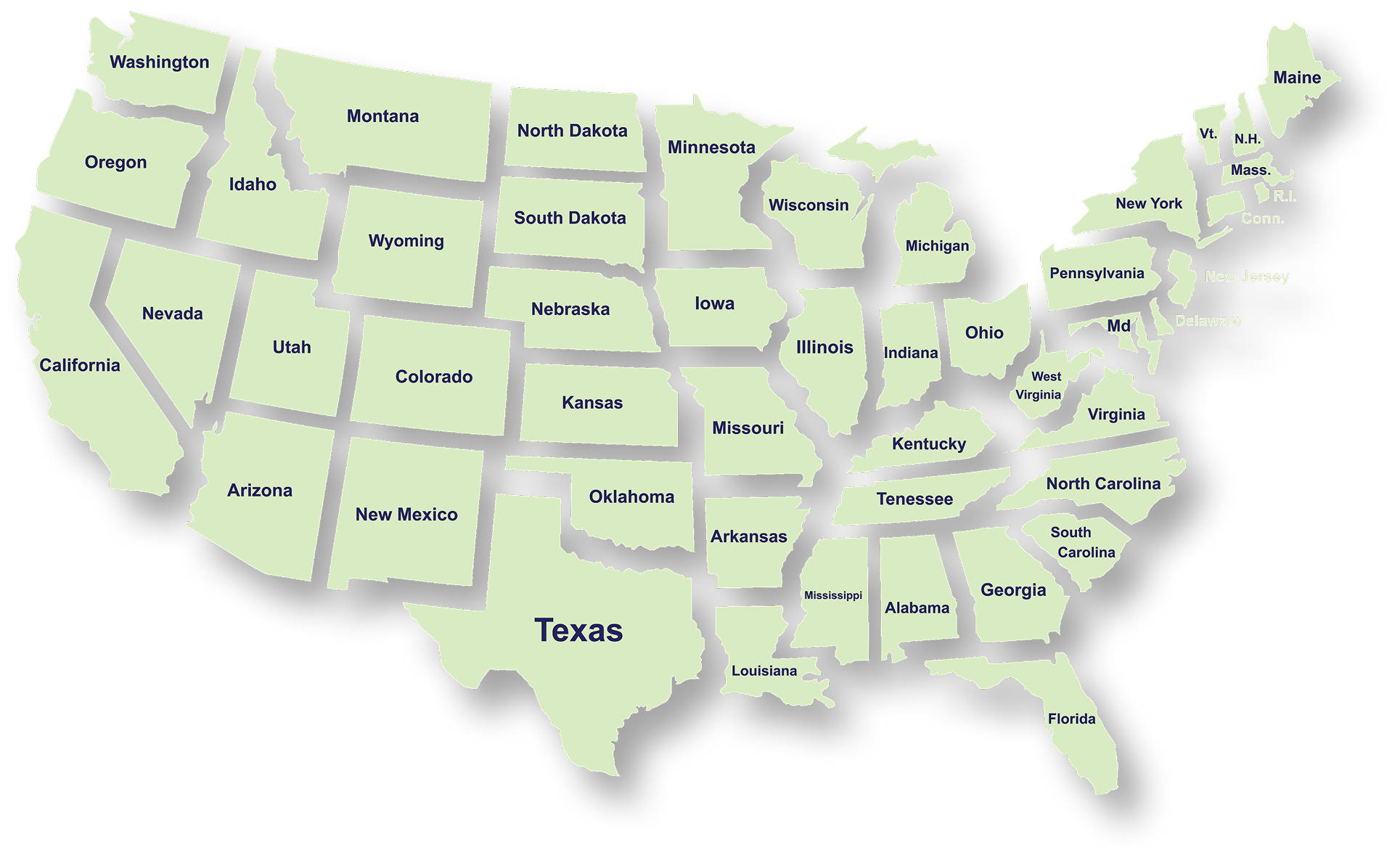
Serving Businesses & Individuals Across USA

We handle accounting, tax filing, and planning with defined timelines and accurate reporting for businesses and individuals across all states.

Frequently Asked Questions

What services does NR CPAs & Business Advisors provide?
What is tax planning and why is it important for businesses?
How can a Virtual CFO help my business?
When should a business consider IRS tax resolution services?
What financial statements does a business typically need?
How can startup advisory services help new businesses?
What is strategic business planning?
What is a Virtual Family Office and who can benefit from it?