Learning Center for Tax and Financial Insights

Stay updated with clear, actionable articles on tax rules, deadlines, deductions, and financial decisions that impact individuals and businesses.

No items found.

Unlocking Financial Relief: How Medicaid Waiver Payments Offer Tax Benefits and Tax Free Income

Article Highlights:What are Medicaid Waiver Payments?The Taxability of Medicaid Waiver PaymentsEarned Income Tax Credit (EITC) and Medicaid Waiver PaymentsMedicaid waiver payments have become a significant aspect of the healthcare and tax landscape in the United States, especially for individuals and families providing care to those who would otherwise require institutionalized services. This article delves into the intricacies of Medicaid waiver payments, exploring their definition, tax implications, their relationship with the Earned Income Tax Credit (EITC), and the correct method of reporting these payments on tax returns.What are Medicaid Waiver Payments? - Medicaid waiver payments are funds provided to caregivers of individuals with disabilities, chronic illnesses, or who are aging, allowing the individual to receive care in a home or community-based setting rather than in an institutional or nursing home environment. These payments are part of Medicaid's Home and Community-Based Services (HCBS) waivers, which states can apply for to tailor services to meet the needs of specific populations.The Taxability of Medicaid Waiver Payments - In 2014, the IRS issued Notice 2014-7, which significantly impacted the tax treatment of Medicaid waiver payments. According to this notice, Medicaid waiver payments that meet certain requirements are excludable from the caregiver’s gross income. This exclusion applies regardless of whether the caregiver and the care recipient are related, marking a pivotal change in how these payments are treated for tax purposes.For the favorable tax treatment to apply, the care provider and the person receiving the care must have the same home, which can be either the care provider’s home or the home of the individual being cared for. The care provider's home means the place where the provider resides and regularly performs the routines of the provider's private life, such as shared meals and holidays with family. Further, the number of qualified individuals being cared for cannot be more than 10, if the qualified individuals are age 18 and under, OR not more than 5 if the number of qualified individuals is age 19 or over.

Explore More
No items found.

Unlocking Financial Benefits for Heroes: How Retired Public Service Officers Can Save Big on Health Insurance

Article Highlights:Public Safety OfficersMedical Insurance Pension Distribution ExclusionThe Public Safety Officers' Benefits (PSOB) ProgramTax-Free Health and Disability BenefitsDeductible Retirement Plan ContributionsSpecial Tax Treatment for Early Retirement DistributionsPublic safety officers, including police officers, firefighters, emergency medical technicians (EMTs), and other first responders, dedicate their lives to serving and protecting their communities. Recognizing the risks and sacrifices associated with these professions, the United States tax code provides several benefits aimed at easing the financial burdens of these vital community members. This article explores the various tax benefits available to public safety officers, offering insights into how they can maximize their benefits and reduce their tax liabilities.A "qualified public safety employee" means any employee of a state or political subdivision of a state who provides police protection, fire-fighting services, or emergency medical services for any area within the jurisdiction of that state or political subdivision. Also included are certain federal law enforcement officers, customs and border protection officers, federal firefighters, air traffic controllers, nuclear materials couriers, U.S. Capitol Police, Supreme Court Police, and diplomatic security special agents.Medical Insurance Pension Distribution Exclusion - This tax provision allows eligible retired public safety officers to exclude from their taxable pension income distributions from governmental retirement plans used to pay for health or long-term care insurance premiums. The premiums can be for the retiree, spouse, or dependents. This is an annual election.For years prior to 2023, the insurance payment had to be paid directly from the pension plan to the insurance providers to qualify for the exclusion. The SECURE 2.0 Act, however, has removed the direct payment requirement, broadening the accessibility of this benefit. Now, retired public safety officers can avail themselves of this exclusion by including an attestation in their tax return that the distribution does not exceed the amount they paid for qualified health insurance premiums for the year.The exclusion is capped at $3,000 per year, providing a tangible tax relief to those who qualify. To be eligible, individuals must be retired public safety officers, which includes roles such as police officers and firefighters, among others. The individual must have separated from service, either because of disability or after reaching normal retirement age.It's important to note that any amount excluded under this provision cannot be deducted as a medical expense for itemized deductions. Furthermore, it is not includible as health insurance for calculating the self-employed health insurance deduction. This ensures that the benefit is not double-counted in any form of tax relief or deduction.The Public Safety Officers' Benefits (PSOB) Program - A significant benefit for public safety officers is the Public Safety Officers' Benefits (PSOB) Program, which is overseen by the Bureau of Justice Assistance, part of the U.S. Department of Justice. This program provides death and education benefits to survivors of officers who die in the line of duty. Importantly, the death benefit provided under the PSOB program is not taxable. This means that families receiving this benefit will not have to include it in their gross income for tax purposes, providing some financial relief during a difficult time.Tax-Free Health and Disability Benefits - Public safety officers often have access to health and disability benefits through their employment. In many cases, these benefits are not considered taxable income. For example, amounts received as compensation for personal physical injuries or sickness, including injuries incurred in the line of duty, are generally not taxable. This also extends to disability pensions received before the minimum retirement age set by the employer, provided the disability was caused by an injury sustained in the line of duty.

Explore More
No items found.

Say Sayonara to Manual Transaction Entry in QuickBooks Online

Ditching manual transaction entry should be your number one priority now that QuickBooks Online streamlines the process of importing transactions from your bank. When you manually input transactions, you open the door to data transposition errors, potentially leading to inaccuracies in customer billing, reports, and taxes. Plus, it's a time-consuming task that eats into hours you could spend running other aspects of your business.If you're still manually entering transactions into your accounting software, consider connecting your online bank accounts to QuickBooks Online. Once your transactions automatically transfer to your QuickBooks Online system, you can easily review their completeness before storing them. Finding and accessing your transactions whenever you need them becomes a breeze.Here's a breakdown of how it all works:Connecting AccountsTo get started, make sure you’ve set up usernames and passwords for any online bank accounts you want to link. In QuickBooks Online, navigate to Bookkeeping > Transactions > Bank transactions. Click "Link account" on the right-hand side.

Explore More
No items found.

Purr-fect Savings: The Secrets of Pet Tax Deductions

When tax season rolls around every year, many pet owners wonder if they can get a tax break for their furry companions – after all, “pet parents” often consider their fur babies to be as much a part of the family as actual children. Pet expenses are big business in the United States. The World Animal Foundation noted that Americans spent $147 billion on pets, pet services, and pet products in 2023. While the average pet owner won't qualify for tax deductions related to their pets, there are some exceptions worth exploring.Service Animals and Medical ExpensesService animals play a crucial role in the lives of individuals with disabilities, providing essential support and assistance. If you require a guide, service, or therapy animal due to a diagnosed medical condition, such as blindness, epilepsy, or anxiety, you may be eligible to deduct the cost of their care as a medical expense on your taxes. This typically includes expenses like grooming, food, veterinary care, and training. However, it's important to note that your pet must be certified and trained as a service animal to qualify for this deduction.Guard Dogs for Business UseIf you use a guard dog primarily for business purposes, you may be legally allowed to deduct the cost of their care as a business expense. While you CAN’T deduct the cost of purchasing the dog itself, you may be eligible to deduct expenses such as food, training, boarding, and medical care. This deduction applies to expenses incurred during the dog's working hours and is limited to the dog's business-related activities. For example, you cannot deduct costs associated with traveling with your dog for personal activities like a family vacation. Pet Fostering and Charitable ContributionsVolunteering with a service animal agency or pet rescue organization can also have tax benefits. If you foster pets in your home or on your property, you may be eligible to claim deductions for unreimbursed expenses related to their care. This includes the overall cost of food, shelter, veterinary bills, grooming costs, litter, and bedding materials. These expenses typically qualify as charitable donations and are deductible up to 50 percent of your adjusted gross income.Professional Breeders and Law Enforcement HandlersProfessional breeders and law enforcement dog handlers may also qualify for tax deductions related to their pets. Smart Asset notes that breeders can deduct expenses like food, medical bills, boarding costs, advertising, and other business-related expenses. Similarly, law enforcement handlers may deduct expenses associated with maintaining a police dog, such as food and kennel expenses, if they're not reimbursed through their job.

Explore More
No items found.

Video Tips: Are Political Contributions Tax-Deductible?

With political campaigns in full swing, you might be looking to donate to your campaign of choice. But are political contributions tax-deductible? Watch this video to find out!

Explore More
No items found.

The Taxation of Legal Settlements and Deductibility of Legal Fees

Article Highlights:Taxation of Legal Settlementso Wrongful Deatho Emotional Distresso Previously Deducted Medical Expenseso Employment Discriminationo Age Discriminationo Punitive DamagesDeductibility of Legal Feeso Personalo Businesso AllocationsSupreme Court Ruling on Contingent Attorney FeesNavigating the taxation landscape of legal settlements and the deductibility of associated legal fees can be a complex endeavor. The Internal Revenue Service (IRS) has specific rules that govern how these financial transactions are treated for tax purposes. Understanding these rules is crucial for individuals and businesses alike to ensure compliance and optimize their tax positions.Taxation of Legal Settlements - Legal settlements can arise from a variety of circumstances, including employment disputes, personal injury claims, and class action lawsuits. The tax treatment of these settlements depends largely on the nature of the claim.Generally, settlements that compensate for physical injuries or sickness are not taxable, and you do not have to include the settlement proceeds in your income. However, punitive damages and interest on the settlement are taxable, regardless of the nature of the claim.For non-physical injury settlements, the settlement amount is typically considered taxable income. The rationale is that these settlements replace income that would have been taxable if received in the normal course, such as salary or business income.The following is the tax treatment for a variety of circumstances:Wrongful Death – Wrongful death is considered physical injury or physical sickness for purposes of the income exclusion. In addition, punitive damages are excludable where state law provides that only punitive damages can be awarded in wrongful death suits.Emotional Distress - Emotional distress isn’t considered physical injury or physical sickness for purposes of the income exclusion. However, the exclusion from gross income does apply to the portion of a damage award received for emotional distress that is attributable to a physical injury, but not in excess of the amount paid for medical care related to emotional distress.Previously Deducted Medical Expenses – Even though awards for physical injury or physical sickness are excludable, if any part of the award received is compensation for medical expenses deducted in a prior year, that portion of the award must be included as income, up to the amount of the deduction taken.Employment Discrimination - No exclusion is allowed for damages received in a suit involving employment discrimination or an injury to reputation that is accompanied by a claim of emotional distress. However, the exclusion would apply to a claim of emotional distress related to a physical injury or physical sickness.Age Discrimination - The law doesn’t consider back pay or liquidated damages received under the Age Discrimination in Employment Act (ADEA) to be compensation for personal injuries; therefore, these payments are includable in income. But see the special treatment of attorney fees below.Punitive Damages – Punitive damages are made as a punishment for unlawful conduct and are always taxable; they cannot be excluded from income as damages received due to personal physical injury or physical sickness, except as noted above for wrongful death.Unpaid or Disputed Employment Earnings – Back pay, severance pay, overtime pay, etc., are all treated as W-2 type income and are both taxable and subject to payroll FICA withholding.Interest – Interest that may be included in an award, even one for personal injury or sickness, is not excludable and must be included in gross income.It’s not unusual for a plaintiff to sue for both excludable and non-excludable damages. Example: an employee is injured on the job and sues for back vacation pay of $10,000 and damages for personal injury in the amount of $90,000 (a total of $100,000). If the suit is settled for $50,000 without a stipulation of how the settlement is applied, the settlement will need to be allocated in the same manner as the original suit. In this example, the settlement would be allocated $5,000 for back vacation pay (taxable) and $45,000 for personal injury (excludable).

Explore More
No results found.
Thank you! Your submission has been received!
Oops! Something went wrong while submitting the form.

Want tax & accounting tips & insights?Sign up for our newsletter.

Thank you! Your submission has been received!
Oops! Something went wrong while submitting the form.

Why Work With Us?

We combine deep tax expertise, financial strategy, and practical business insight to help you manage complexity, stay compliant, and make confident financial decisions.
A dollar sign, representing financial advice or discussion at NR CPAs & Business Advisors.

Experienced CPA and Enrolled Agent Leadership

Guidance led by licensed professionals with deep expertise in tax strategy, compliance, and complex financial matters.
White bar chart with an upward arrow on green circular background representing growth or progress at NR CPAs &. Business Advisors

Support for Growing Businesses and Startups

We understand the financial challenges of growth stage businesses and provide structured guidance to support expansion.
A white hand holding a dollar symbol and ascending bar chart on a green circular background representing financial growth or investment at NR CPAs & Business Advisors..

Strategic Financial Advisory

Our team helps you evaluate financial decisions with greater clarity, supported by practical insights and long term planning.

Fractional CFO Support

Access experienced financial leadership without the commitment and cost of hiring a full time Chief Financial Officer.

Proactive Tax Planning Approach

We focus on identifying tax opportunities throughout the year rather than reacting only during filing season.

Clear and Reliable Financial Reporting

Accurate financial statements and reporting that help you better understand performance and make informed decisions.
White IRS building icon with pillars and a dollar sign above on a green circular background.

Professional IRS Representation

Experienced support in resolving IRS notices, disputes, and compliance matters while protecting your financial interests.

Personalized Client Focus

Every client receives thoughtful attention and tailored financial solutions based on their specific needs and business goals.
Financial matters often involve important decisions. Working with experienced advisors can help you approach them with greater clarity and confidence in your choices.

Need Help With Your Tax or Financial Decisions?

Discuss your situation with our advisors to get clear guidance on tax planning, IRS matters, and the financial decisions ahead.
Business consulting at NR CPAs & Business Advisors.

Request Your Consultation

Fill out the form to discuss your tax concerns, financial questions, or advisory needs with our team. We will review your details and respond shortly.

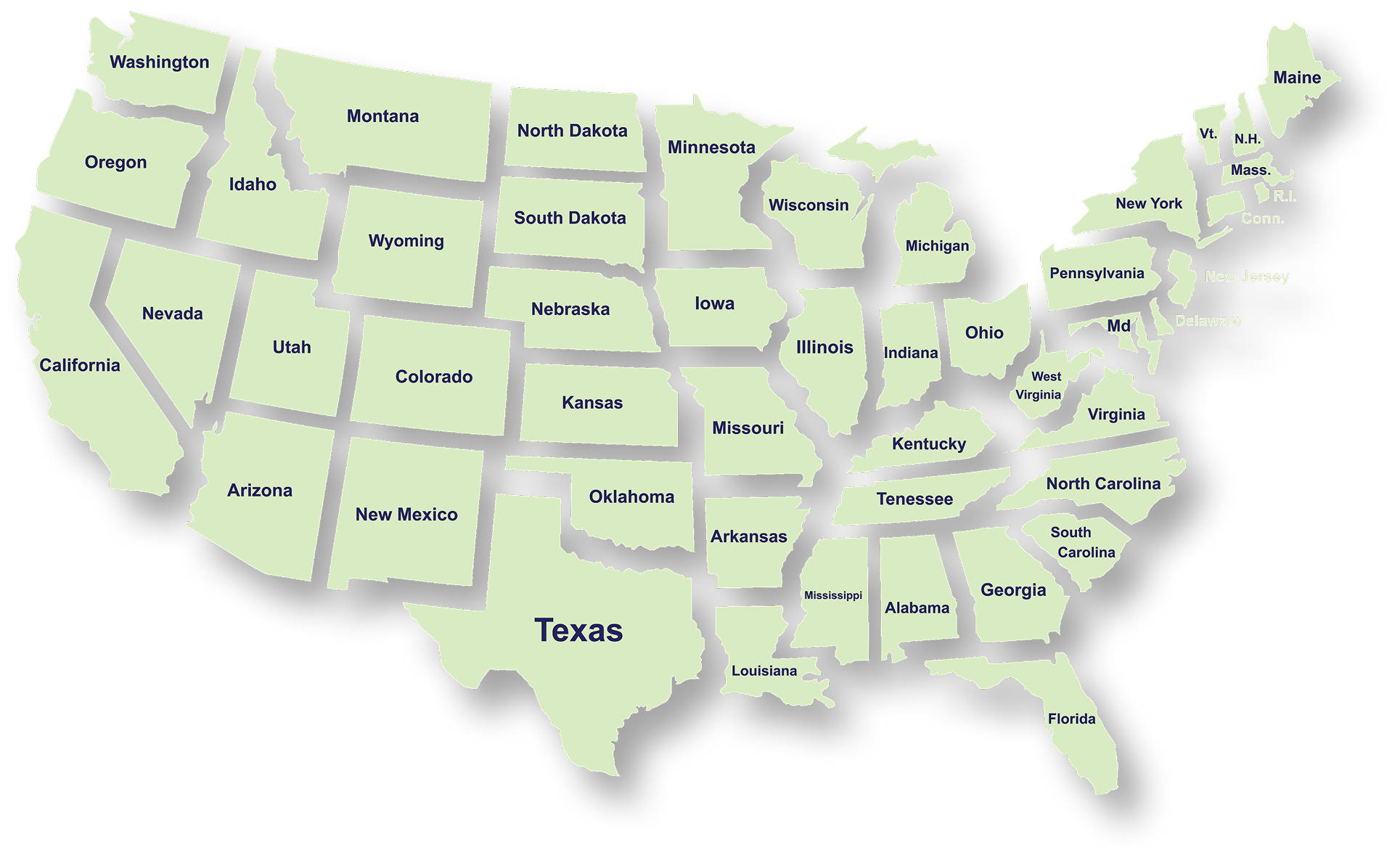
Serving Businesses & Individuals Across USA

We handle accounting, tax filing, and planning with defined timelines and accurate reporting for businesses and individuals across all states.

Frequently Asked Questions

What services does NR CPAs & Business Advisors provide?
What is tax planning and why is it important for businesses?
How can a Virtual CFO help my business?
When should a business consider IRS tax resolution services?
What financial statements does a business typically need?
How can startup advisory services help new businesses?
What is strategic business planning?
What is a Virtual Family Office and who can benefit from it?