Learning Center for Tax and Financial Insights

Stay updated with clear, actionable articles on tax rules, deadlines, deductions, and financial decisions that impact individuals and businesses.

No items found.

Cracking the (Tax) Code: Your Guide to Tax Jargon

Do taxes have you feeling like you've stumbled into a secret society with its own language? You're not alone! The world of taxes is full of jargon that can leave even the savviest of individuals scratching their heads. But don't worry, we’re here to help! In this brief guide, we’ll give you the lowdown on some of the most important tax terms you should know. By the time you reach the end, you’ll be on your way to feeling like a certified tax expert – or at least like you can impress your friends at the next tax season party.1. AGI (Adjusted Gross Income)Tax Season-Speak: "Your AGI is a critical factor in determining your taxable income."Translation: AGI is, in many ways, the starting point of your tax journey. It's your total income before any deductions or credits, and it's a number that is magic for tax professionals.2. W-2 FormTax Season-Speak: "Don't forget to report your W-2 income."Translation: IRS Form W-2 is the wage and tax statement that employers send to exempt employees to summarize their earnings and the taxes withheld. It's like a report card, so to speak, for grown-ups.3. 1099 FormTax Season-Speak: "Freelancers usually receive a 1099 form."Translation: If you're a freelancer or contractor, you should receive IRS Form 1099 from every client you had over the course of the tax year. It tells the IRS that you've earned income without any withholding, which means you'll have to pay up come tax time. Generally, it’s smart for freelancers to set aside at least 20% of their income for tax payments, particularly if they are required to pay quarterly taxes.Remember: As the gig economy becomes more and more popular, Uber drivers, DoorDash delivery personnel, and others who work similar gigs are all considered freelancers by the IRS!4. Tax DeductionsTax Season-Speak: "Don't forget to itemize your tax deductions."Translation: Deductions are like tax discounts. They reduce your taxable income and can include things like mortgage interest, medical expenses, and charitable contributions.5. Tax CreditsTax Season-Speak: "You might qualify for the Child Tax Credit."Translation: Unlike deductions, credits directly reduce the taxes you owe. They're like the golden tickets of the tax world, offering you cold, hard cash from the IRS.6. IRSTax Season-Speak: "I need to file my return with the IRS."Translation: The Internal Revenue Service, or IRS, is the federal agency responsible for collecting taxes. It's the big boss of taxland.7. Filing StatusTax Season-Speak: "Your filing status affects your tax rate."Translation: Your filing status defines how you'll file your taxes – single, married, head of household, etc. Your status determines all sorts of things about your annual tax return, including your tax rate and eligibility for certain deductions.

Explore More
No items found.

IRS Offering a Withdrawal Process for Ineligible ERC Claims

Article Highlights:ERC Marketers and PromotersPotential Criminal Investigation and ProsecutionAbout the ERCWho Can Withdraw an ERC ClaimHow to Withdraw a Questionable ERC ClaimThe IRS has created a withdrawal option to help small business owners and others who were pressured or misled by ERC marketers or promoters into filing ineligible claims. Claims that are withdrawn will be treated as if they were never filed. The IRS will not impose penalties or interest. The IRS continues to warn taxpayers to use extreme caution before applying for the ERC as aggressive maneuvers continue by marketers and scammers.However, those who willfully filed a fraudulent claim, or those who assisted or conspired in such conduct, should be aware that withdrawing a fraudulent claim will not exempt them from potential criminal investigation and prosecution.The withdrawal option comes on the heels of the IRS announcing the imposition of a moratorium on processing new claims until at least the end of 2023, and that thousands of ERC claims already have been referred for audit. As part of their review procedure and to ensure a claim is legitimate, the IRS may ask for additional documentation from the taxpayer.The ERC, an abbreviation of the Employee Retention Tax Credit or ERTC, is a refundable payroll tax credit designed for businesses that continued paying employees during specified periods of the COVID-19 pandemic while their business operations were fully or partially suspended due to a government order, or they had a significant decline in gross receipts during the eligibility periods. The credit is not available to individuals.The ERC is a complex tax credit that has been aggressively marketed by ERC marketers or promoters, and these schemes have harmed well-meaning businesses and organizations, and some are having second thoughts about their claims. The IRS wants to give these taxpayers a way out. The withdrawal option allows employers with pending claims to avoid future problems, and they are encouraged to closely review the withdrawal option and the requirements. The IRS continues to urge taxpayers to consult with a trusted tax professional rather than a marketing company about this complex tax credit.Who Can Ask to Withdraw an ERC Claim - Employers can use the ERC claim withdrawal process if all the following apply:They made the claim on an adjusted employment return (Forms 941-X, 943-X, 944-X, CT-1X).They filed the adjusted return only to claim the ERC, and they made no other adjustments.They want to withdraw the entire amount of their ERC claim.The IRS has not paid their claim, or the IRS has paid the claim, but the taxpayer hasn’t cashed or deposited the refund check.

Explore More
No items found.

What to Do When You've Made a Mistake on Your Tax Return

Filing taxes can be a complex process, and it's not uncommon for mistakes to occur. Whether it's a simple miscalculation or a more significant error, knowing how to navigate IRS tax problems is crucial for taxpayers. In this guide, we'll walk you through the steps to take if you find yourself in a situation where you've made a mistake on your tax return. From recognizing the error to seeking professional help, we'll provide you with actionable advice to ensure you're on the right track.Recognize the MistakeAcknowledging a mistake on your tax return is the first crucial step. With over 160 million tax returns processed annually, errors are not uncommon. If you find a mistake, rest assured, you're not alone. The important thing is to take swift and responsible action to rectify the error.How will the IRS find out about your mistake?The IRS matching program, also known as the Information Matching Program, is a system used by the Internal Revenue Service (IRS) to verify the accuracy of tax returns filed by taxpayers. The program works by comparing the information reported on individual tax returns with data received from third-party sources, such as employers, financial institutions, and other entities that provide income-related information.The primary goal of the IRS matching program is to identify discrepancies or inconsistencies in reported income, deductions, and credits. If the information reported on a tax return does not align with the data received from third-party sources, it may trigger further review or an audit by the IRS.For example, if a taxpayer reports a different amount of income than what their employer reported on their W-2 form, it could raise a red flag in the matching program. Similarly, discrepancies in interest income reported by financial institutions or other income sources can be flagged for review.It's important for taxpayers to ensure that the information they report on their tax returns is accurate and matches the data provided by third parties. Failing to do so can lead to penalties, interest charges, and potential legal consequences.Overall, the IRS matching program is a critical tool in the IRS's efforts to maintain tax compliance and ensure that taxpayers are reporting their income and deductions correctly.Don't Panic

Explore More
No items found.

Video Tips: Tax & Holiday Gifts for Employees

During the holidays, employers often give gifts to employees, but it's important to consider the tax implications. Depending on the type of gift, the value may be taxable, and both employers and employees should be aware of and comply with relevant tax regulations to ensure a smooth holiday gift-giving process.

Explore More
No items found.

Smart Strategies for Building and Expanding Your Nest Egg

In today's dynamic financial landscape, it's imperative to explore innovative ways to save and grow your nest egg. This comprehensive guide outlines practical and proven savings hacks that can significantly enhance your financial security and future prosperity.1. Craft a Comprehensive Budget:The foundation of any successful savings plan starts with a well-defined budget. By meticulously tracking your income and expenses, you gain a clear understanding of where your money is going. This insight enables you to identify areas for potential cutbacks, paving the way for increased savings.2. Streamline Savings with Automation:Harness the power of automation to effortlessly bolster your savings. Establish automatic transfers from your checking account to your designated savings account. This seamless process ensures consistent contributions, allowing you to build your nest egg without the need for constant manual intervention.3. Optimize Retirement Contributions:Maximize the benefits of employer-sponsored retirement plans like 401(k)s. Channel as much of your income as possible into these accounts, enjoying the added advantage of tax-deductible contributions. This strategic move not only secures your financial future but also yields immediate tax savings.4. Leverage Tax Credits:Explore the plethora of available tax credits to minimize your tax liability. For instance, the Child Tax Credit and the Earned Income Tax Credit (EITC) offer substantial relief for low to moderate-income individuals and families, especially those with children. Knowing which credits apply to your situation can result in significant savings. There are several tax credits available for higher earners and business owners. Here are a few:Research & Development Tax Credit: This credit is designed to incentivize businesses to invest in research and development. It's available to businesses of all sizes that design, develop, or improve products, processes, techniques, formulas, or software.Work Opportunity Tax Credit (WOTC): This credit is available to employers who hire individuals from certain targeted groups, including veterans, ex-felons, and individuals receiving government assistance. The credit can be up to 40% of the first $6,000 in wages.Foreign Tax Credit: If you or your business pays taxes to a foreign government, you may be eligible for a credit on your U.S. tax return.Energy Investment Tax Credits: Businesses that invest in renewable energy or energy-efficient equipment may be eligible for a tax credit. This includes investments in solar energy systems, fuel cells, and small wind turbines.New Markets Tax Credit: This credit is designed to encourage investment in low-income communities. It provides a credit for investments made in community development entities that, in turn, provide loans, investments, or services in low-income communities.Low-Income Housing Tax Credit: This credit is available to developers or investors in affordable housing projects. The credit is equal to a percentage of the cost of investment in affordable housing properties.

Explore More
No items found.

Employers, Don't Miss Out on the Work Opportunity Credit

Article Highlights:Potential CreditEligible EmployeesCredit DeterminationCertification Process Other IssuesThe Work Opportunity Tax Credit (WOTC)allows employers who are willing to help disadvantaged individuals to benefit from a substantial federal tax credit.The WOTC is typically worth up to $2,400 for each eligible employee, but it can be worth up to $9,600 for certain veterans and up to $9,000 for “long-term family assistance recipients.” The credit is available for eligible employees who begin working for the new employer before December 31, 2025.Generally, an employer is eligible for the WOTC only when paying qualified wages to members of any of the targeted groups listed below. For more details on the required qualifications for each group, see the instructions for IRS Form 8850 (Pre-Screening Notice and Certification Request for the Work Opportunity Credit).The formerly incarcerated or those previously convicted of a felony;Recipients of state assistance under part A of title IV of the Social Security Act (SSA);Veterans;Residents in areas designated as empowerment zones or rural renewal counties;Individuals referred to an employer following completion of a rehabilitation plan or program;Individuals whose families are recipients of supplemental nutrition assistance (SNAP) under the Food and Nutrition Act of 2008;Recipients of supplemental security income benefits under title XVI of the SSA;Summer youth employees;Individuals whose families are recipients of state assistance under part A of title IV of the SSA; andIndividuals experiencing long-term unemployment.For an employer to qualify for the credit, the employee must work a minimum of 120 hours and receive at least 50% of his or her wages from that employer for working in the employer’s trade or business. Relatives of the employer and employees who have previously worked for the employer do not qualify for the credit.For an employee from most of the targeted groups, the credit is based upon the first $6,000 of first-year wages. If an employee completes at least 120 hours but less than 400 hours of service for the employer, the credit is equal to those wages multiplied by 25%. If the employee completes 400 or more hours of service, the credit is equal to the wages multiplied by 40%. Thus, the maximum credit per employee in one of these groups would be $2,400 (.4 x $6,000). For the summer youth employees, only the first $3,000 of the first-year wages are taken into account, resulting in a maximum per-employee credit of $1,200 (.4 x $3,000)Two categories allow for higher first-year wages to be eligible when calculating the credit:Long-term family assistance recipients – For this category, the first-year wage eligible for the credit is increased to $10,000, thus allowing a maximum credit of $4,000 (.4 x $10,000). In addition, this group qualifies for a credit in the second year (immediately following the first year); this is equal to 50% of second-year wages up to $10,000.Veterans – The three possible qualifications of veterans have applicable first-year wages for the credit of up to $12,000, up to $14,000 and up to $24,000. Thus, the maximum credit for this group is between $4,800 (.4 x $12,000) and $9,600 (.4 x $24,000), depending upon the qualification.

Explore More
No results found.
Thank you! Your submission has been received!
Oops! Something went wrong while submitting the form.

Want tax & accounting tips & insights?Sign up for our newsletter.

Thank you! Your submission has been received!
Oops! Something went wrong while submitting the form.

Why Work With Us?

We combine deep tax expertise, financial strategy, and practical business insight to help you manage complexity, stay compliant, and make confident financial decisions.
A dollar sign, representing financial advice or discussion at NR CPAs & Business Advisors.

Experienced CPA and Enrolled Agent Leadership

Guidance led by licensed professionals with deep expertise in tax strategy, compliance, and complex financial matters.
White bar chart with an upward arrow on green circular background representing growth or progress at NR CPAs &. Business Advisors

Support for Growing Businesses and Startups

We understand the financial challenges of growth stage businesses and provide structured guidance to support expansion.
A white hand holding a dollar symbol and ascending bar chart on a green circular background representing financial growth or investment at NR CPAs & Business Advisors..

Strategic Financial Advisory

Our team helps you evaluate financial decisions with greater clarity, supported by practical insights and long term planning.

Fractional CFO Support

Access experienced financial leadership without the commitment and cost of hiring a full time Chief Financial Officer.

Proactive Tax Planning Approach

We focus on identifying tax opportunities throughout the year rather than reacting only during filing season.

Clear and Reliable Financial Reporting

Accurate financial statements and reporting that help you better understand performance and make informed decisions.
White IRS building icon with pillars and a dollar sign above on a green circular background.

Professional IRS Representation

Experienced support in resolving IRS notices, disputes, and compliance matters while protecting your financial interests.

Personalized Client Focus

Every client receives thoughtful attention and tailored financial solutions based on their specific needs and business goals.
Financial matters often involve important decisions. Working with experienced advisors can help you approach them with greater clarity and confidence in your choices.

Need Help With Your Tax or Financial Decisions?

Discuss your situation with our advisors to get clear guidance on tax planning, IRS matters, and the financial decisions ahead.
Business consulting at NR CPAs & Business Advisors.

Request Your Consultation

Fill out the form to discuss your tax concerns, financial questions, or advisory needs with our team. We will review your details and respond shortly.

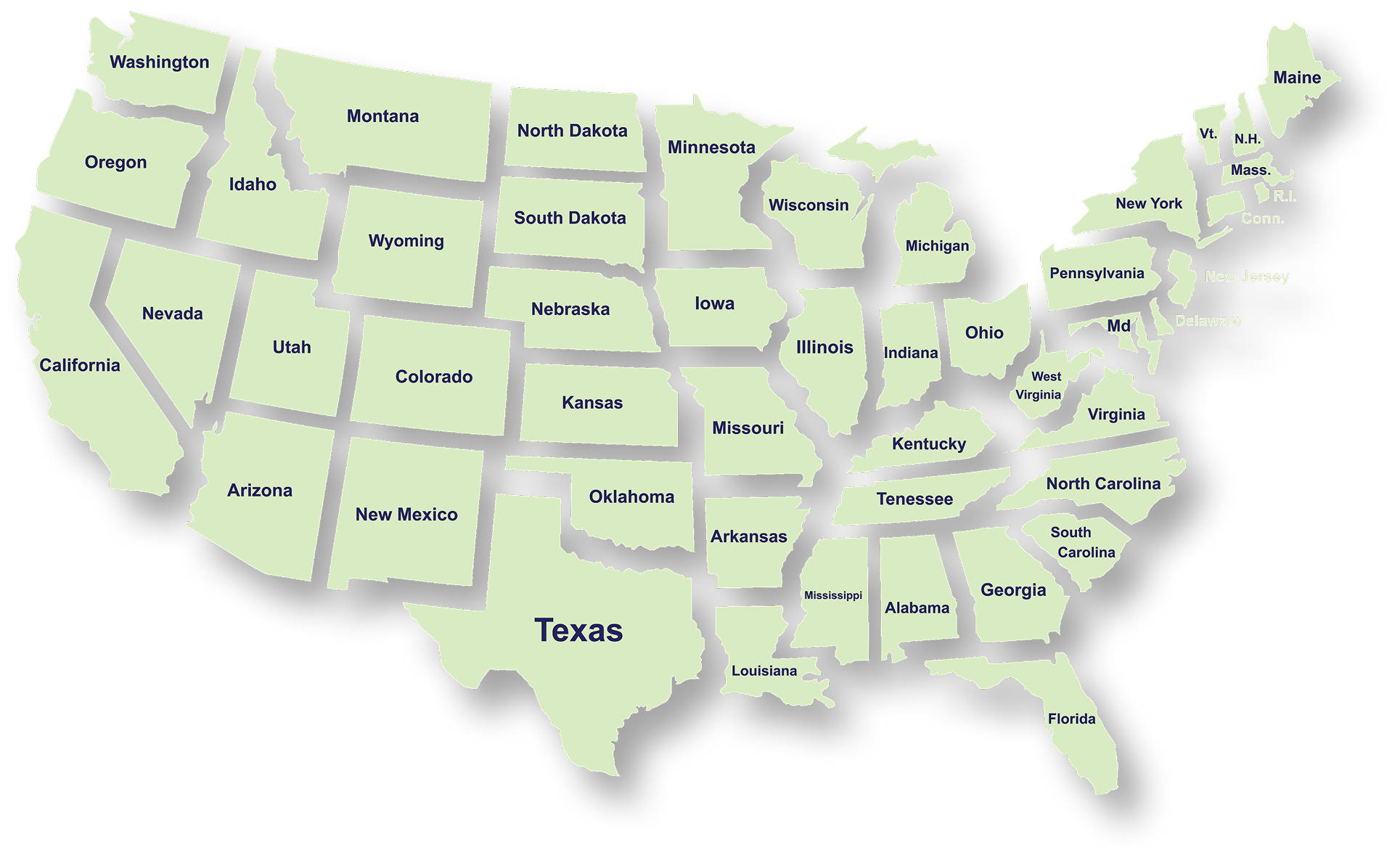
Serving Businesses & Individuals Across USA

We handle accounting, tax filing, and planning with defined timelines and accurate reporting for businesses and individuals across all states.

Frequently Asked Questions

What services does NR CPAs & Business Advisors provide?
What is tax planning and why is it important for businesses?
How can a Virtual CFO help my business?
When should a business consider IRS tax resolution services?
What financial statements does a business typically need?
How can startup advisory services help new businesses?
What is strategic business planning?
What is a Virtual Family Office and who can benefit from it?