Learning Center for Tax and Financial Insights

Stay updated with clear, actionable articles on tax rules, deadlines, deductions, and financial decisions that impact individuals and businesses.

No items found.

IRS Alters Audit Focus

Article Highlights:Audit MethodsAdditional Audit FundingTaxpayers Earning Less Than $400,000Earned Income Tax CreditTaxpayers With Total Positive Income Above $1 MillionPartnershipsForeign Bank AccountsEmployee Retention CreditA key component in promoting the highest degree of voluntary compliance on the part of taxpayers is enforcement of the tax law. By pursuing those individuals and businesses who don't comply with their tax obligations, the IRS is being fair to those who are compliant. This helps promote public confidence in our tax system for all taxpayers. The IRS enforces the tax law in several ways, but primarily through the examination of tax returns that are identified as having the highest potential for noncompliance. This identification is determined using risk-based scoring mechanisms, data driven algorithms, third party information, whistleblowers and information provided by the taxpayer. The objective of an examination is to determine if income, expenses, and credits are being reported accurately.IRS employees conduct examinations or audits in one of two ways. The first is by mail and are called correspondence examinations. The second, called face-to-face examinations, take place in person at an IRS office or at the taxpayer's place of business. The complexity of the return determines whether the audit is by correspondence or in person. Certain individual non-business returns with low- and medium-adjusted gross income can be handled effectively by correspondence audit. All other returns selected for examination are better handled either as an in-IRS office examination or at the taxpayer's place of business.The IRS recently announced they were capitalizing on the additional funding provided by the Inflation Reduction Act by giving more attention to wealthy individuals, partnerships and high-income earners, all categories of taxpayers that have seen sharp drops in audit rates during the past decade. The changes will be driven with the help of improved technology as well as Artificial Intelligence that will help IRS compliance teams better detect tax cheating, identify emerging compliance threats, and improve case selection tools to avoid burdening taxpayers with needless "no-change" audits.As part of the effort, the IRS will also ensure audit rates do not increase for those earning less than $400,000 a year as well as adding new fairness safeguards for those claiming the Earned Income Tax Credit. The EITC was designed to help workers with modest incomes. Audit rates of those receiving the EITC have been at high levels in recent years, while rates dropped precipitously for those with higher income, partnerships, and returns with more complex tax situations. The IRS will also be working to ensure unscrupulous tax preparers do not exploit people claiming these important tax credits.

Explore More
No items found.

2024 State Business Tax Climate Index: Complete Analysis

The 2024 State Business Tax Climate Index by the Tax Foundation provides an in-depth assessment of the competitiveness of the tax systems in the 50 U.S. states. This analysis is enhanced by considering the discussion around the very real complexities of comparing these diverse tax systems and their real-world impacts. While it may seem challenging to rank states with significantly different tax structures, such as Indiana and Alaska, which prioritize different tax types, the Index accomplishes this by evaluating more than 120 variables across five major areas of taxation, including corporate taxes, individual income taxes, sales taxes, unemployment insurance taxes, and property taxes.By carefully assessing these variables, the Index provides a full view of how state tax systems impact business climates and overall economic prosperity. Here, we take a look at the key findings and methodologies of the 2024 Index, taking into account both the Index's results and relevant literature.Key Findings From the 2024 State Business Tax Climate IndexTop 10 States: The top 10 states in the 2024 Index are Wyoming, South Dakota, Alaska, Florida, Montana, New Hampshire, Nevada, Utah, North Carolina, and Indiana. Notably, many of these states distinguish themselves by eliminating or significantly reducing major taxes like corporate income tax, individual income tax, or sales tax.Bottom 10 States: The bottom 10 states include Rhode Island, Hawaii, Vermont, Minnesota, Maryland, Massachusetts, Connecticut, California, New York, and New Jersey. These states face challenges arising from complex, non-neutral taxes with relatively high rates, leading to less favorable business environments.Key Ranking Changes in 2024: Several states have implemented tax reforms and changes in 2024, impacting their rankings in the Index. These changes encompass reductions in individual income tax rates, the elimination of taxes, and other reforms, which have contributed to improvements in the business tax climate in these states.Upcoming Changes: The Index also acknowledges that some states have scheduled or enacted changes that are likely to influence their rankings in the future. These changes include alterations to individual and corporate income tax rates, property tax reforms, and other adjustments aimed at improving the business tax climate.Literature Review The economic literature has long debated the extent to which taxes influence individual and business decisions. Early theories like Charles Tiebout's concept of "voting with their feet" proposed that citizens would select communities offering the best combination of public services and taxes. This theory highlights the role of local taxes in shaping decisions about where to live. However, businesses, driven by profitability, respond to taxes differently. Tax considerations weigh more heavily on corporate decisions due to their potential to reduce profitability. The economic literature over the last half-century gradually cohered around the notion that taxes indeed impact business location decisions. Studies and analyses found that taxes significantly affect the location of businesses, employment levels, and investment. For example, research shows that state taxes, particularly corporate income tax rates, can have a substantial impact on the location decisions of businesses. Studies have also highlighted the importance of property taxes and other local taxes in influencing business start-ups and growth. Furthermore, research indicates that businesses are sensitive to relative tax burdens and often engage in "yardstick competition," comparing the costs of government services across jurisdictions. Critically, several authors have argued against the notion that taxes have a significant influence on business location decisions, emphasizing the role of other factors, such as public expenditures. However, the evidence from recent literature, anecdotal accounts, and state-level tax policies suggests that taxes indeed play a vital role in business decision-making and economic growth. Methodology of the State Business Tax Climate Index

Explore More
No items found.

Navigating Taxation and Withholding Requirements for Non-Resident Aliens

Article Highlights:Nonresident AlienSubstantial Presence TestDays of Physical Presence Visa RequirementsWorking Outside The U.SWorking Within The U.SEffectively Connected Income (ECI)Fixed, Determinable, Annual, Or Periodical (FDAP) IncomeTax Treaty Exemption from Social Security and MedicareForm 8233Form W-4As the world becomes increasingly globalized, businesses are expanding their operations across borders, employing individuals from various nationalities. One group that often presents unique tax considerations is nonresident aliens. Understanding the taxation and withholding requirements for these individuals is crucial for both the nonresident alien and a U.S. employer.Nonresident aliens are individuals who are not a U.S. citizen or U.S. Resident Alien and do not pass the substantial presence test. If these individuals are working within the United States, they are subject to specific tax and withholding requirements. However, if they are performing services for a U.S. business in another country, the rules change.Substantial Presence Test - The Substantial Presence Test is a criterion used by the Internal Revenue Service (IRS) to determine whether an individual who is not a U.S. citizen qualifies as a resident for tax purposes. The test considers the number of days the individual has been present in the U.S. over a three-year period. To meet the Substantial Presence Test, you must be physically present in the United States on at least:31 days during the current year, and183 days during the 3-year period that includes the current year and the two years immediately before that.The 183 days are counted in a particular way: all the days present in the current year, plus 1/3 of the days present in the first year before the current year, and 1/6 of the days present in the second year before the current year.However, not all days of physical presence are counted. For example, days commuting to work in the U.S. from a residence in Canada or Mexico, days in the U.S. for less than 24 hours when in transit between two places outside the U.S., days in the U.S. as a crew member of a foreign vessel, and days unable to leave the U.S. because of a medical condition that developed while you are in the U.S. are not counted.Also, certain individuals are exempt from counting days of presence in the U.S., such as foreign government-related individuals, teachers or trainees under a "J" or "Q" visa who comply with their visa requirements, students under an "F", "J", "M", or "Q" visa who comply with their visa requirements, and professional athletes temporarily in the U.S. to compete in a charitable sports event.It's important to note that even if the Substantial Presence Test is passed, an individual can still be treated as a nonresident alien if they are present in the U.S. for fewer than 183 days during the year and maintain a closer connection to a foreign country in which they have a tax home.Working Outside the U.S - Non-resident aliens working outside the U.S. are not subject to U.S. income tax liabilities or withholding requirements. Additionally ,they are also not subject to U.S. information reporting requirements. This means that the U.S. employer does not have to issue a Form 1099 to the non-resident alien employee for the services performed abroad. This is a significant advantage for both the employee and the employer. The employee avoids U.S. income tax liabilities, and the U.S. employer avoids all withholding and reporting requirements and can deduct the amounts paid to the employee.

Explore More
No items found.

Navigating the Legacy: A Comprehensive Guide to Estate Planning for Baby Boomers

The baby boomer generation, a demographic cohort born between 1946 and 1964, is on the cusp of a significant transition. As they approach later stages of life, the importance of comprehensive estate planning cannot be overstated. This generation, one of the largest in history, faces a unique set of challenges and opportunities when it comes to securing its legacy.The Current Landscape of Baby Boomers' Estate PlanningRecent studies have brought to light a startling reality - a significant portion of baby boomers have either not initiated the process of drafting a will or maintain subpar record-keeping practices concerning their estates. This widespread oversight highlights the urgent need for proactive attention to this critical aspect of financial planning.To truly grasp the significance of estate planning, we must turn to real-life examples. These stories serve as poignant cautionary tales, demonstrating the profound impact of inadequate preparation. Families left in disarray, missing account passwords, assets unaccounted for, and legal disputes over inheritance are scenarios that can be emotionally distressing for everyone involved. These examples underscore the pressing need for comprehensive planning to protect one's legacy.The Foundation: Proper Record KeepingAt the heart of effective estate planning lies meticulous record-keeping. This involves maintaining a comprehensive set of documents, ranging from tax records to a detailed inventory of assets and account information. These records serve as a roadmap for the distribution of assets, ensuring that the wishes of the deceased are carried out faithfully.Without rigorous record-keeping, the process can be marred by delays, disputes, and confusion. Assets may be overlooked or misplaced, leading to potentially costly legal battles. It is imperative for baby boomers to recognize the significance of maintaining accurate and organized records.Tips for Effective Record Keeping:Digitize Important Documents: Utilize scanning technology to create digital copies of crucial documents. Store them securely in a cloud-based system or on an external hard drive. Categorize and Organize: Create a structured system for categorizing documents. This might include sections for financial records, legal documents, property deeds, and more.Regularly Update Records: Life changes, such as marriages, births, or acquisitions, should prompt updates to your records. Regular reviews ensure that your plan remains current.Mastering Tax Issues in Estate PlanningUnderstanding estate tax laws is of paramount importance, particularly given the size of the baby boomer population. Proper planning can significantly mitigate tax liabilities for heirs, preserving more of the estate for its intended beneficiaries.Recent shifts in tax laws have altered the landscape of estate planning. It is crucial for baby boomers to stay informed about these changes and adjust their plans accordingly. Failing to do so may result in unintended tax consequences that could have been otherwise avoided.

Explore More
No items found.

Video Tips: Novel Way for Taxpayers to Donate to Maui Wildfire Relief

The IRS has made it possible for employees to donate their unused paid vacation time, sick leave, and personal time off as a donation to qualified Maui wildfire relief charities.

Explore More
No items found.

Kiddie Tax – What a Parent Needs to Know

Article Highlights:Who Is Subject to The Kiddie TaxExceptionsKiddie Tax RulesStrategy Where the Child Has Earned IncomeParents Election to Include Child’s Unearned Income on Their ReturnStrategy To Avoid Kiddie TaxThe Kiddie Tax was introduced in 1986 to prevent high-income parents from shifting their investment income to their children, who typically fall into lower tax brackets. While the term “Kiddie Tax” isn’t used in the tax code, it does succinctly describe this tax. The tax applies to unearned income, such as dividends, interest, and capital gains, of certain children under the age of 19, or under 24 if they are full-time students who aren’t self-supporting.However, if the child is married or neither parent is alive on the last day of the year, the Kiddie Tax rules will not apply to the child and the child will be taxed at their own rate.For 2023, the first $1,250 of a child's unearned income is tax-free. The next $1,250 is taxed at the child's rate, which is typically lower than the parents' rate. However, any unearned income over $2,500 is taxed at the higher of the child’s tax rate or the parents' rate, which can be as high as 37%. These amounts are inflation adjusted and for 2024 will be $1,300 and $2,600.Where a child has earned income (income from working, generally W-2 income) that income is taxed at the child’s marginal rate. However, thanks to the standard deduction, which can offset earned income, and for 2023 for a single individual is $13,850, a child can earn$13,850 tax free. Inflation-adjustment is expected to bring the 2024 standard deduction to $14,600.Earned Income Strategy: The child may also make deductible contributions to a traditional IRA for 2023 of the lesser of their earned income or $6,500. By combining the standard deduction and the maximum deductible IRA contribution, a child could earn $20,350 ($13,850 + $6,500) of wages and pay no income tax. If the child balks at contributing his or her hard-earned money to an IRA, the parent, or grandparents, might consider giving the child part or all of the IRA contribution as a gift. For long-term retirement benefits, it might be better to have the child contribute to a Roth IRA. Even though contributions to a Roth IRA are not tax deductible, all earnings are tax free at retirement which can be a huge benefit 50 or 60 years down the road.

Explore More
No results found.
Thank you! Your submission has been received!
Oops! Something went wrong while submitting the form.

Want tax & accounting tips & insights?Sign up for our newsletter.

Thank you! Your submission has been received!
Oops! Something went wrong while submitting the form.

Why Work With Us?

We combine deep tax expertise, financial strategy, and practical business insight to help you manage complexity, stay compliant, and make confident financial decisions.
A dollar sign, representing financial advice or discussion at NR CPAs & Business Advisors.

Experienced CPA and Enrolled Agent Leadership

Guidance led by licensed professionals with deep expertise in tax strategy, compliance, and complex financial matters.
White bar chart with an upward arrow on green circular background representing growth or progress at NR CPAs &. Business Advisors

Support for Growing Businesses and Startups

We understand the financial challenges of growth stage businesses and provide structured guidance to support expansion.
A white hand holding a dollar symbol and ascending bar chart on a green circular background representing financial growth or investment at NR CPAs & Business Advisors..

Strategic Financial Advisory

Our team helps you evaluate financial decisions with greater clarity, supported by practical insights and long term planning.

Fractional CFO Support

Access experienced financial leadership without the commitment and cost of hiring a full time Chief Financial Officer.

Proactive Tax Planning Approach

We focus on identifying tax opportunities throughout the year rather than reacting only during filing season.

Clear and Reliable Financial Reporting

Accurate financial statements and reporting that help you better understand performance and make informed decisions.
White IRS building icon with pillars and a dollar sign above on a green circular background.

Professional IRS Representation

Experienced support in resolving IRS notices, disputes, and compliance matters while protecting your financial interests.

Personalized Client Focus

Every client receives thoughtful attention and tailored financial solutions based on their specific needs and business goals.
Financial matters often involve important decisions. Working with experienced advisors can help you approach them with greater clarity and confidence in your choices.

Need Help With Your Tax or Financial Decisions?

Discuss your situation with our advisors to get clear guidance on tax planning, IRS matters, and the financial decisions ahead.
Business consulting at NR CPAs & Business Advisors.

Request Your Consultation

Fill out the form to discuss your tax concerns, financial questions, or advisory needs with our team. We will review your details and respond shortly.

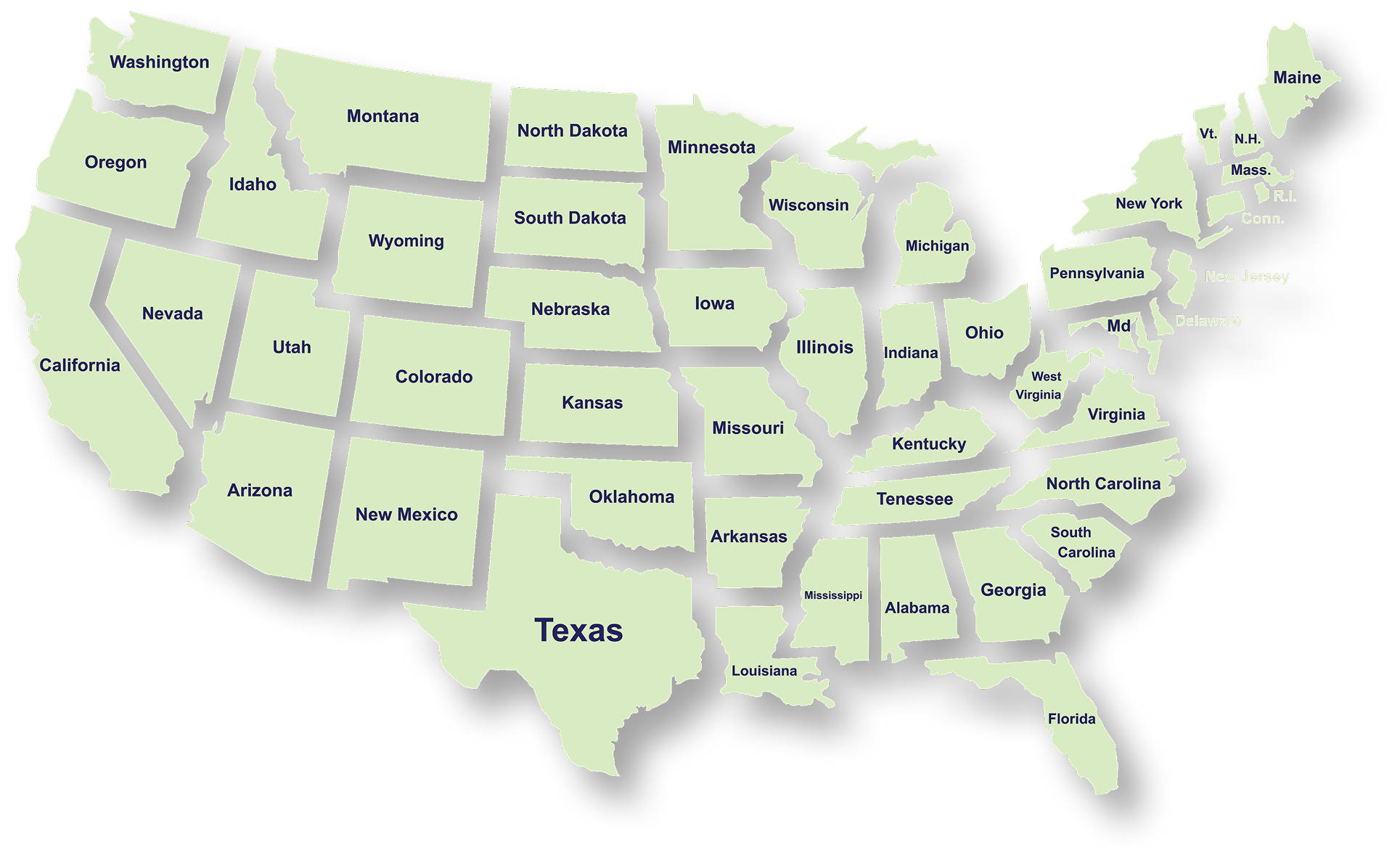
Serving Businesses & Individuals Across USA

We handle accounting, tax filing, and planning with defined timelines and accurate reporting for businesses and individuals across all states.

Frequently Asked Questions

What services does NR CPAs & Business Advisors provide?
What is tax planning and why is it important for businesses?
How can a Virtual CFO help my business?
When should a business consider IRS tax resolution services?
What financial statements does a business typically need?
How can startup advisory services help new businesses?
What is strategic business planning?
What is a Virtual Family Office and who can benefit from it?