Learning Center for Tax and Financial Insights

Stay updated with clear, actionable articles on tax rules, deadlines, deductions, and financial decisions that impact individuals and businesses.

No items found.

School's Out - Who Is Going to Take Care of the Kids?

Article Highlights: Child Age Limits Employment-Related Expense Married Taxpayer Earnings Limits Qualifying Individuals Disabled or Full-Time-Student Spouse Expense Limits Applicable Percentage Table The Credit Day Camps Overnight Camp or Tutoring School Expenses Day Care Facility Dependent Care Benefits In-Home Care Substantiation State Tax Credit Summer has just arrived, and there is a tax break that working parents should know about. Many working parents must arrange for care of their children under 13 years of age (or any age if disabled) during the school vacation period. A popular solution — with a tax benefit — is a day camp program. The cost of day camp can count as an expense toward the child and dependent care credit. But be careful; expenses for overnight camps do not qualify. Also not eligible are expenses paid for summer school and tutoring programs. If the qualifying child turned 13 during the year, the care expenses paid for the child for the part of the year he or she was under age 13 will qualify. For an expense to qualify for the credit, it must be an “employment-related” expense; i.e., it must enable you and your spouse, if married, to work, and it must be for the care of your child, stepchild, foster child, brother, sister or stepsibling (or a descendant of any of these) who is under 13, lives in your home for more than half the year and does not provide more than half of his or her own support for the year. Married couples must file jointly, and both spouses must work (or one spouse must be a full-time student or disabled) to claim the credit. The qualifying expenses are limited to the income you or your spouse, if married, earn from work, using the figure for whoever earns less. However, under certain conditions, when one spouse has no actual earned income and that spouse is a full-time student or disabled, that spouse is considered to have a monthly income of $250 (if the couple has one qualifying child) or $500 (two or more qualifying children). This means the income limitation is essentially removed for a spouse who is a student or disabled. The qualifying expenses can’t exceed $3,000 per year if you have one qualifying child, while the limit is $6,000 per year for two or more qualifying persons. This limit does not need to be divided equally. For example, if you paid and incurred $2,500 of qualified expenses for the care of one child and $3,500 for the care of another child, you can use the total, $6,000, to figure the credit. The credit is computed as a percentage of your qualifying expenses; in most cases, 20%. If your joint adjusted gross income (AGI) is $43,000 or less, the percentage will be higher, but it will not exceed 35%. The table illustrates credit percentages at various levels of AGI. AGI Over But Not Over Applicable Percent AGI Over But Not Over Applicable Percent 0 15,000 35 29,000 31,000 27 15,000 17,000 34 31,000 33,000 26 17,000 19,000 33 33,000 35,000 25 19,000 21,000 32 35,000 37,000 24 21,000 23,000 31 37,000 39,000 23 23,000 25,000 30 39,000 41,000 22 25,000 27,000 29 41,000 43,000 21 27,000 29,000 28 43,000 No Limit 20

Explore More
No items found.

How To Protect Your Business Cash During Banking Uncertainty

While bank failures are rare in the grand scheme of things, they can and do happen - as recent events like the closure of Silicon Valley Bank go a long way towards proving. When these types of bank failures do occur, they can be catastrophic. They happen quickly and often without warning, leaving business owners in particular in one of the most distressing situations imaginable.Thankfully, all hope is not lost. If you do want to be proactive and take steps to protect your business cash during a period of banking uncertainty, there are a few key things you'll want to keep in mind.What is Treasury Management?"Treasury management" is a term used to describe how you manage not only your business' daily cash flow but also other large-scale financial decisions that are taking place.In essence, it's a way to maintain oversight and visibility into your organization's liquidity. It also brings with it the added benefit of helping you establish and maintain credit lines, it gives you the insight you need to optimize the returns that your various investments are yielding, and more. Many also use it to help put together long-term strategies pertaining to the best ways to use (and grow) the amount of cash they have on hand.Is Treasury Management the Same as Cash Management?Treasury management and cash management are not the same things, but they are certainly related concepts. Cash management, as the name suggests, is the process you use to oversee your daily cash flow to ensure you always have access to the money you need when you need it. Think of it as a subset of the larger idea of treasury management.If you're operating in an industry that puts you at particular risk of cash depletion, a forward-thinking approach to cash management can help you more effectively balance cash flow. It can then make it easier to replenish those funds so that even in times of uncertainty, you can still capitalize on opportunities instead of being forced to watch them pass you by.Evaluate Your Current ExposureMore than anything, it's important to understand exactly how exposed you might be should any one particular bank fail. Obviously, if all of your business cash is housed exclusively in one bank right now, the chances of you getting cut off from it should the bank fail are essentially 100%.Make a list of all your accounts including where they are located, what types of accounts they are, how much money is in them, and more. Know what your risk surface profile is so that you can make the most actionable decisions possible moving forward.

Explore More
No items found.

Did You Get a Letter from the IRS? Don't Panic.

Article Highlights:IRS NoticesCP Series NoticeAutomated NoticesFrequent ErrorsID TheftPenalties and InterestWhat You Should DoWhat We Will DoNow that most tax refunds are deposited directly into taxpayers’ bank accounts, the dream of opening your mailbox and finding an IRS refund check is all but a thing of the past. However, since the IRS now does most of its auditing through correspondence, an IRS letter can likely increase your heart rate and, in some cases, even ruin your day.CP-Series Notice – When the IRS thinks it detects a potential issue with your tax return, it will contact you via U.S. mail; this is done with a CP-series notice. Please note that the IRS’s first contact about a tax delinquency or discrepancy will never be a phone call or email. Such calls and emails are a common tool of scammers; if you get one, simply hang up the phone or delete the email. If you are concerned about the validity of a given message, please call this office.Most commonly, CP notices describe the proposed tax due, as well as any interest or penalties. The notice will also explain the examination process and describe how you can respond.These automated notices are sent out year-round, and they are quite common. As the IRS tries to close the tax revenue gap, it has become more aggressive in its collection efforts. In addition, as many taxpayers now use low-quality tax mills or do-it-yourself software, the number of notices sent because of preparer error have increased. Missed checkboxes, misunderstandings of available credits, and overlooked income all add up to more errors.The first step the IRS uses in this automated process involves matching what you reported on your tax return to the data that third parties (e.g., employers, banks, and brokers) reported. When this information does not agree, the automated collection effort begins.Don’t Panic – These notices often include errors. However, you do need to respond before the deadline specified on the notice (usually 30 days) or else face significant repercussions. The notice may even be related to suspected ID theft. For instance, someone may have gained access to your tax ID (or that of your spouse or one of your dependents) and tried to file a return using the stolen ID. The first step is to determine which type of notice you have received.The IRS currently has over 150 varieties of CP notices. The following is a very small sampling of these notices. The IRS provides an online search tool that provides information on all of the CP Notices.CP01C - The CP01C notice advises taxpayers that the IRS marked their account with an identity theft indicator and provides additional information and resources for identity protection.CP05A - If you received this notice, the IRS is examining your tax return and needs you to send verifying documents.CP05B - If you received this notice, the IRS is holding your refund because the income reported on your tax return may not match the income reported to the IRS by payers.CP12 - This notice tells you the IRS corrected one or more mistakes on your tax return, and a payment becomes an overpayment, or an original overpayment amount has changed.CP14 - If you received this notice, you owe money on unpaid taxes. Pay the amount you owe, establish a payment plan, or call if you disagree with the amount.CP27 - You received this notice because the IRS records indicate you may be eligible for the Earned Income Credit (EIC), but didn't claim it on your tax return.CP49 - If you received this notice, the IRS used all or part of your refund to pay a tax debt.

Explore More
No items found.

Plan Ahead To Leave a Lasting Legacy

In the unfortunate event that you should pass away without an estate plan (or at the very least, a will) in place, a number of potentially distressing things can happen. Not only can it cause a lot of unnecessary stress during the grieving process, but it also requires a major time and financial commitment from your loved ones as well.Not only that, but it will be your court - not your family - that decide what happens to your assets when you pass away without some type of estate plan in place. Your surviving spouse or domestic partner will likely get the top priority. Things will then go to your kids, your parents (if they are still alive), your brothers and sisters, and finally to any extended family members.However, that isn't always the case and if you have strong opinions about the legacy that you leave behind for other people, it is absolutely in your best interest to act while you still have the opportunity to do so.What Happens if You Die Without a Will?When it comes to what happens when you pass away without leaving a will, the answer unfortunately varies depending on which state you live in.In most cases, there will be state laws that attempt to "mimic" what your final wishes may very well have been. However, because there was no will, your actual preferences go unknown and potentially unacknowledged. At this point, your estate goes to what is called probate court. Here, a state-appointed representative will be named and approved by the court. Normally, this is either a spouse who is still living or one of your children, provided that they are legal adults.Until that person is approved to distribute your assets, they remain frozen. If nobody wants to perform this important role, the court will select a public trustee to perform much the same function.How to Create an Estate PlanThe first step towards putting together a viable estate plan involves enlisting the help of a professional. While you can technically accomplish a lot of the requirements on your own from a legal perspective, this is something that is far too important to leave to chance. You'll want to enlist the help of someone who has experience in estate planning to make sure that all variables are accounted for.When putting together this plan, you'll focus on a few core areas, like:Writing your will, if you have not already done so. This is a document that specifies exactly how your assets will be distributed after you die. It also specifies who will be the executor of your state, who will become the legal guardian of any children that you may have, who will take care of your pets, and more.Any assets that don't get left to your surviving friends and family members can instead be left to other beneficiaries that are specified in your estate plan. Examples of this would be specific IRAs, a 401(k), or some other type of investment account.Your estate plan will also specify your durable power of attorney, otherwise known as your DPA for short. If you are still alive but can no longer manage these elements of your life, the DPA can take over and do so on your behalf.You will also establish an advanced medical directive. This will outline medical procedures or types of healthcare that you do or do not want so if critical decisions need to be made, and you are unable to do so on your own, others will know what steps must be taken.

Explore More
No items found.

Video Tips: Collect Your 2019 Tax Refund Before The Deadline

It’s not too late for the 1.5 million taxpayers with unclaimed 2019 refunds to claim their cash, but they need to file soon. Taxpayers usually have three years from the original due date of the return, generally April 15, to file and claim their tax refunds. Due to the COVID-19 pandemic, IRS postponed the due date for 2019 returns to July 17, 2020, and the IRS has also extended the three-year deadline for filing refund claims for 2019 returns to July 17, 2023. This means taxpayers still have time to claim valuable family tax credits.

Explore More
No items found.

7 Helpful Bookkeeping Tips for E-Commerce Companies

By far, one of the biggest (and most unique) challenges facing e-commerce companies today has to do with the uncertain nature of the entire enterprise.Nobody could have predicted the onset of the COVID-19 pandemic in 2020. One side effect of this was that e-commerce ordering across all verticals shot up overnight as in-person shopping became impossible in many areas. This led to inventory issues and other supply shortages. Now that things are opening back up again, everything is slowing back down. Because of factors beyond your control like this, not to mention the potential of a recession, it is essential to have control of your business processes whenever possible.Therefore, if you want to make sure that your bookkeeping is in order to help empower your e-commerce business as much as possible, there are a few key elements that you should keep a watchful eye over moving forward.Merchant FeesIf your e-commerce store is hosted on one of the major industry platforms like Shopify, you're already no doubt familiar with the "necessary evil" of merchant fees. But you shouldn't neglect them when it comes to your bookkeeping efforts.Remember that merchant fees are a part of your net sales, not your gross sales. You can show this in your books by making a note of the gross sale, then labeling the difference between that and the final deposit amount as the fee.Shipping Costs and Your Shipping OptionsIf your shipping costs are not already integrated with your e-commerce platform (as they are with some of the bigger options), you must not neglect things when it comes to the records you keep. The amount you actually charge a customer for shipping won't line up 100% with the amount you pay to ship the item. You need to be able to make sense of those discrepancies so that there are no errors in your records that only get worse over time.Budgeting and Forecasting ReturnsBudgeting is important for a host of reasons in the world of e-commerce, especially when it comes to managing cash flow. But budgeting and forecasting help you come up with the types of strategies you need to have in place to better prepare yourself for the future. Even if you're entering into a period of economic uncertainty, you can still make sure that your finances are aligned with your organization's goals as much as possible.

Explore More
No results found.
Thank you! Your submission has been received!
Oops! Something went wrong while submitting the form.

Want tax & accounting tips & insights?Sign up for our newsletter.

Thank you! Your submission has been received!
Oops! Something went wrong while submitting the form.

Why Work With Us?

We combine deep tax expertise, financial strategy, and practical business insight to help you manage complexity, stay compliant, and make confident financial decisions.
A dollar sign, representing financial advice or discussion at NR CPAs & Business Advisors.

Experienced CPA and Enrolled Agent Leadership

Guidance led by licensed professionals with deep expertise in tax strategy, compliance, and complex financial matters.
White bar chart with an upward arrow on green circular background representing growth or progress at NR CPAs &. Business Advisors

Support for Growing Businesses and Startups

We understand the financial challenges of growth stage businesses and provide structured guidance to support expansion.
A white hand holding a dollar symbol and ascending bar chart on a green circular background representing financial growth or investment at NR CPAs & Business Advisors..

Strategic Financial Advisory

Our team helps you evaluate financial decisions with greater clarity, supported by practical insights and long term planning.

Fractional CFO Support

Access experienced financial leadership without the commitment and cost of hiring a full time Chief Financial Officer.

Proactive Tax Planning Approach

We focus on identifying tax opportunities throughout the year rather than reacting only during filing season.

Clear and Reliable Financial Reporting

Accurate financial statements and reporting that help you better understand performance and make informed decisions.
White IRS building icon with pillars and a dollar sign above on a green circular background.

Professional IRS Representation

Experienced support in resolving IRS notices, disputes, and compliance matters while protecting your financial interests.

Personalized Client Focus

Every client receives thoughtful attention and tailored financial solutions based on their specific needs and business goals.
Financial matters often involve important decisions. Working with experienced advisors can help you approach them with greater clarity and confidence in your choices.

Need Help With Your Tax or Financial Decisions?

Discuss your situation with our advisors to get clear guidance on tax planning, IRS matters, and the financial decisions ahead.
Business consulting at NR CPAs & Business Advisors.

Request Your Consultation

Fill out the form to discuss your tax concerns, financial questions, or advisory needs with our team. We will review your details and respond shortly.

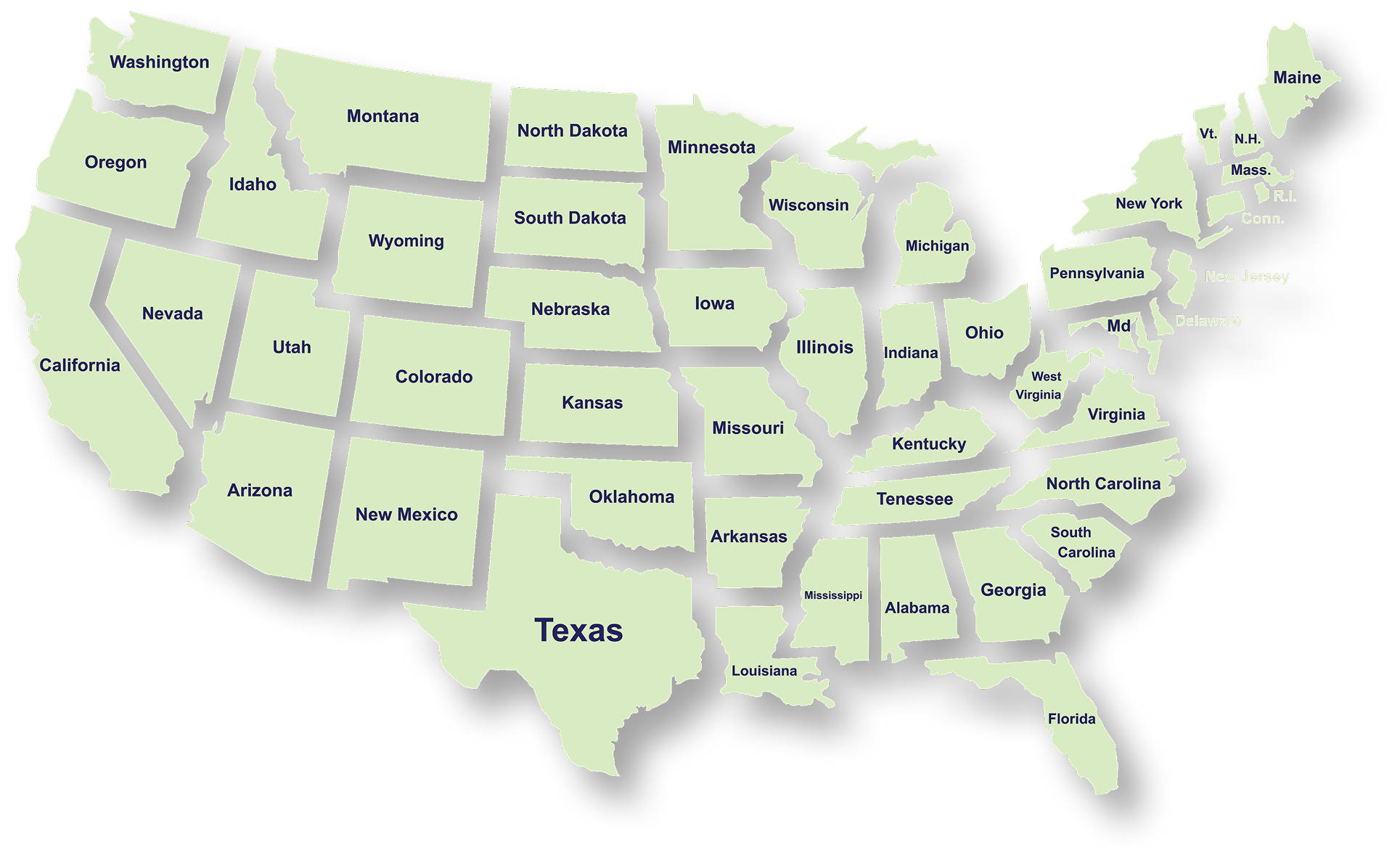
Serving Businesses & Individuals Across USA

We handle accounting, tax filing, and planning with defined timelines and accurate reporting for businesses and individuals across all states.

Frequently Asked Questions

What services does NR CPAs & Business Advisors provide?
What is tax planning and why is it important for businesses?
How can a Virtual CFO help my business?
When should a business consider IRS tax resolution services?
What financial statements does a business typically need?
How can startup advisory services help new businesses?
What is strategic business planning?
What is a Virtual Family Office and who can benefit from it?