Learning Center for Tax and Financial Insights

Stay updated with clear, actionable articles on tax rules, deadlines, deductions, and financial decisions that impact individuals and businesses.

No items found.

It’s Not Too Late for an IRA Contribution

Explore More
No items found.

April 2023 Business Due Dates

Disaster Area Extensions:Please note that when a geographical area is designated as a disaster area, due dates will be extended. For more information whether an area has been designated a disaster area and the filing extension dates visit the following websites:FEMA: https://www.fema.gov/disaster/declarationsIRS: https://www.irs.gov/newsroom/tax-relief-in-disaster-situationsFor example, disaster-area taxpayers in most of California and parts of Alabama and Georgia now have until Oct. 16, 2023, to file various federal individual and business tax returns and make tax payments.April 18 - Household Employer Return DueIf you paid cash wages of $2,400 or more in 2022 to a household employee, you must file Schedule H. If you are required to file a federal income tax return (Form 1040 or 1040-SR), file Schedule H with the return and report any household employment taxes. Report any federal unemployment (FUTA) tax on Schedule H if you paid total cash wages of $1,000 or more in any calendar quarter of 2021 or 2022 to household employees. Also, report any income tax that was withheld for your household employees. For more information, please call this office.

Explore More
No items found.

April 2023 Individual Due Dates

Disaster Area Extensions:Please note that when a geographical area is designated as a disaster area, due dates will be extended. For more information whether an area has been designated a disaster area and the filing extension dates visit the following websites:FEMA: https://www.fema.gov/disaster/declarationsIRS: https://www.irs.gov/newsroom/tax-relief-in-disaster-situationsFor example, disaster-area taxpayers in most of California and parts of Alabama and Georgia now have until Oct. 16, 2023, to file various federal individual and business tax returns and make tax payments.April 10 - Report Tips to EmployerIf you are an employee who works for tips and received more than $20 in tips during March, you are required to report them to your employer on IRS Form 4070 no later than April 10. Your employer is required to withhold FICA taxes and income tax withholding for these tips from your regular wages. If your regular wages are insufficient to cover the FICA and tax withholding, the employer will report the amount of the uncollected withholding in box 8 of your W-2 for the year. You will be required to pay the uncollected withholding when your return for the year is filed.April 18 - Taxpayers with Foreign Financial InterestsA U.S. citizen or resident, or a person doing business in the United States, who has a financial interest in or signature or other authority over any foreign financial accounts (bank, securities or other types of financial accounts), in a foreign country, is required to file Form FinCEN 114. The form must be filed electronically; paper forms are not allowed. The form must be filed with the Treasury Department (not the IRS) no later than April 18, 2023, for 2022. An extension of time to file of up to 6 months is automatically allowed. This filing requirement applies only if the aggregate value of these financial accounts exceeds $10,000 at any time during 2022. Contact our office for additional information and assistance filing the form.April 18 - Individual Tax Returns DueAlthough April 15 is on a Saturday in 2022, and individual income tax returns would normally be due that day, because the Washington, D.C. Emancipation Day holiday is observed on Monday April 17, the due date is pushed to Tuesday, April 18.File a 2022 income tax return (Form 1040 or 1040-SR) and pay any tax due. If you want an automatic six-month extension of time to file the return, please call this office.Caution: The extension gives you until October 16, 2023, to file your 2022 1040 or 1040-SR return without being liable for the late filing penalty. However, it does not avoid the late payment penalty; thus, if you owe money, the late payment penalty can be severe, so you are encouraged to file as soon as possible to minimize that penalty. Also, you will owe interest, figured from the original due date until the tax is paid. If you have a refund, there is no penalty; however, you are giving the government a free loan, since they will only pay interest starting 45 days after the return is filed. Please call this office to discuss your individual situation if you are unable to file by the April 18 due date.April 18 - Last Day to Establish a Keogh Account for 2022If you are self-employed, April 18, 2023, is the last day to establish a Keogh Retirement Account if you plan to contribute for 2022. However, the last day can be extended until October 16, 2023, with a valid six-month extension of time to file your individual 2022 tax return.April 18 - Household Employer Return Due

Explore More
No items found.

5 Tips for New and Confused QuickBooks Users

Brand new to QuickBooks? Or just struggling with it? Here are five things you can do to get more comfortable with the software.Learning new software is always a challenge. You have to learn the lay of the land before you can start working with it. How do I do this? How does the menu system work? How can I enter data without making a mistake?The learning process for financial software for your small business can be especially unnerving. Your livelihood depends on getting everything right. A mistake in an invoice you’re creating is more serious than using incorrect grammar or punctuation in a letter.We recommend that you let us give you a good introduction to QuickBooks, so you get the program set up correctly and learn the most basic, often-used functions. In the meantime, here are five things you can do to start getting your feet wet.Familiarize yourself with QuickBooks’ listsYou’ll consult and use lists a lot in QuickBooks. Transaction forms offer access to data you’ve already created and will use. When you need to select a customer, for example, you can just open a drop-down list and click on one.QuickBooks also provides free-standing lists that you might need to use outside of transactions, though they’re often available there, too. Open the Lists menu to see them. They include Item List, Sales Tax Code List, and Class List. Click on one to open it, and you’ll see a series of menus running across the bottom of the window. They allow you to, for example, add or edit items, take actions like entering a sales receipt, and run related reports.The Item ListTroubleshoot transactionsWhat do you do when you know you’ve entered a transaction but you can’t find it? QuickBooks has good search tools, but sometimes you don’t have enough details to hunt effectively for the missing invoice, bill, etc. There are two reports that can help.It’s possible that the transaction you’re seeking was accidentally voided or deleted. Open the Reports menu and select Accountant & Taxes | Voided/Deleted Transactions Summary or Detail. If you have an idea of when the original transaction was entered, change the date range at the top of the screen. You really shouldn’t have many of these. If you do, let us help you determine why this is happening so frequently. You can get into some trouble if you void or delete transactions to solve a problem that should be resolved another way.While you’re in the Accountant & Taxes report list, open the Audit Trail. This is a listing of transactions that have been entered or modified, when, and by whom. If you have multiple users accessing and working with QuickBooks data, you should get to know this report.

Explore More
No items found.

Video Tips: Reporting and Filing Taxes for Foreign Income

U.S. citizens and resident aliens living abroad should know their tax obligations. Their worldwide income – including wages, unearned income, and tips – is subject to U.S. income tax, regardless of where they live or where they earn their income. They also have the same income tax filing requirements as U.S. citizens or resident aliens living in the United States.

Explore More
No items found.

Commonly Asked Tax Questions

Article Highlights:What is Filing Status?When is One Required To File?What is AGI?Which is Better, Itemized Deductions or the Standard Deduction?What is a Tax Write-Off?How is Taxable Income Determined?What is the Difference Between the Graduated Tax Rates and the Tax Brackets?What is a Tax Credit?Which is Better, a Tax Credit or a Tax Deduction?What is an RMD?What Income Do I Have to Pay Taxes On?What is the SALT limit?What is an Information Return?What is Basis?Are Inheritances Taxable?Are Gifts Taxable?How Long Does It Take to Receive a Refund?When Are Individual Taxes Due?What Are the Late Filing Penalties?What is Timely Mailing?Those dealing with income taxes only once a year when involved with their own personal tax return often have questions related to tax terminology. The following is a compilation of questions frequently asked by individuals:What is Filing Status? Everyone that files a tax return must use one of five possible filing statuses. The tax status used dictates which tax rate schedule is used. The statuses include:Single (S) – Used if unmarried on the last day of the year and not qualifying for HH or SS.Married Filing Joint (MFJ) - Used if married on the last day of the year and the spouses choose to file together on one return.Married Filing Separate (MFS) - Used if married on the last day of the year and the spouses choose not to file together.Qualified Surviving Spouse (QSS or SS) – Used by a widow/widower whose spouse died in one of two prior years and who has a dependent child living at home.Head of Household (HH) – This is the most complicated of the filing statuses and the following is only an overview. For a single individual to claim HH, the taxpayer must pay more than half of the cost of maintaining a household, which is the principal place of abode for more than one-half the year for an individual that qualifies as their dependent, or half the cost of maintaining a separate household of a dependent parent for the entire year. A married individual can also claim this status instead of MFJ or MFS if they lived apart from their spouse at least the last six months of the year and paid more than half of the cost of maintaining a household for a dependent child.When is an Individual Required to File? Generally. an individual is required to file a tax return for a year if their income exceeds the standard deduction for their filing status for that year. Self-employed individuals also must file if their self-employment earnings for the year exceed $400, even if their income does not exceed the standard deduction. Special rules apply to certain children who have taxable income.However, just because someone is not required to file a return does not mean they shouldn’t. They may have had tax withholding which they are entitled to have refunded by the government but they can receive the refund only by filing a return. They may qualify for refundable tax credits like the child tax credit and the earned income tax credit, which could be thousands of dollars. To get the benefit of a credit, a return must be filed.What is AGI? Adjusted Gross Income (AGI) is gross income minus adjustments to income that are permitted by the tax law. Gross income includes wages, dividends, capital gains, business income (before deductible expenses), retirement distributions as well as other income. Adjustments to income include such items as educator expenses, student loan interest, contributions to a retirement accounts and others. Which is Better, Itemized Deductions or the Standard Deduction? The standard deduction is an amount based upon a taxpayer’s filing status that they can deduct without substantiation. Itemized deductions, as the name implies, are listed out on a separate schedule of the tax return. Tax law requires records be kept verifying payment of the expenses claimed as itemized deductions. If the total of verified itemized deductions is more than the standard deduction, then the taxpayer uses the itemized deductions instead of taking the standard deduction.What is a Tax Write-Off? Tax write-offs can be business expenses deductible on business returns or 1040 schedules, capital losses, adjustments to income on a 1040 including items like student loan interest, a limited amount of a teacher’s expenses, and some IRA, and pension contributions. Tax write-offs can also include itemized deductions, such as property and real estate taxes charged by state or local governments and state income taxes paid (subject to the SALT limitation discussed later), medical expenses more than 7.5% of AGI, home mortgage interest, charitable contributions, disaster losses, gambling losses to the extent of gambling winnings plus some other miscellaneous deductions. For an individual who is a resident of a state that has an income tax, the write-offs they may claim on their state return may not be the same as what is allowed on the federal return.But be cautious of tax write-offs or other tax advice espoused by tax amateurs.How is Taxable Income Determined? Taxable income is generally AGI less either the standard deduction or the total of allowed itemized deductions.What is the Difference Between the Graduated Tax Rates and the Tax Bracket? The way individual tax is computed is like a step function (graduated tax rates): each additional block of taxable income is taxed at an increased percentage but does not increase the percentage that applies to the prior block. For example, for a single individual for 2023, the first $11,000 of taxable income is taxed at 10% and the next $33,725 is taxed at 12%, etc., until the maximum rate of 37% is reached. The graduated rates are inflation adjusted annually. An individual’s marginal tax rate is the highest tax percentage that the individual’s income is subject to. Knowing their marginal rate lets a taxpayer estimate the value of a tax deduction.

Explore More
No results found.
Thank you! Your submission has been received!
Oops! Something went wrong while submitting the form.

Want tax & accounting tips & insights?Sign up for our newsletter.

Thank you! Your submission has been received!
Oops! Something went wrong while submitting the form.

Why Work With Us?

We combine deep tax expertise, financial strategy, and practical business insight to help you manage complexity, stay compliant, and make confident financial decisions.
A dollar sign, representing financial advice or discussion at NR CPAs & Business Advisors.

Experienced CPA and Enrolled Agent Leadership

Guidance led by licensed professionals with deep expertise in tax strategy, compliance, and complex financial matters.
White bar chart with an upward arrow on green circular background representing growth or progress at NR CPAs &. Business Advisors

Support for Growing Businesses and Startups

We understand the financial challenges of growth stage businesses and provide structured guidance to support expansion.
A white hand holding a dollar symbol and ascending bar chart on a green circular background representing financial growth or investment at NR CPAs & Business Advisors..

Strategic Financial Advisory

Our team helps you evaluate financial decisions with greater clarity, supported by practical insights and long term planning.

Fractional CFO Support

Access experienced financial leadership without the commitment and cost of hiring a full time Chief Financial Officer.

Proactive Tax Planning Approach

We focus on identifying tax opportunities throughout the year rather than reacting only during filing season.

Clear and Reliable Financial Reporting

Accurate financial statements and reporting that help you better understand performance and make informed decisions.
White IRS building icon with pillars and a dollar sign above on a green circular background.

Professional IRS Representation

Experienced support in resolving IRS notices, disputes, and compliance matters while protecting your financial interests.

Personalized Client Focus

Every client receives thoughtful attention and tailored financial solutions based on their specific needs and business goals.
Financial matters often involve important decisions. Working with experienced advisors can help you approach them with greater clarity and confidence in your choices.

Need Help With Your Tax or Financial Decisions?

Discuss your situation with our advisors to get clear guidance on tax planning, IRS matters, and the financial decisions ahead.
Business consulting at NR CPAs & Business Advisors.

Request Your Consultation

Fill out the form to discuss your tax concerns, financial questions, or advisory needs with our team. We will review your details and respond shortly.

Serving Businesses & Individuals Across USA

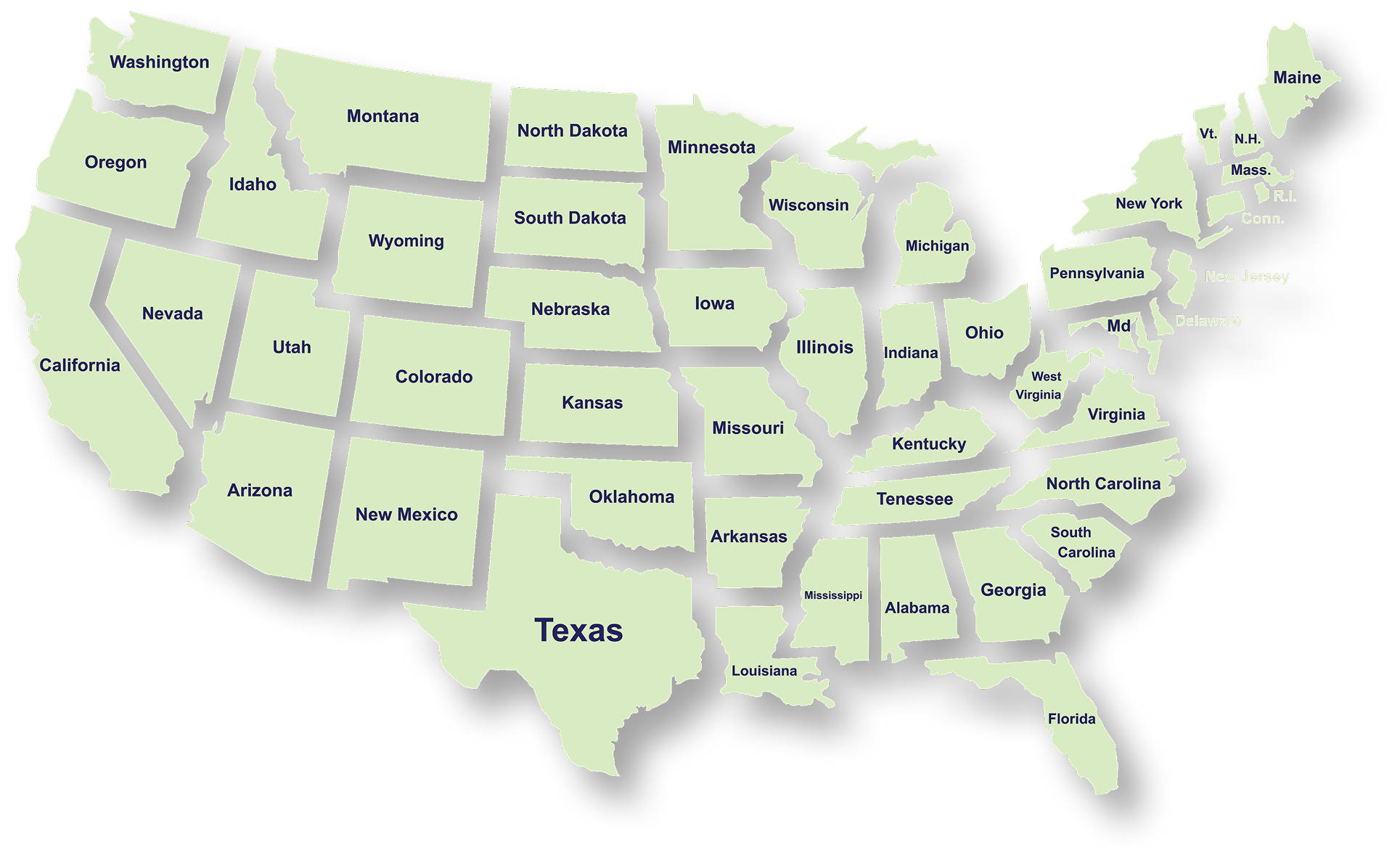
We handle accounting, tax filing, and planning with defined timelines and accurate reporting for businesses and individuals across all states.

Frequently Asked Questions

What services does NR CPAs & Business Advisors provide?
What is tax planning and why is it important for businesses?
How can a Virtual CFO help my business?
When should a business consider IRS tax resolution services?
What financial statements does a business typically need?
How can startup advisory services help new businesses?
What is strategic business planning?
What is a Virtual Family Office and who can benefit from it?