Learning Center for Tax and Financial Insights

Stay updated with clear, actionable articles on tax rules, deadlines, deductions, and financial decisions that impact individuals and businesses.

No items found.

Video: Tax Tips when Selling Your Home

For homeowners seeking to sell their houses, the tax law allows for a certain portion of the gain to be excluded from taxable income, saving the taxpayers a significant amount of money. However, there are also limitations and exclusions that should be aware of. Watch this video to plan ahead before making your home sale.

Explore More
No items found.

Steps You Can Take to Grow Your Business to the Next Level

For small business owners, in particular, growing a business has always been something of a challenge. On the one hand, you don't want to grow too quickly - doing so can significantly damage the trajectory that you've set out on. But at the same time, you also don't want to grow too slowly as this too can cause you to remain stagnant and get passed by some of your competitors.All of this is also true at higher levels, particularly when it comes to taking that pivotal stop from a $1 million business to a $10 million one. According to studies, most businesses generate about $500,000 in revenue - meaning that they just need to find that next step to get to the desired level. It's certainly not an impossible feat as countless others have done it, but it is something that requires you to keep a few key things in mind.Growing Your Business: Breaking Things DownFirst, it's important to acknowledge that getting to $10 million in revenue for your business isn't actually "the hard part." Most experts agree that getting to that $1 million level is far more difficult.This ultimately comes down to the disparity between the concepts of "wealth" and "income" - two ideas that people sometimes have a hard time reconciling. Having an overall net wealth of $1 million is certainly an attainable goal. Getting to that point in one year may be less realistic.Therefore, one needs to understand that ramping up the revenue of a business at the same pace is equally unrealistic. Once you learn to live by the idea of "slow and steady wins the race," you put yourself in a much better position to succeed over the long term.Indeed, this shift in mindset can pay dividends across the entirety of your organization. You need to re-evaluate your risk aversion, for example, so that you know which opportunities are worth capitalizing on and which must be passed by. You need to be objective with yourself about how tolerant you are to risk in the first place. You should also let that insight inform many of the decisions that follow.Another way to grow your business from $1 million to $10 million (and beyond) also has to do with being realistic with yourself, albeit in a slightly different way. If your business has grown stagnant, you need to ask yourself why. Is it due to a legitimate lack of opportunity, or is it because of a general pessimism about what the future might hold? The latter is understandable to a certain extent, but it also stands in the way of the growth-minded leader that you need to be. It causes hesitation at moments when action is critical, and it is something that ultimately holds a lot of people back.

Explore More
No items found.

Ways to Maximize Business Deductions

Article HighlightsNew BusinessLegal and professional feesSpousal Joint VenturesSelf-employed Health InsuranceHome OfficeDeducting the Cost of Business EquipmentAdvertising ExpensesWebsite CostsFinancingVehicle ExpensesBusiness MealsAs a small business owner, you should always be on the lookout for legitimate ways to minimize your taxes. Waiting for year-end to do your tax planning can be too late and you may miss many possible opportunities. The following are valuable tips that help you maximize your business deductions.New Business – Normally the costs of starting a business must be amortized (deducted) over 15 years. But taxpayers can elect to deduct up to $5,000 of start-up expenses and $5,000 of organizational expenses on the return for the first year of the business. A qualifying start-up cost is one that would be deductible if it were paid or incurred to operate an existing active business in the same field as the new business, and the cost is paid or incurred before the day the active trade or business begins. Examples of qualified start-up costs include:Surveys/analyses of potential markets, labor supply, products, transportation facilities, etc.;Wages paid to employees, and their instructors, while they are being trained;Advertisements related to opening the business;Fees and salaries paid to consultants or others for professional services; andTravel and related costs to secure prospective customers, distributors and suppliers.Each of the $5,000 amounts is reduced by the amount by which the total start-up expenses or organizational expenses exceeds $50,000. Expenses not deductible in the first year of the business must be amortized over 15 years.Legal and Professional Fees - incurred in setting up the business would fall under the organizational expense first year deduction of $5,000 and the balance would be amortized over 15 years. However, legal, and professional fees incurred after the business is up and running can be expensed.Spousal Joint Ventures – When both spouses in a married couple are involved in the operation of an unincorporated business, it is common – but incorrect – for all that business’s income to be reported as one spouse’s income as a sole proprietorship on IRS Schedule C. In which case, the spouse not filing a Schedule C loses out on the chance to accumulate his or her own eligibility for Social Security benefits and the ability to fund a retirement account.In addition, to claim a childcare credit, both spouses on a joint return must have earned income (or imputed income if one of the spouses is a full-time student or is disabled), so unless the non-Schedule C spouse has another source of earned income, the couple will not be allowed a childcare credit.There are two ways to remedy this situation, either: (1) by establishing a partnership or (2) a joint venture (each spouse files a Schedule C with their share of the income, deductions, and credits).Self-employed Health Insurance - If you are a self-employed individual, you can deduct 100% (no AGI reduction) of the health insurance premiums without itemizing your deductions. This above-the-line deduction is limited to net profits from self-employment.Home Office - Small business owners may qualify for a home-office deduction, which will help them save money on their taxes and benefit their bottom line. Taxpayers can generally take this deduction if they use a portion of their home exclusively for their business and on a regular basis. Plus, this deduction is available to both homeowners and renters.There are actually two methods to determine the amount of a home-office deduction: the actual-expense method and the simplified method.Actual-Expense Method – The actual-expense method prorates home expenses based on the portion of the home that qualifies as a home office, which is generally based on square footage. Aside from prorated expenses, 100% of directly related costs, such as painting and repair expenses specific to the office, can be deducted. Unlike the simplified method, the business is not limited to 300 square feet.Simplified Method – The simplified method allows for a deduction equal to $5 per square foot of the home used for business, up to a maximum of 300 square feet, resulting in a maximum simplified deduction of $1,500. A taxpayer may elect to take the simplified method or the actual-expense method (also referred to as the regular method) on an annual basis. Thus, a taxpayer may freely switch between the two methods each year.Additional office expenses such as utilities, insurance, office maintenance, etc., are not allowed when the simplified method is used. Prorated rent or home interest and taxes are not either, although 100% of home interest and taxes are deductible as non-business expenses if the taxpayer itemizes deductions.Deducting the Cost of Business Equipment - From time to time, an owner of a small business will purchase equipment, office furnishings, vehicles, computer systems and other items for use in the business. How to deduct the cost for tax purposes is not always an easy decision because there are several options available, and the decision will depend upon whether a big deduction is needed for the acquisition year or more benefit can be obtained by deducting the expense over a number of years using depreciation. The following are the write-off options currently available.Depreciation – Depreciation is the normal accounting way of writing off business capital purchases by spreading the deduction of the cost over several years. The IRS regulations specify the number of years for the write-off based on established asset categories, and generally for small business purchases the categories include 3-, 5- or 7-year write-offs. The 5-year category includes autos, small trucks, computers, copiers, and certain technological and research equipment, while the 7-year category includes office fixtures, furniture and equipment.Material & Supply Expensing – IRS regulations allow certain materials and supplies that cost $200 or less, or that have a useful life of less than one year, to be expensed (deducted fully in one year) rather than depreciated.

Explore More
No items found.

Tax and Personal Finance Tips for New Parents

Expanding your family? Whether you’re in the planning stages or your bundle of joy has already arrived, raising a child is one of life’s greatest joys — and biggest expenses. And we’re not just talking about the costs of college. From diapers to daycare, from braces to bicycles, parents are often shocked by the constant outflow of cash that starts days after bringing baby home. While there’s nothing you can do to avoid incurring these expenses, you can definitely soften their impact by educating yourself about what to expect and planning ahead. Below you’ll find a helpful list of mistakes to avoid, resources not to miss, and steps you can take to boost the chances that bringing up baby will be less of a drain, and more of a pleasure.Start with a Realistic BudgetHas anybody ever told you that all you need for a baby is a drawer for a bed, a bottle, and a bunch of cloth diapers? There are plenty of people who sing that song, and we have news for you — they’re wrong. If you’ve already given birth then you’re already familiar with some of the bills, but if you’re still in the planning stages, make sure that you include these expenses as you prepare:Prenatal and postnatal doctor visits for both mom and babyBirth and delivery costsBaby clothes, nursery furniture, car seats, playpen, glider, highchair, strollers, baby bath, etc.ChildcareDiapers and wipes, baby medications and ointments, shampoos, etc.Formula and bottle-feeding supplies or breast pumps and milk-storage bags, or bothAnd that’s just for the first year or two of parenting. As your child gets older you will need to add on the costs of toys, clothing, bicycles, braces, summer camps, birthday parties …. And if one of the two of you plan to stay home with your child – even part-time – that will significantly impact your disposable household income. While the government reports that the average cost of raising a child from birth through adulthood is $233,610, those averages include the people who spend the very most, as well as those who spend the very least. To get a realistic sense of how much you can expect to pay, talk to your friends, and ask them to share what they’re spending, especially when it comes to childcare. Those figures can be truly eye-popping.Take Advantage of Tax BreaksPlenty of people kid around about their child representing a tax break, but there is truth behind the joke. The government has created several credits and deductions to help alleviate some of the financial burdens of raising a child, but these breaks are not automatic. You have to fill out your tax forms properly and claim the advantages to which you are entitled. Make sure that you are familiar with everything that is available to you. These may include:

Explore More
No items found.

Tax Benefits for People with Disabilities

Article Highlights: ABLE AccountsDisabled Spouse or Dependent Care CreditMedical DeductionsHome ModificationsSpecial SchoolingNursing Services Impairment-related Work ExpensesIndividuals with disabilities, as well as parents of disabled children, are eligible for several income tax benefits. This article explains some of these tax breaks.ABLE Accounts – A federal law allows states to offer specially designed, tax-favored ABLE accounts to people with disabilities. Qualified ABLE programs provide the means for individuals and families to contribute and save to support individuals who became blind or severely disabled before turning age 26 in maintaining their health, independence, and quality of life.The states run the ABLE programs authorized by the federal tax statute. A state that has established an ABLE account program can offer its residents the option of setting up one of these accounts or contracts with another state that offers ABLE accounts. Contributions totaling up to the annual gift tax exclusion amount, currently $16,000, can be made to an ABLE account each year, and distributions are tax-free if used to pay qualified disability expenses.Through 2025, a tax provision allows the beneficiary of the ABLE account (i.e., the disabled person) to contribute a maximum additional amount each year, equal to the lesser of:The beneficiary’s taxable compensation for the year, orThe prior year’s inflation-adjusted poverty level (so using the 2021 poverty level amounts for a one-person household, the 2022 ABLE beneficiary’s contribution could be up to $12,880. The equivalent amount for residents of Hawaii is $14,820 and $16,090 for Alaska. However, the extra contribution isn’t allowed if the beneficiary’s employer contributes to a qualified retirement plan on the beneficiary’s behalf. The beneficiary’s additional contribution qualifies for the non-refundable saver’s tax credit, which, depending on the beneficiary’s actual income, can be 10%, 20%, or even as much as 50% of up to the first $2,000 contributed, for a maximum credit of $1,000.Disabled Spouse or Dependent Care Credit – A tax credit is available to individuals who incur childcare expenses for children under the age of 13 at the time the care is provided. This credit is also available for the care of the taxpayer’s spouse or of a dependent of any age who is physically or mentally unable to care for himself or herself and lived with the taxpayer for more than half the year. This is also true for individuals who would have been dependents except for the fact that they earned $4,400 or more (2022) or filed a joint return with their spouse. The credit ranges from 20% to 35%, with lower-income taxpayers benefiting from the higher percentage and those with an adjusted gross income of $43,000 or more receiving only 20%. The care expenses qualifying for the credit are limited to $3,000 for one and $6,000 for two or more qualifying individuals. Note that for 2021 only, the credit rate and care expenses allowed were significantly higher and the credit was refundable. Medical Expense Deductions – In addition to the “normal” medical expenses, individuals with disabilities can incur other unusual deductible expenses. However, to gain a tax benefit, an eligible taxpayer must itemize his or her deductions on Schedule A, and the taxpayer’s total medical expenses must exceed 7.5% of their adjusted gross income. Eligible expenses include:ProsthesesVision Aids – Contact lenses and eyeglassesHearing Aids – Including the costs and repair of special telephone equipment for people who are deaf or hard of hearingWheelchair – Costs and maintenanceService Dog – Costs and care of a guide dog or service animal. The IRS has stated that “the costs of buying, training, and maintaining a service animal to assist an individual with mental disabilities may qualify as medical care if the taxpayer can establish that the taxpayer is using the service animal primarily for medical care to alleviate a mental defect or illness and that the taxpayer would not have paid the expenses but for the disease or illness.”Transportation – Modifications or special equipment added to vehicles to accommodate a disabilityImpairment-Related Capital Expenses – Amounts paid for special equipment installed in the home or for improvements may be included as medical expenses, if their main purpose is medical care for the taxpayer, the spouse, or a dependent. The costs of permanent improvements that increase the property’s value may be partly included as a medical expense. The costs of the improvement are reduced by the increase in the property’s value. The difference is a medical expense. If the improvement does not increase the property’s value, the entire cost is included as a medical expense. Certain improvements made to accommodate a home to a taxpayer’s disabled condition, or to that of the spouse or dependents who live with the taxpayer, do not usually increase the home’s value, so the costs can be included in full as medical expenses. A few examples of full-cost medical expenses include constructing entrance or exit ramps for the home; widening entrance and exit doorways, hallways, and interior doorways; installing railings, support bars, or other modifications; and adding handrails or grab bars.Learning Disability – Tuition fees paid to a special school for a child who has severe learning disabilities caused by mental or physical impairments, including nervous system disorders, can be included as medical expenses. A doctor must recommend that the child attend the school. Fees for tutoring from a teacher who is specially trained and qualified to work with children with severe learning disabilities may also be included if the tutoring is recommended by a doctor. Special Schooling – Medical care includes the costs of attending a special school designed to compensate for or overcome a physical handicap to qualify the individual for future normal education or for normal living. This includes a school that teaches braille or lip reading. The principal reason for attending the school must be its special resources for alleviating the student’s handicap. The tuition for ordinary education that is incidental to the special services provided at the school, as well as the costs of meals and lodging supplied by the school, are also included as medical expenses. Nursing Services – Wages and other amounts paid for nursing services can be included as medical expenses. Services need not be performed by a nurse if the services are of a kind generally performed by a nurse. This includes services connected with caring for the patient’s condition, such as giving medication, changing dressings, and bathing and grooming the patient. These services can be provided in the home or another care facility. Generally, only the amount spent for nursing services is a medical expense. If the attendant also provides personal and household services, these amounts must be divided between the time spent performing household and personal services and the time spent on nursing services. Impairment-related Work Expenses – An employed individual with physical or mental disabilities may claim a deduction for impairment-related work expenses for attendant care at the individual’s place of employment or for other expenses at the job location that enable the individual to work. Those with a physical or mental disability that limits their being employed, or substantially limits one or more major life activities, such as performing manual tasks, walking, speaking, breathing, learning, and working are eligible to deduct their impairment-related work expenses if they itemize deductions. These expenses are claimed as a miscellaneous itemized deduction on Schedule A, not as a medical expense.

Explore More
No items found.

Shark Tank Investor Daymond John: His Story So Far

If you had to make a list of some of the more popular reality television shows these days, Shark Tank would undoubtedly be right at the top.Originally premiering in 2009, it's a program that has captured the imagination of people worldwide. A panel of investors - otherwise known as "sharks" - listens to people pitch their idea for new products or inventions, and they bid against one another for who gets to invest in any particular idea.One of those sharks is Daymond John, a man who worked his way to the top in more ways than one. His story is truly inspiring, and it's certainly worth exploring.Photo credit: Dimitrios Kambouris/Getty Images Entertainment via Getty ImagesDaymond John: An Entrepreneurial InspirationBelieve it or not, when Daymond John was in high school he actually worked a job at Red Lobster. It's a far cry from the television presence that he is currently known as.He worked that job full-time while also attending school on an alternating weekly basis. Then, upon graduation, he set out on his path as an entrepreneur. First by creating his own commuter van service, then by entering into the clothing market.If you've heard of the brand FUBU, you have Daymond John to thank for it. He launched the brand out of his mother's apartment. One of the keys to his success was his eye for marketing. He began donating many of the line's clothing to rappers in and around the New York City area, eventually leading to a commercial featuring LL Cool J.

Explore More
No results found.
Thank you! Your submission has been received!
Oops! Something went wrong while submitting the form.

Want tax & accounting tips & insights?Sign up for our newsletter.

Thank you! Your submission has been received!
Oops! Something went wrong while submitting the form.

Why Work With Us?

We combine deep tax expertise, financial strategy, and practical business insight to help you manage complexity, stay compliant, and make confident financial decisions.
A dollar sign, representing financial advice or discussion at NR CPAs & Business Advisors.

Experienced CPA and Enrolled Agent Leadership

Guidance led by licensed professionals with deep expertise in tax strategy, compliance, and complex financial matters.
White bar chart with an upward arrow on green circular background representing growth or progress at NR CPAs &. Business Advisors

Support for Growing Businesses and Startups

We understand the financial challenges of growth stage businesses and provide structured guidance to support expansion.
A white hand holding a dollar symbol and ascending bar chart on a green circular background representing financial growth or investment at NR CPAs & Business Advisors..

Strategic Financial Advisory

Our team helps you evaluate financial decisions with greater clarity, supported by practical insights and long term planning.

Fractional CFO Support

Access experienced financial leadership without the commitment and cost of hiring a full time Chief Financial Officer.

Proactive Tax Planning Approach

We focus on identifying tax opportunities throughout the year rather than reacting only during filing season.

Clear and Reliable Financial Reporting

Accurate financial statements and reporting that help you better understand performance and make informed decisions.
White IRS building icon with pillars and a dollar sign above on a green circular background.

Professional IRS Representation

Experienced support in resolving IRS notices, disputes, and compliance matters while protecting your financial interests.

Personalized Client Focus

Every client receives thoughtful attention and tailored financial solutions based on their specific needs and business goals.
Financial matters often involve important decisions. Working with experienced advisors can help you approach them with greater clarity and confidence in your choices.

Need Help With Your Tax or Financial Decisions?

Discuss your situation with our advisors to get clear guidance on tax planning, IRS matters, and the financial decisions ahead.
Business consulting at NR CPAs & Business Advisors.

Request Your Consultation

Fill out the form to discuss your tax concerns, financial questions, or advisory needs with our team. We will review your details and respond shortly.

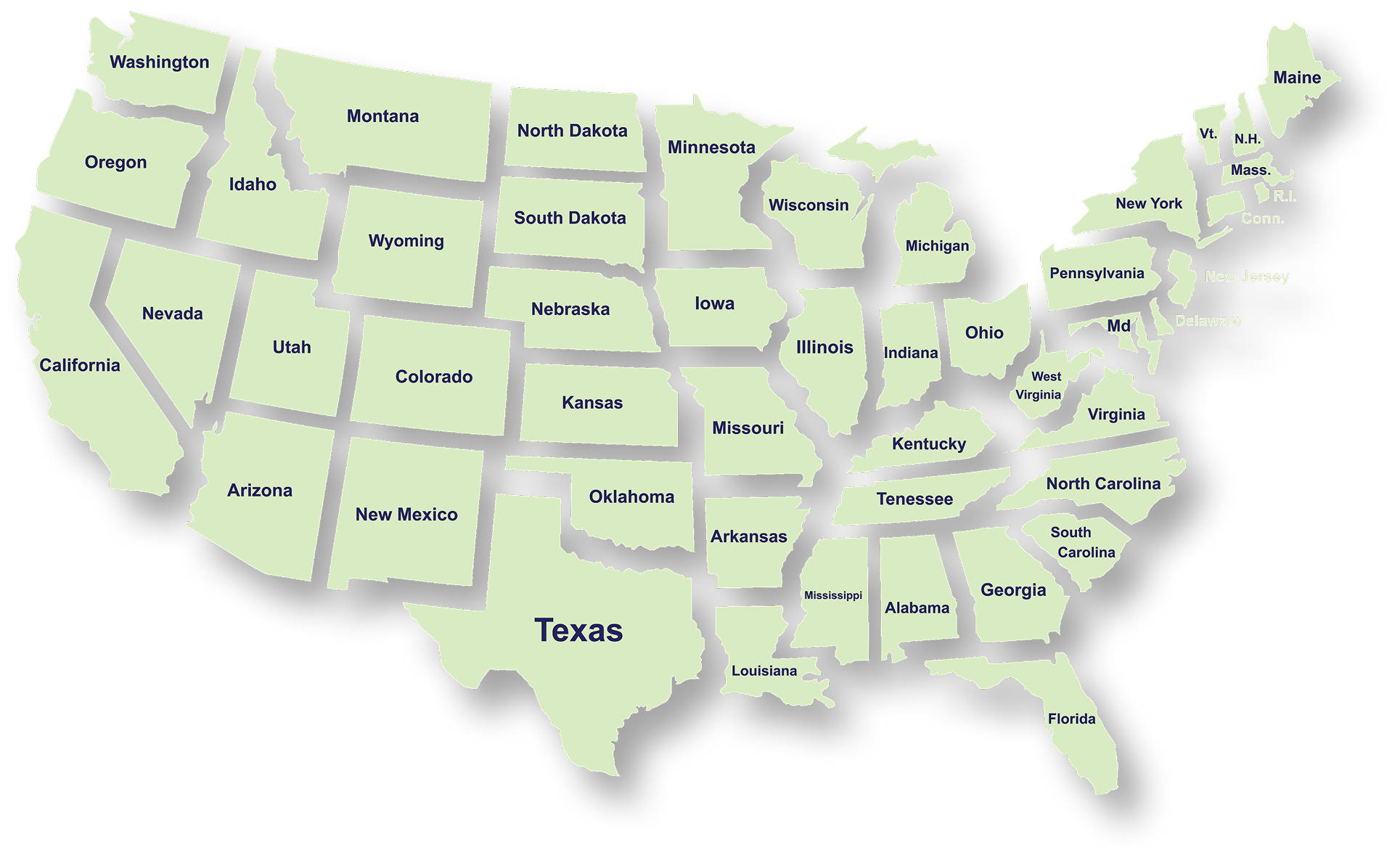
Serving Businesses & Individuals Across USA

We handle accounting, tax filing, and planning with defined timelines and accurate reporting for businesses and individuals across all states.

Frequently Asked Questions

What services does NR CPAs & Business Advisors provide?
What is tax planning and why is it important for businesses?
How can a Virtual CFO help my business?
When should a business consider IRS tax resolution services?
What financial statements does a business typically need?
How can startup advisory services help new businesses?
What is strategic business planning?
What is a Virtual Family Office and who can benefit from it?