Learning Center for Tax and Financial Insights

Stay updated with clear, actionable articles on tax rules, deadlines, deductions, and financial decisions that impact individuals and businesses.

No items found.

Video Tips: How to Distinguish Hobby Vs. Business for Tax Purposes

If you are considering earning money from your hobby, it's important to understand the tax implications. According to the IRS, any income generated from a hobby must be reported on your tax return, but it is not eligible for deductions like business expenses. So how does the IRS determine if your activity is considered a hobby or a business? Watch this video for a brief overview.

Explore More
No items found.

You May Be Able to Donate Your Unused Employee Vacation, Sick, or Personal Leave to Ukrainian Relief

Article Highlights:Forgoing Vacation, Sick, or Personal Leave in Exchange for Ukrainian ReliefProgram DurationEmployee and Employer Tax ImplicationsIRS Notice 2022-28There is a little-known disaster provision of the tax code that, where if an employer has adopted a leave-based donation program, the employees can forgo paid vacation, sick, or personal leave in exchange for their employer making equivalent cash payments to qualified charitable organizations. This does not necessarily mean the employee also forfeits the time off; it will not be paid time off to the extent it is converted to leave-based donation payments.Employer leave-based donation payments made by an employer before January 1, 2023, to a qualified U.S. charitable organization to aid victims of the further Russian invasion of Ukraine will not be treated as gross income or wages (or compensation, as applicable) of the employees of the employer. Thus, the employee will not be taxed on the vacation, sick, or personal leave pay given up, but since it is not taxable the employee cannot also deduct it as a charitable contribution.

Explore More
No items found.

Do You Understand Tax Lingo?

Article Highlights Filing status Adjusted gross income (AGI) Taxable income Marginal tax rate Alternative minimum tax (AMT) Tax Credits Underpayment of estimated tax penalty When discussing taxes, reading tax-related articles or trying to decipher tax form instructions, one needs to understand the lingo and acronyms used by tax professionals and authors to be able to grasp what they are saying. It can be difficult to understand tax strategies if you are not familiar with the basic terminologies used in taxation. The following provides you with the basic details associated with the most frequently encountered tax terms. • Filing Status - Generally, if you are married at the end of the tax year, you have three possible filing status options: married filing jointly, married filing separately, or, if you qualify, head of household. If you were unmarried at the end of the year, you would file as single, unless you qualify for the more beneficial head of household status. A special status applies for some widows and widowers. Head of household is the most complicated filing status to qualify for and is frequently overlooked, as well as often being incorrectly claimed. Generally, to qualify for the head of household status the taxpayer must be unmarried AND: o pay more than one half of the cost of maintaining his or her home, a household that was the principal place of abode for more than one half of the year of a qualifying child or certain dependent relatives, or o pay more than half the cost of maintaining a separate household that was the main home for a dependent parent for the entire year. A married taxpayer may be considered unmarried for the purpose of qualifying for head of household status if the spouses were separated for at least the last six months of the year, provided the taxpayer maintained a home for a dependent child for over half the year. Surviving spouse (also referred to as qualifying widow or widower) is a rarely used status for a taxpayer whose spouse died in one of the prior two years and who has a dependent child at home. Joint rates are used. In the year the spouse passed away, the surviving spouse may file jointly with the deceased spouse if the survivor has not remarried by the end of the year. In rare circumstances, for the year of a spouse’s death, the executor of the decedent’s estate may determine that it is better to use the married separate status on the decedent’s final return, which would then also require the surviving spouse to use the married separate status for that year. • Adjusted Gross Income (AGI) - AGI is the acronym for adjusted gross income. AGI is generally the sum of a taxpayer’s income less specific subtractions called adjustments (but before the standard or itemized deductions). The most common adjustments are penalties paid for early withdrawal from a savings account, and deductions for contributing to a traditional IRA or self-employment retirement plan. Many tax benefits and allowances, such as credits, certain adjustments, and some deductions are limited by a taxpayer’s AGI. • Modified AGI (MAGI) - Modified AGI is AGI (described above) adjusted (generally up) by tax-exempt and tax-excludable income. MAGI is a significant term when income thresholds apply to limit various deductions, adjustments, and credits. The definition of MAGI will vary depending on the item that is being limited. • Taxable Income - Taxable income is AGI less deductions (either standard or itemized). Your taxable income is what your regular tax is based upon using a tax rate schedule specific to your filing status. The IRS publishes tax tables that are based on the tax rate schedules and that simplify the tax calculation, but the tables can only be used to look up the tax on taxable income up to $99,999. • Marginal Tax Rate (Tax Bracket) - Not all of your income is taxed at the same rate. The amount equal to your standard or itemized deductions is not taxed at all. The next increment is taxed at 10%, then 12%, 22%, etc., until you reach the maximum tax rate, which is currently 37%. When you hear people discussing tax brackets, they are referring to the marginal tax rate. Knowing your marginal rate is important because any increase or decrease in your taxable income will affect your tax at the marginal rate. For example, suppose your marginal rate is 24% and you are able to reduce your income $1,000 by contributing to a deductible retirement plan. You would save $240 in federal tax ($1,000 x 24%). Your marginal tax bracket depends upon your filing status and taxable income. You can find your marginal tax rate using the table below. Keep in mind when using this table that the marginal rates are step functions and that the taxable incomes shown in the filing-status column are the top value for that marginal rate range. 2022 MARGINAL TAX RATES TAXABLE INCOME BY FILING STATUS Marginal Tax Rate Single Head of Household Joint* Married Filing Separately 10% 10, 275 14,650 20,550 10,275 12% 41,775 55,900 83,550 41,775 22% 89,075 89,050 178,150 89,075 24% 170,050 170,050 340,100 170,050 32% 215,950 215,950 431,900 215,950 35% 539,900 539,900 647,850 323,925 37% Over 539,900 Over 539,900 Over 647,850 Over 323,925 * Also used by taxpayers filing as surviving spouse • Taxpayer & Dependent Exemptions - Prior to changes made by tax reform legislation, you were allowed to claim a personal exemption for yourself, your spouse (if filing jointly), and each individual who qualifies as your dependent. The deductible exemption amount was adjusted for inflation annually; the amount for 2022 was supposed to be $4,400. However, the tax reform didn’t quite repeal the exemption deduction – it just suspended the deduction for exemptions for 2018 through 2025. Although there’s currently no exemption deduction, the $4,400 amount is used other place in the tax law. • Dependents - To qualify as a dependent, an individual must be the taxpayer’s qualified child or pass all five dependency qualifications: the (1) member of the household or relationship test, (2) gross income test, (3) joint return test, (4) citizenship or residency test, and (5) support test. The gross income test limits the amount a dependent can make if he or she is over 18 and does not qualify for an exception for certain full-time students. The support test generally requires that you provide (pay for) over half of the dependent’s support, although there are special rules for divorced parents and situations where several individuals together provide over half of the support. • Qualified Child - A qualified child is one who meets the following tests: (1) Has the same principal place of abode (residence) as the taxpayer for more than half of the tax year except for temporary absences; (2) Is the taxpayer’s son, daughter, stepson, stepdaughter, brother, sister, stepbrother, stepsister, or a descendant of any such individual; (3) Is younger than the taxpayer; (4) Did not provide over half of his or her own support for the tax year; (5) Is under age 19, or under age 24 in the case of a full-time student, or is permanently and totally disabled (at any age); and (6) Was unmarried (or if married, either did not file a joint return or filed jointly only as a claim for refund). • Deductions - A taxpayer generally can choose to itemize deductions or use the standard deduction. The standard deductions, which are adjusted for inflation annually, are illustrated below for 2022. Filing Status Standard Deduction Single $12,950 Head of Household $19,400 Married Filing Jointly $25,900 Married Filing Separately $12,950 The standard deduction is increased by multiples of $1,750 for unmarried taxpayers who are over age 64 and/or blind. For married taxpayers, the additional amount is $1,400. The extra standard deduction amount is not allowed for elderly or blind dependents. Those with large deductible expenses can itemize their deductions in lieu of claiming the standard deduction. The standard deduction of a dependent filing his or her own return will oftentimes be less than the single amount shown above.

Explore More
No items found.

Best Practices for Managing Your Business Through an Economic Downturn

The United States economy is nothing if not cyclical - which can be a good thing or a bad thing depending on when, exactly, you're trying to operate a business.According to one recent study, roughly 57% of small business owners say that they fear the U.S. economy will only get worse over the last year. Many are worried that if something doesn't change, things could get as bad as they were in April 2020. Keep in mind that many of these small business owners are still very much feeling the impact of the onset of the COVID-19 pandemic that took place during that period of time.But the key difference here is that nobody really saw the Coronavirus - or its long-lasting damage - coming at the time. Indeed, it took virtually everyone by surprise. Now, people have a chance to prepare themselves to hopefully mitigate as much risk from another such event as possible.Your Business and the Economy: What You Need to KnowBy far, the most important step that you can take to help protect and manage your business during an economic downturn involves paying more attention to your cash flow than ever.Cash flow was always one of the biggest reasons why small businesses prematurely shutter their doors and the risk is even greater during the unpredictability of a downturn.Therefore, to keep your business as healthy as possible, you need to do whatever it takes to bring in more income than you're spending on expenses each month. This isn't something you're going to be able to do overnight - it's not like flipping a light switch. You need to talk to your financial professional today to see what you can cut, if necessary, to help create a stable foundation from which to work from.Along the same lines, if yours is a business that keeps an inventory on hand, you'll want to take care to start reviewing your inventory management practices sooner rather than later.

Explore More
No items found.

Tax Tips for Recently Married Taxpayers

Article Summary:Social Security AdministrationContractors Internal Revenue ServiceU.S. Postal ServiceWithholding & Estimated Tax PaymentsHealth Insurance MarketplaceThis is the time of year for many couples to tie the knot. When you marry, here are some post-marriage tips to help you avoid stress at tax time. 1. Notify the Social Security Administration − Report any name change to the Social Security Administration so that your name and SSN will match when filing your next tax return. Informing the SSA of a name change is quite simple. File a Form SS-5, Application for a Social Security Card at your local SSA office. The form is available on SSA’s Web site, by calling 800-772-1213, or at local offices. Your income tax refund may be delayed if it is discovered your name and SSN don’t match at the time your return is filed. 2. Notify Those Paying You as a Contractor – If you are a self-employed sole proprietor filing your business income and expenses on a Schedule C, and you have a different name now that you are married, notify anyone who has been issuing you a Form 1099-NEC under your Social Security number about the name change. This will prevent a mismatch with the IRS.3. Notify the IRS - If you have a new address, you should notify the IRS by sending in a completed Form 8822, Change of Address. If your state has an income tax, also notify the appropriate tax agency.

Explore More
No items found.

To All the Recent Grads – Some Real-World Financial Advice

You’ve just gotten your college diploma. Congratulations!Graduating is an enormous accomplishment well worth celebrating, and with the added complication of the global pandemic, your experience was more challenging than most. But now that the last parties are over and you’ve packed up your dorm room or apartment, it’s time to get ready for the next phase of your life: a full-time, professional job. The job market is hot, so finding a position with real potential is highly probable, but it’s important that you know what to do once you start in your new position. We’ve assembled some invaluable advice – both financial and professional — to help you in your journey.Financial Advice FirstYou’ve been managing money for yourself for the last few years, but there’s a big difference between working with the money you’ve earned from part-time jobs or internships (or you’ve been gifted from a budget provided by your parents) and knowing how to manage a weekly salary – especially if you’re making a significant amount. You may be tempted to skip returning to your parents’ home, to rent an apartment and buy a car and some work clothes and begin making your way entirely on your own, but that’s not always the smartest thing for you to do financially. Consider the following tips for money management:As much as you may want to live independently, if you can live with your family long enough to give yourself a bit of savings, you’ll be better off in the long run. It will help you to afford the first and last month’s rents that landlords require, help pay for furniture and other essentials, and let you start paying down any loans that you may have.Your company will likely offer you a selection of benefits, and the way that you approach these can make a significant difference. If you are offered a 401(k), take advantage of it, and as much as you’d like to hold onto some of your cash, you should always contribute at least as much as your employer is willing to match. Failing to do so is literally giving away free money for your retirement. You should also think carefully about the health insurance that you’re offered. Keep in mind that you are eligible to remain on your parents’ policy until you are 26, so compare the costs and benefits before signing up.Consider opening a retirement fund that is separate and apart from the 401(k). Retirement may seem like a lifetime away, but getting yourself into the habit of depositing into a Roth IRA is a smart thing to do. The money goes in after-tax and can be taken out when you retire tax-free. You can put away as much as $6,000 per year.If you’ve been using your parents' credit cards to pay for things and don’t have any loans, then you also don’t have a credit history – and you need one. Take out a credit card in your own name and make sure that you pay them off every month. Take care to pay every bill in full on time.Learn to keep a budget. Now that you have a predictable salary and take-home pay, it’s time to sit down, write down your total monthly net income and total monthly expenditures on necessities like groceries, rent, utilities, etc., and figure out how much you should be spending, how much you should be saving, how much should go to paying off debts – and stick to it!

Explore More
No results found.
Thank you! Your submission has been received!
Oops! Something went wrong while submitting the form.

Want tax & accounting tips & insights?Sign up for our newsletter.

Thank you! Your submission has been received!
Oops! Something went wrong while submitting the form.

Why Work With Us?

We combine deep tax expertise, financial strategy, and practical business insight to help you manage complexity, stay compliant, and make confident financial decisions.
A dollar sign, representing financial advice or discussion at NR CPAs & Business Advisors.

Experienced CPA and Enrolled Agent Leadership

Guidance led by licensed professionals with deep expertise in tax strategy, compliance, and complex financial matters.
White bar chart with an upward arrow on green circular background representing growth or progress at NR CPAs &. Business Advisors

Support for Growing Businesses and Startups

We understand the financial challenges of growth stage businesses and provide structured guidance to support expansion.
A white hand holding a dollar symbol and ascending bar chart on a green circular background representing financial growth or investment at NR CPAs & Business Advisors..

Strategic Financial Advisory

Our team helps you evaluate financial decisions with greater clarity, supported by practical insights and long term planning.

Fractional CFO Support

Access experienced financial leadership without the commitment and cost of hiring a full time Chief Financial Officer.

Proactive Tax Planning Approach

We focus on identifying tax opportunities throughout the year rather than reacting only during filing season.

Clear and Reliable Financial Reporting

Accurate financial statements and reporting that help you better understand performance and make informed decisions.
White IRS building icon with pillars and a dollar sign above on a green circular background.

Professional IRS Representation

Experienced support in resolving IRS notices, disputes, and compliance matters while protecting your financial interests.

Personalized Client Focus

Every client receives thoughtful attention and tailored financial solutions based on their specific needs and business goals.
Financial matters often involve important decisions. Working with experienced advisors can help you approach them with greater clarity and confidence in your choices.

Need Help With Your Tax or Financial Decisions?

Discuss your situation with our advisors to get clear guidance on tax planning, IRS matters, and the financial decisions ahead.
Business consulting at NR CPAs & Business Advisors.

Request Your Consultation

Fill out the form to discuss your tax concerns, financial questions, or advisory needs with our team. We will review your details and respond shortly.

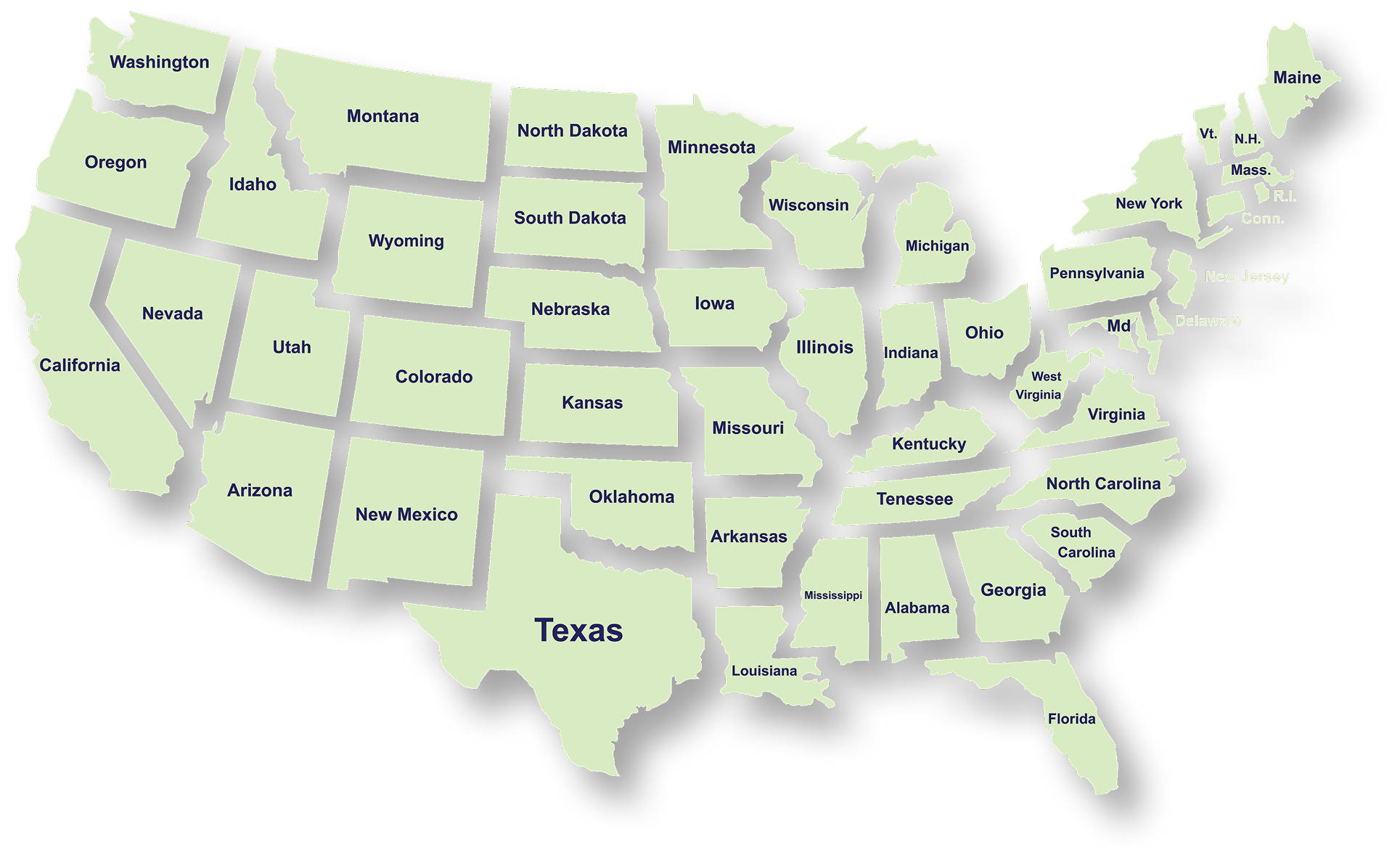
Serving Businesses & Individuals Across USA

We handle accounting, tax filing, and planning with defined timelines and accurate reporting for businesses and individuals across all states.

Frequently Asked Questions

What services does NR CPAs & Business Advisors provide?
What is tax planning and why is it important for businesses?
How can a Virtual CFO help my business?
When should a business consider IRS tax resolution services?
What financial statements does a business typically need?
How can startup advisory services help new businesses?
What is strategic business planning?
What is a Virtual Family Office and who can benefit from it?