Learning Center for Tax and Financial Insights

Stay updated with clear, actionable articles on tax rules, deadlines, deductions, and financial decisions that impact individuals and businesses.

No items found.

Video Tips: Receiving A Phone Call from the IRS? Beware of Scammers!

There have been instances where scammers have posed as IRS representatives in order to extract money from unsuspecting victims. Here are a few tips on how to protect yourself from these scammers. First, be aware of the different methods that the IRS uses to contact taxpayers. If you receive a phone call or email from someone claiming to be from the IRS, do not reply or give out any personal information. Second, remember that the IRS will never threaten you with arrest or demand immediate payment. Finally, if you are unsure about whether or not a contact is legitimate, you can always call the IRS directly to confirm or ask for assistance from a professional office.

Explore More
No items found.

Electric Vehicle Credit Undergoes Major Overhaul

Article Highlights:Assembly Requirement August 15 DeadlineTransition RuleThe New LawIncome LimitManufacturer's Suggested Retail Price LimitationNew Vehicle DefinitionTransfer of Credit to the DealerCredit for Used VehiclesWith the recent passage of the Inflation Reduction Act of 2022, the electric vehicle credit has undergone some major changes. Although most of the changes take effect in 2023, to qualify for the current credit, vehicles purchased after August 15, 2022, are required to meet the final assembly requirement of the new law. That requirement necessitates vehicles sold after August 15, 2022, undergo final assembly in North America. "Final assembly" means the manufacturer must produce new clean vehicles at a plant, factory, or other place located in North America from which the vehicle is delivered to a dealer with all component parts necessary for the mechanical operation of the vehicle included with the vehicle.The U.S. Department of Energy has prepared a preliminary list of Model Year 2022 and early Model Year 2023 vehicles that may meet the final assembly in North America requirement. Although the current law phasing out the credit once a manufacturer has produced 200,000 vehicles has been eliminated beginning in 2023, it still applies for vehicles sold in 2022. Even though those vehicles meet the final assembly requirement, because of the 200,000 limit they may not qualify for credit or reduced credit in 2022 but will again qualify in 2023 under the new rules. The U.S. Department of Energy list tags those that have reached the 200,000 limit. Visit the IRS site for a list of qualifying vehicles to see if a vehicle might still qualify for a reduced credit.Transition Rule - The legislation also provides a transition rule where a taxpayer who, from January 1, 2022, and before August 16, 2022, purchased, or entered a written binding contract to purchase, a new plug-in electric drive motor vehicle and placed that vehicle in service on or after August 16, 2022, may elect to use the credit rules in effect before the Inflation Reduction Act changes, thus avoiding the final assembly and other requirements of the new law. The New Law – The new law, generally effective beginning January 1, 2023, includes some new stringent requirements including that the critical minerals and other battery components used in the manufacture of a qualifying vehicle be from North America. Because of the current limited availability of these critical minerals this requirement is being phased in through 2029, giving manufacturers time to develop North American sources for these materials.Also beginning 2023, the law imposes income limits on who qualifies for the credit, as well as limiting the cost of the vehicles eligible for the credit as follows: Income limit - No credit is allowed for any tax year if the lesser of the modified adjusted gross income (MAGI) of the taxpayer for the:

Explore More
No items found.

Video Tips: A Reminder of the Third Quarter Estimated Tax Payment

The third quarter estimated tax payment is due on September 15th. This is a reminder for those who have not yet made their payment. Estimated taxes are required for those who expect to owe $1,000 or more in taxes for the year. If you need help estimating your taxes, please contact our office for additional assistance.

Explore More
No items found.

Solar Tax Credit Gets New Life

Article Highlights: Effective YearsCredit Percentage BatteriesWorth the Cost?Non-Refundable CreditMaximum CreditQualifying PropertyWho Gets the Credit?When is the Credit Available?Multiple InstallationsInstallation CostsBasis AdjustmentAssociation or Cooperative CostsMixed-Use PropertyNewly Constructed HomesUtility SubsidyLeased InstallationsThe Inflation Reduction Act signed into law by President Biden on August 16, 2022, gives new life to the federal tax credit for the purchase and installation costs of residential solar-power systems and provides guidelines allowing batteries to also qualify for the credit.The solar credit is a percentage of the cost of a solar electric system installed on a taxpayer’s first or second residence located in the U.S. Before the passage of the Inflation Reduction Act the solar credit was being phased out by slowly reducing the credit percentage from 30% to 22% over several years, and the credit was scheduled to end after 2023. The Inflation Reduction Act extends the credit through 2032 at 30% before phasing it out in years 2033 and 2034. Those who qualify for the credit in 2022 will receive a bonus, as the credit for 2022 was 26% under the prior law phase out, but the legislation has returned the credit to 30% for 2022. The following table summarizes the credit for the past and the future years under this the new legislation.Applicable YearCredit PercentageThru 201930%2020-202126%2022-203230%203326%203422%After 20340%Batteries – Emergency power outages imposed by utilities in fire prone areas during periods of high winds and low humidity, as well as in other disaster areas, can be a major inconvenience, especially for those that work from home, resulting in many taxpayers asking if storage batteries added to a solar installation would qualify for the credit. Before this law change the tax code was silent on whether storage batteries were eligible for the credit, although the IRS had issued a private ruling indicating that they would be allowed. The Inflation Reduction Act of 2022 amended the code by adding and defining the term “qualified battery storage technology expenditure.” Thus clarifying that for expenditures made after December 31, 2022, battery storage technology which meets the following requirements will qualify for the credit:(A) It is installed in connection with a dwelling unit in the United States that is used as a residence by the taxpayer, and (B) It has a capacity of not less than 3 kilowatt hours. Homeowners who already have a solar installation can add a storage battery and qualify for the solar credit for the cost of the battery. Is a Solar System Appropriate For Your Circumstances? - Those TV adds tout how little your electric bill will be after you have a solar system installed. But they fail to consider the cost of the system itself and subsequent system maintenance. When you are making the decision whether to acquire a home solar system, you need to factor in the cost of the system (and the interest you will be paying if you are financing it) as compared to conventional electricity costs. How many years will it take to recover your cost? Do you plan to live in your home beyond that time? Is a solar system worth the cost? Electricity costs can vary significantly according to locale. Even if not financially beneficial, there are situations in which the cost may not be the deciding factor. Some areas experience frequent power outages; you may simply want to go green or go off the grid where electric service is not reliable. If you plan to go ahead with a solar installation, here are some of the issues you need to be aware of.Non-Refundable Credit - The credit is nonrefundable, meaning it can only reduce your tax liability to zero. However, the portion of credit that is not allowed because of this limitation may be carried to the next tax year and added to the credit allowable for that year. Maximum Credit – There is no specific maximum, however, and since it is not a refundable credit, the benefit may be spread over several years, and if not utilized by the time the credit is phased out, you may not get the benefit of the entire credit.Example: Suppose in 2022, your solar installation costs $25,000 and the installation was completed in 2022. That would qualify you for a solar tax credit of $7,500 ($25,000 x 30%). But suppose the income tax liability on your 2022 tax return is only $3,000. Then, the credit would reduce your tax liability to zero, and the other $4,500 ($7,500–$3,000) of the credit is carried over to your 2023 tax return, where the credit will be limited to that year’s tax amount. If your tax is again less than the amount of the credit, the excess credit carries to the following year, and so on, until the credit is used up or the credit expires. So if you are expecting the credit to offset your outlay for the cost in the first year you may be in for a surprise. Qualifying Property – Both a taxpayer’s main and secondary residence qualify for this credit. Who Gets the Credit? – It may come as a surprise, but you need not own the residence where the solar property is installed to qualify for the credit; you need only be a “resident” of the home. The tax code does not specify that an individual must own the home, only that it is their residence. Example: A son lives with his mother, who owns the home. The son pays to have the solar system installed; the son is the one who qualifies for the credit.When is the Credit Available? – The credit may be claimed on the tax return of the year during which the installation is completed. Example: If you purchase and pay for a system installation that is completed in 2022, the credit will be claimed on your 2022 return. However if you pay for the installation in 2022 and the installation is not completed until 2023, then the credit is claimed on your 2023 return. Multiple Installations – The credit is available for multiple installations. For instance, after the initial installation, if you add additional solar panels to increase capacity, these would be treated as original installations and qualify for credit at the credit rate applicable for the year the additional installation was completed. On the other hand, if you had to replace damaged panels or perform other maintenance on the system, these costs would not be for an original system and would not qualify for the credit.Installation Costs – Amounts paid for labor costs allocable to onsite preparation, assembly, or original installation of property eligible for the credit—or for piping or wiring connecting the property to the residence—are expenditures that qualify for the credit. This includes expenditures relating to a solar system installed on a roof or ground-mounted installations. Basis Adjustment – With respect to a home, the term “basis“ generally refers to the cost of the home plus improvements and is the amount subtracted from the sales price to determine the gain or loss when the home is sold. The cost of a solar system adds to a home’s basis, but because the solar credit is a tax benefit, the credit reduces the basis. This will generally create a different basis for federal and state purposes where a state does not provide a solar credit, or it differs from the federal solar credit amount.Association or Cooperative Costs – If you are a member of a condominium association for a condominium you own or are a tenant-stockholder in a cooperative housing corporation, you are treated as having paid your proportionate share of any qualifying solar system costs incurred by the condo, cooperative association, or corporation. Mixed-Use Property – In cases in which you use a portion of your residence for deductible business or rent part of your home to others, the expenses must be prorated, and only your personal portion of the qualified solar costs can be used to compute the credit. There is an exception if 20% or less of the property is used for business purposes, in which case the full amount of the expenditure is eligible for the credit.Newly Constructed Homes – If you are planning on purchasing a newly constructed home that includes a solar system, you may be entitled to claim the solar credit. However, to do so, the costs of the solar system must be stated separately from the home construction costs and the appropriate certification documents must be available.Utility Subsidy – Some public utilities provide a nontaxable subsidy (rebate) for the purchase or installation of energy-conservation property. In that case, the cost of the solar system eligible for the credit must be reduced by the amount of the nontaxable subsidy that was received, so only your net cost is eligible for the credit. Leased Installations – When a solar installation is leased, the lessor gets the credit, not the home resident.

Explore More
No items found.

Everything You Need to Know About Starting a Business: Your Step-by-Step Guide

According to one recent study conducted by the Small Business Administration, there are approximately 32.5 million organizations that classify as a small business in operation in the United States. Half of all American workers are either employed by a small business or own a small business and are significant drivers of not only the economy in this country but on a global scale as well.Coming up with an idea for a new business, however, is one thing. Actually becoming a successful business owner is something else entirely.According to another study, only about 48% of small business organizations survive beyond their five-year anniversary. This is due to a large number of reasons including uncertainty in terms of economic development, changing consumer behaviors, cash flow problems, and more.Because of that, if you're going to start a new business, you need to have more than just an idea. An excellent product or service can only get you so far if your business structure isn't where it needs to be. There are several critical steps that need to be taken that go beyond your initial business idea to help make sure that you end up as one of the approximately 52% of business owners that are still here five, 10, or even 20 years from now.To be a successful entrepreneur, you need to think about factors like business financing. You need to guarantee that your legal structure is in order. You need to focus on market research so that you fully understand the customers you've dedicated yourself to serving.Business insurance, workforce development, your business entity type - all of these things must be considered before you "hit the ground running" and try to bring your initial vision to life.Any seasoned business veteran will tell an aspiring entrepreneur that it takes a long time to become an "overnight success." A rock-solid foundation must first be laid so that you have something stable to build from moving forward.But while the process of starting a business is time-consuming, it isn't necessarily as difficult as some people assume it to be. Running a successful business requires you to follow a precise process and to keep a few important things in mind along the way.1. Hone Your Business Idea By far, the most important step to take when starting a new business involves making sure that your actions are motivated by the right idea in the first place.It's not too difficult to come up with an idea for a new product or service. But what makes yours unique? For the best results, you should be able to easily answer the following three questions:What is it that your product or service does?How is it different from similar products or services that are already on the market?What problems does it solve for your potential customers or what value does it bring to their lives?If the answer to any of those questions is "I don't know," you need to go back to the drawing board and refine your idea until things start to come into focus.Market research will help enormously to that end. Your primary motivator when starting a business should be to bring something fresh and exciting to people's lives. Therefore, it stands to reason that in order to do that, you need to know as much about who these people are as possible.Thorough market research will allow you to drill down your potential customers in an almost intimate level of detail. Who are these people? What do they need? What do they want? What do they like? What do they dislike?Market research can help you answer all of these questions and more. Not only will this then be the insight that you can use to refine your initial idea, but it will inform a lot of the choices you'll make from that point forward. Marketing is a prime example of that.2. Develop the Right Business PlanNext comes what is arguably the most essential part of starting a new business - making sure that you have the right business plan to operate from at the outset.At this point, you'll continue to ask yourself a series of important questions. What is the overall purpose of your business? What long-term goals do you hope to accomplish? How are you going to come up with the business finances necessary to get your enterprise off the ground?Keep in mind that everyone's answers to these questions will be a bit different because every situation is unique. There is no "one size fits all" approach to starting a business.Once you know what you're doing and most importantly why, you can begin to put together a plan for how you're going to accomplish it.Again, market research will prove invaluable to that end because it helps you better understand your target customers. You'll also want to conduct a competitive analysis to see what other companies in the industry are offering similar products and services to yours. At that point, you can figure out what they're doing well - and what you can do even better.Although it may seem counterintuitive, you'll also want to think about a potential exit strategy at this point. Keep in mind that you're trying to put together a roadmap for your new business, essentially. You need to know where you're starting and where you hope to end up in order to connect those two points in the most efficient way possible.Therefore, if you hope to start a successful business and sell it in 10 years, you need to start making decisions with that goal in mind. If you want to leave the business to your kids so that it stays in the family once you retire, you'll need to begin thinking about how to accomplish that, too. Tax planning actually starts before you choose your business entity and structure. 3. Dive Into the Financial Side of the EquationAnother part of starting a business comes down to business finances. This, too, will play a pivotal role in the plan that you're in the process of developing.First, you'll want to consider how you're going to come up with the funds necessary to start your business in the first place. Do you have the cash on-hand to cover startup costs, or will you be taking out a business loan? What do those startup costs actually look like in your scenario?Obviously, startup costs will be smaller if you're selling entirely online via an eCommerce portal as opposed to opening up a brick-and-mortar retail location, so all of this needs to be carefully considered.Keep in mind that a number of small business services exist to help people in your exact situation. In addition to the aforementioned business loans you also have the option of business grants or even third-party investors. Crowdfunding is also a very popular option these days to pull in funding from multiple sources.You'll also need to perform what is called a "Break Even Analysis." As the name suggests, this is the total amount of money you need to make by way of your product or service for your new business to be profitable.This number will vary wildly depending on the industry. In some, like food services, it can take years for you to break even and start turning a profit. In others, it will be a much smaller amount of time.In general, take the fixed costs associated with starting your business and divide them by variable costs subtracted by the average price of your product or service. The number you're left with will give you the break-even point.

Explore More
No items found.

Best Practices for Avoiding Cash Flow Problems With Your Business: A Guide

If you had to make a list of some of the biggest issues that plague small business owners on a regular basis, cashflow problems would undoubtedly be right at the top.Cash flow is about more than just the money coming into and going out of your business. It represents your ability to capitalize on opportunities as an entrepreneur as opposed to watching them pass you by because you lack the necessary cash on hand. It's about making sure that you have the cash inflow you need to pay your employees on-time. It's about understanding how you're going to pay vendors and other suppliers to get your products and services into the hands of the people who need them on-time. The list goes on and on.Based on this, it should not come as a surprise that an estimated 82% of all small businesses that close do so because of a significant cash flow problem. When you also consider the fact that the number of small businesses that fail to make it beyond their fifth anniversary is estimated to be 48%, it's easy to see why this is one critical aspect of being an entrepreneur that you do not want to overlook.To be clear, none of this is to say that if you manage to avoid significant cash flow problems you're guaranteed to run a successful business for years to come. Unfortunately, the situation is a lot more malleable than that - there are still a lot of other variables that need to be accounted for. It's simply that proper cash flow forecasting is imperative to avoid a lot of the major mistakes that new entrepreneurs in particular commonly make. It will also help avoid disruption and can be a key contributing factor in your business's ability to scale and grow larger over time.Thankfully, getting a handle on cash flow problems as a small business owner isn't necessarily as difficult as one might assume. It does, however, require you to keep a number of crucial things in mind along the way.The Ins and Outs of Cash Flow: Breaking Things DownFirst, it's important to get a handle on just what is meant by the term cash flow in the first place. Generally speaking, it can be separated into two categories: cash inflow and cash outflow.Cash inflow refers to the amount of money that is coming into your business at any given time. This is typically represented by the money being generated when you sell your products or services. Note that not every dollar that comes into the organization is revenue, mind you - you still have expenses and things of that nature to account for.Cash outflow, as the name suggests, is the money going out of your business. This includes not just payments to people like your employees but also payments to vendors and other suppliers. Regular expenses and debt payments would also fall under the cash outflow umbrella.These two concepts are closely related and a cash flow problem in one area will almost immediately start to impact the other. If you start making late payment after payment to your suppliers, for example, your relationship will be harmed, and you may find it difficult to find people to work with in the future. Making a late credit card or other debt payment could hurt your ability to borrow (and negatively impact your credit rating). It can even harm your reputation not just with your customers, but with your employees as well.All of this is why there really are no such things as "small" cash flow problems." What seems like a minor issue at first will soon snowball into something far bigger if left unchecked, which is why you need a stable foundation in place to avoid these types of situations altogether.Pay Attention to How (and Why) You're BorrowingBy far, one of the most important ways to make sure you have a handle on your cash flow situation is to gain as much insight as possible into the money that you're borrowing - and why.It's rare that an entrepreneur has the money on-hand to build an entire enterprise on their own without taking out additional debt like small business loans. Many even use business credit cards and similar borrowing techniques to get up and running and to make sure that things are running as efficiently as possible.Having said that, you need to pay careful attention to borrowing too much or borrowing from sources that are too expensive. If you have too many loans with a high-interest rate, you may be paying more each month than that money is actually bringing into your business. If you start to miss a payment or two, those interest rates could increase even further - causing you to take on additional debt just to stay afloat.If possible, refinance any high-interest-rate credit cards and similar loans to take advantage of more favorable terms and conditions. Likewise, don't borrow additional money if you're already strapped or if it just doesn't make long-term financial sense to do so.Maintain Those Cash ReservesOne of the biggest lessons that many small business owners learned given everything going on in the world over the last few years has to do with the importance of cash reserves.One day, everything is going smoothly and exactly as expected. The next day, something unprecedented happens - like a sudden global pandemic begins, forcing most businesses to indefinitely close their doors without any indication of when or even how they'd re-open again.According to one recent study, 17% of small business owners said that they'd have to shut down permanently if they were faced with just a two-month-long revenue loss. This is why cash reserves are critical - they help you prepare for whatever life happens to throw at you, regardless of how unexpected it may be.In other words, don't immediately spend every extra dollar coming into your business after expenses and other payments are accounted for. Try to build up as large of a reserve as possible so that if something does happen, you'll at least be able to weather the storm for a while until you come up with a more permanent solution or until conditions return to normal.

Explore More
No results found.
Thank you! Your submission has been received!
Oops! Something went wrong while submitting the form.

Want tax & accounting tips & insights?Sign up for our newsletter.

Thank you! Your submission has been received!
Oops! Something went wrong while submitting the form.

Why Work With Us?

We combine deep tax expertise, financial strategy, and practical business insight to help you manage complexity, stay compliant, and make confident financial decisions.
A dollar sign, representing financial advice or discussion at NR CPAs & Business Advisors.

Experienced CPA and Enrolled Agent Leadership

Guidance led by licensed professionals with deep expertise in tax strategy, compliance, and complex financial matters.
White bar chart with an upward arrow on green circular background representing growth or progress at NR CPAs &. Business Advisors

Support for Growing Businesses and Startups

We understand the financial challenges of growth stage businesses and provide structured guidance to support expansion.
A white hand holding a dollar symbol and ascending bar chart on a green circular background representing financial growth or investment at NR CPAs & Business Advisors..

Strategic Financial Advisory

Our team helps you evaluate financial decisions with greater clarity, supported by practical insights and long term planning.

Fractional CFO Support

Access experienced financial leadership without the commitment and cost of hiring a full time Chief Financial Officer.

Proactive Tax Planning Approach

We focus on identifying tax opportunities throughout the year rather than reacting only during filing season.

Clear and Reliable Financial Reporting

Accurate financial statements and reporting that help you better understand performance and make informed decisions.
White IRS building icon with pillars and a dollar sign above on a green circular background.

Professional IRS Representation

Experienced support in resolving IRS notices, disputes, and compliance matters while protecting your financial interests.

Personalized Client Focus

Every client receives thoughtful attention and tailored financial solutions based on their specific needs and business goals.
Financial matters often involve important decisions. Working with experienced advisors can help you approach them with greater clarity and confidence in your choices.

Need Help With Your Tax or Financial Decisions?

Discuss your situation with our advisors to get clear guidance on tax planning, IRS matters, and the financial decisions ahead.
Business consulting at NR CPAs & Business Advisors.

Request Your Consultation

Fill out the form to discuss your tax concerns, financial questions, or advisory needs with our team. We will review your details and respond shortly.

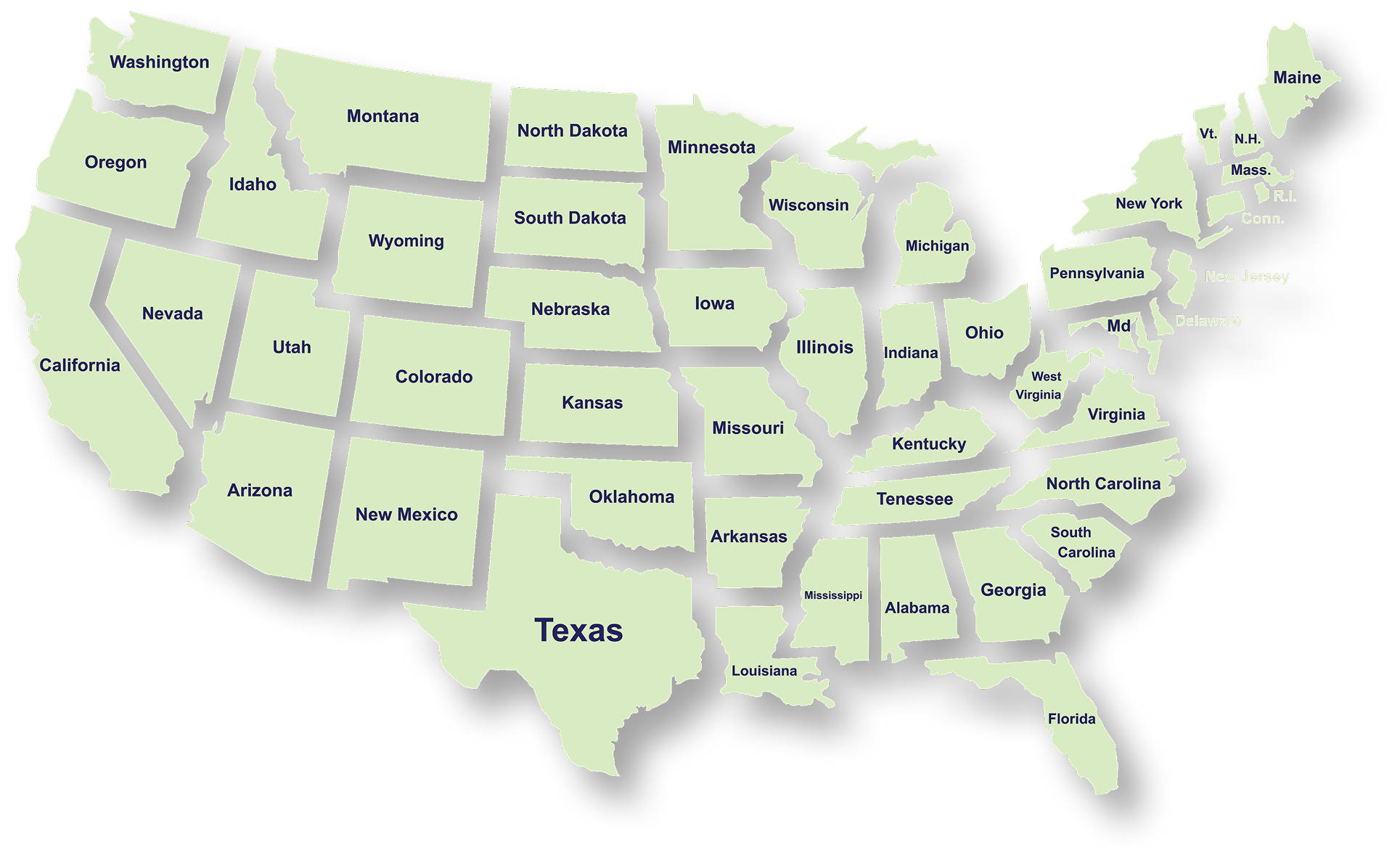
Serving Businesses & Individuals Across USA

We handle accounting, tax filing, and planning with defined timelines and accurate reporting for businesses and individuals across all states.

Frequently Asked Questions

What services does NR CPAs & Business Advisors provide?
What is tax planning and why is it important for businesses?
How can a Virtual CFO help my business?
When should a business consider IRS tax resolution services?
What financial statements does a business typically need?
How can startup advisory services help new businesses?
What is strategic business planning?
What is a Virtual Family Office and who can benefit from it?