Learning Center for Tax and Financial Insights

Stay updated with clear, actionable articles on tax rules, deadlines, deductions, and financial decisions that impact individuals and businesses.

No items found.

All the Things That Entrepreneurs Can Learn From the Overnight Success Story of Wordle

Few things have captured the attention of so many people in recent memory like the word-based game Wordle. It's one part crossword, one part Sudoku — players have to guess the word of the day through equal parts strategy and luck. Based on their guesses, colored tiles tell players when letters are in the correct position or if they're included in the word at all. The goal is to guess the daily word in as few attempts as possible.Wordle is the product of Josh Wardle, a man who initially built the game simply for himself and his partner to play. It became public in October 2021 and, after exploding in popularity, was eventually purchased by The New York Times for a seven-figure sum.In an interview, Wardle himself admitted that the game — which he published online for free — had "gotten bigger than I ever imagined. It has been incredible." Indeed, there are a number of important lessons to be learned in this story — all of which are worth exploring.Why the Journey of Wordle Matters to EntrepreneursBy far, one of the most important lessons to be learned from Wordle is that entrepreneurs should focus on projects that are born out of love.Again, Josh Wardle — a software engineer by trade — initially created the game simply so that he and his partner could have something to play together. There was no quest for fame or fortune — it was a fun, daily activity that the two could share. Especially during the still-ongoing COVID-19 pandemic, it seems that this was a sentiment that many people shared, and the skyrocketing popularity is more than proof of that.Another important lesson to be learned from Wordle is that the brilliance of the game is in its simplicity. It's not necessarily a word-based game like Scrabble where every game is different. Every day, players all over the world attempt to guess the same word in as few choices as possible. Then, they can post their results to social media and essentially compete against one another.

Explore More
No items found.

IRS Stops Using Facial Authentication Software for Access to Online Accounts

Article Highlights:• Prior Article • ID.me• Treasury Decision• IRS Third-Party AuthenticationA prior blog article posting included an article about the IRS’ plans to use ID.me facial recognition software for taxpayers and others to authenticate access to their online accounts. Under pressure from privacy activists and several members of Congress, the Treasury Department has directed the IRS to transition away from using the controversial ID.me ID facial recognition verification services after deciding that biometric information is inherently risky and pointing out that many facial recognition systems have deep racial and gender biases.

Explore More
No items found.

If You Have a Side Hustle, Be Advised: The IRS is Cracking Down

Article Highlights: Form 1099-KReporting Threshold MarketplacesPayment Processors (credit and debit cards)Online Service ProvidersAirbnb and VRBODelivery and Other Personal ServicesBusiness ExpensesRecord KeepingFor several years now, the IRS has required payments made to merchants through various marketplaces, payment processors (credit & debit cards), and third-party settlement organizations (TPSOs) to be reported on Form 1099-K. The purpose being to uncover merchants that do not report all of their income by comparing the 1099-K amounts to the amount reported on the individual’s or business’s tax return and following up with the under-reporters by correspondence or by audit. In the past the filing threshold for 1099-Ks was when the gross amount of total reportable payment transactions during a calendar year exceeded $20,000, and the aggregate number of transactions for that payee in that year exceeded 200. Thus, entrepreneurs with a small side hustle selling merchandise on the Internet directly or through the likes of Amazon, E-Bay and others may not have received a 1099-K in the past. That will all change beginning in January 2023 when reporting begins for 2022 transactions, since the American Rescue Plan Act of 2021 included a provision to reduce the reporting threshold to $600, effective in 2022. Also impacted by this reduced threshold will be homeowners who rent out their vacation homes through the likes of Airbnb and VRBO who generally avoided 1099-Ks in the past because of the 200-transaction threshold. Also, individuals providing services through Internet websites such as for delivery, babysitting, companionship, home cleaning, elder care and other services seldom met the $20,000 threshold and have not received 1099-Ks in the past.

Explore More
No items found.

Managing Your Finances During an Inflationary Period

It’s hard to ignore the real-life impacts inflation is having. While gas and grocery prices are having the most immediate effect, the price of almost everything is going up. People who are looking for ways to counter the impact and preserve financial stability can start with these solutions. They’re accessible options that can make a real difference.Search for better savings options – If you’ve been parking your savings in your bank’s basic savings accounts, you know that you’re not earning much in the way of interest. Historically speaking, higher inflation leads to interest rates rising, but so far that hasn’t been the case. Still, online banks and others have introduced some attractive options that may make it worthwhile to shift your savings. The stock market and long-term investments are other options, though the uncertainty may not be for everybody. Experts urge people who opt for investment to diversify and to resist being reactive to sudden drops in prices. A long view will usually result in incremental growth.Pay off your credit cards – While savings account interest rates aren’t rising, credit card interest rates are. If you’re carrying debt from one billing cycle to the next, you’re paying too much – and are likely to be paying more soon. Evaluate the rates your current card is charging and if you can, consider a balance transfer – especially to a card that is offering special introductory terms. One way or another, create a plan to pay your debt down and stick to it.ARM Mortgage Update – Mortgage rates have been at historically low levels, but that won’t last much longer… in fact, they’re already rising. If your mortgage rate adjusts, don’t get complacent. The rates that are coming are going to be significantly higher, so now’s the time to refinance and grab a low fixed rate while they’re still available. Maximize Your 401K – If your employer offers a 401K program with a match, do whatever you can to maximize your savings. The more that you put away now, the better off you will be in the future. Be Cost-Conscious – When money is flowing and prices are low, it’s easy to get into a casual spending habit. Now that prices are rising, it’s time to take a closer look at where your money is going. From auto-renewing subscriptions to services you may no longer be using, to using food delivery services instead of going out to pick up your groceries yourself, it may be time to write down what you’re spending, eliminate where you see waste, and create a budget you can stick to and increase the cash you have in your pocket. You’ll be amazed how much you can save if you look for sales, turn the heat setting down by a couple of degrees, and start shopping smarter.

Explore More
No items found.

Does a Tax Deduction and a Tax Credit Result in the Same Tax Benefit?

Article Highlights:Itemized DeductionsAbove-the-Line DeductionsBelow-the Line DeductionsBusiness DeductionsAsset-Sale DeductionsRefundable CreditsNonrefundable CreditsCarryover CreditsBusiness Tax CreditsTax lingo, even without getting into the weeds of the Internal Revenue Code, tax regulations, IRS rulings, etc., can be confusing. Two frequently used terms that taxpayers sometimes think provide the same tax benefit, but don’t, are “tax deductions” and “tax credits.” Although a tax deduction and a tax credit both help lower the taxpayer’s tax, there’s a difference between them, and there are distinct types of deductions and categories of credits. This article explains these terms. In general, a deduction reduces taxable income, whereas a credit reduces the tax itself. Tax Deductions – Tax deductions reduce the taxable portion of an individual’s income, which then reduces the tax on that income. But tax deductions come in a variety of flavors, as explained next:Itemized Deductions – When taxpayers think of deductions, they typically think of the itemized deductions that are claimed on Schedule A. This is the only way to deduct personal expenses such as medical costs, state and local tax payments, investment and home-mortgage interest, charitable contributions (in most years), disaster-casualty losses, and various rarely encountered expenses. In some cases, itemized deductions are limited. For instance, medical expenses are only deductible to the extent they exceed 7.5% of the taxpayer’s adjusted gross income (AGI). Similarly, state and local tax payments (including those for income, sales, and property taxes) are currently capped at $10,000. However, pending legislation may increase or eliminate that limitation. For any change, please contact this office. On top of that, itemization only reduces taxable income to the extent that the total of the itemized deductions exceeds the standard deduction. When the sum does not exceed the standard deduction, the itemized deductible expenses provide no tax benefits at all. Above-the-Line Deductions – Certain deductions actually reduce income. These are commonly called above-the-line deductions because, when applied, they reduce the income figure that is used to calculate AGI. Thus, their benefits apply regardless of whether the taxpayer uses itemized deductions. Above-the-line deductions include educators’ expenses; contributions to health savings accounts, traditional IRAs, and certain qualified retirement plans; deductible alimony payments; and student-loan interest. Most of these deductions have annual maximums (not discussed in this article).Below-the-Line Deductions – These are deductions allowed without having to itemize that reduce a taxpayer’s taxable income but not their AGI. For example, for 2021 taxpayers who don’t itemize their deductions are allowed a limited deduction for cash charitable contributions. That donation to charity is a below-the-line deduction. Normally, charitable contributions are only allowed when itemizing on Schedule A. Example: In 2021 Liz, who is single, has wage income of $50,000 and made a contribution to her traditional IRA of $3,000. She also contributed $300 to the Red Cross and is not itemizing deductions. Her AGI is $47,000 ($50,000 - $3,000). Her taxable income is $34,150 (AGI $47,000 - $300 donation - standard deduction for a single person of $12,550). Her income tax is based on her taxable income of $34,150.Another below-the-line deduction is the Section 199A qualified business income deduction that is generally 20% of net business income from pass-through activities.You may wonder: why bother to distinguish between above- and below-the-line deductions? The AGI is used for applying limitations and phaseouts for a variety of deductions and credits. While Congress wanted taxpayers to benefit from below-the-line deductions, the legislators didn’t want taxpayers to benefit too much – they didn’t want the AGI to be reduced by these deductions because that could have resulted in more generous other deductions and credits. Business Deductions – Taxpayers who operate noncorporate businesses can deduct from their business income expenses that they incur when operating their businesses. These deductions (which cover advertising fees, employee wages, office-supply costs, etc.) are used to reduce profits, which in turn reduces AGI and taxable income and, ultimately, income tax. In addition, most self-employed taxpayers pay Social Security and Medicare taxes on their net business income, so any reduction in their business profits also reduces their Medicare taxes and possibly their Social Security taxes. Asset-Sale Deductions – An individual who sells an asset is allowed to deduct that asset’s cost from the sale price to determine the taxable profit. Good recordkeeping is helpful here because the original expense may have been incurred years prior, even though it is only deductible when the asset is sold. For example, any improvements that an individual makes to a home over years of ownership are not deductible until the home is sold. At that point, the individual can reduce the taxable gain from the sale by counting the improvements as part of the home’s cost.

Explore More
No items found.

Counseling the Counselors: What your Therapy Business Needs to Know About Taxes

Therapy and counseling are invaluable services, and counselors make such a difference in clients’ lives that it’s hard to remember that they’re also operating a business. But if you’re a therapist it’s no surprise to you. With tax time right around the corner, now’s the time for a quick update on what you need to know about filing your income taxes. We’ve compiled some important tips to help make sure that your bookkeeping and accounting records are up-to-date and that you’re in compliance.Don’t Mix Your Business Accounts with Your Personal AccountsYou create a clear separation between your professional relationships with clients and your personal relationships, and you need to exercise the same discipline when it comes to your finances. That means keeping separate accounts — both banking and credit card — for your practice. You should be keeping track of business income and expenses too. It doesn’t matter whether you do this using an old-fashioned ledger book, an Excel spreadsheet, or any of the easy-to-use apps and software packages that are available, though we will point out that the latter makes it much easier to import information for tax prep. Be Sure to Pay Your Taxes – Quarterly and AnnualAll self-employed individuals are required to submit quarterly estimated income taxes, as well as additional self-employment taxes that make up for what others pay through employer-withheld payroll taxes. The due dates for these change each year depending on where weekends and holidays fall, but they are generally due mid-April, mid-June, mid-September, and mid-January. If you’re a sole proprietor your annual federal and state taxes are due April 15th, though if you’ve set yourself up as an S-corporation you’ll need to have them in a month earlier.Deductions and ExpensesKnowing which of your expenses are legitimate write-offs is one of the most challenging aspects of doing your own taxes. You know about office space, but what about any continuing education that you are pursuing in support of your continued expertise, or having to pay for childcare to allow you to see patients while your children are home? Determining whether an expense is legitimately in support of your practice requires a thoughtful approach. Here are a few tax deductions that you can feel comfortable including:Subscriptions and membership feesCosts of advertising and marketingFees you pay to credit cards or banks (for your business accounts)Meals and travel expenses associated with your businessFees to maintain your license and registrationContinuing education costsDepreciation of any office equipment or furnitureHome office expenses and suppliesLiability and malpractice insuranceFees paid to attorneys, accountants or other professionals in support of your businessOffice rent and utilitiesPersonal therapySoftware

Explore More
No results found.
Thank you! Your submission has been received!
Oops! Something went wrong while submitting the form.

Want tax & accounting tips & insights?Sign up for our newsletter.

Thank you! Your submission has been received!
Oops! Something went wrong while submitting the form.

Why Work With Us?

We combine deep tax expertise, financial strategy, and practical business insight to help you manage complexity, stay compliant, and make confident financial decisions.
A dollar sign, representing financial advice or discussion at NR CPAs & Business Advisors.

Experienced CPA and Enrolled Agent Leadership

Guidance led by licensed professionals with deep expertise in tax strategy, compliance, and complex financial matters.
White bar chart with an upward arrow on green circular background representing growth or progress at NR CPAs &. Business Advisors

Support for Growing Businesses and Startups

We understand the financial challenges of growth stage businesses and provide structured guidance to support expansion.
A white hand holding a dollar symbol and ascending bar chart on a green circular background representing financial growth or investment at NR CPAs & Business Advisors..

Strategic Financial Advisory

Our team helps you evaluate financial decisions with greater clarity, supported by practical insights and long term planning.

Fractional CFO Support

Access experienced financial leadership without the commitment and cost of hiring a full time Chief Financial Officer.

Proactive Tax Planning Approach

We focus on identifying tax opportunities throughout the year rather than reacting only during filing season.

Clear and Reliable Financial Reporting

Accurate financial statements and reporting that help you better understand performance and make informed decisions.
White IRS building icon with pillars and a dollar sign above on a green circular background.

Professional IRS Representation

Experienced support in resolving IRS notices, disputes, and compliance matters while protecting your financial interests.

Personalized Client Focus

Every client receives thoughtful attention and tailored financial solutions based on their specific needs and business goals.
Financial matters often involve important decisions. Working with experienced advisors can help you approach them with greater clarity and confidence in your choices.

Need Help With Your Tax or Financial Decisions?

Discuss your situation with our advisors to get clear guidance on tax planning, IRS matters, and the financial decisions ahead.
Business consulting at NR CPAs & Business Advisors.

Request Your Consultation

Fill out the form to discuss your tax concerns, financial questions, or advisory needs with our team. We will review your details and respond shortly.

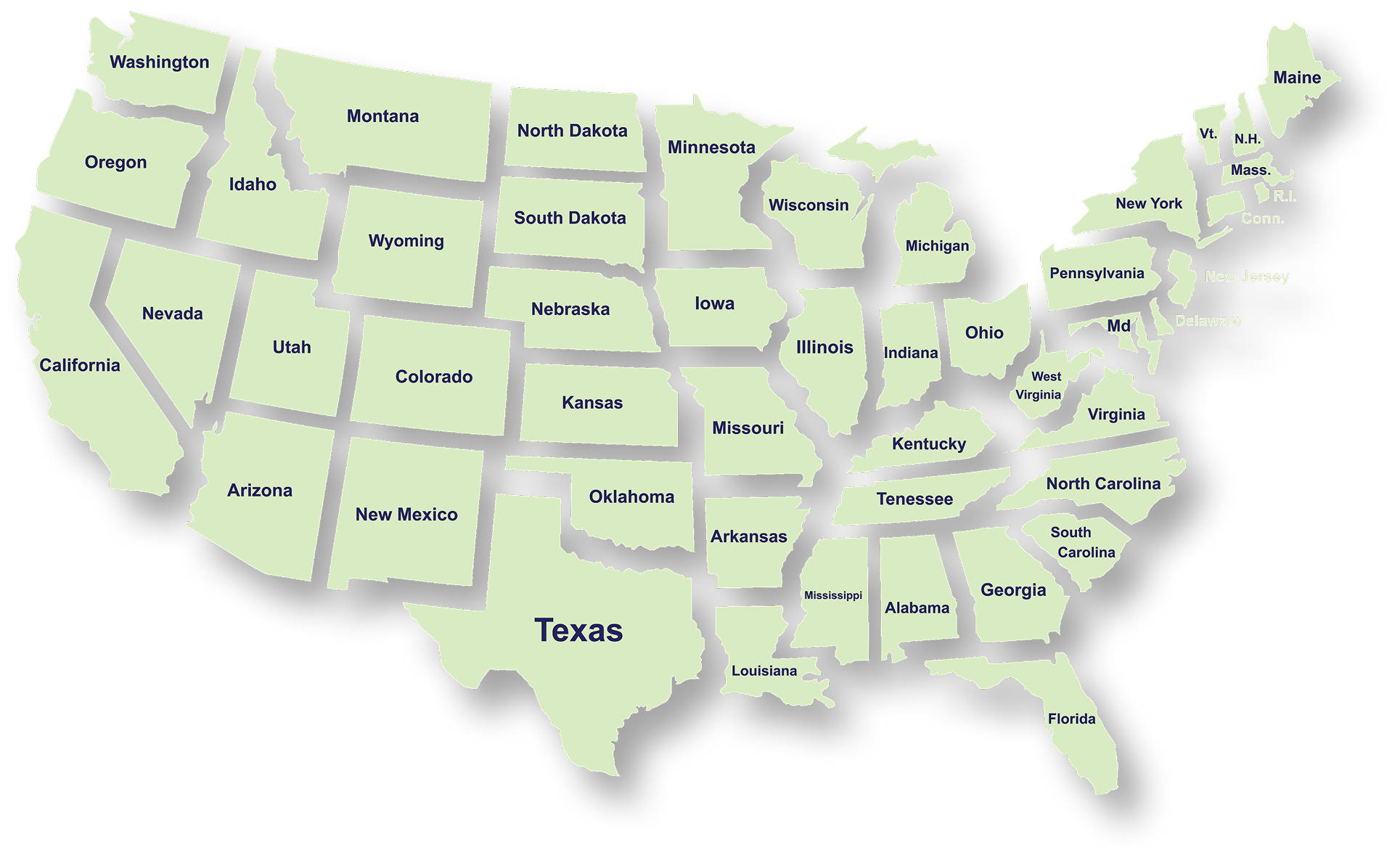
Serving Businesses & Individuals Across USA

We handle accounting, tax filing, and planning with defined timelines and accurate reporting for businesses and individuals across all states.

Frequently Asked Questions

What services does NR CPAs & Business Advisors provide?
What is tax planning and why is it important for businesses?
How can a Virtual CFO help my business?
When should a business consider IRS tax resolution services?
What financial statements does a business typically need?
How can startup advisory services help new businesses?
What is strategic business planning?
What is a Virtual Family Office and who can benefit from it?