Learning Center for Tax and Financial Insights

Stay updated with clear, actionable articles on tax rules, deadlines, deductions, and financial decisions that impact individuals and businesses.

No items found.

Haven't Received Your Tax Refund Yet?

Article Highlights Slow Refunds COVID-19 Economic Impact Payments Recovery Rebates Unemployment Debacle Using 2019 Income to Compute 2020 EITC and Additional Child Tax Credit Other Issues Where’s My Refund Tool IRS May Pay Interest on Late Refunds You are not alone. We have been hearing from clients who are still waiting on refunds from returns filed early in the year. In normal times, unless there is an error, the IRS will issue most refunds in less than 21 calendar days. However, 2021 is far from being a normal year for a number of reasons. COVID-19 – Unlike most other employers that had to deal with the COVID-19 outbreak, IRS employees could not work from home because the computer system can only be accessed from IRS facilities. Thus, during 2020 and 2021 many IRS employees were furloughed. And the IRS got significantly behind in processing returns, especially paper-filed returns that must be input manually. As a result, the IRS was still processing 2019 returns at the beginning of the 2020 return filing season. Economic Impact Payments – Congress ordered the IRS to handle the task of issuing three economic impact payments, two in 2020 and one in 2021, tapping IRS resources. Recovery Rebates – To make matters worse, those first two economic impact payments had to be reconciled on the 2020 tax return, and if a taxpayer didn’t receive the amount they were entitled to, they were allowed an equivalent recovery rebate credit on their tax return. If there is a discrepancy between the amount of the payments reported on the tax return and what the IRS has on file for the economic impact payment amounts, the IRS is manually verifying the tax return for credit eligibility, which is delaying refunds. Unemployment Debacle – In March 2021, Congress, after the 2020 tax filing season had gotten underway and millions of taxpayers had already filed their returns, decided to make a portion of the unemployment compensation taxpayers received in 2020 tax-free. The IRS, in order to avoid millions of amended returns from being filed, has undertaken the task of automatically adjusting those returns and issuing refunds. Using 2019 Income to Compute 2020 EITC and Additional Child Tax Credit – The EITC and the additional child tax credit are based on a taxpayer’s earned income (income from working). However, because a preponderance of those who normally benefited from EITC and the additional child tax credit were unemployed during 2020, Congress allowed the 2019 earned income to be used in computing those credits for 2020, which also is causing processing delays. Other Issues – Other issues that cause delays in disbursing refunds include returns that are filed with missing information, those affected by identity theft and fraud, those filed with an injured spouse allocation on IRS Form 8379 (which can take a minimum of 14 weeks to process) and returns that warrant further review for other reasons.

Explore More
No items found.

Video tip: American Expats–Don't Miss the June 15 Tax Filing Due Date

The June 15 due date for American citizens and resident aliens living in another country to file their U.S. tax return is here! If you need help to finish your return or to file an extension, please give us a call as soon as possible. .embed-container { position: relative; padding-bottom: 56.25%; height: 0; overflow: hidden; max-width: 100%; } .embed-container iframe, .embed-container object, .embed-container embed { position: absolute; top: 0; left: 0; width: 100%; height: 100%; }

Explore More
Business Life Events

Exit Strategy: How to Create One for Your Small Business

Owning your own small business is a dream that few are fortunate enough to realize, but even those new to the joys of entrepreneurial self-determination need to spend time thinking about how you’re going to eventually leave the business. No matter how far off it may seem, the best way to ensure that your time in your business ends up meeting your personal goals and expectations is to prepare an exit strategy now. Crafting an exit strategy long before you plan to leave may feel a bit like starting a meal with dessert, but there are plenty of benefits to doing so. It helps you understand all your options and what the potential outcomes of each may be. Let’s take a closer look. Why an Exit Strategy is Necessary for a Small Business Though you may think of an exit strategy as only suitable for big corporations or partnerships, every business should have one so that ownership can be transferred without being hampered by negotiations or stress. As with so many things in life, the more planning you do ahead of time, the less aggravation you are likely to encounter when the time comes. If you’re just starting to think about what your exit strategy should encompass, make sure that you think about the following: What your expectations are of your business in the long term, what your financial needs are now, and what they are likely to be in the future How long you want to be involved with the business Who else has been involved in the business, what their needs will be, and how you will meet those needs Those are the key issues that an exit strategy takes into consideration and keeping them in mind will help you to ensure that you’ve addressed everything that you need to in a strategic and organized way. Even if the particulars involving these individual elements change over time, having a rudimentary exit strategy already in place will make modifications easier. The Most Common Exit Strategies Used by Small Businesses There are several different ways to leave a small business, but the five shown below represent the most commonly used: Liquidation This is the straightforward process of selling a business’ assets. Liquidation can be done in two different ways. Close and sell assets quickly – Business owners who do this often find themselves unable to leverage goodwill, client lists, and other non-tangible assets. They only monetize assets that they sell and end up losing value. Though this has the advantage of being a simple and quick process, it often leaves you with less then you could realize if you take your time, and only allows you to take advantage of tangible assets like equipment or inventory. It also leaves you in the position of having to pay off creditors immediately with the proceeds. Liquidating over an extended period – This option represents a move from reinvesting funds into the business to paying yourself with the business’ revenues. Small business owners who choose this “lifestyle business” option run their business until they are no longer earning money and able to maintain their lifestyle, and then close. Though many prefer this option, it has a deleterious impact on the business’ growth potential and your ability to consider selling it for a profit. It may work well for sole proprietors, but it is not a good option for businesses that have investors who want to earn a profit or get paid. Choosing this option also requires consultation with a tax professional. Small business owners considering liquidation need to consult with experts who can advise them on the right approach to asset sales, addressing liabilities, how to handle existing employees and more to ensure that all their commitments and obligations have been legally and responsibly addressed. Selling the business to someone familiar such as a family member, friend, employee, or customer

Explore More
Hr & People Management

COVID-19 Vaccination Proof: What's Allowed?

As more employers bring employees back to the workplace and navigate new CDC guidance on mask-wearing, they may have questions about whether they can ask about an employee or applicant's COVID-19 vaccination status. Here are answers to frequently asked questions about vaccination inquiries. Q: Would asking employees to show proof that they received the COVID-19 vaccination violate the law? A: The federal Americans with Disabilities Act (ADA) has restrictions on when and how much medical information an employer may obtain from any applicant or employee. For example, prior to making a conditional job offer to an applicant, the ADA generally prohibits disability-related inquiries and medical exams. Once an employee begins work, any disability-related inquiries or medical exams must be job related and consistent with business necessity. The U.S. Equal Employment Opportunity Commission (EEOC) issued guidance that simply requesting proof of a COVID-19 vaccination isn't likely to elicit information about a disability and, therefore, isn't a disability-related inquiry. However, subsequent questions, such as asking why an individual didn't receive a vaccination, may elicit information about a disability and would be subject to the requirement that they be job related and consistent with business necessity. If an employer requires their employees to provide proof that they have received a COVID-19 vaccination, they may want to advise employees not to provide any medical information as part of the proof in order to avoid implicating the ADA. Some state and local jurisdictions may restrict or prohibit employers from seeking proof of COVID-19 vaccination. Check your state and local law as well as guidance from local health officials to determine whether you can ask for proof. Watch for developments in this area because several state and local jurisdictions are contemplating restrictions. Q: If I'm permitted to require proof, do I have to make any exceptions? A: While the EEOC has taken the position that federal law doesn't prohibit employers from requiring the COVID-19 vaccination, or proof of it, employers may be required to provide exceptions for employees who are unable to obtain the vaccination because of a disability or sincerely held religious beliefs, unless it would impose an undue hardship on the employer. State and local laws may also require an exception to such requirements in additional situations, such as with pregnant employees. Q: If an employee asks for an exception to provide proof because of a disability or because of religious beliefs, what should I do? A: If an employee requests an accommodation from a vaccination requirement because of a disability, engage in a discussion with the employee to identify workplace accommodation options that don't result in an undue hardship (significant difficulty or expense) to the business. This process should include determining whether it's necessary to obtain supporting documentation about the employee's disability and a consideration of the possible options for accommodation given the nature of the work and the employee's position. Keep in mind that the prevalence in the workplace of employees who already have received a COVID-19 vaccination and the amount of contact with others, whose vaccination status could be unknown, may impact the undue hardship consideration. When determining whether providing an accommodation would pose an undue hardship, consult legal counsel. If an employee requests an exemption from the requirement for religious reasons, employers ordinarily should assume that the request is based on a sincerely held religious belief. However, if you have objective factors that might call into question the nature or sincerity of the request (such as inconsistent behavior), you would be justified in requesting additional supporting information, according to the EEOC. Q: Can I ask employees for a "vaccine passport" specifically? A: To be clear, no federal, state, or local government is issuing "vaccine passports." These electronic documents showing vaccination status are being developed by businesses and industry groups for travel and other purposes. Some states have enacted laws or issued executive orders prohibiting businesses and government agencies from requiring vaccine passports for entry into their premises. Employers in these states will need to review the law carefully to determine if they're covered by the ban, which may apply not only to passports but also other documentation. Due to the ambiguity in some of these laws, employers may want to consult legal counsel when doing so. Q: If I'm permitted to ask for proof, what happens if the employee says they got the vaccination but doesn't have documentation? A: When receiving the vaccine, individuals are typically provided a card that documents their vaccination progress. If an employee has lost or otherwise doesn't have documentation, you can ask them to request a copy from the medical provider. If they scheduled their appointment via the Vaccine Administration Management System, they may also be able to obtain their Vaccination Certificate there. If employees are unable to obtain documentation in a timely manner, employers may want to consider having the employee sign an attestation indicating that they've received the vaccine. Conclusion: Before asking employees about their vaccination status, review federal, state, and local laws, understand your rights and responsibilities, and take steps to ensure compliance with all applicable rules. This story originally published on HR Tip of the Week – a blog providing practical information on hiring, benefits, pay, and more – by ADP®. Learn more about how ADP’s small business expertise and easy-to-use tools can simplify payroll & HR at adp.com.

Explore More
No items found.

Accounting for Restaurants: A Guide to Setting Your Business up for Success

Operating a restaurant is a dream for many, but there’s a lot more to it than meets the eye. There are far more restaurants and food-related businesses that fail than succeed, and that’s frequently because entrepreneurs spend more time focusing on front of house operations and food preparation than on the business and accounting side. Though it is not the flashy side of the business, accounting and bookkeeping is just as important as your menu, décor, and presentation, especially with the typical narrow profit margins seen in the restaurant business. To make your success more likely, take the information provided below to heart. Even better, get professional assistance from our office. Establishing a Smart Restaurant Bookkeeping Process Get help The most important thing to do is hire a bookkeeper if you don’t know what you’re doing when it comes to restaurant bookkeeping – and preferably one who has specific experience in food and beverage accounting. The more your bookkeeper knows about the specifics of cost of goods sold, front-and-back-of-house operations and inventory management, the better. Arm your bookkeeper with the tools that they need This usually means purchasing a special software package that has been written with restaurants in mind. The more particular the package is, the easier it will make everybody’s life. Look for a program that allows you to make customized invoices, generate profit and loss statements, track your revenue, and review cash flow. It is also important that you can generate customized reports to track trends and that the program is cloud-based so that you can access the information on demand. Categorize your cash flow with a chart of accounts An experienced bookkeeper’s first step is likely to be setting up a chart of accounts that will track assets, expenses, liabilities, revenue, and equity, then break those categories down further into the various specific areas that are most important for you to keep track of. Select a Point-of-Sale system that works for your environment Retail operations have been transformed by state-of-the-art point-of-sale systems that tie every aspect of the business together. A robust program will do far more than generate receipts or place orders with the kitchen: it will also help with inventory management and tie into your sales reporting. System selection should be based on more than bells, whistles and capabilities. You also want to make sure that your entire team finds it intuitive and easy to work with. Keeping Your Eyes on The Right Information Food businesses have many different metrics that need to be tracked so you can have a clear picture of what is happening, where things are working well and what needs to be improved. The most important aspects of your business that you need to track include: Inventory – Having an inventory management system will help you understand what is selling and what isn’t, as well as calculate the right pricing for items that are selling well. By tracking ingredients and supplies, you can take advantage of discounts, order using economies of scale, and avoid waste. Sales – Revenue is one of the most important aspects of running any business, and when it comes to restaurants it is essential that you know how much you are bringing in from different areas of your business, whether that is liquor and beverage sales as compared to food, dinner as compared to lunch and breakfast, or from catering as compared to in-house dining. Cash Management – Tracking cash coming in as compared to going out is the key to keeping your business afloat. It needs to be done every day, then repeated on a weekly and monthly basis so that you understand how your sales are trending and how to schedule your bill payments. Accounts Payable – Though paying vendors may be a struggle, especially at the beginning, making sure that you are doing so on a timely basis will ensure that you will continue getting the high-quality supplies that you need, when you need them. The best way to keep track of your liabilities is in your accounting software, which will help you schedule payments in a way that meets your obligations while also maximizing your cash flow. Payroll – One of the most important aspects of any restaurant’s success is the quality of their employees, both in the front of the house and in the back, but keeping track of payroll can be a challenge. Different staff members get paid on different wage structures, and there are complicated tax processes that are involved as well. With an estimated ten percent of the American workforce made up of restaurant employees, there are plenty of tools that have been developed to ensure that those 14.7 million working in the industry are getting paid the way that they should and that you are tracking them, whether they are part-time, full time, hourly, or salaried. Reconciliation – Reconciliation is the process of making sure that you have everything in your business operations and financial management properly accounted for, including your credit card bills, loans, bank accounts, and payroll.

Explore More
Personal Finance

3 Reasons Paying Your Bills Early Will Benefit You

If there’s anything we all learned from 2020, it’s that things can change in a heartbeat and that the unexpected can create real havoc. Though there’s nothing you can do to stop fate’s freight trains from barreling down the tracks, there are steps you can take to minimize the stress you feel in its aftermath. One of those steps is both simple and remarkable in the power of its impact: Start paying your bills ahead of time, before they are due. At first glance, it may seem like paying bills early won’t change anything. But there are three important ways that it makes a big difference. 1. Boost your FICO® Score and your reputation while lowering your anxiety. Have you ever found yourself unable to log on to your credit card’s payment site on the day that a bill was due? Not only will paying early eliminate that nightmare from your life, but at the same time it will lift your FICO® Score. More than one third of your credit score is based on whether you pay your bills on time, so getting into the habit of paying early can help a lot, especially if you’ve fallen behind in the past. The other benefit that you can get from paying bills early is the boost you’ll give to the way your creditors view you. It’s known as a “halo” in the credit world, and though you may not think it makes a difference one way or another, imagine having always paid your rent ahead of time and then suddenly finding yourself short on funds, with a paycheck due two or three days after the rent’s due date. By having established a shiny halo for yourself, you have a much better chance of your landlord being willing to give you that two-or-three-day grace period that you need. And the halo isn’t limited to face-to-face creditors – it will also help you when it comes time to apply for a loan, as one of the first things a bank will look at within your credit score is your payment history. 2. Paying bills early costs less. If you’ve ever paid your bills past their due date, then you immediately know one of the ways that paying early helps: You eliminate the additional expense imposed by late fees. But in addition to avoiding that penalty, there are also significant incentives and rewards available for those who pay ahead of time. For one thing, eliminating late penalties will automatically lift your FICO® Score, and that means that you will likely qualify for lower interest rates on any loans you apply for, saving you plenty of money over the long term. Additionally, there are some creditors who offer discounts to those who pay early. Check your local tax bill to see if you can get a break for paying your real estate tax ahead of time. Some hospitals will offer a discount of 3% for paying early as well. 3. Paying early improves your “credit utilization.” Have you ever looked closely at your credit score and seen the term “credit utilization?” Most people don’t know what it means, but they should because it represents 30% of their score. It specifically refers to the amount of your available credit that you actually use. If you have a $5,000 spending limit on your credit card and your balance is $4,000, then your credit utilization is 80%. If your balance is $1,000 then your utilization is 20%. In the eyes of the banking world, a lower percentage of credit utilization makes you a safer risk and earns you a higher score. Banks don’t particularly like seeing utilization above 30%. That is not to say that you shouldn’t use the available credit that you have, but you do need to understand how it works. Credit utilization is based on a moment in time, and specifically on the last day of your billing cycle. Every month on this statement closing date, your creditor calculates how much interest you owe them for any unpaid balance as well as the minimum payment due for the month. On the same day they report to Equifax, Experian and TransUnion about how much you owe relative to your credit – your credit utilization. If you have paid down your bill before the statement closing date – even by only a little – it reduces the percentage of your credit utilization ratio. Most credit cards will indicate what your statement closing date is, but if it isn’t there then you can call customer service to find out. Just make sure that you remember that this early payment does not count towards the minimum payment due that will be reflected on your next month’s bill. You have to make a payment after the credit card statement has been generated for it to apply to that month’s payment. Even if you can’t pay your bill off in full each month, making a pre-closing date payment and a monthly minimum payment will help you lower your debt, and having the credit utilization lowered a bit will move the needle on your credit score.

Explore More
No results found.
Thank you! Your submission has been received!
Oops! Something went wrong while submitting the form.

Want tax & accounting tips & insights?Sign up for our newsletter.

Thank you! Your submission has been received!
Oops! Something went wrong while submitting the form.

Why Work With Us?

We combine deep tax expertise, financial strategy, and practical business insight to help you manage complexity, stay compliant, and make confident financial decisions.
A dollar sign, representing financial advice or discussion at NR CPAs & Business Advisors.

Experienced CPA and Enrolled Agent Leadership

Guidance led by licensed professionals with deep expertise in tax strategy, compliance, and complex financial matters.
White bar chart with an upward arrow on green circular background representing growth or progress at NR CPAs &. Business Advisors

Support for Growing Businesses and Startups

We understand the financial challenges of growth stage businesses and provide structured guidance to support expansion.
A white hand holding a dollar symbol and ascending bar chart on a green circular background representing financial growth or investment at NR CPAs & Business Advisors..

Strategic Financial Advisory

Our team helps you evaluate financial decisions with greater clarity, supported by practical insights and long term planning.

Fractional CFO Support

Access experienced financial leadership without the commitment and cost of hiring a full time Chief Financial Officer.

Proactive Tax Planning Approach

We focus on identifying tax opportunities throughout the year rather than reacting only during filing season.

Clear and Reliable Financial Reporting

Accurate financial statements and reporting that help you better understand performance and make informed decisions.
White IRS building icon with pillars and a dollar sign above on a green circular background.

Professional IRS Representation

Experienced support in resolving IRS notices, disputes, and compliance matters while protecting your financial interests.

Personalized Client Focus

Every client receives thoughtful attention and tailored financial solutions based on their specific needs and business goals.
Financial matters often involve important decisions. Working with experienced advisors can help you approach them with greater clarity and confidence in your choices.

Need Help With Your Tax or Financial Decisions?

Discuss your situation with our advisors to get clear guidance on tax planning, IRS matters, and the financial decisions ahead.
Business consulting at NR CPAs & Business Advisors.

Request Your Consultation

Fill out the form to discuss your tax concerns, financial questions, or advisory needs with our team. We will review your details and respond shortly.

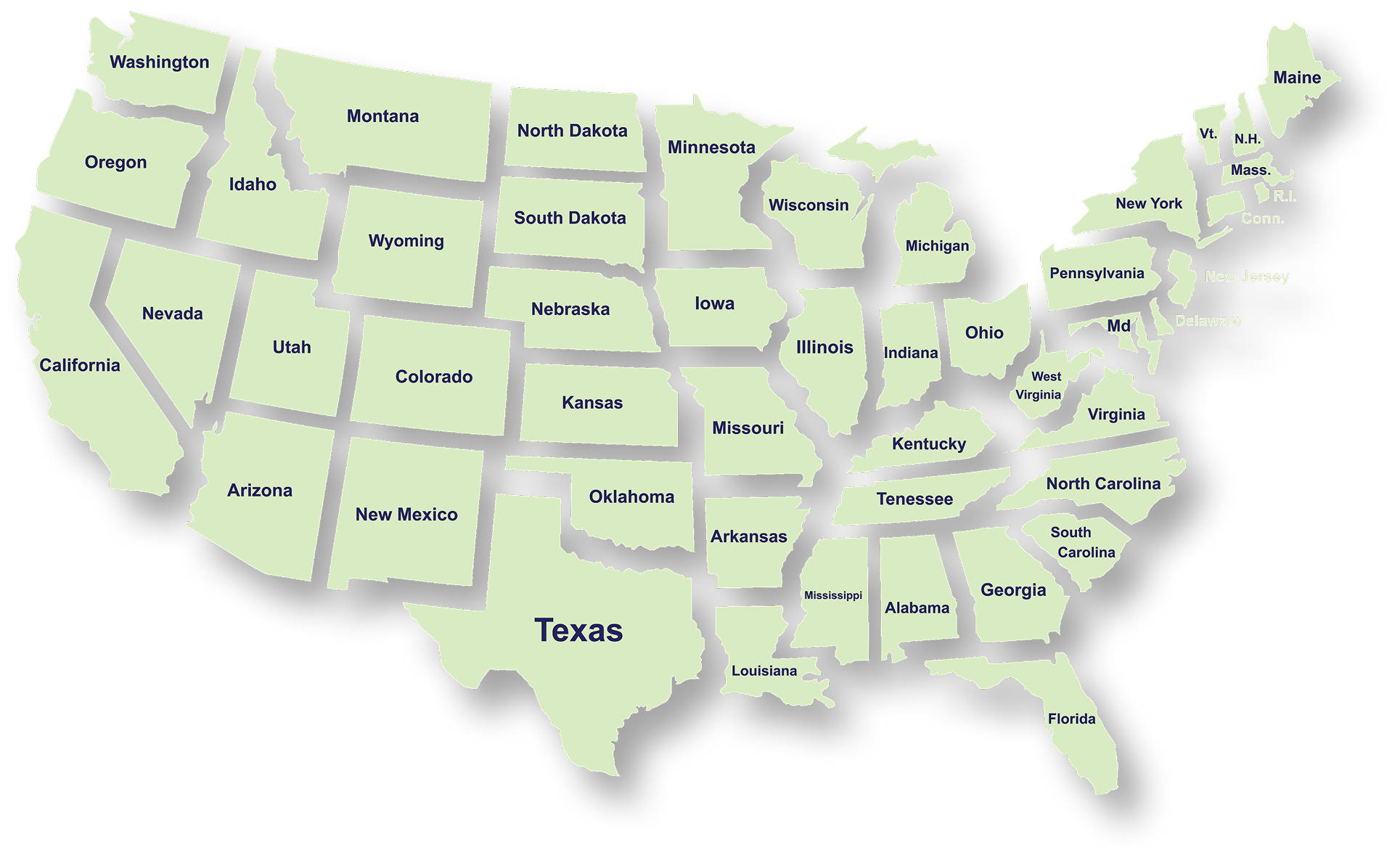
Serving Businesses & Individuals Across USA

We handle accounting, tax filing, and planning with defined timelines and accurate reporting for businesses and individuals across all states.

Frequently Asked Questions

What services does NR CPAs & Business Advisors provide?
What is tax planning and why is it important for businesses?
How can a Virtual CFO help my business?
When should a business consider IRS tax resolution services?
What financial statements does a business typically need?
How can startup advisory services help new businesses?
What is strategic business planning?
What is a Virtual Family Office and who can benefit from it?