Learning Center for Tax and Financial Insights

Stay updated with clear, actionable articles on tax rules, deadlines, deductions, and financial decisions that impact individuals and businesses.

No items found.

Selling Your Home

Federal tax laws allow each individual taxpayer to exclude up to $250,000 of gain from the sale of his/her main home, if he/she meets certain ownership and occupancy requirements. (A married couple that meets the qualifications can exclude up to $500,000.) If an individual/couple is unable to exclude all or part of the gain, then the gain is taxable as a capital gain in the year of sale. Exclusion QualificationsUnless they meet the reduced exclusion qualifications, taxpayers must meet the ownership and use tests in order to qualify for exclusion of gain. This means that during the five-year period ending on the date of the sale, taxpayers must have: Owned the home for at least two years (if a joint return only one spouse need meet the ownership test), and Except for short temporary absences, lived in (used) the home as their main home for at least two years. The required two years of ownership and use during the five-year period ending on the date of the sale do not have to be continuous. Taxpayers meet the tests if they can show that they owned and lived in the property as their main home for either 24 full months or 730 days during the five-year period ending on the date of sale. Also see ownership-use exceptions elsewhere in this article. Temporary Absence: Generally, a temporary absence would be for illness, education, business, vacation, military service, etc., for less than one year, and the taxpayer intends to return to the home, and continues to maintain the home in anticipation of such return. Land: Generally, if a taxpayer sells the land on which his/her main home is located, but not the house itself, the taxpayer cannot exclude any gain from the sale of the land. However, the home sale exclusion will apply to vacant land sold or exchanged if the taxpayer owned or used the land as part of the principal residence, provided the disposition of the dwelling unit occurs within two years before or after the disposition of the vacant land, the land was adjacent to land containing the dwelling unit and the land sale or exchange otherwise satisfies the home gain exclusion requirements. Only one maximum exclusion amount applies to the combined sales/exchanges of both the home and the vacant land. Ownership and Use ExceptionsUse Test After Divorce – In divorce situations, the terms of the divorce or separation document often allow one spouse to use the jointly-owned home for an extended period of time, then to sell the home and split the proceeds with the former spouse. When this happens, the spouse who does not occupy the home will no longer meet the use test and would be barred from excluding the gain except for a special rule for divorced couples. Under this special exemption, that spouse is considered to have used the property as his or her main home during any period they owned it. Disability – Individuals who have become physically or mentally unable to care for themselves are considered to have used their home during any period that they own the home and live in a licensed facility, including a nursing home that cares for individuals with the taxpayer’s condition. However, to qualify for this exception, the individual must have owned and lived in his or her home for at least one year. This exception does not apply to the ownership test. Irrevocable Trust Is Owner – Some taxpayers use revocable (living) trusts as an alternative to having their property transferred by will. A home owned in the name of a revocable trust is treated as being owned by the taxpayer for purposes of the ownership test, and such ownership does not jeopardize the ownership test for claiming the exclusion. However, when the first spouse of a married couple with a revocable trust dies, two things generally occur. The decedent’s trust becomes irrevocable and the portion of the home inherited receives a new basis (an exception may apply for decedents dying in 2010). If all or part of the home is placed in the decedent’s (bypass) trust, the IRS has ruled that to the extent a home is owned by an irrevocable trust, it is not owned by the surviving spouse, even if the surviving spouse continues to reside in the home. As a result, the portion of the home owned by the irrevocable trust would not qualify for the exclusion. Death of Spouse Before Sale – If your spouse died before the date of sale and you do not meet the ownership and use tests yourself, you are considered to have owned and lived in the property as your main home during any period of time when your deceased spouse owned and lived in it as a main home. Home Transferred in Divorce – If the home was transferred to you by your spouse, or former spouse, incident to divorce, and you do not meet the ownership test, you are considered to have owned it during any period of time when your spouse, or former spouse, owned it. Home Destroyed or Condemned – If you were able to defer gain from a prior home to your current home because it was destroyed or condemned, you can add the time you owned and lived in that previous home when figuring the ownership and use tests for the current home. Maximum ExclusionA taxpayer who meets the ownership and occupancy tests can exclude the entire gain on the sale of his/her main home up to $250,000, provided gain has not been excluded on a sale of another home within two years of the sale of the current home. The maximum exclusion amount is $500,000 if all the following are true: a) The taxpayers are married and file a joint return for the year. b) Either the taxpayer or the taxpayer’s spouse meets the ownership test. c) Both the taxpayer and taxpayer’s spouse meet the use test. d) During the two-year period ending on the date of the sale, neither the taxpayer nor the taxpayer’s spouse excluded gain from the sale of another home. Two-Year Period Between SalesUnless taxpayers qualify for the reduced exclusion, they can only exercise the exclusion once every two years.Therefore, taxpayers cannot exclude the gain on the sale of their home, if during the two-year period ending on the date of the sale, they sold another home at a gain and excluded all or part of that gain. Home Acquired By Tax-Deffered ExchangeIf the home was originally acquired via a Sec 1031 tax-free exchange, the home must be owned for a minimum of five years before a home-sale gain exclusion can be utilized, provided the taxpayer also meets the 2-year use test. Reduced ExclusionA taxpayer who does not qualify for the full exclusion may still qualify to exclude a reduced amount if the taxpayer(s) did not meet the ownership and use tests, or the exclusion was disallowed because of the once every 2-years rule, but sold the home due to: a) A change in place of employment; b) Health; or c) Unforeseen circumstances, to the extent provided in IRS regulations. Amount of Reduced Exclusion – If qualified, the reduced exclusion is determined on an individual basis, and in the case of married taxpayers, the individually computed amounts are combined for the joint exclusion. To determine the reduced exclusion, multiply $250,000 (maximum exclusion amount) by a fraction whose denominator is 730 and numerator is the shorter of: (1) The number of days during the five-year period just prior to the current sale that the property was owned and used by the taxpayer as his/her principal residence; or (2) The number of days between the current sale and the immediately prior sale of a principal residence if the exclusion applied to the prior sale. More Than One HomeIf a taxpayer has more than one home, only the gain from the sale of the taxpayer’s main home can be excluded, even if the other home meets the two-out-of-five-year ownership and use test. Main Home: The property that the taxpayer uses the majority of the time during a year will ordinarily be considered the taxpayer’s main home or principal residence. A taxpayer’s main home can be a house, houseboat, mobile home, cooperative apartment, or condominium. Example: Figure #1 illustrates a situation where a taxpayer has two homes, both of which meet the ownership test. The taxpayer also meets the occupancy test, since the taxpayer has lived in both homes more than two years of the prior five-year period. However, only the New York home qualifies, since the taxpayer lived in the New York home the majority of the time in all five preceding years, thus qualifying it as the taxpayer’s main home. In addition to the taxpayer’s use of the property, the home sale regulations list relevant factors in determining a taxpayer’s principal residence which include, but are not limited to: the taxpayer’s place of employment; the principal place of abode of the taxpayer’s family members; the address listed on the taxpayer’s Federal and state tax returns, driver’s license, automobile registration and voter registration card; the taxpayer’s mailing address for bills and correspondence; the location of the taxpayer’s banks; and the location of religious organizations and recreational clubs with which the taxpayer is affiliated.

Explore More
No items found.

Don't Be A Victim To IRS Phone And Email Scams

Don't be a Scam Victim Thieves use taxpayers’ natural fear of the IRS and other government entities to ply their scams, including e-mail and phone scams, to steal your money. They also use phishing schemes to trick you into divulging your SSN, date of birth, account numbers, passwords and other personal data that allows them to scam the IRS and others using your name and destroy your credit in the process. They are clever and are always coming up with new and unique schemes to trick you. These scams have reached epidemic proportions, and this article will hopefully provide you with the knowledge to identify scams and avoid becoming a victim. The very first thing you should be aware of is that the IRS never initiates contact in any other way than by U.S. mail. So if you receive an e-mail or a phone call out of the blue with no prior contact, then it is a scam. DO NOT RESPOND to the e-mail or open any links included in the e-mail. If it is a phone call, simply HANG UP. Additionally, it is important for taxpayers to know that the IRS: Never asks for credit card, debit card, or prepaid card information over the telephone. Never insists that taxpayers use a specific payment method to pay tax obligations. Never requests immediate payment over the telephone. Will not take enforcement action immediately following a phone conversation. Taxpayers usually receive prior written notification of IRS enforcement action involving IRS tax liens or levies. Phone ScamsPotential phone scam victims may be told that they owe money that must be paid immediately to the IRS or, on the flip side, that they are entitled to big refunds. When unsuccessful the first time, sometimes phone scammers call back trying a new strategy. Other characteristics of these scams include: Scammers use fake names and IRS badge numbers. They generally use common names and surnames to identify themselves. Scammers may be able to recite the last four digits of a victim’s Social Security number. Make sure you do not provide the rest of the number or your birth date. That is information ID thieves can use to make your life miserable. Scammers alter the IRS toll-free number that shows up on caller ID to make it appear that the IRS is calling. Scammers sometimes send bogus IRS e-mails to some victims to support their bogus calls. Victims hear background noise of other calls being conducted to mimic a call site. • After threatening victims with jail time or driver’s license revocation, scammers hang up, and others soon call back pretending to be from the local police or DMV, and the caller ID supports their claim. DON’T GET HOODWINKED. This is a scam. If you get a phone call from someone claiming to be from the IRS, DO NOT give the caller any information or money. Instead, you should immediately hang up. Call this office if you are concerned about the validity of the call. E-Mail PhishingAlways remember, the first contact you will receive from the IRS will be by U.S. mail. If you receive e-mail or a phone call claiming to be from the IRS, consider it a scam. Do not respond or click through to any embedded links. Instead, help the government combat these scams by forwarding the e-mail to phishing@irs.gov. Unscrupulous people are out there dreaming up schemes to get your money. They become very active toward the end of the year and during tax season. They create bogus e-mails disguised as authentic e-mails from the IRS, your bank, or your credit card company, none of which ever request information that way. They are trying to trick you into divulging personal and financial information they can use to invade your bank accounts, make charges against your credit card or pretend to be you to file phony tax returns or apply for loans or credit cards. Don’t be a victim. STOP-THINK-DELETE. Scammers become very active toward the end of the year and during tax season. What they try to do is trick you into divulging your personal information such as bank account numbers, passwords, credit card numbers, Social Security numbers, etc. You need to be very careful when responding to e-mails asking you to update such things as your account information, pin number, password, etc. First and foremost, you should be aware that no legitimate company would make such a request by e-mail. If you get such e-mails, they should be deleted and ignored just like spam e-mails. We have seen bogus e-mails that looked like they were from the IRS, well-known banks, credit card companies and other pseudo-legitimate enterprises. The intent is to trick you and have you click through to a website that also appears legitimate where they have you enter your secure information. Here are some examples: E-mails that appeared to be from the IRS indicating you have a refund coming and they need information to process the refund. The IRS never initiates communication via e-mail! Right away, you know it is bogus. If you are concerned, please feel free to call this office. E-mails from a bank indicating it is holding a wire transfer and needs your bank routing information and account number. Don’t respond; if in doubt, call your bank. E-mails saying you have a foreign inheritance and they need your bank info so they can wire the funds. The funds that will get wired are yours going the other way. Remember, if it is too good to be true, it generally is not true. We could go on and on with examples. The key here is for you to be highly suspicious of any e-mail requesting personal or financial information. Whats In Your Wallet?What is in your wallet or purse can make a big difference if it is stolen. Besides the credit cards and whatever cash or valuables you might be carrying, you also need to be concerned about your identity being stolen, which is a far more serious problem. Thieves can use your identity to set up phony bank accounts, take out loans, file bogus tax returns and otherwise invade your finances, and all an identity thief needs to be able to do these things is your name, Social Security number, and birth date. Think about it: your driver’s license has two of the three keys to your identity. And if you also carry your Social Security card, bingo! An identity thief then has all the information he needs. You can always cancel stolen credit cards or close compromised bank and charge accounts, but when someone steals your identity and opens accounts you don’t know about, you can’t take any mitigating action.

Explore More
No items found.

Required Minimum IRA Distributions

OverviewThe most recent IRS regulations substantially simplify rules for required minimum distributions (RMD) from IRAs. There are life expectancy tables that allow smaller distributions to be taken over a longer period. The calculation of the RMD has been simplified by eliminating certain variables. Rules regarding separate accounts with different beneficiaries have been clarified. Some flexibility is now available to change beneficiaries and split accounts, allowing the heirs to retain more of the tax-deferred income for a longer period of time. Beginning Date Requirements IRA owners must take at least a minimum amount from their IRA each year, starting with the year they reach age 701/2. If a taxpayer fails to take a distribution in the year they reach 701/2 they can avoid a penalty by taking that distribution no later than April 1 of the following year. However, that means the IRA owner must take two distributions in the following year, one for the year in which they reached age 701/2 and one for the current year. If an IRA owner dies after reaching age 701/2, but before April 1 of the next year, no minimum distribution is required because death occurred before the required beginning date. Muliple IRA AccountsFor purposes of determining which account the minimum distribution is to be withdrawn from, all Traditional IRA accounts owned by an individual are treated as one, and the minimum distribution can be taken from one or any combination of the accounts. If the owner chooses not to take the minimum distribution from each account, it is not uncommon for IRA trustees to require written certification that the owner took the minimum distribution from other accounts. Determining the DistributionThe minimum amount that must be withdrawn in a particular year is the value of the IRA account divided by the number of years the IRA owner is expected to live. If there are multiple IRA accounts, this calculation is done for each one and then the results are totaled to determine the RMD for the year. Then the total required distribution may be taken from one account or partly from each account or any combination. Determining Value: The value is what the account was worth at the end of the business day on Dec. 31 of the PRIOR year. Generally, IRA account trustees will provide this information on the year-end statements or on IRS Form 5498. Determining the Distribution Period: The IRS provides two tables for use in determining the IRA owner’s life expectancy (referred to as “distribution period” by the IRS). Generally, IRA owners will use the “Uniform Lifetime Table” to determine their “distribution period.” If the IRA owner’s spouse is the sole beneficiary (on all the IRA accounts), the Joint and Last Survivor Table may be used. However, the Uniform Lifetime Table will always produce the smallest minimum distribution, unless the spouse is more than 10 years younger than the IRA account owner. Example: The IRA owner is 75 and from the “Uniform Lifetime Table,” the owner’s life expectancy is 22.9 years. Determining Age: Use the owner’s oldest attained age for the year of the distribution. Example: Suppose an IRA owner takes a distribution in February, when the owner’s age is 74, but later in November, he turns 75. For purposes of determining the owner’s life expectancy, the oldest attained age for the year, 75, would be used in computing the minimum distribution. The same rule is used for the spouse beneficiary, if applicable. Example: The IRA account owner is age 75 and the owner’s spouse, who is the sole beneficiary of the accounts, is age 72. Since the spouse is less than 10 years younger than the IRA account owner, the Uniform Lifetime Table will produce the smallest required distribution. From the table, we determine the owner’s life expectancy to be 22.9.The value of the IRA account at the end of the prior year is $87,000. The minimum distribution is $3,799 ($87,000 / 22.9). Timing of the DistributionThe minimum distribution computation determines the amount that must be withdrawn during the calendar year. The distributions can be taken all at once, sporadically, or in a series of installments (monthly, quarterly, etc.), as long as the total distributions for the year are at least the minimum required amount. Amounts that must be distributed (required distributions) during a particular year are not eligible for rollover treatment. Maximum DistributionThere is no maximum limit on distributions from a Traditional IRA, and as much can be withdrawn as the owner wishes. However, if more than the required distribution is taken in a particular year, the excess cannot be applied toward the minimum required amounts for future years. Underdistribution PenaltyDistributions that are less than the required minimum distribution for the year are subject to a 50% excise tax (excess accumulation penalty) for that year on the amount not distributed as required. Example: The owner’s required minimum distribution for the calendar year was $10,000, but the owner only withdrew $4,000. The excess accumulation penalty is $3,000, computed as follows: 50% of ($10,000 - $4,000). If the failure to withdraw the minimum amount or part of the minimum amount was due to reasonable error, and the owner has taken, or is taking, steps to remedy the insufficient distribution, the owner can request that the penalty be excused.

Explore More
No items found.

Did you just get a letter from the IRS in your mailbox?

Now you're totally freaking out about possibly owing more money or being smacked with a penalty, despite filing your taxes on time? Don't panic. Watch below for more information.

Explore More
No items found.

Thinking of Starting a New Business?

There’s more to running a successful business than offering a great product or service. You need to make sure that you’ve laid the groundwork that’s necessary for every business to succeed. Here are some questions and tasks you should consider when first starting out. Watch this video for first steps.

Explore More
No items found.

5 QuickBooks Online Reports You Should Run Regularly

There are numerous QuickBooks Online reports that you should be consulting at regular intervals. But you need these five at least every week. QuickBooks Online’s Dashboard, the first screen you see when you log in, provides an effective overview of your company’s finances. It contains at-a-glance information about your recent expenses, your sales, and the status of your invoices. It displays a simple Profit and Loss graph and a list of your account balances. Scroll down and click the See all activity button in the lower right and your Audit Log opens, a list of everything that’s been done on the site and by whom. You can actually get a lot of work done from this page. Click the bar on the Invoices graph, for example, and a list view opens, allowing you access to individual transactions. Click Expenses to see the related Transaction Report. Below the list of account balances, you can Go to registers and connect new accounts. Other Pressing Questions The Dashboard supplies enough information that you can spot potential problems with expenses and sales, accounts, and overdue invoices. But you’re likely to have other tasks that require attention. How’s your inventory holding up? Are you staying within your budget? How about your accounts payable – will you owe money to anyone soon? QuickBooks Online offers dozens of report templates that answer these questions and many more. If you’ve never explored the list, we suggest that you do so. It’s impossible to make plans for your company’s future without understanding its financial history and current state. QuickBooks Online has many reports that can provide real-time, in-depth insight into your company’s financial health. Comprehensive and Customizable When you click Reports in your QuickBooks Online toolbar, the view defaults to All. The site divides its report content into 10 different sections, including Business Overview, Sales and Customers, Expenses and Vendors, and Payroll. Each has two buttons to the right of its name. Click the star, and that report’s title will appear in your Favorites list at the top of the page. This will save time since you’ll be able to quickly find your most often-used reports. Click the three vertical dots and then

Explore More
No results found.
Thank you! Your submission has been received!
Oops! Something went wrong while submitting the form.

Want tax & accounting tips & insights?Sign up for our newsletter.

Thank you! Your submission has been received!
Oops! Something went wrong while submitting the form.

Why Work With Us?

We combine deep tax expertise, financial strategy, and practical business insight to help you manage complexity, stay compliant, and make confident financial decisions.
A dollar sign, representing financial advice or discussion at NR CPAs & Business Advisors.

Experienced CPA and Enrolled Agent Leadership

Guidance led by licensed professionals with deep expertise in tax strategy, compliance, and complex financial matters.
White bar chart with an upward arrow on green circular background representing growth or progress at NR CPAs &. Business Advisors

Support for Growing Businesses and Startups

We understand the financial challenges of growth stage businesses and provide structured guidance to support expansion.
A white hand holding a dollar symbol and ascending bar chart on a green circular background representing financial growth or investment at NR CPAs & Business Advisors..

Strategic Financial Advisory

Our team helps you evaluate financial decisions with greater clarity, supported by practical insights and long term planning.

Fractional CFO Support

Access experienced financial leadership without the commitment and cost of hiring a full time Chief Financial Officer.

Proactive Tax Planning Approach

We focus on identifying tax opportunities throughout the year rather than reacting only during filing season.

Clear and Reliable Financial Reporting

Accurate financial statements and reporting that help you better understand performance and make informed decisions.
White IRS building icon with pillars and a dollar sign above on a green circular background.

Professional IRS Representation

Experienced support in resolving IRS notices, disputes, and compliance matters while protecting your financial interests.

Personalized Client Focus

Every client receives thoughtful attention and tailored financial solutions based on their specific needs and business goals.
Financial matters often involve important decisions. Working with experienced advisors can help you approach them with greater clarity and confidence in your choices.

Need Help With Your Tax or Financial Decisions?

Discuss your situation with our advisors to get clear guidance on tax planning, IRS matters, and the financial decisions ahead.
Business consulting at NR CPAs & Business Advisors.

Request Your Consultation

Fill out the form to discuss your tax concerns, financial questions, or advisory needs with our team. We will review your details and respond shortly.

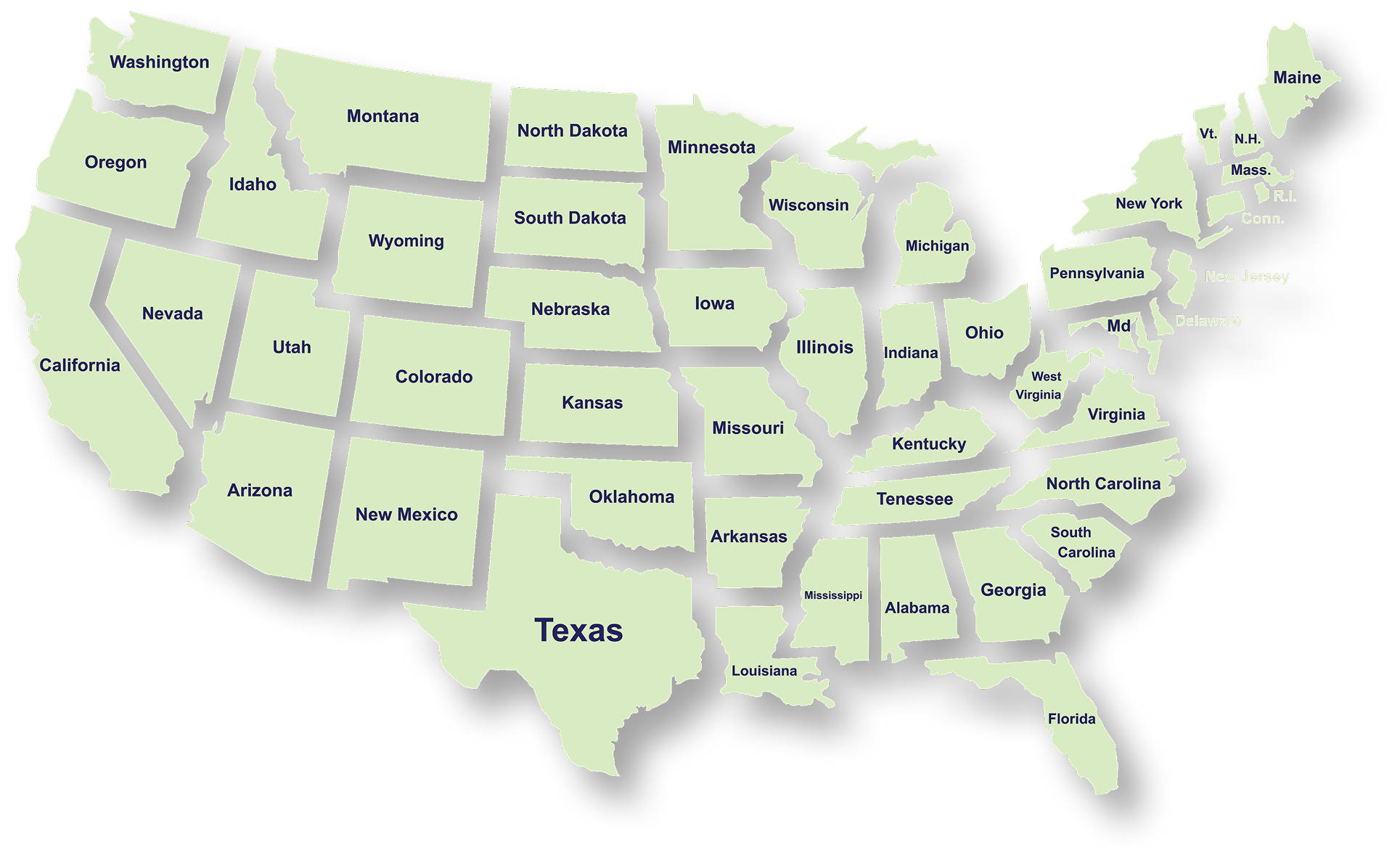
Serving Businesses & Individuals Across USA

We handle accounting, tax filing, and planning with defined timelines and accurate reporting for businesses and individuals across all states.

Frequently Asked Questions

What services does NR CPAs & Business Advisors provide?
What is tax planning and why is it important for businesses?
How can a Virtual CFO help my business?
When should a business consider IRS tax resolution services?
What financial statements does a business typically need?
How can startup advisory services help new businesses?
What is strategic business planning?
What is a Virtual Family Office and who can benefit from it?