Learning Center for Tax and Financial Insights

Stay updated with clear, actionable articles on tax rules, deadlines, deductions, and financial decisions that impact individuals and businesses.

No items found.

Unlocking the Benefits of 529 Plans: A Tax-Efficient Strategy

Unlock the Potential of Tax-Advantaged 529 Plans!529 plans are powerful savings vehicles designed to ease the burden of ever-increasing educational expenses. Officially referred to as "qualified tuition plans," these accounts are sponsored by states, state agencies, or institutions of education, offering a flexible and efficient way to save for a child's future academic pursuits. As a business advisor located in Coral Gables, Florida, specializing in tax preparation and planning, NR CPAs & Business Advisors guides families through strategic investment decisions like 529 plans, ensuring that our clients maximize their educational savings with tax advantages. These plans are not only beneficial for parents and grandparents looking to contribute to a child’s educational future but also offer substantial tax benefits. Contributions to a 529 plan grow tax-free, and withdrawals are likewise not subject to federal tax when used for qualifying educational expenses.

Explore More
No items found.

Maximize Your Tax Benefits with WOTC Before It's Too Late

As a trusted advisor at NR CPAs & Business Advisors, we help businesses leverage the Work Opportunity Tax Credit (WOTC) before it potentially sunsets on December 31, 2025. This invaluable tool not only aids employers in tax savings but also fosters opportunities for individuals from specified target groups. Time is of the essence for businesses wishing to capitalize on these benefits in their employment strategies. Decoding the Work Opportunity Tax Credit: The WOTC is designed to motivate employers to hire individuals from groups that traditionally encounter employment challenges. By utilizing this credit, businesses help diversify their workforce while gaining financial advantages. To qualify under current statutes, employment must begin before January 1, 2026. Who Qualifies? The WOTC focuses on several target groups, including: Veterans: Particularly those unemployed or disabled due to service experiences. Long-term Unemployed: Individuals without work for 27 weeks or more. Ex-Felons: Candidates overcoming employment barriers due to past convictions. SNAP Recipients: Individuals receiving SNAP benefits within the last six months. TANF Recipients: Those who have benefited from assistance in the past two years. Designated Community Residents & Summer Youth: Residents aged 18-39 in Empowerment Zones. Vocational Rehabilitation Referrals: Individuals with disabilities referred by rehabilitation agencies. Ensure these individuals are on your payroll before the current deadline, amidst historical extensions that often come from Congress, which are yet uncertain. Understanding WOTC’s Financial Impacts: Employers can claim tax credits on a percentage of wages paid to qualified workers. Here's how the benefits apply:

Explore More
No items found.

Maximize Your EV Savings Before the 2025 Tax Credit Deadline

Deadline Alert: Save big on your next electric vehicle purchase by acting now. The substantial federal tax credits for both new and used electric vehicles (EVs) and business fleets will expire on September 30, 2025. Understanding the significance of this deadline could drive substantial savings for you or your business. Here’s a detailed look at the implications and how you can seize the opportunity. Why This Matters: A Brief OverviewThe One Big Beautiful Bill Act (OBBBA) has unexpectedly curtailed the IRA-initiated EV tax credits. Originally set to last until 2032, these credits will now end abruptly, with no incremental phase-out. This gives prospective EV buyers a limited window to leverage the existing credits, maximizing their financial benefits.Here’s what’s at stake:For new EV buyers: Avail a credit of up to $7,500For used EV purchasers: Benefit from credits up to $4,000For commercial EVs: Opportunities range from $7,500 to $40,000 in credits, depending on vehicle specificationsCritical Dates and DefinitionsTo qualify for these credits, ensure that you take possession of your EV by the September 30, 2025 deadline. A potential buyer with nothing more than a signed contract or a delivery scheduled post-deadline will unfortunately not qualify.Leasing and Credit ApplicationsThe clean vehicle tax credit on a leased EV doesn’t go directly to you, the consumer. Instead, it is designated to the manufacturer or dealer. Often, they pass these savings onto you through lowered lease costs or reduced monthly payments—making leasing a popular scrimmage to take full advantage of the $7,500 credit, even in instances where a purchase would fall short of this benefit. But remember, this stipulation meets its end on September 30.Next Steps for Dealers and Buyers AlikeImmediate action: If you’re contemplating a purchase, check availability and estimate delivery timelines ahead of the September deadline.Understand credit allocations: You have the flexibility to transfer the tax credit to a dealer for upfront cost savings or later redeem it through your tax filings using IRS Form 8936Eligibility parameters:○ New EVs: Comply with sourcing and assembly standards. Adhere to price limits ($55K for cars, $80K for vans/SUVs/trucks) and income thresholds (single: $150K, household: $225K, married filing jointly: $300K).○ Used EVs: Must be at least two model years old, dealer-sold, and under $25K. Benefit up to the lesser of $4K or 30% of purchase cost.○ Commercial EVs: Tailored for business use, targeting credits up to $40,000 based on vehicle size, with no income caveats.

Explore More
No items found.

Understanding the New Tip Deduction for Eligible Occupations

On September 2, 2025, the Treasury Department unveiled a provisional list of 68 occupations that qualify for the innovative "no tax on tips" deduction. This groundbreaking deduction is a part of the "One Big Beautiful Bill Act," enacted on July 4, 2025, and is applicable to federal income taxes for the 2025–2028 tax years. Eligible individuals can claim a deduction of up to $25,000 annually for qualifying tips received, structured as a “below-the-line” deduction. This means it is available even to those opting for the standard deduction, but it does not influence the calculation of adjusted gross income (AGI). The Treasury's draft list of eligible occupations includes: Beverage & Food Service: Bartenders Wait staff Food servers, non-restaurant Dining room and cafeteria attendants and bartender helpers Chefs and cooks Food preparation workers Fast Food and Counter Workers Dishwashers Host staff, restaurant, lounge, and coffee shop Bakers Entertainment and Events: Gambling dealers Gambling change persons and booth cashiers Gambling cage workers Gambling and sports book writers and runners Dancers Musicians and singers Disc jockeys (except radio) Entertainers and performers Digital content creators Ushers, lobby attendants and ticket takers Locker room, coatroom and dressing room attendants Hospitality and Guest Services: Baggage porters and bellhops Concierges Hotel, motel and resort desk clerks Maids and housekeeping cleaners Home Services Home maintenance and repair workers Home landscaping and groundskeeping workers Home electricians Home plumbers Home heating/air conditioning mechanics and installers Home appliance installers and repairers Home cleaning service workers Locksmiths Roadside assistance workers Personal Services Personal care and service workers Private event planners Private event and portrait photographers Private event videographers Event officiants Pet caretakers Tutors Nannies and babysitters Personal Appearance and Wellness Skincare specialists Massage therapists Barbers, hairdressers, hairstylists, and cosmetologists Shampooers Manicurists and pedicurists Eyebrow threading and waxing technicians Makeup artists Exercise trainers and group fitness instructors Tattoo artists and piercers Tailors Shoe and leather workers and repairers Recreation and Instruction Golf caddies Self-enrichment teachers Recreational and tour pilots Tour guides and escorts Travel guides Sports and recreation instructors

Explore More
No items found.

Luxury Tax Debate: Taylor Swift and Second Home Implications

When you come across “Taylor Swift tax,” you might think it references a cleverly crafted tribute. However, it represents a debated policy nestled within real estate tax reform discussions.Rhode Island is considering a new levy on luxury secondary homes, targeting properties non-primary in nature. According to Realtor.com, properties valued at over $1 million face a $2.50 surcharge per $500 of assessed value exceeding the million mark. Thus, for a property valued at $2 million, homeowners might incur additional taxes around $5,000 annually, effective from July 2026 and subject to inflation adjustments post-2027. Significantly, the surcharge bypasses properties rented for over 183 days annually.Behind the “Taylor Swift Tax” MonikerThough not an official title, the term has gained traction, partly due to Taylor Swift's ownership of a $17 million mansion in Watch Hill, Rhode Island. This estate, under the proposed policy, might cost her an additional $136,000 annually. The meme-like moniker, though catchy, highlights an agenda extending beyond one household.Swift’s property, High Watch, has a rich lineage, originated in 1929-1930 for the Snowdens, and later owned by Rebekah Harkness, famed for hosting elite parties. In 2013, Swift purchased it for $17.75 million, the setting for her song, “The Last Great American Dynasty.”Lawmakers' PerspectivesSenator Meghan Kallman, advocating for the proposal, articulated to Newsweek that it promotes equity: “Requiring secondary property owners to contribute their share allows Rhode Island to generate necessary funds, thereby protecting essential services like healthcare and education, which are burdened by out-of-state ownership.”Supporters foresee potential for:Revitalizing neighborhoods, whose homes are often vacant.Financing affordable housing, through increased tax revenue.Opposing Views and CriticismsReal estate industry critics caution the tax could backfire, potentially:

Explore More
No items found.

Maximize Your Adoption Benefits: 2025 Tax Credit Updates

The adoption tax credit is a valuable resource designed to aid adoptive families by reducing some of the financial burdens associated with the adoption process. As we look ahead to 2025, it's essential for prospective and current adoptive parents to understand the new updates. The maximum adoption credit is now set at $17,280 for each adoption, not per tax return, reflecting the ongoing commitment to support growing families. A key update this year is that a portion of the credit, up to $5,000, is refundable. This means that even if your tax liability is less than the total amount of the credit, you can receive a cash refund for the difference. This change significantly enhances the financial flexibility for families who are navigating the adoption landscape.

Explore More
No results found.
Thank you! Your submission has been received!
Oops! Something went wrong while submitting the form.

Want tax & accounting tips & insights?Sign up for our newsletter.

Thank you! Your submission has been received!
Oops! Something went wrong while submitting the form.

Why Work With Us?

We combine deep tax expertise, financial strategy, and practical business insight to help you manage complexity, stay compliant, and make confident financial decisions.
A dollar sign, representing financial advice or discussion at NR CPAs & Business Advisors.

Experienced CPA and Enrolled Agent Leadership

Guidance led by licensed professionals with deep expertise in tax strategy, compliance, and complex financial matters.
White bar chart with an upward arrow on green circular background representing growth or progress at NR CPAs &. Business Advisors

Support for Growing Businesses and Startups

We understand the financial challenges of growth stage businesses and provide structured guidance to support expansion.
A white hand holding a dollar symbol and ascending bar chart on a green circular background representing financial growth or investment at NR CPAs & Business Advisors..

Strategic Financial Advisory

Our team helps you evaluate financial decisions with greater clarity, supported by practical insights and long term planning.

Fractional CFO Support

Access experienced financial leadership without the commitment and cost of hiring a full time Chief Financial Officer.

Proactive Tax Planning Approach

We focus on identifying tax opportunities throughout the year rather than reacting only during filing season.

Clear and Reliable Financial Reporting

Accurate financial statements and reporting that help you better understand performance and make informed decisions.
White IRS building icon with pillars and a dollar sign above on a green circular background.

Professional IRS Representation

Experienced support in resolving IRS notices, disputes, and compliance matters while protecting your financial interests.

Personalized Client Focus

Every client receives thoughtful attention and tailored financial solutions based on their specific needs and business goals.
Financial matters often involve important decisions. Working with experienced advisors can help you approach them with greater clarity and confidence in your choices.

Need Help With Your Tax or Financial Decisions?

Discuss your situation with our advisors to get clear guidance on tax planning, IRS matters, and the financial decisions ahead.
Business consulting at NR CPAs & Business Advisors.

Request Your Consultation

Fill out the form to discuss your tax concerns, financial questions, or advisory needs with our team. We will review your details and respond shortly.

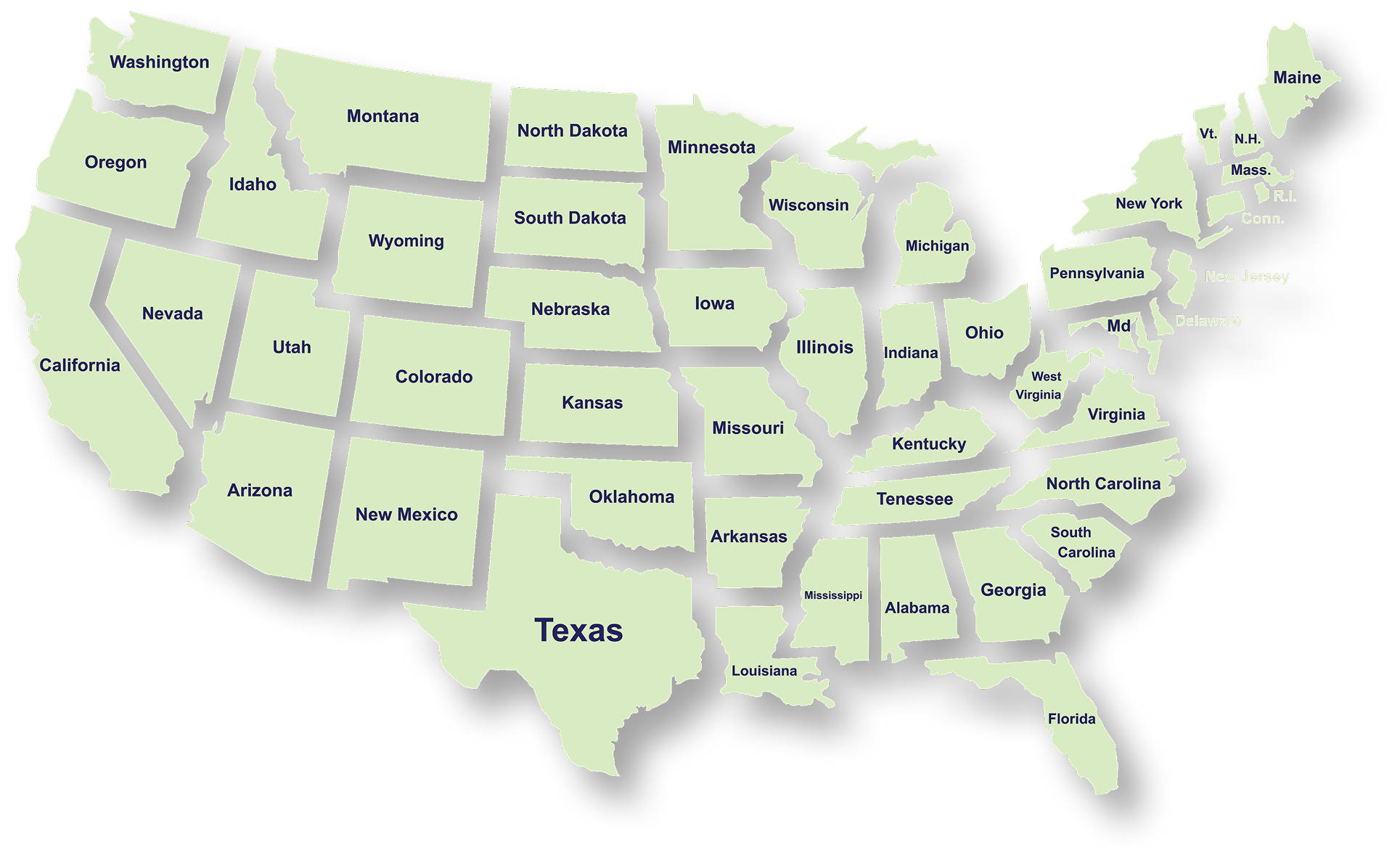
Serving Businesses & Individuals Across USA

We handle accounting, tax filing, and planning with defined timelines and accurate reporting for businesses and individuals across all states.

Frequently Asked Questions

What services does NR CPAs & Business Advisors provide?
What is tax planning and why is it important for businesses?
How can a Virtual CFO help my business?
When should a business consider IRS tax resolution services?
What financial statements does a business typically need?
How can startup advisory services help new businesses?
What is strategic business planning?
What is a Virtual Family Office and who can benefit from it?