Learning Center for Tax and Financial Insights

Stay updated with clear, actionable articles on tax rules, deadlines, deductions, and financial decisions that impact individuals and businesses.

For Business

Steering Your Finances: Top CPA Services for Miami Truckers

For cpa trucking miami inquiries, here are the essentials you need to know:Secure expert CPA services to maximize deductions and ensure compliance with complex trucking tax laws.Access bookkeeping, payroll support, and timely financial statement preparations.Rely on specialists familiar with industry-specific regulations, such as Kentucky's KYU license and Oregon's weight-mile tax.Miami's dynamic trucking scene demands more than just driving expertise; it requires sharp financial management and adept handling of intricate tax obligations. That's where CPA services come in, specifically custom for trucking businesses in Miami, they pave the path to simplified financial operations and optimal tax savings. As you steer the open roads, let your CPA handle the numbers, ensuring your focus remains on growing your venture.I’m Nischay Rawal, an experienced CPA with over a decade dedicated to cpa trucking miami services. My team is committed to alleviating financial burdens and optimizing your financial strategies. In the following sections, we’ll explore how leveraging specialized CPA services can transform your trucking business.Understanding CPA Trucking ServicesNavigating the financial landscape of the trucking industry can be as complex as maneuvering a big rig through Miami traffic. But with the right CPA trucking Miami services, truckers and trucking companies can steer clear of financial pitfalls.Trucking CPA: A Roadmap to Financial ClarityA Trucking CPA isn't just any accountant. They specialize in the trucking industry, understanding the unique challenges and opportunities it presents. From managing variable fuel costs to dealing with intricate tax laws, a Trucking CPA provides custom solutions to keep your business on track.Industry-Specific SolutionsThe trucking industry has its own set of financial rules. For instance, truckers must comply with the International Fuel Tax Agreement (IFTA), which requires quarterly fuel tax filings. This involves calculating fuel use across different states and ensuring accurate reporting to avoid penalties.Kentucky, for example, requires a KYU license for trucks over 59,999 pounds, with a mileage tax of approximately $0.0285 per mile. Meanwhile, New Mexico mandates a Weight Distance Tax for vehicles over 26,000 pounds, requiring annual permit renewals.Oregon, known for the highest weight and mileage taxes, simplifies the process by allowing online permit filings. Despite the complexity, these regulations are crucial for maintaining compliance and avoiding hefty fines.Navigating Tax Laws and ComplianceTax laws in the trucking industry aren't just complex; they're constantly changing. A Trucking CPA stays updated on these changes, ensuring your business maximizes deductions and remains compliant. This includes managing state-specific taxes, such as Oregon's monthly fuel tax report, even if you didn't travel there.A key part of compliance is maintaining accurate financial records. This includes everything from bookkeeping to preparing financial statements, which are essential for making informed business decisions and securing financing.The Compliance AdvantageCompliance isn't just about avoiding fines; it's about building trust. Accurate and timely financial reporting can improve your reputation with stakeholders, from clients to financial institutions. It also positions your business for growth, as you can confidently explore new opportunities knowing your financial house is in order.In the world of trucking, having a specialized CPA by your side can make all the difference. They handle the numbers, so you can focus on what you do best: driving your business forward.CPA Trucking Miami: Essential ServicesIn the busy world of Miami trucking, staying on top of your finances is crucial. CPA trucking Miami services provide the essential support truckers need to keep their wheels—and finances—rolling smoothly.Bookkeeping: Keeping Your Financial Records StraightBookkeeping is the backbone of financial management. It involves tracking all your income and expenses, ensuring you have a clear picture of your financial health. For truckers, this means logging everything from fuel receipts to maintenance costs.With accurate bookkeeping, you can improve cash flow management. This means knowing exactly when money comes in and goes out, helping you avoid financial hiccups that could disrupt your operations.Tax Planning: Navigating Complex Tax LawsTax planning is all about strategizing to minimize your tax liabilities. Truckers face unique tax challenges, like the International Fuel Tax Agreement (IFTA) and other state-specific taxes. A specialized CPA helps you steer these complexities and find deductions you might otherwise miss.Effective tax planning can save you significant amounts of money, which you can reinvest in your business. It also ensures you're prepared for tax season, reducing stress and potential errors.Advisory Services: Expert Guidance for GrowthAdvisory services offer more than just compliance. They give you strategic guidance to grow your business. Whether it's forecasting cash flow or planning for future expenditures, having a CPA's insight is invaluable.Advisory services also help you stay compliant with industry regulations, avoiding costly penalties. This peace of mind allows you to focus on expanding your business rather than worrying about financial pitfalls.Cash Flow Management: Ensuring Financial StabilityCash flow management is crucial for any trucking business. It's about ensuring you have enough cash on hand to meet your obligations, like paying drivers and maintaining vehicles.A trucking CPA helps you forecast cash flow, identifying potential shortfalls before they become problems. This proactive approach keeps your operations running smoothly, even during lean times.

Explore More
No items found.

Tax Tactics: Essential Planning for Small Businesses in the USA

Small business tax planning and preparation in the usa is vital for the financial health and longevity of your enterprise. Navigating the maze of tax regulations can be challenging, but proactive planning is the key to minimizing tax liabilities and maximizing savings. Here's a quick guide for small businesses:Evaluate Your Business Structure: Choose the right business entity (e.g., LLC, S-corp) to optimize tax outcomes.Take Advantage of Tax Credits: Use credits like the Small Business Health Care Tax Credit and Work Opportunity Tax Credit to save money.Maximize Deductions: Keep meticulous records to ensure all eligible deductions are claimed.Plan for Retirement Contributions: Use retirement plans to reduce taxable income.Maintain Good Accounting Practices: Regularly update financial records to prevent end-of-year chaos.Tax challenges can feel overwhelming, but with proper planning, small businesses can thrive, ensuring compliance and longevity.I'm Nischay Rawal, founder of NR Tax & Consulting. With over a decade in the industry, I specialize in small business tax planning and preparation in the usa. My goal is to simplify complex tax matters to help small business owners focus on growth without worrying about tax liabilities.Important small business tax planning and preparation in the usa terms:business tax planninghow to save money on taxessmall business tax adviceUnderstanding Small Business Tax ObligationsWhen it comes to small business tax planning and preparation in the USA, understanding your tax obligations is crucial. Let's break it down into three main categories: federal, state, and local taxes.Federal TaxesAll small businesses, except partnerships, must file an annual income tax return. The type of form you use depends on your business structure:Sole Proprietorships: Use Form 1040 or 1040-SR with a Schedule C.Partnerships: File Form 1065, and individual partners include returns on their Form 1040.Corporations: C corporations file Form 1120, and S corporations file Form 1120-S.LLCs: File based on their chosen tax structure, which could be as a corporation, partnership, or as part of the owner's tax return.State TaxesState tax requirements vary widely. Most states impose income taxes, and if you sell goods, you'll likely need to collect sales tax. Some states have additional taxes like franchise taxes.Key Tip: Always check with your state's tax authority to understand your specific obligations.Local TaxesLocal taxes can include property taxes if you own your business location and sometimes additional income taxes. Local tax rules can vary even within the same state, so it's wise to contact your local tax authority for specifics.Tax Deductions and CreditsSmall businesses can benefit from various tax deductions and credits to lower their tax bills.Tax Deductions: These reduce your taxable income. Common deductions include expenses for office supplies, travel, and equipment.Tax Credits: These provide a dollar-for-dollar reduction in the amount of tax you owe. Examples include the Small Business Health Care Tax Credit and the Work Opportunity Tax Credit.Understanding your tax obligations is a fundamental step in effective tax planning. By knowing what federal, state, and local taxes apply to your business, and by leveraging available deductions and credits, you can optimize your tax position and potentially save a significant amount of money.Next, we'll dig into key tax strategies that can help your small business further reduce its tax burden.Small Business Tax Planning and Preparation in the USAWhen it comes to small business tax planning and preparation in the USA, having a proactive approach is key. Let's explore some essential strategies that can help you save money and reduce stress.Tax Strategies1. Evaluate Your Business StructureOne of the first steps in effective tax planning is to evaluate your business structure. Choosing between a C corporation and an S corporation can significantly impact your tax liability. As noted in the research, S corporations can pass income directly to owners, potentially avoiding the double taxation that C corporations face. Consider consulting with a tax professional to determine the best structure for your business.2. Maximize Tax CreditsTax credits are a powerful tool for reducing your tax bill. These credits reduce your taxes dollar-for-dollar. Some key credits include:Small Business Health Care Tax Credit: If you provide health insurance to your employees, you might be eligible for this credit, which can cover a substantial portion of your premium costs.Work Opportunity Tax Credit: Hiring employees from certain groups can qualify you for this credit.Disabled Access Credit: If your business incurs expenses to improve accessibility for people with disabilities, you may qualify for a credit of up to $5,000.Tax Planning1. Plan for Retirement ContributionsContributing to retirement plans like SEP-IRAs or 401(k)s not only helps secure your future but also provides tax advantages. Contributions are often tax-deductible, reducing your taxable income for the year. Make sure to maximize these contributions to get the most benefit.2. Track Expenses CarefullyKeeping detailed records of your business expenses is crucial. Every eligible expense can be a deduction, lowering your taxable income. Use tools or apps to track expenses such as office supplies, travel, and utilities. This ensures you don't miss out on any deductions.Tax Preparation1. Stay Organized Year-RoundEffective tax preparation starts with year-round organization. Keep your financial records up to date to avoid a last-minute scramble when tax season arrives. This practice not only makes filing easier but also helps you spot potential deductions and credits.2. Consider Professional HelpHiring a Certified Public Accountant (CPA) can be a wise investment. A CPA can help ensure you comply with tax laws and take advantage of all available deductions and credits. They can also assist with strategic planning, like timing income and expenses to optimize your tax situation.

Explore More
Looking To Invest

The World is Your Portfolio: Exploring International Asset Management

Navigating the Global Investment Landscape International asset management involves overseeing investments across multiple countries and regions to maximize returns while managing risks. If you're exploring this approach to wealth building, here's what you need to know: Definition: The professional management of assets across international borders Key Benefits: Diversification, access to global opportunities, potential for higher returns Main Services: Portfolio management, hedge funds, alternative investments, custom investment solutions Ideal For: High-net-worth individuals, expatriates, corporations with global presence International asset management has evolved significantly over the past three decades, with firms like International Asset Management Limited (IAM) pioneering approaches since 1989. Today's global investment landscape offers unprecedented access to diverse markets, with the United States now representing less than 50% of global investment opportunities. For businesses and individuals alike, international asset management provides crucial advantages: Geographic diversification across multiple economies Currency exposure that can hedge against domestic inflation Access to emerging markets with higher growth potential Specialized expertise in navigating cross-border regulations The complexity of managing investments across borders requires specialized knowledge of tax implications, regulatory compliance, and currency risks. This is particularly important for US expatriates and non-US citizens living in the USA, who face unique challenges with cross-border taxation and financial planning. I'm Nischay Rawal, and at NR Tax & Consulting, I've helped numerous clients steer the complexities of international asset management through specialized cross-border tax planning and investment strategy optimization. Our approach to international asset management combines global perspective with personalized service to help you achieve your financial goals. Understanding International Asset Management Ever wondered how the world's savviest investors grow their wealth across borders? International asset management isn't just for the ultra-wealthy anymore—it's become an essential strategy for investors looking to spread their wings beyond their home countries. Think of international asset management as your financial passport. It gives you access to investment opportunities worldwide, allowing your money to work for you across different economies, currencies, and markets. What started as an exclusive service for the super-rich has evolved into a sophisticated approach that many investors now consider essential for building resilient portfolios. When firms like International Asset Management Limited appeared on the scene in 1989, they helped pioneer approaches that have matured beautifully over three decades. Today, these strategies help investors steer the increasingly interconnected global financial landscape with confidence. Did you know the United States now represents less than half of the global investment market? This fact alone highlights why looking beyond your borders makes so much financial sense. By spreading your investments across different countries, you're not putting all your eggs in one economic basket. Global asset allocation sits at the heart of this approach. It's the thoughtful process of distributing your investments across various regions and asset classes. When one economy slows down, another might be booming—giving your portfolio more stability over time. Smart international investors recognize that different economies march to different drummers, and they use this to their advantage. When it comes to investment strategies, international asset managers typically employ several approaches. They might use a core-satellite approach, maintaining stable investments at the center while adding specialized positions in specific international markets. Factor investing focuses on characteristics like value or growth across global markets, while thematic investing targets promising international sectors. Many portfolios also include alternative investments like hedge funds or private equity from multiple countries. Of course, crossing borders introduces new dimensions of risk. Beyond typical market ups and downs, international investors need to steer currency fluctuations, geopolitical events, regulatory differences, and potential liquidity constraints. Changes in exchange rates can significantly impact your returns, while political instability in a region might affect market performance. At NR Tax & Consulting, we believe in thoroughly assessing these risks before making any international investment recommendations. We want our clients to clearly understand both the exciting opportunities and the potential challenges that come with global investing. Our approach combines thorough research with personalized guidance to help you make informed decisions about your international investments. The world of international asset management continues to evolve, offering increasingly sophisticated tools for investors seeking global exposure. Whether you're just beginning to explore international investments or looking to optimize an existing global portfolio, understanding these fundamentals provides a solid foundation for your journey. Key Services and Solutions in International Asset Management When it comes to growing your wealth across borders, international asset management offers far more than just buying foreign stocks. Think of it as your financial passport to the world's opportunities—with expert guides to help you steer the journey. At its heart, international asset management provides sophisticated services designed for investors with global ambitions. These firms become your partners in creating financial strategies that work across different countries, currencies, and regulatory systems. Most quality firms offer comprehensive global portfolio management, helping you build and maintain investments that span multiple countries. They'll also handle currency management—a critical service that protects your investments from exchange rate fluctuations that could otherwise erode your returns. Beyond traditional investments, these specialists provide access to alternative investment vehicles like hedge funds and private equity opportunities that might otherwise be out of reach. And perhaps most valuably, they offer cross-border financial planning that considers how different tax systems interact with your specific situation. For over three decades, firms like IAM have demonstrated how specialized expertise creates real value in complex investment landscapes. Their 30-year track record speaks to the staying power of thoughtful international investment approaches. Traditional Investments Alternative Investments Publicly traded stocks Hedge funds Government and corporate bonds Private equity ETFs and mutual funds Real estate investments Cash equivalents Commodities Infrastructure investments Absolute return strategies Characteristics Characteristics Higher liquidity Often lower liquidity Transparent pricing Complex valuation methods Lower minimum investments Higher minimum investments Regulated markets Variable regulatory oversight Lower fees Performance-based fee structures Market-correlated returns Potentially non-correlated returns Specialization in Hedge Funds and Alternative UCITS Investments Within international asset management, hedge funds and alternative UCITS investments represent particularly sophisticated approaches that deserve special attention. Alternative UCITS funds offer a fascinating middle ground for investors. Operating under European regulatory frameworks, these vehicles provide strong investor protections while still allowing access to alternative investment strategies. The real game-changer? Daily liquidity. Unlike traditional hedge funds that might lock up your money for months or years, you can typically buy or sell UCITS holdings on any business day. "IAM manages funds of funds in both Irish AIF and Irish UCITS structures," according to our research, highlighting how these regulated vehicles have become increasingly important building blocks in sophisticated international portfolios. Many alternative investments focus on absolute return strategies—a refreshingly straightforward approach in a complicated world. Instead of chasing a benchmark or market index, these strategies aim for positive returns regardless of market direction. This can be particularly valuable during market downturns when traditional investments might be struggling. The regulatory frameworks governing these investments vary by location. UCITS is a European standard that has gained global recognition for its robust investor protections. Alternative Investment Funds (AIFs) operate under different regulations that allow more flexibility but may require investors to meet certain qualification thresholds. At NR Tax & Consulting in Miami, we help our clients understand how these complex investment vehicles fit into their overall financial picture, with particular attention to the tax implications for Americans investing in foreign structures. The Significance of Bespoke Investment Solutions In today's world of mass-produced everything, international asset management shines in its ability to create truly personalized investment solutions. Like a bespoke suit fits better than anything off the rack, customized investment strategies simply work better for complex financial situations. The value of this personalization is immense. As we've observed, "IAM offers bespoke solutions to assist clients in understanding the complex Hedge Fund / Alternative UCITS space." This tailoring ensures your investment approach precisely matches your unique circumstances. A truly customized portfolio begins with understanding you—your time horizon, how much risk you can tolerate (both emotionally and financially), your income needs, tax considerations across multiple countries, estate planning goals, existing investments, and currency preferences. Each of these factors shapes a strategy that fits you perfectly. Every investor has their own risk-return profile. Some prioritize protecting what they have, while others focus on growth or generating income. A skilled international asset manager designs portfolios reflecting these specific objectives, carefully adjusting the mix of assets, geographies, and investment vehicles. The real value in bespoke investment management comes from several sources. There's tax efficiency—structuring investments to minimize burdens across multiple jurisdictions. Risk management ensures your exposure aligns with your comfort level. Liquidity planning guarantees access to funds when needed, despite the complexities of international investments. And perhaps most importantly, coordination aligns your investment strategy with your broader financial goals. For example, a custom Fund of Alternative Funds might combine both offshore and UCITS funds to achieve specific objectives while maintaining necessary regulatory compliance—something impossible with off-the-shelf products. At NR Tax & Consulting, we understand that no two clients have identical financial situations or goals, especially when international assets are involved. Our approach emphasizes personalized strategies that address the full complexity of cross-border financial planning—because your financial future deserves nothing less than a perfect fit. Addressing Cross-Border Financial Concerns When your money travels the world, it faces a different set of rules at every border it crosses. International asset management isn't just about finding great investments—it's about navigating the maze of regulations that could make or break your returns. Tax regulations are perhaps the biggest headache for international investors. Each country has its own rulebook for how they'll treat your investment income, estate plans, retirement accounts, and business structures. It's like playing a board game where the rules change depending on which square you land on. For Americans investing abroad, the situation gets even trickier. Unlike most countries that only tax residents, the U.S. follows you wherever you go, taxing worldwide income regardless of where you call home. This citizenship-based taxation creates potential double taxation nightmares that require careful planning with tax treaties, foreign tax credits, and exclusions to avoid paying twice on the same dollar earned. Then there's the currency rollercoaster. Your investment might be performing beautifully in euros or yen, but when converted back to dollars, you could be looking at a loss instead of a gain. Smart international asset managers don't leave this to chance—they use hedging strategies to protect against these currency swings. Legal compliance across borders isn't optional—it's essential. You'll need to stay on top of regulations like FATCA (which requires U.S. citizens to report foreign accounts), the Common Reporting Standard (the global version of FATCA), FBAR filings (for U.S. persons with foreign accounts exceeding certain amounts), and the local investment rules of each country where your money resides. As IAM points out, they've "developed considerable expertise in managing globally-allocated investment portfolios"—and that expertise is necessary because international financial planning must weave all these complex elements into one cohesive strategy. Catering to US Expatriates and Non-US Citizens in the USA Living between worlds creates unique financial challenges, whether you're an American abroad or a foreigner living in the U.S. These globally mobile individuals need specialized international asset management approaches. American expatriates face a particularly tangled financial web. They must file tax returns both in the U.S. and their country of residence, steer the punitive tax treatment of foreign mutual funds (classified as PFICs), figure out how to save for retirement across two systems, and often struggle to maintain basic banking services as foreign institutions shy away from the paperwork burden imposed by FATCA. Since 2002, IAM has provided "investment management and financial planning services for US expatriates," recognizing the long-standing need for expertise in this niche. For non-U.S. citizens living in America, the challenges flip but remain equally daunting. They face potentially harsh estate tax exposure (with lower exemptions than U.S. citizens), restrictions on certain investments, difficulty building U.S. credit history, and complications when trying to handle their foreign pension plans under U.S. tax law. The value of specialized expertise in cross-border situations can't be overstated. One client testimonial captures this perfectly: "As a former wirehouse advisor, what I like about IAM is its size; small enough to build relationships with all the key people making decisions and large enough to provide the service my clients deserve." The financial impact of proper cross-border tax planning is substantial. For retirement planning alone, optimization strategies can potentially add 1-2% per year to sustainable withdrawal rates. On a million-dollar portfolio, that translates to an extra $10,000-$20,000 in annual retirement income—simply by understanding how to steer international tax rules effectively. At NR Tax & Consulting, we've made cross-border financial complexities our specialty. From our Miami base, we help globally mobile clients create financial strategies that work across borders, turning potential tax traps into planning opportunities. When your financial life spans multiple countries, having a guide who understands both sides of the border makes all the difference. The Role of International Asset Management in the Global Investment Market International asset management isn't just a service for wealthy individuals—it's a powerful force shaping our global economy. When you consider that companies like BlackRock manage over 9 trillion USD in assets and Vanguard oversees 7.6 trillion USD, you begin to understand the enormous influence these institutions have on worldwide capital flows. The evolution of this industry tells an interesting story. What once primarily focused on domestic investments has blossomed into a truly global discipline. This change mirrors how our world has become increasingly interconnected, with financial markets now operating as a complex, interrelated ecosystem. Today's investors enjoy a wealth of global opportunities that would have been unimaginable just a few decades ago. You can now easily access emerging markets with their higher growth potential (though they do come with added volatility), or venture into frontier markets that are still developing but evolving rapidly. Specialized sectors across global markets and alternative assets in various jurisdictions round out the modern investor's menu of options. One of the most compelling reasons to accept international asset management is portfolio diversification. When you spread investments across different countries, you gain several key advantages. Different economies often move through their cycles at different times, potentially smoothing out your portfolio's overall volatility. You gain access to faster-growing economies and unique opportunities that might not exist in your home market. Your investments can provide a hedge against domestic inflation, and you reduce your exposure to any single currency's ups and downs. As this infographic shows, the scale and growth of international asset management is impressive, underscoring its critical role in our global financial system. International Asset Management's Contribution to Global Markets Beyond helping individual investors grow their wealth, international asset management makes meaningful contributions to our world in several important ways. Perhaps most fundamentally, asset managers help direct investment capital from places with excess savings to regions with productive investment opportunities. This efficient allocation of resources is like a financial matchmaking service that fuels economic growth worldwide. For instance, when pension funds from countries with aging populations invest in infrastructure projects in emerging markets, everyone wins—retirees receive returns while developing nations get funding for critical projects. The support for economic development happens through various channels. Direct investment provides capital that helps businesses expand and create jobs. Infrastructure funding supports essential projects like roads, ports, and energy systems that enable economic activity. Market development efforts help build more sophisticated, liquid financial markets in developing economies. And through active ownership, international asset managers often promote better corporate governance practices around the world. International asset management has also been a hotbed of innovation. These firms have pioneered new investment vehicles like ETFs (Exchange-Traded Funds) that provide efficient, low-cost access to international markets. They've developed frameworks for responsible ESG investing across borders. Alternative UCITS have created regulated vehicles giving investors access to alternative strategies with daily liquidity. And digital platforms have improved access to global investments through technology. At NR Tax & Consulting, we help our Miami-area clients steer these opportunities while managing the complexities they introduce. We're particularly focused on tax efficiency and regulatory compliance across multiple jurisdictions—because even the most brilliant investment strategy needs proper tax planning to truly shine. Networking and Professional Development in International Asset Management In the dynamic world of international asset management, staying connected isn't just helpful—it's essential. The landscape changes constantly, with new regulations emerging, investment opportunities evolving, and best practices shifting. That's why building a strong professional network and committing to ongoing education are the twin pillars of success in this field.

Explore More
For Business

Understanding the Corporate Transparency Act of 2025: Key Insights

What is the Corporate Transparency Act of 2024? The Corporate Transparency Act of 2024 is a game changer in the field of business compliance. Designed to tackle financial crimes, it mandates businesses to report detailed information about those who significantly influence their operations, known as beneficial owners. By obliging companies to disclose this information, the act aims to curb illicit activities like money laundering and tax evasion.Purpose: Combat financial crimes like tax fraud and terrorism financing.Key Requirement: Report beneficial owners to FinCEN.Compliance Date: Obligations began on January 1, 2024.The CTA aims to increase transparency and protect the financial system against abuse.With this in mind, it's crucial for small business owners to understand these new requirements. My name is Nischay Rawal, founder of NR Tax and Consulting, and I specialize in simplifying complex tax laws like the Corporate Transparency Act. With over a decade of experience, my team and I are committed to helping businesses steer these changes with ease.What is the corporate transparency act of 2024 glossary:corporate transparency act final regulationscorporate transparency act penaltieswho has to file corporate transparency actWhat is the Corporate Transparency Act of 2024?The Corporate Transparency Act of 2024 is a significant shift in how businesses operate in the U.S., focusing on anti-money laundering measures. This law requires businesses to reveal detailed information about individuals who have a major influence on their operations, known as beneficial owners.Anti-Money LaunderingThe main goal of the Corporate Transparency Act is to combat financial crimes such as money laundering and tax evasion. By requiring companies to disclose who really owns or controls them, the law aims to prevent the misuse of anonymous shell companies for illegal activities. This is crucial because shell companies often hide the identities of those involved in criminal activities, making it difficult for law enforcement agencies to track them down.Beneficial Ownership ReportingUnder the act, businesses must submit a report detailing their beneficial owners. A beneficial owner is anyone who owns or controls at least 25% of a company or has significant influence over its operations. The report includes:Full legal nameDate of birthHome addressIdentification number (from a U.S. driver's license, passport, or other approved document)This information helps authorities identify and track the true owners of businesses, reducing the risk of financial crimes.Role of FinCENThe Financial Crimes Enforcement Network (FinCEN) is the bureau responsible for collecting and safeguarding the beneficial ownership information submitted by businesses. FinCEN's role is to ensure that this information is used effectively to support law enforcement and regulatory efforts against financial crimes. They maintain a secure database, accessible only to authorized federal and state agencies under strict confidentiality protocols.In summary, the Corporate Transparency Act of 2024 is a crucial tool in the fight against financial crime. By requiring beneficial ownership reporting, it adds a layer of transparency that helps protect the integrity of the financial system.Next, we'll explore the key requirements of the Corporate Transparency Act, including who needs to file and what information is required.Key Requirements of the Corporate Transparency ActThe Corporate Transparency Act of 2024 introduces several key requirements for businesses operating in the U.S. Let's break down what companies need to know to stay compliant.Reporting CompaniesUnder the act, a wide range of businesses must file beneficial ownership reports. These include:CorporationsLimited Liability Companies (LLCs)Limited Liability Partnerships (LLPs)Other similar entitiesTo be considered a reporting company, these entities must be registered to do business in the U.S. and created by filing a document with a state or similar office. However, not all entities are required to report. Certain entities, such as banks, credit unions, and insurance companies, are exempt from these requirements.Beneficial OwnersA beneficial owner is defined as any individual who:Owns or controls at least 25% of the companyExercises substantial control over the businessThe act requires companies to gather and submit detailed information about each beneficial owner, such as their full legal name, date of birth, home address, and an identifying number from an acceptable document like a U.S. driver's license or passport.Compliance DeadlinesDeadlines for filing beneficial ownership information depend on when a company was formed:Existing Companies: Those formed before January 1, 2024, must file by January 1, 2025.New Companies: Formed between January 1, 2024, and December 31, 2024, must file within 90 days of creation or registration.Future Companies: Formed on or after January 1, 2025, must file within 30 days of creation or registration.It’s important to note that updates to beneficial ownership information must be reported within 30 days of any changes, such as a change in ownership stake or control.

Explore More
For Business

Unlocking Growth: Why a Fractional CFO Might Be Your Best Hire

Why Hiring a Fractional CFO Could Transform Your Business As of 2025, the demand for fractional CFO services continues to rise as more businesses seek flexible and cost-effective financial leadership solutions. If you're considering whether to hire fractional CFO services for your business, here's what you need to know: What is a Fractional CFO? When to Hire One Average Cost A part-time financial executive who provides high-level strategic guidance without the full-time commitment When facing growth challenges, preparing for fundraising, or needing expert financial leadership but can't justify a full-time salary $250-$500 per hour or $5,000-$12,000 per month (30-50% savings compared to full-time CFO) Small business owners often reach a critical point where financial decisions become increasingly complex, but hiring a full-time Chief Financial Officer seems financially out of reach. This is where a fractional CFO can be a game-changer for your business growth strategy. A fractional CFO provides senior-level financial expertise on a part-time, flexible basis—giving you access to strategic financial leadership at a fraction of the cost of a full-time executive. Unlike bookkeepers who focus on recording transactions or controllers who manage accounting operations, fractional CFOs bring strategic vision and high-level financial guidance to help steer growth, funding opportunities, and financial challenges. When is the right time to consider this option? When you're spending too much time on financial matters instead of growing your business When preparing for fundraising or investment rounds When experiencing rapid growth that's straining your financial systems When you need sophisticated financial modeling and forecasting When making critical strategic decisions that require financial expertise My name is Nischay Rawal, founder of NR Tax & Consulting, and I've helped numerous businesses transform their financial strategy through fractional CFO services that provide the perfect balance of expertise and affordability. Our team specializes in delivering strategic financial guidance that scales with your business needs, ensuring you have the right level of support at every stage of growth. What is a Fractional CFO? A fractional CFO (Chief Financial Officer) is essentially a high-level financial executive who steps into your company part-time or as needed, offering strategic financial guidance without the expense or commitment of a full-time hire. Think of them as your business's financial GPS—you don't always need it turned on, but when you're facing big decisions or critical junctures, it's reassuring to have it at your fingertips. (And don't worry—they won't nag like regular navigation apps.) Fractional CFOs are different from other types of CFOs you might encounter, such as full-time or interim CFOs. Let's break down how each one fits into the financial leadership puzzle: A full-time CFO is typically a permanent executive within your organization. They handle every financial aspect of your business—strategic planning, budgeting, reporting, investor relations, and more. However, their high salaries (often ranging from $300,000 to $500,000 per year, plus benefits and equity) usually make sense only for larger corporations or established businesses with complex financial needs. An interim CFO steps in temporarily, usually full-time, to bridge a sudden gap or address a particular short-term need. They might step in if your current CFO suddenly departs, or to help your company steer special projects like preparing for an IPO or managing a merger. In contrast, a fractional CFO is a flexible, part-time executive who provides CFO-level financial strategy and oversight on an ongoing basis. Often, they work with several clients simultaneously, allocating a set number of hours or days per week or month to each business. This model makes them incredibly cost-effective for small to medium-sized companies needing senior-level financial expertise—but not necessarily ready (or budgeted) for a full-time hire. Jesse Graff, a seasoned fractional CFO, puts it nicely: "A fractional CFO blends the roles of full-time, interim, and virtual CFOs by offering part-time, on-demand financial leadership." When you hire fractional CFO services, you'll gain access to a wealth of expertise custom specifically to your needs. Their core responsibilities typically include strategic financial planning—helping you develop clear financial goals and a roadmap to achieve them. They'll work closely with your business to optimize cash flow management, ensuring you always have the cash on hand to keep operations running smoothly. Fractional CFOs also handle financial reporting, offering accurate, easy-to-understand financial statements and KPI tracking that clarify where you stand financially. They support budgeting and forecasting, helping you create realistic budgets and projections to guide your business growth. Thinking about raising funds or attracting investors? That's another area fractional CFOs shine—they provide invaluable fundraising support, helping you prepare the financials and strategies investors expect. They'll also guide you through risk management, identifying potential financial pitfalls and creating plans to mitigate them. Additionally, fractional CFOs can recommend and help implement financial systems and processes, which streamline operations and save you from those late-night spreadsheet battles. And because nobody likes unexpected tax surprises (except maybe tax auditors), they provide smart tax strategy guidance to ensure your business remains compliant and tax-efficient. If you're considering mergers, acquisitions, or preparing to sell your business in the future, a fractional CFO can offer critical M&A guidance, helping you steer negotiations, valuations, and due diligence smoothly. Finally, fractional CFOs often become your trusted partners in board and investor relations, clearly communicating your financial performance and reassuring stakeholders that your financial strategy is on point. In short, unlike bookkeepers or controllers who focus mostly on day-to-day accounting tasks, fractional CFOs look ahead—and help you confidently steer the financial road ahead. Curious whether a fractional CFO might be the right solution for your business? Check out our detailed guide on when to hire a fractional CFO. The Benefits of Hiring a Fractional CFO Deciding to hire fractional CFO services isn't just about filling a role—it's about strategically positioning your business for growth. Think of it as getting a gourmet chef to cook for you a few nights a week rather than having to hire one full-time (and pay for all those fancy spices!). Here are some of the big advantages a fractional CFO brings to the table: Cost-Effectiveness First and foremost, let's talk savings. Hiring a fractional CFO typically costs between $34,500 and $273,500 a year, depending on how often you need them. Compare that to the $250,000-$450,000 plus benefits and equity compensation you'd pay a full-time CFO, and you're looking at savings of 30%-50%. These significant savings allow smaller companies and startups to access senior-level financial expertise, something that might otherwise remain out of reach. One business owner summed it up perfectly: "It's like getting a seasoned CFO at the price of a mid-level accountant." Diverse Expertise Fractional CFOs aren't just number crunchers—they're strategic thinkers who bring rich, diverse experience from various industries. Because they typically work with many different companies, fractional CFOs have seen it all. This means they can quickly spot inefficiencies your own team might miss and bring proven solutions from other industries. They know how to steer challenging financial situations because they've handled them before—often multiple times. Essentially, you're tapping into a wealth of knowledge that's invaluable during critical times. Flexibility One of the best parts of bringing on a fractional CFO is the flexibility. Instead of committing to a full-time executive, you can scale their services up or down as needed. Maybe your business is rapidly growing or preparing for an investment round. You can easily increase support during these busy times. Conversely, you can scale back during slower periods to save costs. You also have the freedom to engage them for specific projects or ongoing strategic support without worrying about long-term employment commitments. Think of it like your favorite streaming service—use it when you need it, pause it when you don’t. It really is that simple. Fresh External Perspective Let's be honest—sometimes we're a little too close to our businesses, and it can be tough to see things clearly. Hiring a fractional CFO means bringing in someone fresh, someone who can view your financial situation objectively. Fractional CFOs aren't afraid to challenge assumptions or shine a spotlight on blind spots you might not even realize exist. They offer an unbiased analysis of your financial strengths and weaknesses and suggest innovative, practical solutions to persistent problems. Jerry Vance, an experienced fractional CFO, puts it best: "A fractional CFO should not be considered a cost; it should be considered an investment. You should see measurable ROI from your relationship with a fractional CFO. If you don't, then you've hired the wrong CFO." By choosing to hire fractional CFO services, you're investing in your business’s future—capturing high-level strategic insight, flexibility, cost savings, and fresh perspectives all at once. When Should You Hire a Fractional CFO? Timing is everything in business. When it comes to deciding whether to hire fractional CFO services, recognizing the right moment can significantly impact your company's growth trajectory. Let's walk through the essential indicators and stages of business growth that signal it's time to bring in this strategic financial partner. Indicators That It's Time to Hire a Fractional CFO Ever feel like your business has outgrown your current financial setup? If you're nodding yes, you're not alone. Here are some clear signs that indicate your business might be ready to partner with a fractional CFO: If your CEO or founder is regularly sidetracked by financial tasks, it's probably time for some extra help. CEOs should be steering the ship, not counting the beans. When financial reporting demands become overwhelming—or if it's tough getting accurate, timely financial data—you could benefit greatly from fractional CFO expertise. Cash flow headaches are another big indicator. Maybe your sales are soaring, yet money still feels tight. A fractional CFO specializes in helping you pinpoint and fix these tricky cash flow puzzles, ensuring you have the funds you need, exactly when you need them. Planning a funding round soon? Whether you're raising capital from investors or seeking bank financing, fractional CFOs can help you get your financial house in perfect order. Experts recommend bringing in a fractional CFO at least one quarter before a funding round to maximize your chances for success. Rapid growth can also trigger the need for fractional CFO support. When your business expands quickly, your financial systems and processes might struggle to keep up. A fractional CFO will help you scale those financial systems so you can focus on growth, not chaos. If profit margins are mysteriously shrinking despite your best efforts, having an experienced CFO's analytical eye can uncover hidden issues and help you get back to healthy profitability. Are you at a strategic crossroads, considering new markets, product lines, or partnerships? These critical decisions need careful financial analysis—exactly what a fractional CFO provides. Similarly, when your investors or board members start demanding more sophisticated financial insights, it’s a clear sign you're ready for fractional CFO-level guidance. Business Growth Stages Businesses go through various growth stages—and at each stage, financial needs evolve and become more complex. A fractional CFO can step in at just the right time, providing targeted support exactly when you need it most. During the startup phase (pre-revenue or early revenue), your financial systems are just being established. You’ll need help creating accurate financial projections, budgets, and preparing for your first rounds of funding. A fractional CFO provides the high-level financial perspective that sets the stage for future success. When you reach the growth phase (increasing revenues, expanding operations), financial complexity tends to spike. It’s common for businesses at this stage to require more advanced financial tools, strategic insights and preparation for larger fundraising rounds (such as Series A or B). A fractional CFO helps you manage and scale your financial operations to meet these challenges head-on. If your business is entering the maturity phase (stable revenue and established market position), you might start thinking about ways to optimize profits, explore acquisition opportunities, or improve shareholder value. Fractional CFOs are experienced navigators in these waters, helping you confidently make strategic decisions and evaluate potential exit strategies. Finally, in the transition phase (such as mergers, acquisitions, or succession planning), fractional CFOs are invaluable partners. They provide critical due diligence support, transaction structuring, valuation analysis, and integration planning—all essential tasks for smooth transitions and maximizing business value. How to Hire a Fractional CFO Ready to hire fractional CFO services but not sure how to start? Let's simplify the process, step-by-step. First, clearly define what you need from your fractional CFO. Think about your specific financial objectives and the kind of outcomes you're aiming for—like detailed financial forecasts, fundraising materials, or improved profitability. Determine how much time you'll likely need from your fractional CFO each week or month and clarify your budget for these services. Once you've pinpointed your needs, it's time to find qualified candidates. One of the best ways is professional referrals. Your CPA firm, attorney, or trusted industry contacts can often point you toward top fractional CFO talent. Additionally, professional networks like LinkedIn, industry conferences, specialized fractional CFO firms (like us here at NR Tax and Consulting), and good old-fashioned word-of-mouth networking are all effective ways to connect with experienced financial professionals. Evaluating your fractional CFO candidates goes beyond just resumes. Look for someone who has relevant experience in your industry and understands the unique challenges of your business. Professional certifications—such as CPA or MBA—are strong indicators of solid financial expertise. Strategic thinking ability is crucial too; you want someone who can see the big picture, not just crunch numbers. Ensure they're technically proficient with the financial systems your business uses, and that they communicate clearly and simply. A good fractional CFO should help you understand your finances better, not confuse you further! Also, verify they have enough time to dedicate to your business and confirm they're a good cultural fit who complements your leadership style. When interviewing, ask them to share real-life examples of situations where they've helped businesses overcome financial challenges or achieve impressive results. Don't hesitate to request case studies or references to back up their stories. A fractional CFO relationship often starts as a single project or goal—but it can blossom into a long-term strategic partnership that grows alongside your business. At NR Tax and Consulting, our remote CFO services offer the flexibility and personalized expertise you need at every stage of your financial journey.

Explore More
For Business

Unlocking Success: How to Find a Bookkeeper Near You

Find a bookkeeper that aligns with your business needs isn't just about balancing books—it's about open uping potential. This key decision can streamline operations, ensure compliance, and guide financial growth. But where do you start? Here’s a quick guide:Assess Your Needs: Identify your specific bookkeeping and accounting requirements.Research Local and Online Options: Compare services in your area or consider remote professionals.Check Credentials and Reviews: Ensure the bookkeeper has relevant experience and positive feedback.Understand Tool Compatibility: Make sure they're adept with your preferred financial software.Hiring the right professional can transform how you manage your finances, allowing you to focus on what you do best—growing your business.My name is Nischay Rawal, founder of NR Tax & Consulting. With over a decade of experience helping businesses connect with skilled bookkeepers, I understand the intricacies involved in ensuring seamless financial management. Stay tuned as we dive deeper into how the right bookkeeping partner can drive your success.Understanding Your Bookkeeping NeedsWhen it comes to managing your small business, understanding your bookkeeping needs is crucial. This isn't just about keeping track of numbers—it's about setting your business up for success. Here’s how to assess what you need:Business NeedsEvery business is unique, and so are its bookkeeping requirements. Start by evaluating the size and nature of your business. Are you a startup with minimal transactions, or an established company with complex financial dealings? Your business type will dictate the complexity of your bookkeeping needs.For example, a retail business might need daily sales tracking, while a consultancy might focus more on invoicing and expense tracking. Tailor your bookkeeping approach to fit these specific needs.Financial NeedsYour financial needs go beyond just recording transactions. Consider what financial insights are important for your business. Do you need regular cash flow analysis to make informed decisions? Are detailed financial statements necessary for attracting investors or securing loans?Accurate bookkeeping supports strategic decision-making. It helps you identify profitable trends, control expenses, and ensure compliance with tax laws. This is crucial for avoiding costly mistakes and optimizing growth opportunities.Industry-Specific NeedsDifferent industries have different financial nuances. A bookkeeper familiar with your industry can offer custom advice and strategies. For instance, a bookkeeper with experience in the hospitality sector will understand the specifics of managing inventory and seasonal fluctuations.Consider this: a bookkeeper knowledgeable about your industry can help you steer complex tax regulations and offer insights that are specific to your field. This expertise can be a game-changer for your business.By understanding your business, financial, and industry-specific needs, you can find a bookkeeper who not only keeps your finances in order but also supports your business's growth. In the next section, we’ll explore how to find a bookkeeper who meets these needs effectively.How to Find a BookkeeperFinding the right bookkeeper is a game-changer for your business. Whether you want a local bookkeeper who knows your area or a virtual bookkeeper for flexibility, making the right choice is crucial. Here’s how to do it:Credentials and CredibilityWhen searching for a bookkeeper, credentials are key. Look for certifications like Certified Public Accountant (CPA) or QuickBooks ProAdvisor. These show that the bookkeeper has proven skills and knowledge.Credibility also matters. Check reviews and ask for references. A bookkeeper with positive client feedback and a strong reputation is more likely to be reliable. A trustworthy bookkeeper can help you avoid costly mistakes.Tax experience is another important factor. A bookkeeper with tax experience can guide you through the complexities of tax season, ensuring compliance and maximizing deductions. This expertise is especially valuable for small businesses that need to keep every dollar in check.Software and ToolsIn today’s digital age, a bookkeeper's proficiency with software is essential. QuickBooks and Sage Intacct are popular choices among businesses. A bookkeeper skilled in these tools can streamline your financial processes and provide real-time insights.QuickBooks is user-friendly and widely used, making it a great option for small businesses. It offers features like invoicing, expense tracking, and financial reporting. Sage Intacct, on the other hand, provides more advanced capabilities for businesses with complex needs.When you find a bookkeeper, ensure they are comfortable with the software your business uses. This will make data integration seamless and save you time. If you're not already using bookkeeping software, consider adopting one to improve efficiency.By focusing on credentials, credibility, and software expertise, you can find a bookkeeper who aligns with your business needs. This sets the stage for financial success and peace of mind. Next, we'll dive into top tips for hiring the right bookkeeper, whether local or virtual.Top Tips for Hiring the Right BookkeeperChoosing the right bookkeeper is essential for your business's financial health. Here are some practical tips to help you make the best decision:Consider Local vs. Virtual BookkeepersLocal Bookkeepers: Hiring a local bookkeeper can be beneficial if you prefer face-to-face interactions. They understand the local market and can offer personalized insights. For instance, if you're based in Miami, FL, a local bookkeeper will be familiar with any state-specific tax regulations.

Explore More
No results found.
Thank you! Your submission has been received!
Oops! Something went wrong while submitting the form.

Want tax & accounting tips & insights?Sign up for our newsletter.

Thank you! Your submission has been received!
Oops! Something went wrong while submitting the form.

Why Work With Us?

We combine deep tax expertise, financial strategy, and practical business insight to help you manage complexity, stay compliant, and make confident financial decisions.
A dollar sign, representing financial advice or discussion at NR CPAs & Business Advisors.

Experienced CPA and Enrolled Agent Leadership

Guidance led by licensed professionals with deep expertise in tax strategy, compliance, and complex financial matters.
White bar chart with an upward arrow on green circular background representing growth or progress at NR CPAs &. Business Advisors

Support for Growing Businesses and Startups

We understand the financial challenges of growth stage businesses and provide structured guidance to support expansion.
A white hand holding a dollar symbol and ascending bar chart on a green circular background representing financial growth or investment at NR CPAs & Business Advisors..

Strategic Financial Advisory

Our team helps you evaluate financial decisions with greater clarity, supported by practical insights and long term planning.

Fractional CFO Support

Access experienced financial leadership without the commitment and cost of hiring a full time Chief Financial Officer.

Proactive Tax Planning Approach

We focus on identifying tax opportunities throughout the year rather than reacting only during filing season.

Clear and Reliable Financial Reporting

Accurate financial statements and reporting that help you better understand performance and make informed decisions.
White IRS building icon with pillars and a dollar sign above on a green circular background.

Professional IRS Representation

Experienced support in resolving IRS notices, disputes, and compliance matters while protecting your financial interests.

Personalized Client Focus

Every client receives thoughtful attention and tailored financial solutions based on their specific needs and business goals.
Financial matters often involve important decisions. Working with experienced advisors can help you approach them with greater clarity and confidence in your choices.

Need Help With Your Tax or Financial Decisions?

Discuss your situation with our advisors to get clear guidance on tax planning, IRS matters, and the financial decisions ahead.
Business consulting at NR CPAs & Business Advisors.

Request Your Consultation

Fill out the form to discuss your tax concerns, financial questions, or advisory needs with our team. We will review your details and respond shortly.

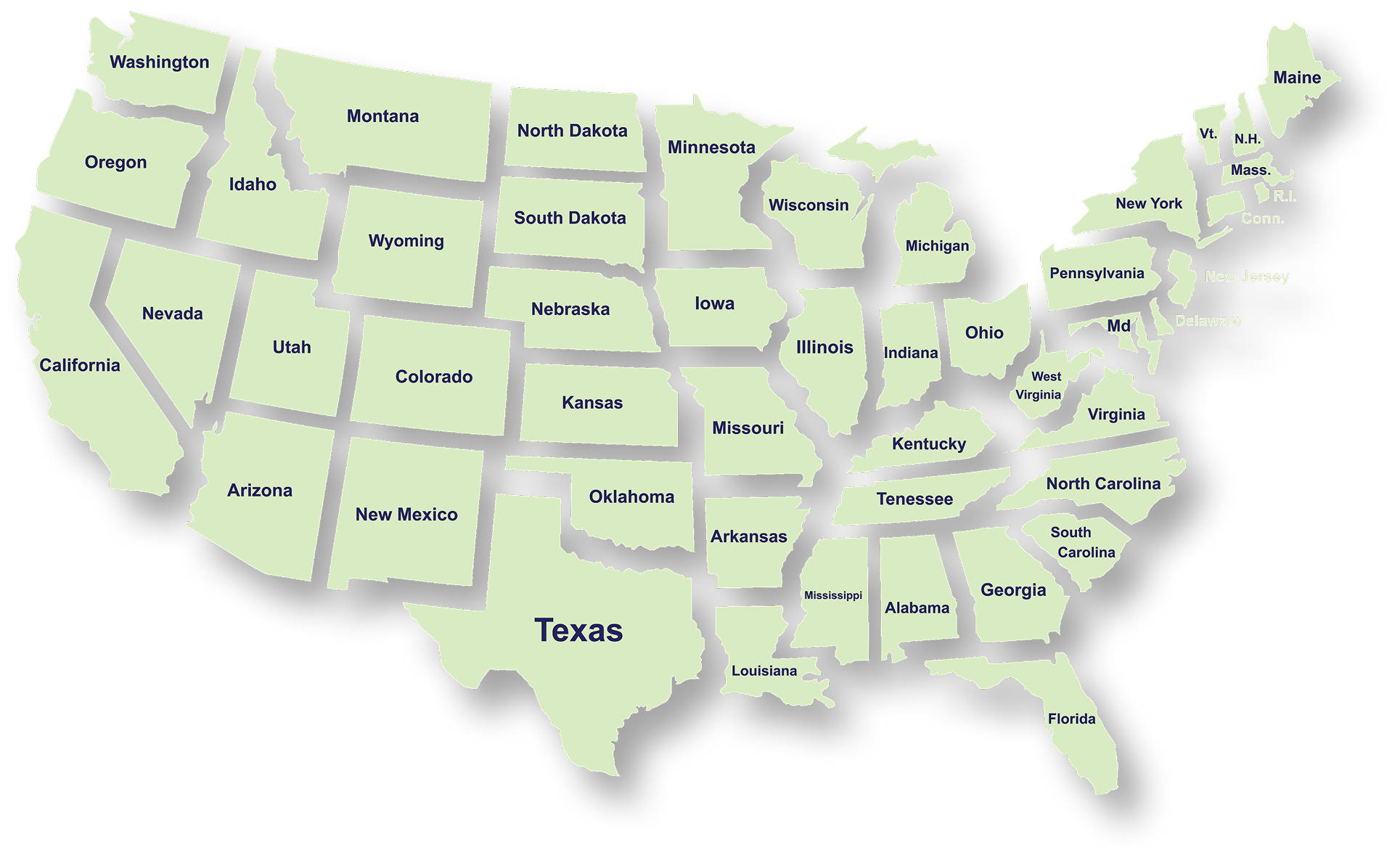
Serving Businesses & Individuals Across USA

We handle accounting, tax filing, and planning with defined timelines and accurate reporting for businesses and individuals across all states.

Frequently Asked Questions

What services does NR CPAs & Business Advisors provide?
What is tax planning and why is it important for businesses?
How can a Virtual CFO help my business?
When should a business consider IRS tax resolution services?
What financial statements does a business typically need?
How can startup advisory services help new businesses?
What is strategic business planning?
What is a Virtual Family Office and who can benefit from it?