Learning Center for Tax and Financial Insights

Stay updated with clear, actionable articles on tax rules, deadlines, deductions, and financial decisions that impact individuals and businesses.

No items found.

Video: Two New Year Tips for Businesses

In this video, learn more about tracking mileage for business vehicles and issuing 1099-NEC forms to service providers. These tips will keep you organized and tax-compliant in 2025

Explore More
No items found.

Potential Tax Changes in 2025: What You Need to Know

For 2025, several significant tax changes are on the horizon that could impact individuals, businesses, and tax professionals alike. From the expiration of key provisions in the Tax Cuts and Jobs Act (TCJA) to inflation adjustments and potential legislative developments, staying informed is crucial for proactive planning. Here’s an overview of what’s coming and how to prepare.Expiration of Key TCJA ProvisionsThe TCJA, enacted in 2017, introduced sweeping changes to the U.S. tax code, but many provisions were temporary and are set to expire at the end of 2025. Key changes include:Individual Tax Rates: The current tax brackets and rates are scheduled to revert to pre-TCJA levels, potentially increasing tax liabilities for many households. For example, the top individual rate would rise from 37% back to 39.6%.Standard Deduction: The enhanced standard deduction—currently $13,850 for single filers and $27,700 for married couples filing jointly—will decrease significantly, while personal exemptions, which were eliminated under the TCJA, are set to return.Child Tax Credit: The credit amount is expected to drop from $2,000 per child to $1,000, with stricter income thresholds, reducing its accessibility for middle-income families.SALT Limitation: Currently the itemized deduction for state and local income tax is limited to an annual $10,000. That limit will expire after 2025. There has already been talk about raising it to $20,000 while others favor allowing it to expire. Changes 1 through 3 on the above list could result in higher tax bills for many Americans unless Congress acts to extend or amend the provisions. Change number 4, on the other hand, would reduce taxes for higher-income taxpayers. IRS Inflation AdjustmentsEach year, the IRS adjusts various tax provisions to account for inflation, and 2025 will be no exception. Key updates include:Tax Brackets: Income thresholds for each tax bracket will increase, offering some relief against inflation-driven income growth.Standard Deduction: Set to rise slightly, with single filers expected to see a deduction of $15,000, and joint filers $30,000.Earned Income Tax Credit (EITC): Income limits for eligibility and maximum credit amounts will also increase, benefiting low- to moderate-income workers. The maximum EITC will increase from $7,830 in 2024 to $8,046 in 2025. These adjustments aim to prevent “bracket creep,” where inflation pushes taxpayers into higher brackets, increasing their liability despite no real increase in purchasing power.Retirement ContributionsGood news for savers: Contribution limits for certain retirement accounts, including 401(k)s and Self Employed Retirement (SEP) plans, are increasing in 2025, while IRA contribution limits remain unchanged.401(k) Plans: The elective deferral limit increases from $23,000 in 2024 to $23,500 in 2025, enabling employees to save more for retirement on a tax-deferred basis. But the big news is the increase in the makeup contributions for taxpayers aged 60 through 63. Catch-Up Contributions: For taxpayers aged 50 and older, catch-up contribution limits remain unchanged at $7,500 for 2024 and 2025. However, for 2025 those aged 60 through 63 the catch up contribution will be $11,250. Giving those aged 60 through 63 additional opportunities to bolster retirement savings.These increases reflect the IRS’s effort to align savings opportunities with inflation, ensuring Americans can adequately prepare for their golden years.

Explore More
No items found.

Essential Steps to Prepare for a Stress-Free Tax Appointment

Explore More
No items found.

The Rise of Fractional Hiring for SMBs: What It Is, How It Works, and Why It’s Trending

Explore More
No items found.

You May Receive a Form 1099-K This Year: What It Means for Your Taxes

Explore More
No items found.

Video Tips: Reasonable Compensation for S-Corp Shareholders

Determining a reasonable salary for an S corporation shareholder is required and may be one of the most difficult tasks related to S corporation accounting and tax preparation.S corporation shareholders enjoy tax advantages not available to owners of other entity types. Only the portion of their cash distributions that is characterized as reasonable compensation (W-2 wages) is subject to payroll taxes while the profits passed through on the K-1 are not subject to self-employment (SE) tax. Compare that to a partnership where the entire profits of general partners are subject to SE tax.

Explore More
No results found.
Thank you! Your submission has been received!
Oops! Something went wrong while submitting the form.

Want tax & accounting tips & insights?Sign up for our newsletter.

Thank you! Your submission has been received!
Oops! Something went wrong while submitting the form.

Why Work With Us?

We combine deep tax expertise, financial strategy, and practical business insight to help you manage complexity, stay compliant, and make confident financial decisions.
A dollar sign, representing financial advice or discussion at NR CPAs & Business Advisors.

Experienced CPA and Enrolled Agent Leadership

Guidance led by licensed professionals with deep expertise in tax strategy, compliance, and complex financial matters.
White bar chart with an upward arrow on green circular background representing growth or progress at NR CPAs &. Business Advisors

Support for Growing Businesses and Startups

We understand the financial challenges of growth stage businesses and provide structured guidance to support expansion.
A white hand holding a dollar symbol and ascending bar chart on a green circular background representing financial growth or investment at NR CPAs & Business Advisors..

Strategic Financial Advisory

Our team helps you evaluate financial decisions with greater clarity, supported by practical insights and long term planning.

Fractional CFO Support

Access experienced financial leadership without the commitment and cost of hiring a full time Chief Financial Officer.

Proactive Tax Planning Approach

We focus on identifying tax opportunities throughout the year rather than reacting only during filing season.

Clear and Reliable Financial Reporting

Accurate financial statements and reporting that help you better understand performance and make informed decisions.
White IRS building icon with pillars and a dollar sign above on a green circular background.

Professional IRS Representation

Experienced support in resolving IRS notices, disputes, and compliance matters while protecting your financial interests.

Personalized Client Focus

Every client receives thoughtful attention and tailored financial solutions based on their specific needs and business goals.
Financial matters often involve important decisions. Working with experienced advisors can help you approach them with greater clarity and confidence in your choices.

Need Help With Your Tax or Financial Decisions?

Discuss your situation with our advisors to get clear guidance on tax planning, IRS matters, and the financial decisions ahead.
Business consulting at NR CPAs & Business Advisors.

Request Your Consultation

Fill out the form to discuss your tax concerns, financial questions, or advisory needs with our team. We will review your details and respond shortly.

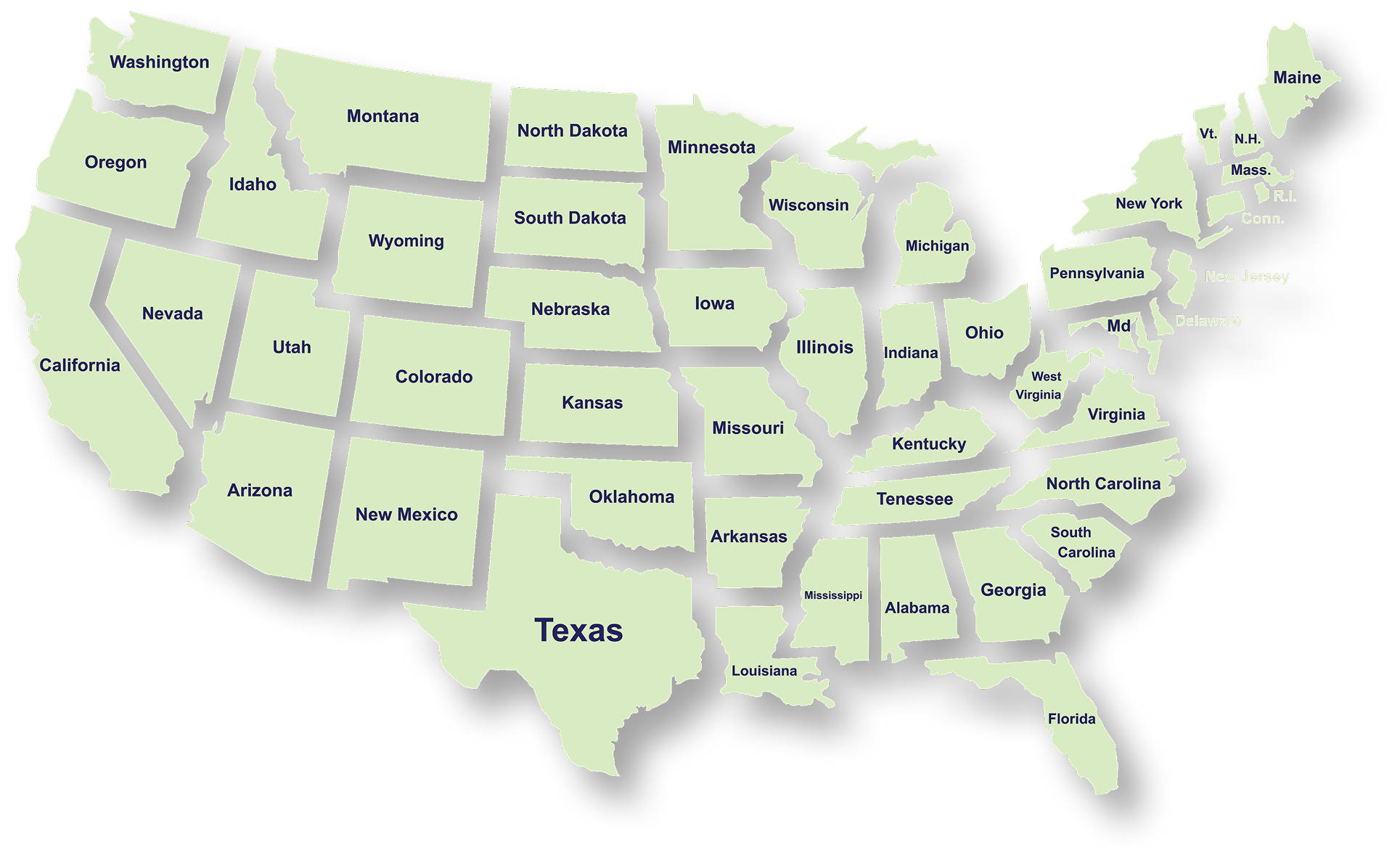
Serving Businesses & Individuals Across USA

We handle accounting, tax filing, and planning with defined timelines and accurate reporting for businesses and individuals across all states.

Frequently Asked Questions

What services does NR CPAs & Business Advisors provide?
What is tax planning and why is it important for businesses?
How can a Virtual CFO help my business?
When should a business consider IRS tax resolution services?
What financial statements does a business typically need?
How can startup advisory services help new businesses?
What is strategic business planning?
What is a Virtual Family Office and who can benefit from it?